
 Suro Senen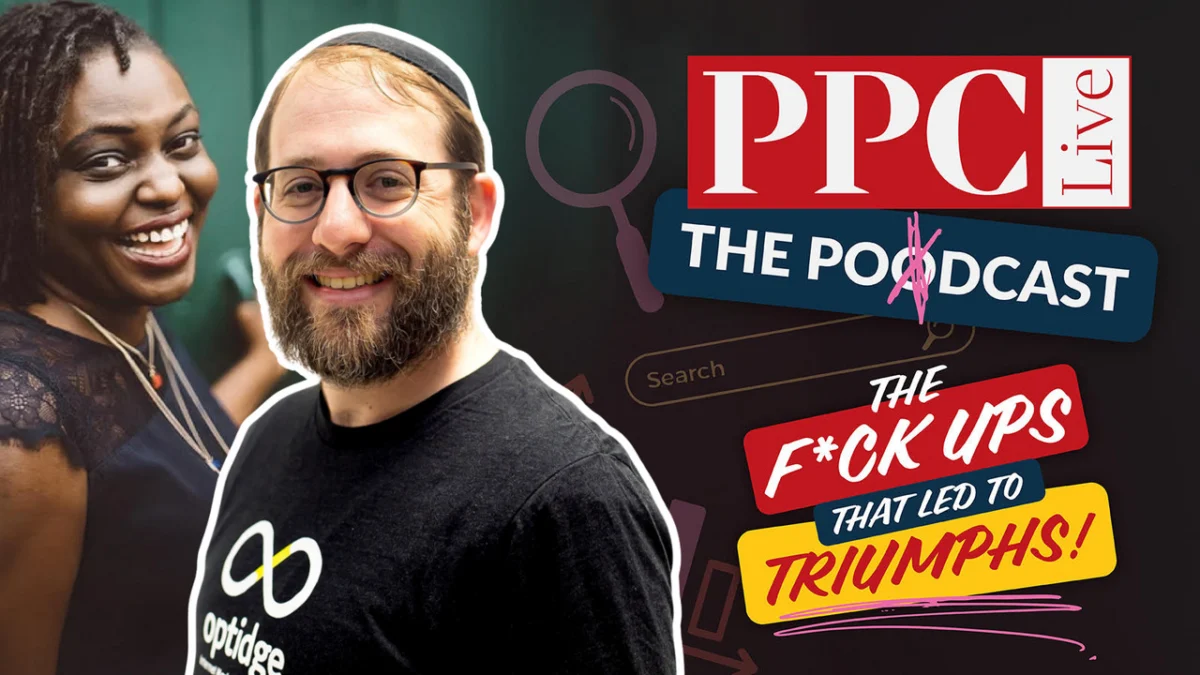
Every seasoned PPC professional harbors a "nightmare scenario"—a mistake they wish they could scrub from their professional history. For Danny Gavin, founder of the digital marketing agency Optidge, that moment wasn’t a catastrophic budget overspend or an algorithm-induced campaign crash. It was something far more insidious: a silent, technical failure that sat perfectly hidden behind a facade of success.
In a recent appearance on PPC Live The Podcast, Gavin shared the harrowing story of a campaign that looked flawless on a dashboard but was failing in the real world. This account serves as a masterclass in the necessity of operational transparency, the dangers of "metric-only" management, and the enduring power of professional integrity.
The Illusion of Performance: The Main Facts
The incident occurred during the early years of Optidge, when the agency was lean and team resources were stretched thin. One of their clients—a provider of essential autism therapy services—was performing exceptionally well within the Google Ads interface.
By every traditional metric, the campaigns were a triumph. The Cost-Per-Lead (CPL) was well within the target range, click-through rates were steady, and the volume of conversions was climbing month-over-month. Gavin’s team felt confident, regularly reporting these stellar figures to the client.
However, a dissonance was brewing. While the digital reports painted a picture of growth, the client was becoming increasingly agitated. Their internal records showed a complete void in new inquiries. The "qualified prospects" the agency claimed to be delivering were effectively vaporizing before reaching the client’s intake team.
The investigation eventually revealed the culprit: a broken email notification system. While the lead data was being captured and stored in the backend database, the trigger meant to notify the client via email had failed. For two agonizing months, the agency celebrated data points that the client couldn’t access.
A Chronology of the Breakdown
To understand how such a significant failure went unnoticed for eight weeks, one must look at the disconnect between digital reporting and real-world business operations.
- Weeks 1–2: The campaign launches and scales. The Google Ads dashboard shows steady conversions. The agency reports "success" to the client.
- Weeks 3–4: The client notices a lack of new patient intake. They voice concerns, but the agency points to the dashboard data, assuming the client’s sales process or seasonal trends might be to blame.
- Weeks 5–6: Frustration mounts. The client feels the agency is disconnected from reality. The agency, meanwhile, is blinded by the "success" reflected in the ad platform.
- Weeks 7–8: A deep-dive audit is finally conducted, not just of the ad platform, but of the entire lead-flow pipeline. The team discovers that the database is full of leads—dozens of them—that never triggered a notification.
- Post-Discovery: The agency immediately notifies the client, exports all recovered leads, and begins an internal restructuring of their QA processes.
The Emotional and Professional Toll
For Gavin, the financial repercussions were secondary to the emotional weight of the situation. Because the client was an acquaintance, the failure felt deeply personal. The agency had spent two months confidently presenting reports that, from the client’s perspective, were essentially lies.
"It felt as though we had taken their money without providing value," Gavin noted during the podcast. This feeling of helplessness is a common, if rarely discussed, aspect of agency life. When a campaign "works" in theory but fails in practice, the breach of trust is profound. The guilt associated with "reporting success" while the client struggled was the catalyst for a total transformation in how Optidge handles client relationships.
Transparency as the Primary Recovery Strategy
When the realization struck, there was no temptation to deflect blame or hide behind technical jargon. Gavin made the deliberate choice to embrace radical honesty. Instead of framing the issue as an "unforeseen technical bug," they owned the failure as a systemic oversight.
The agency immediately exported the entire database of cold leads, provided them to the client, and took full accountability for the lack of verification. While many of the leads had long since gone cold, the act of transparency saved the professional relationship. Years later, that same client reached out to Optidge, citing their professionalism and honesty as the primary reasons they wanted to work together again. It proved a vital lesson: clients may forgive a mistake, but they rarely forgive a cover-up.
Systemic Prevention: Building New Safeguards
The incident acted as a catalyst for a complete overhaul of the agency’s Standard Operating Procedures (SOPs). Optidge moved away from the assumption that if the "Conversion" light is green in Google Ads, the lead is safely in the client’s hands.
Their new workflow includes:
- Redundant Notification Systems: Leads are now sent via multiple channels (email, SMS, and direct CRM integration) to ensure no single point of failure.
- Automated Health Checks: The team runs periodic "test leads" through all forms to verify that the entire chain of communication—from click to inbox—remains intact.
- Cross-Platform Reconciliation: Monthly reporting now mandates a "Source of Truth" meeting where client-side data (actual revenue or closed deals) is reconciled against ad-platform data.
The Evolution of Client Communication
Perhaps the most significant change was the shift in how the agency defines "Account Management." Gavin recognized that a PPC specialist’s brain is often wired for optimization, not necessarily for high-level client advocacy.
Optidge introduced dedicated account managers whose sole job is to bridge the gap between technical data and business outcomes. These managers are tasked with asking the "simple" questions: “Are you actually seeing these leads in your inbox?” and “Is the quality of these leads actually helping your bottom line?”
This shift underlines a core truth in modern digital marketing: Campaign metrics are not the destination; they are the map. If the map says you are in a city, but the client is standing in the desert, it doesn’t matter how accurate your GPS is.
Modern Lessons: AI, Data, and Human Oversight
While the incident took place years ago, Gavin observes that many modern agencies are falling into the same traps. The rise of AI has only exacerbated the temptation to trust the "dashboard" implicitly.
The Role of AI in Lead Verification
Gavin advocates for using AI not just for bidding strategies, but for auditing the quality of the business outcomes. For example, AI-powered call tracking can now transcribe, summarize, and categorize phone inquiries in real-time. This allows agencies to see if the traffic they are paying for is actually resulting in the right conversations.
The Dangers of "Blind Trust" in Automation
Despite the power of machine learning, Gavin warns against total reliance on AI. AI can misinterpret context, hallucinate data, and fail to account for privacy regulations, particularly in sensitive sectors like healthcare or legal services. His golden rule is simple: Automate for efficiency, but audit for reality. Human expertise is the necessary final filter that prevents a small error from becoming an agency-defining failure.
Implications for the Industry
The story of Optidge’s "silent failure" serves as a cautionary tale for the entire marketing industry. As tools become more automated and reporting dashboards become more sophisticated, the "human in the loop" is more important than ever.
Agencies that focus solely on traffic and cost-per-click are increasingly vulnerable to these types of disconnects. Success in the current landscape requires a holistic approach that treats the client’s internal CRM as the true north.
Ultimately, the biggest lesson is one of humility. Every PPC professional will eventually make a mistake. The difference between an agency that lasts and one that fades is the ability to turn that failure into a rigorous, unbreakable system. As Gavin aptly summarized, a mistake only gains value when it becomes the foundation for a permanent improvement in service. In an era of AI and automation, that human commitment to accountability remains the most competitive advantage an agency can possess.


 Ammar Sabilarrohman
 Sagoh
Sagoh
 Raul Delapena Setiawan
 Reynand Wu


 Azzam Bilal Chamdy
 Ali Ikhwan