
 Nila Kartika Wati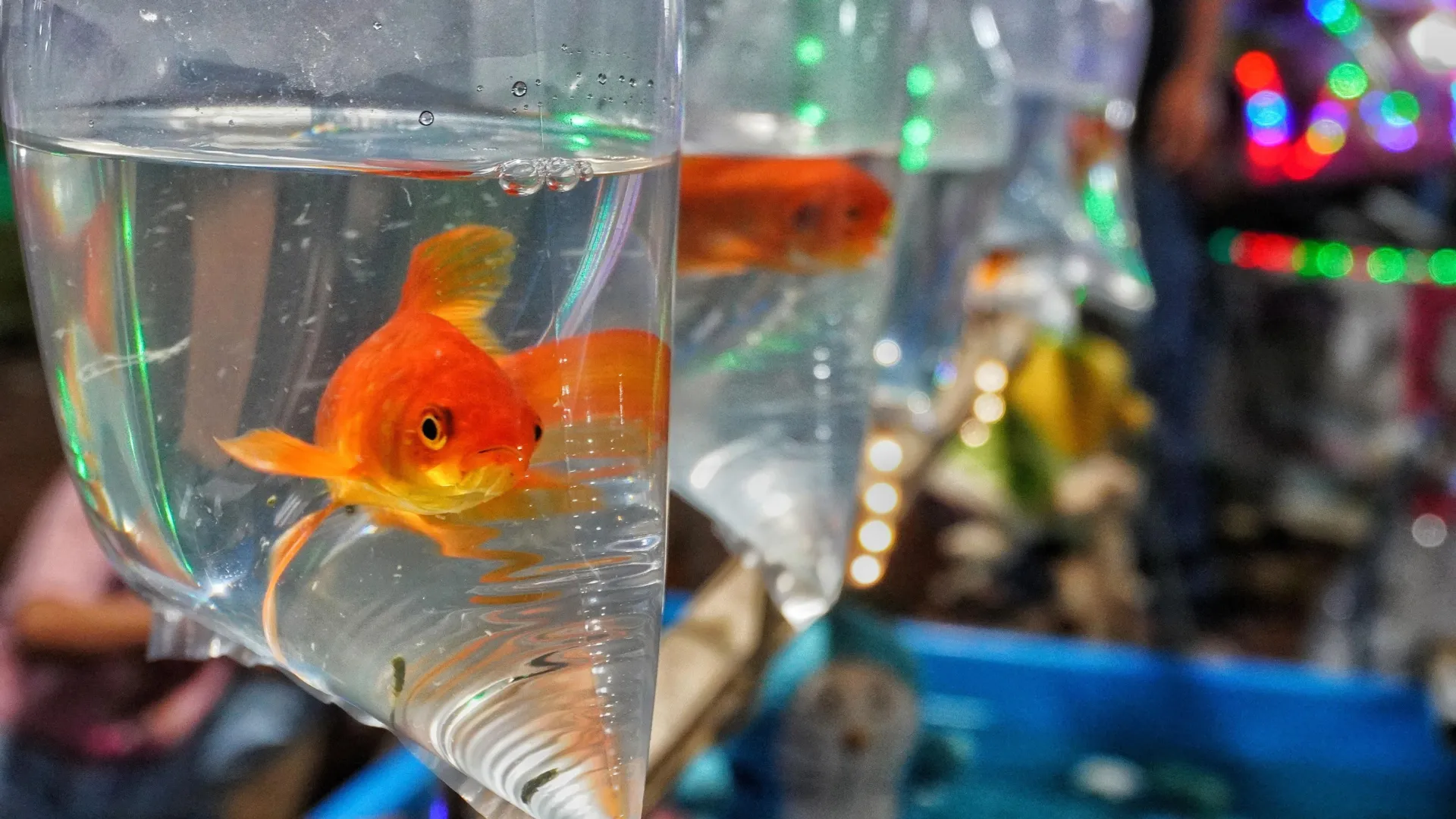
For millions of households across the globe, the goldfish (Carassius auratus) is the quintessential "starter pet." Compact, colorful, and seemingly docile, these ornamental fish have graced aquariums and glass bowls for generations. However, a groundbreaking peer-reviewed study conducted by researchers at The University of Toledo and the University of Missouri has pulled back the curtain on a sobering reality: when these creatures escape or are intentionally released into the wild, they transform from domestic companions into apex disruptors of freshwater ecosystems.
The research, published in the Journal of Animal Ecology, offers some of the most rigorous experimental evidence to date that goldfish are not merely harmless additions to local waterways. Instead, they act as catalysts for "regime shifts"—catastrophic environmental transitions that reorganize lakes into degraded, murky, and inhospitable environments.
The Science of Disruption: How Goldfish Alter Ecosystems
The study, titled "Invasive goldfish trigger a regime shift in experimental lake ecosystems of varying trophic state," utilized large-scale outdoor freshwater mesocosms—controlled, tank-based environments designed to replicate the biological complexity of real-world lakes. By introducing Carassius auratus into these environments, researchers were able to observe the ripple effects of the fish’s presence over an extended period.
The team specifically investigated two distinct types of freshwater conditions: oligotrophic (nutrient-poor) waters and eutrophic (nutrient-rich) waters. In both scenarios, the introduction of goldfish triggered severe ecological instability.
The Mechanism of Destruction
Goldfish are not sedentary bottom-dwellers in the wild. Once released into a pond, river, or lake, they undergo a rapid physiological transformation. They grow significantly larger than their aquarium-bound counterparts, fueled by an opportunistic diet and an absence of natural predators. As they grow, their foraging behaviors—specifically "benthic foraging"—lead them to stir up bottom sediments.
This churning effect releases sequestered nutrients back into the water column, fueling massive blooms of phytoplankton and filamentous algae. The resulting water turbidity blocks sunlight, killing off native aquatic vegetation, which in turn destroys the essential nursery habitats for native fish and invertebrate species.
A Chronology of Ecological Neglect
The issue of invasive goldfish is not new, but the scientific community’s ability to quantify the extent of the damage has evolved significantly over the last decade.
- The Global Trade Era: Over the past fifty years, the global pet trade has facilitated the movement of millions of goldfish across continents. As trade volume increased, so did the frequency of "accidental releases" and purposeful dumping by pet owners.
- The Discovery Phase (2010–2018): Fisheries managers across North America and Europe began reporting sightings of "giant" goldfish in local watersheds. Initially dismissed as anomalies, these sightings became increasingly common following severe weather events, where flooding allowed goldfish to escape from outdoor garden ponds into interconnected river systems.
- The Experimental Design (2020–2022): Recognizing the lack of empirical data, Dr. William Hintz (UToledo) and Dr. Rick Relyea (University of Missouri) initiated their comprehensive study. They moved beyond observational data, employing both additive and substitutive experimental designs to isolate the "goldfish factor" from the broader impact of general fish abundance.
- The Publication (2024): The resulting study provided the definitive proof that the ecological damage was not merely due to "too many fish," but was a direct result of the specific, destructive behaviors inherent to the goldfish species.
Supporting Data: Dissecting the Damage
The study’s findings are categorized by the distinct pressures goldfish exert on a lake’s biological hierarchy. Through rigorous testing, the researchers observed the following:
1. The Regime Shift Phenomenon
The most alarming discovery was the "regime shift." This is a scientific term for the point at which an ecosystem crosses a threshold and shifts into a fundamentally different, often permanent state of degradation. Once a lake transitions from a clear-water state to a turbid, algae-dominated state, the cost and technical complexity of restoring it to its original condition become astronomical.
2. Competition and Predation
Goldfish are highly competitive. They consume vast quantities of zooplankton, which are the primary grazers that keep algae in check. By eliminating these zooplankton, goldfish inadvertently ensure that algae populations explode, further worsening water quality. Furthermore, they directly compete with native fish for limited resources, often displacing them and forcing native populations toward local extinction.
3. Separating "Fish" from "Goldfish"
By using both additive and substitutive experimental approaches, the research team isolated the variables. They found that while increased fish biomass in any ecosystem leads to some degree of pressure, the presence of goldfish caused damage that was qualitatively different and significantly more severe than that caused by native species.
Official Responses and Expert Insights
The lead investigators of the study have been vocal about the implications of these findings, urging a shift in how both the public and policymakers view domestic pets.
"It is critically important to inform the public that their pets can become pests that will harm freshwater ecosystems," stated Dr. William Hintz, associate professor in UToledo’s Department of Environmental Sciences. "The evidence is now clear—releasing a goldfish into the wild might be seen as an act of kindness, but it can turn into a major ecological threat."
Dr. Rick Relyea, director of Mizzou’s Johnny Morris Institute of Fisheries, Wetlands and Aquatic Systems, echoed this sentiment, emphasizing the physical changes the fish undergo. "If goldfish are released into the wild, they rapidly grow into very large fish that stir up lake sediments, consume large numbers of prey and compete with native fish," he noted.
These experts are calling for a multi-tiered response:
- Preventative Policy: Tightening regulations on the sale of certain invasive-prone species and ensuring that pet stores provide adequate information regarding the risks of release.
- Early Detection and Rapid Response (EDRR): Encouraging natural resource agencies to implement monitoring programs that catch goldfish populations in their infancy, before they can cross the threshold into a regime shift.
- Public Awareness Campaigns: Moving away from the "flushing" or "releasing" mentality that still persists among some pet owners.
Broader Implications: What Now?
The implications of this study reach far beyond the biology of a single fish species. They serve as a microcosm for the broader issue of invasive species management in the Anthropocene. As humans continue to move species around the globe for economic and personal purposes, the risks of accidental biological contamination rise.
The Responsibility of the Pet Owner
The researchers suggest that the primary barrier to solving this problem is the misconception that releasing a pet is a "humane" alternative to euthanasia or disposal. To combat this, the study authors emphasize several responsible alternatives:
- Return to Vendor: Many pet stores have policies in place to accept unwanted fish back into their stock.
- Adoption Networks: Online communities and aquarium societies are often willing to take in healthy, unwanted fish.
- Consulting Wildlife Authorities: For owners who are unsure of how to dispose of an exotic or large fish, local departments of natural resources often have established protocols to handle such cases.
The Economic Cost of Inaction
The study highlights that prevention is vastly more cost-effective than restoration. Once an ecosystem undergoes a regime shift, it often requires dredging, chemical treatments, and massive restocking programs to restore even a fraction of the original biodiversity. By investing in education and early management, local governments can save taxpayers millions of dollars while protecting the health of the waterways that provide our drinking water, recreation, and ecosystem services.
Conclusion
The goldfish, once a symbol of the tranquil home aquarium, has been unmasked as a potent environmental disruptor. The research from UToledo and the University of Missouri provides the hard evidence needed to move the conversation from anecdotal concern to evidence-based policy.
As we look toward the future of freshwater management, the lesson of the goldfish is clear: the ecological health of our lakes and rivers depends on the small, daily choices made by individual citizens. Understanding that a "small" pet can have a "large" impact is the first step toward preventing the next major ecological crisis in our own backyards. Protecting native biodiversity requires us to treat all pets—no matter how small or seemingly benign—with a high level of environmental responsibility.


 Raul Delapena Setiawan
 Laily UPN
 Reynand Wu
 Sagoh
Sagoh

 Azzam Bilal Chamdy
 Ali Ikhwan