
 Evan Lee Salim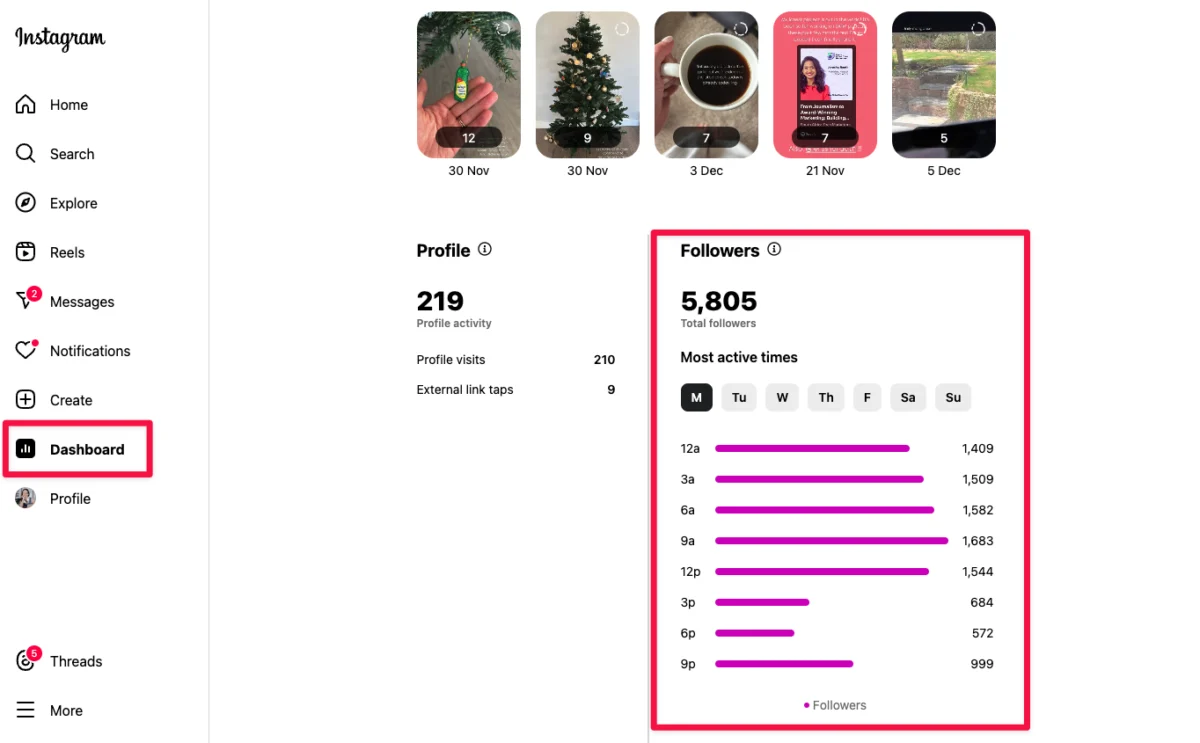
In the high-stakes world of social media marketing, the difference between a post that goes viral and one that lands in an "Instagram dead zone" often comes down to a single variable: timing. As platforms evolve and user behaviors shift, staying ahead of the curve is no longer just an advantage—it is a necessity for creators, marketers, and small business owners alike.
Based on an exhaustive analysis of 9.6 million Instagram posts conducted by Buffer, we now have a clear roadmap for 2026. While high-quality content remains the foundation of your strategy, timing serves as the crucial force multiplier that dictates your initial reach and ultimate engagement.
The Main Facts: When Should You Post?
According to Buffer’s State of Social Engagement 2026 report—a massive study analyzing 52 million posts across 10 platforms from over 200,000 accounts—the "golden hours" for Instagram have been identified.
![Best Time to Post on Instagram: 2026 Data from 9.6M Posts [Updated May 2026]](https://storage.ghost.io/c/6d/21/6d217297-aa70-41fe-b68d-e29e411dd3ed/content/images/2026/01/best-time-to-post-on-instagram-2026.png)
The top-performing times to post on Instagram in 2026 are:
- Thursday at 9 a.m.
- Wednesday at 12 p.m.
- Wednesday at 6 p.m.
These findings suggest that while the "chronological feed" era is long gone, the timing of your publication still acts as a critical signal to the Instagram algorithm. By hitting the platform when your audience is most likely to be active, you increase the likelihood of immediate interaction—likes, comments, shares, and saves—which the algorithm uses to determine if your content is valuable enough to be surfaced to a wider audience.
The Chronology of Engagement: A Day-by-Day Breakdown
Understanding the rhythm of your audience is key to sustained growth. While midweek peaks are consistent, each day offers a different opportunity for engagement.
![Best Time to Post on Instagram: 2026 Data from 9.6M Posts [Updated May 2026]](https://storage.ghost.io/c/6d/21/6d217297-aa70-41fe-b68d-e29e411dd3ed/content/images/2026/01/best-time-to-post-instagram-2026-heatmap.png)
The Midweek Powerhouse: Monday to Wednesday
- Monday: Engagement begins to build as users settle back into their routines. The strongest window is 7 p.m., followed by 6 p.m. and 8 p.m.
- Tuesday: As the week hits its stride, performance remains high. The peak is 7 p.m., with secondary opportunities at 3 p.m. and 5 p.m.
- Wednesday: This is the undisputed champion of the week. The midday surge at 12 p.m. (the "lunchtime scroll") combined with evening peaks at 6 p.m. and 8 a.m. makes Wednesday the most reliable day for high-impact content.
The Thursday Anomaly and Weekend Slump
- Thursday: Thursday is the most counterintuitive day of the week. Unlike other days where evening hours dominate, Thursday mornings—specifically 9 a.m.—consistently outperform evening slots. This is likely driven by "planning energy," as users check in with brands and creators to map out their upcoming weekends.
- Friday and Saturday: These are the most challenging days for engagement. As users disengage from professional and content-heavy spaces to focus on leisure, organic reach tends to dip. If you must post, aim for late evenings (9 p.m. to 10 p.m.) to catch late-night scrollers.
- Sunday: Sunday evenings represent a "reset" period. As users prepare for the week ahead, they are more active on the app. 9 p.m. is your best bet for catching the weekend-ending audience.
Supporting Data: The Science Behind the Strategy
This analysis is not merely anecdotal; it is grounded in rigorous data science. To avoid the "outlier effect"—where viral posts from massive accounts skew the averages—Buffer measured median engagement rates (Likes + Comments + Shares + Saves / Followers x 100).
Crucially, these findings are normalized to your local timezone. Whether you are operating out of New York, London, or New Delhi, the data holds. If the data suggests a 12 p.m. peak, it is 12 p.m. in your local time. This eliminates the headache of manual conversions and allows creators to build a consistent, localized schedule.
Furthermore, the data highlights a clear shift in how users consume content. Over a third of Instagram’s user base falls into the 25–34 age demographic. This cohort, often balancing demanding careers, is most likely to use Instagram as a wind-down tool in the evening, explaining the overwhelming dominance of the 6 p.m. to 11 p.m. window.
![Best Time to Post on Instagram: 2026 Data from 9.6M Posts [Updated May 2026]](https://storage.ghost.io/c/6d/21/6d217297-aa70-41fe-b68d-e29e411dd3ed/content/images/2026/01/best-day-to-post-instagram-2026-.png)
Official Perspectives: The Algorithm and Content Strategy
Head of Instagram, Adam Mosseri, has been transparent about the platform’s shifting priorities. In recent updates, he emphasized that Instagram categorizes user intent: "People tend to look for their closest friends in stories, use Explore to discover new content and creators, and be entertained in Reels."
This categorization dictates your posting frequency and format:
- Reels (Entertainment): These perform best during evening "wind-down" hours when users are looking to be passive consumers of high-energy content.
- Carousels (Education/Depth): These thrive during lunch breaks and post-work hours when users have the cognitive bandwidth to swipe through multiple frames.
- Stories (Connection): Frequency is more important than timing. Because Stories expire in 24 hours, the goal is to maintain a "healthy cadence" of 1–2 Stories per day to keep your profile at the front of your followers’ feeds.
Furthermore, the algorithm has shifted its primary ranking signal toward "Sends per Reach." This means that if a user DMs your content to a friend, the algorithm views it as a "high-value" interaction, significantly boosting your visibility. Timing your post to reach your audience when they are most likely to share content with their social circle is now the single most effective way to trigger this signal.
![Best Time to Post on Instagram: 2026 Data from 9.6M Posts [Updated May 2026]](https://storage.ghost.io/c/6d/21/6d217297-aa70-41fe-b68d-e29e411dd3ed/content/images/2026/05/image-6.png)
Implications for Your Social Media Strategy
Knowing the "best" time to post is a powerful starting point, but it should not be the sole basis of your strategy. Here are the core implications for your workflow in 2026:
1. The "Cherry on Top" Philosophy
Timing is the cherry on top, not the cake. A perfectly timed post will fail if the content is not engaging, authentic, or valuable. Use these data-backed times to ensure your best work receives the visibility it deserves, but do not sacrifice content quality for the sake of a clock.
2. The Power of Personal Analytics
Platform-wide data provides a baseline, but your specific audience is unique. If you run a B2B account, your audience’s peak activity might differ significantly from a lifestyle influencer’s audience. Use tools like Buffer Analytics or Instagram’s native Insights to identify your specific "most active" windows. If your internal data conflicts with the general averages, trust your internal data.
![Best Time to Post on Instagram: 2026 Data from 9.6M Posts [Updated May 2026]](https://storage.ghost.io/c/6d/21/6d217297-aa70-41fe-b68d-e29e411dd3ed/content/images/2026/05/image-7.png)
3. Consistency Over Perfection
While this report highlights the best hours, consistency is the true key to algorithmic success. Posting 3–5 times per week across the feed and maintaining a daily Story cadence is the "sweet spot" for growth. Regularity signals to the algorithm that you are a reliable source of content, which builds trust with both the system and your followers.
4. Avoiding the "Dead Zones"
Avoid posting between 1 a.m. and 5 a.m. local time. During these hours, organic reach consistently bottoms out, effectively wasting your post. If you have a global audience, utilize a scheduling tool to stagger your content or pin your most important posts to the top of your profile to ensure they remain visible regardless of when they were published.
Conclusion: Working Smarter in 2026
The landscape of social media is constantly shifting, but the fundamental desire for connection remains unchanged. By aligning your posting schedule with the times your audience is most ready to engage, you are not just "gaming the algorithm"—you are meeting your community where they are.
![Best Time to Post on Instagram: 2026 Data from 9.6M Posts [Updated May 2026]](https://storage.ghost.io/c/6d/21/6d217297-aa70-41fe-b68d-e29e411dd3ed/content/images/2026/01/buffer-instagram-analytics.png)
Whether you are a casual user or a brand manager, the takeaway for 2026 is clear: lean into the midweek, embrace the evening hours, and use data to refine your intuition. By automating your scheduling and focusing on the content that drives "shares" and "saves," you can ensure your voice is heard above the digital noise.
Start by auditing your own analytics, testing these peak windows, and observing how your engagement shifts over the coming weeks. The data is on your side—now it is time to put it to work.


 Ammar Sabilarrohman
 Sagoh
Sagoh
 Raul Delapena Setiawan
 Reynand Wu

 Azzam Bilal Chamdy
 Ali Ikhwan