
 Asep Darmawan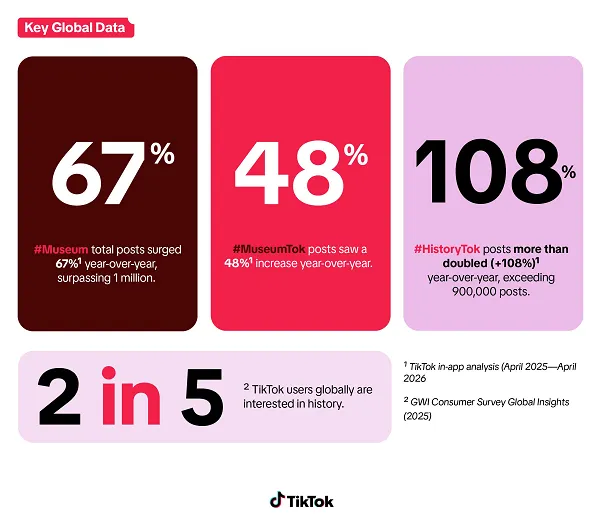
In an era where digital engagement often competes with physical presence, TikTok is paradoxically positioning itself as the premier gateway to the world’s most venerable cultural institutions. This May 18, as the global community observes International Museum Day, the short-form video giant is doubling down on its commitment to cultural preservation and education. By launching its ambitious "Museums Come Alive" series, TikTok is not merely celebrating history; it is actively rewriting the rules of how the public interacts with art, artifacts, and academia.
The Evolution of Cultural Consumption: Main Facts
The initiative announced by TikTok is designed to spotlight the vital role museums play in global education while leveraging the platform’s unique capacity for viral storytelling. The "Museums Come Alive" program serves as a strategic pivot for the app, moving beyond entertainment and lifestyle trends to establish itself as a legitimate hub for high-brow cultural exploration.
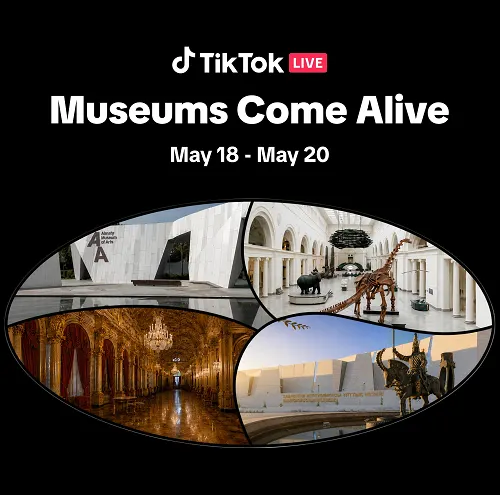
The core of this initiative is a series of exclusive TikTok LIVE events. By partnering with world-renowned institutions, TikTok is granting its billion-plus users unprecedented, real-time access to behind-the-scenes operations, curator-led tours, and live exhibits. This is not a static viewing experience; it is an interactive dialogue. Users can pose questions to experts in real-time, effectively breaking down the "velvet rope" barrier that has historically separated the average citizen from elite cultural curation.
A Timeline of Digital Transformation: Chronology of Engagement
TikTok’s foray into the museum space was not an overnight decision but rather the result of a calculated trend that gained significant momentum over the past eighteen months.
- November 2023: The Grand Egyptian Museum set a new standard for cultural digital access by streaming its opening ceremony on TikTok. The event transformed a national milestone into a global cultural phenomenon, proving that institutions could reach audiences far beyond their physical borders.
- March 2024: Building on that success, the Metropolitan Museum of Art in New York launched a three-day LIVE series. Featuring a mix of creators and specialized curators, the series provided an intimate look at the museum’s vast collections, garnering massive engagement from younger demographics who had previously engaged with the museum only sporadically.
- May 18, 2024: The official launch of "Museums Come Alive." This global program marks the transition from intermittent "special events" to a sustained, year-round commitment to educational content, encompassing history, food culture, travel, and fine arts.
These milestones illustrate a clear trajectory: museums are no longer viewing digital platforms as mere marketing channels, but as essential extensions of their pedagogical missions.
By the Numbers: Supporting Data and Insights
TikTok’s recent release of its "2026 Museum Insights Report" provides the empirical backing for this cultural pivot. The data underscores a shift in how modern audiences—particularly Gen Z and Millennials—consume information.
According to the report, 56 of the top 100 most visited museums in the world now maintain an active, official presence on TikTok. This cohort includes industry titans such as the Louvre, the Metropolitan Museum of Art, and the Grand Egyptian Museum. The reach of these institutions is amplified significantly by the platform’s algorithm, which favors educational, high-interest storytelling.
The statistics surrounding the recent LIVE broadcasts are particularly compelling:
- Total Viewership: Combined views across recent major museum streams reached nearly five million globally.
- Engagement Metrics: The data suggests that for every minute of live interaction, retention rates for educational content on TikTok are significantly higher than for traditional social media advertising, indicating that users are actively seeking out "edutainment."
- The "Discovery" Effect: The report highlights that a substantial percentage of visitors to physical museums now cite social media content as their primary motivation for attending, effectively proving the conversion pipeline from a 60-second video to a paid ticket at a museum gate.
The Voice of the Platform: Official Responses
In official statements accompanying the announcement, TikTok leadership emphasized that the "Museums Come Alive" initiative is about accessibility and democratization.
"Over the past year, we have seen notable museums turn to TikTok LIVE to engage with audiences in entirely new ways, reigniting a global interest in history and famous works of art," a spokesperson for the platform noted. "Our goal is to ensure that the wealth of knowledge held within these walls is not gated by geography or financial means. By providing year-round access to LIVE content across education, food, and travel, we are fostering a digital ecosystem where curiosity is rewarded."

The platform also highlighted that the series is designed to empower curators to act as creators. By training museum staff in the vernacular of the platform—using transitions, audio trends, and community-building engagement techniques—TikTok is helping experts translate complex historical narratives into digestible, viral moments.
Implications: A New Era for Cultural Literacy
The implications of this shift are profound, touching upon the future of education, the sustainability of museums, and the role of social media in society.
1. Democratization of Knowledge
Historically, the museum experience was predicated on physical attendance. By bringing the experience to the palm of the user’s hand, TikTok is effectively democratizing access to human history. For students in rural areas or countries without major cultural institutions, these LIVE sessions provide a window into global heritage that was previously inaccessible.
2. Economic Revitalization for Institutions
Museums have long struggled with stagnant attendance numbers and the challenge of attracting younger audiences. TikTok provides a low-cost, high-impact marketing tool that reaches exactly the demographics that institutions need to capture to ensure their long-term financial viability. The data confirms that viral museum content drives real-world foot traffic, turning a "scroll" into a "visit."
3. Redefining "Edutainment"
The success of "Museums Come Alive" suggests that audiences are hungry for substance. Despite the stereotype of short-form video being a medium for fleeting entertainment, the sustained success of long-form, educational LIVE streams on the platform proves that social media users are willing to invest time in learning. This forces a shift in the content strategy for creators and institutions alike; the most successful accounts are those that prioritize authenticity, deep expertise, and narrative-driven storytelling.
4. Cultural Preservation in the Digital Age
Perhaps most importantly, TikTok is helping to archive the museum experience itself. By creating a repository of LIVE streams, interviews, and curator-led walkthroughs, the platform is building a digital, searchable archive of cultural knowledge. As these institutions continue to evolve, the content generated today will serve as a historical record of how we viewed our own heritage in the mid-2020s.
Conclusion
As we look toward the future of International Museum Day, the collaboration between TikTok and the world’s leading cultural institutions represents a vital synergy. It is a recognition that in the 21st century, the "museum" is no longer just a building with four walls—it is a community, a dialogue, and a digital experience that transcends physical space.
By bridging the gap between historical preservation and modern digital consumption, TikTok is ensuring that the lessons of the past remain relevant in an increasingly fast-paced, fragmented world. As "Museums Come Alive" launches, it invites not just passive viewers, but active participants to engage with the stories that define us. Whether through a live tour of a lost civilization or an intimate look at a master painter’s brushstrokes, the platform is proving that history is not a relic of the past—it is a living, breathing experience, accessible to anyone with a smartphone and a sense of curiosity.


 Ammar Sabilarrohman
 Sagoh
Sagoh
 Raul Delapena Setiawan
 Reynand Wu


 Azzam Bilal Chamdy
 Ali Ikhwan