
 Muslim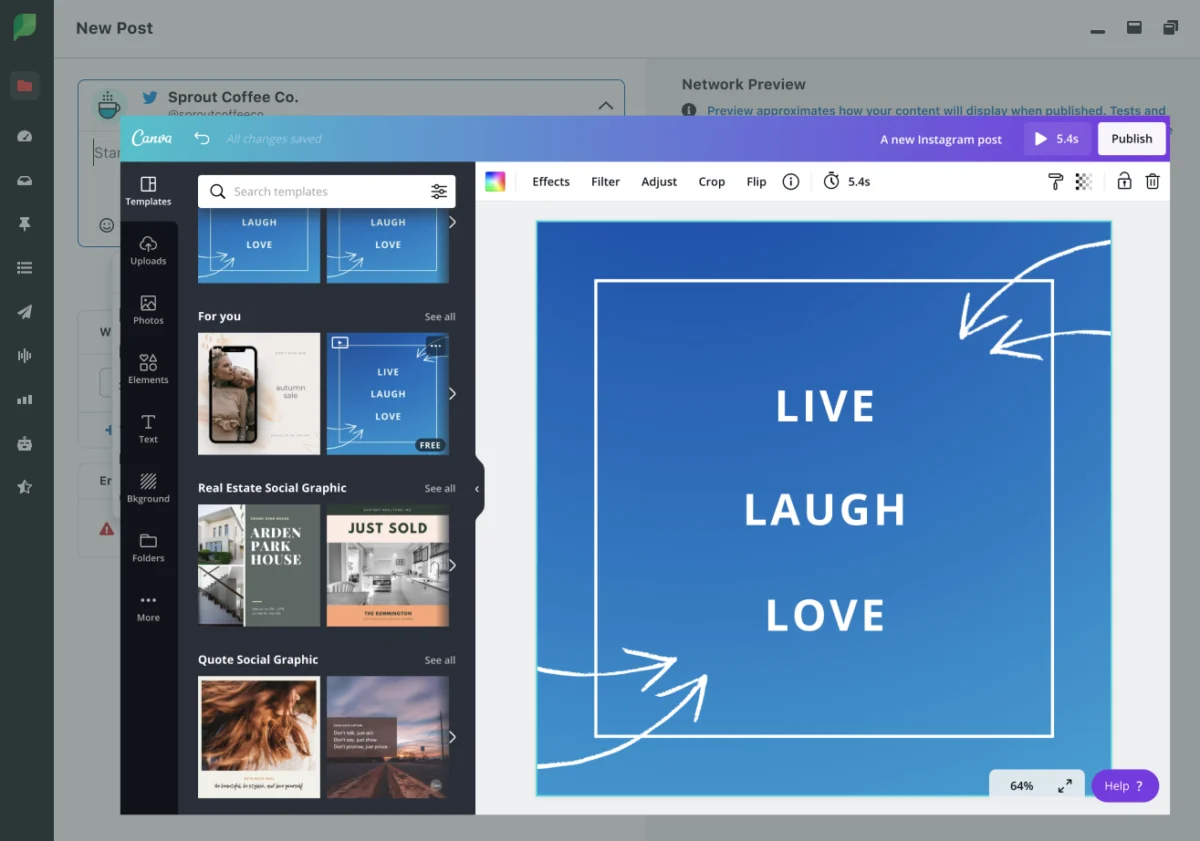
For many social media teams, the journey begins in the comfort zone of "native tools." It is the path of least resistance: free, familiar, and readily available. When a brand is small, logging into Instagram, Facebook, X, LinkedIn, and TikTok individually to post content feels manageable. However, as the digital landscape grows more competitive and the demand for constant, high-quality content intensifies, this fragmented approach often becomes a bottleneck.
As social media marketing matures from a niche experimental channel into a core business driver, the operational costs of "doing it the manual way" are beginning to outweigh the benefits. For teams struggling to keep pace, the transition from native apps to a unified platform like Sprout Social Essentials represents more than just a software upgrade; it is a fundamental shift in how modern marketing teams protect their time, prove their value, and scale their influence.
The Chronology of the Social Media Bottleneck
The evolution of a social media team typically follows a predictable trajectory. In the early stages, the "native stack" works. A solo marketer or a small team can manually track engagement and post on the fly.

However, as the brand gains traction, the workflow begins to fracture. The chronology of this decline usually looks like this:
- The Proliferation Phase: The business expands to new platforms. The marketer moves from managing two profiles to five or six. The time spent logging in, authenticating with two-factor codes, and navigating different interfaces begins to erode the workday.
- The Coordination Gap: As content volume increases, spreadsheets and Slack threads become the primary, yet ineffective, management tools. Asset management becomes a nightmare of shared drives and fragmented file versions.
- The Reporting Wall: Leadership begins to demand ROI. The social team, once praised for "just posting," is now asked to explain how their work impacts lead generation or brand awareness. The team spends the final days of the month frantically screenshotting native analytics and manually inputting them into presentation slides.
- The Strategic Stagnation: The final stage is characterized by burnout. The team spends 90% of their time on execution and logistics, leaving zero bandwidth for the strategic work—audience research, campaign planning, and creative development—that actually moves the needle.
Supporting Data: The Hidden Costs of Fragmentation
The friction of "context switching" is not just a nuisance; it is a measurable productivity killer. Research consistently shows that switching between complex tasks—such as jumping from a TikTok video editor to an X analytics dashboard—can decrease productivity by as much as 40%.
Consider the math of a typical mid-sized brand. If a team posts 12 times a week across five networks, they are managing roughly 3,000 posts annually. If the manual process of uploading, tagging, and publishing takes an extra two minutes per post compared to a unified dashboard, the team loses over two full work weeks (80+ hours) every year on administrative overhead alone.
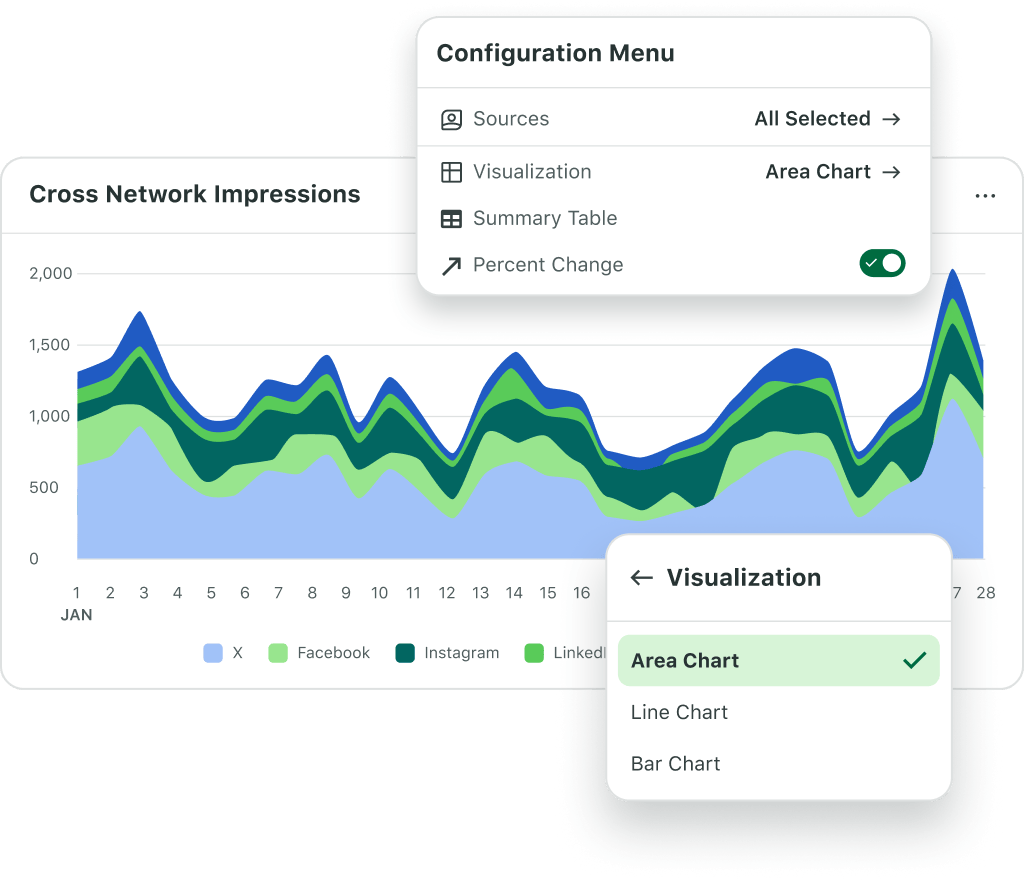
Furthermore, the lack of data synthesis creates a "version of the truth" crisis. When native analytics are siloed, marketers often rely on manual spreadsheets to aggregate performance. This introduces human error and creates a disconnect between the social team’s data and the leadership’s business metrics. According to industry surveys, teams that utilize unified platforms like Sprout Social report a significantly higher ability to correlate social activity with website traffic and lead generation, largely due to the centralization of cross-platform reporting.
Official Perspective: The Case for Sprout Social Essentials
Sprout Social designed their "Essentials" plan specifically to bridge the gap between small, agile teams and the complex, enterprise-level tools that were previously out of reach.
"The goal of Essentials is to strip away the noise," says a representative from the Sprout Social product team. "Small teams don’t need a thousand features they will never use; they need a clean, fast, and unified environment where they can execute their vision without being slowed down by the technology."
Sprout Social Essentials is priced at $79 per seat/month (billed annually), a strategic price point aimed at startups and growing in-house teams. The value proposition is simple: replace the manual, fragmented stack with one dashboard that handles scheduling, publishing, and reporting.
Key Functional Improvements:
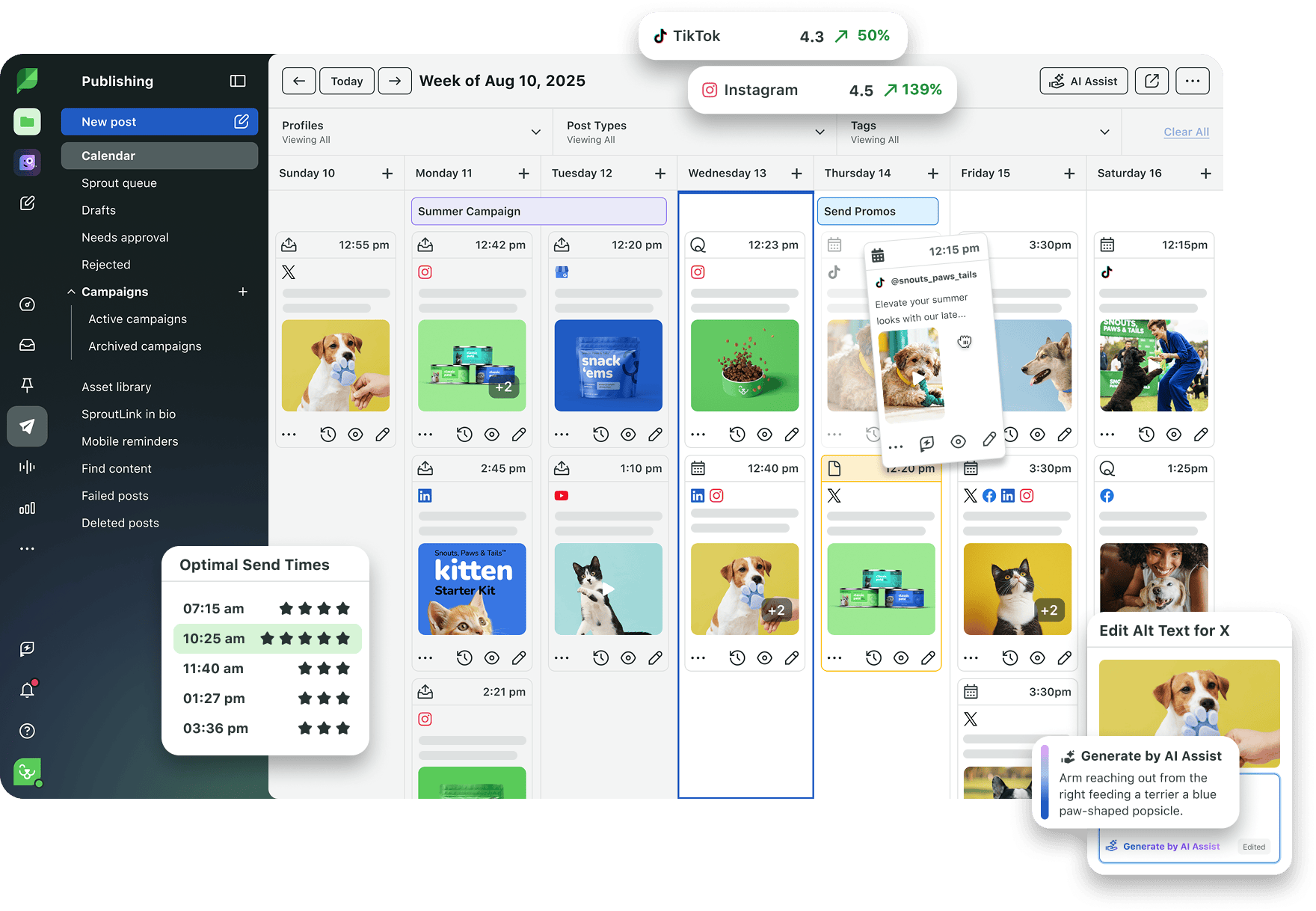
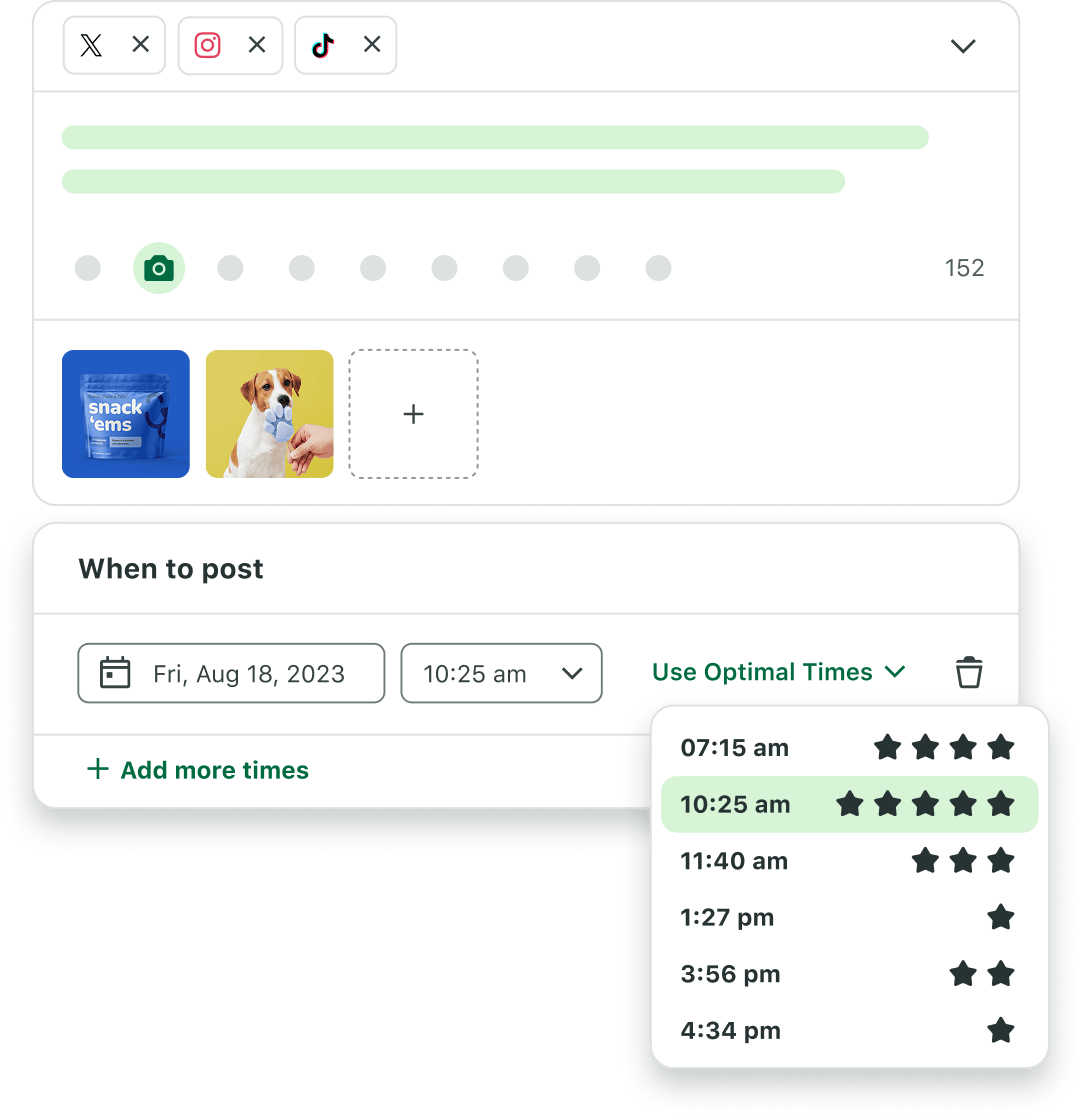
- Centralized Compose Window: Instead of writing posts inside native apps, marketers use a single window to draft content. They can customize captions and media for every platform simultaneously, saving hours of repetitive work.
- Optimal Send Times: Utilizing "ViralPost®" AI technology, the platform analyzes historical audience engagement patterns to suggest the exact moment a post should go live to maximize reach—a feat that is impossible to achieve manually.
- Integrated Creative Workflows: By integrating with Canva, Google Drive, Dropbox, and Adobe, the platform eliminates the need to download and re-upload assets, keeping the creative process fluid.
Implications: The Strategic Pivot
The transition to a unified management tool has profound implications for a brand’s marketing health. When a team stops acting as "content publishers" and starts acting as "strategic planners," the nature of their work changes.
1. Reclaiming Time for Strategy
By automating the logistics of scheduling and cross-posting, the team gains the "mental white space" required to perform audience research and content audits. Instead of asking, "Did we post this?" they can ask, "Why did this resonate with our audience?"
2. Standardizing the Brand Voice
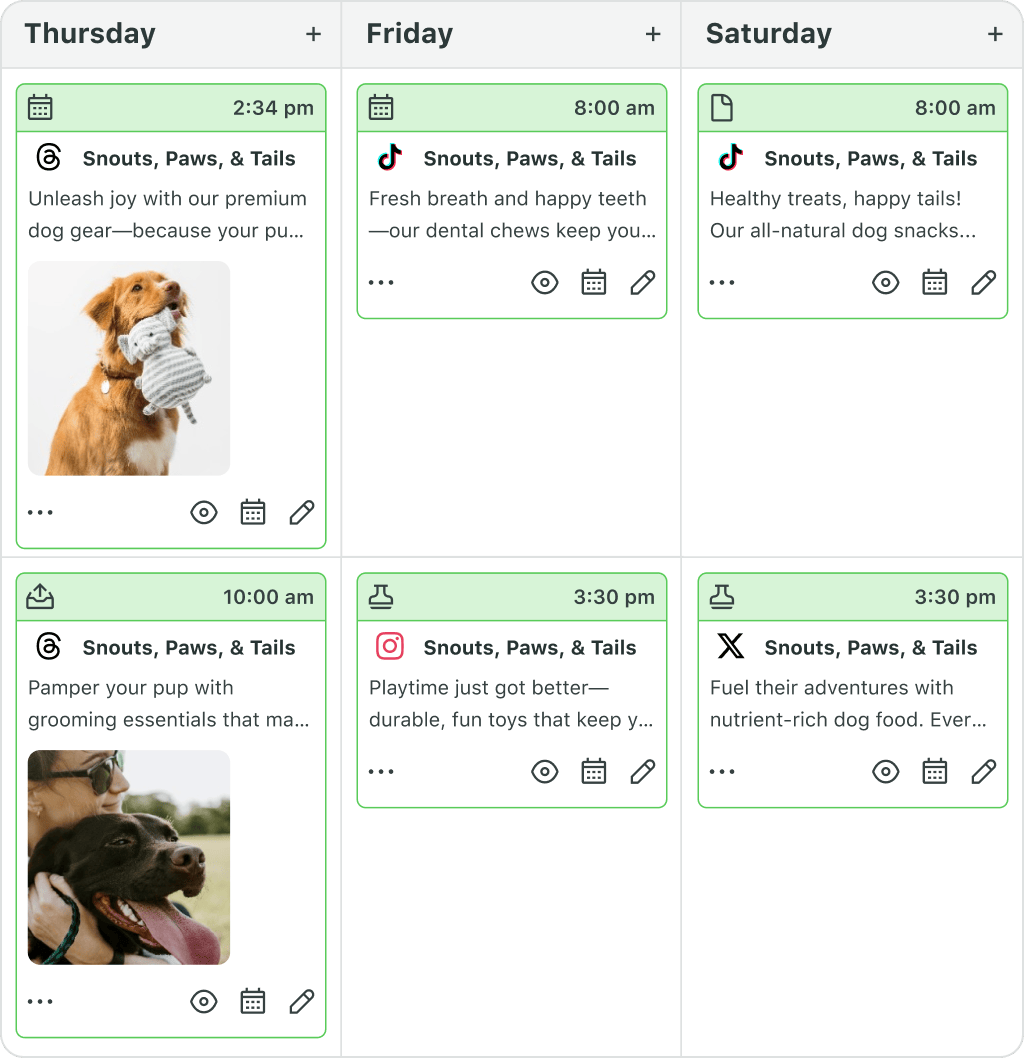
"Brand drift" occurs when different team members, or even the same person on different days, apply different tones to their social content. When every post is composed within a single tool, it is significantly easier to maintain a consistent brand identity. Centralized calendars ensure that the content mix—the balance between educational, promotional, and community-focused posts—remains intentional.
3. Demonstrating ROI to Leadership
Reporting is no longer an end-of-month chore; it is a real-time capability. With unified reports, marketers can prove the value of social media by demonstrating which platforms drive the most traffic and which content formats yield the highest engagement. This visibility is essential for securing future budgets and headcount.
How to Identify When You Have Outgrown Your Current Tools
If you are currently questioning whether your team is ready for an upgrade, look for these five "red flags" in your daily workflow:
- Logistics over Strategy: If you spend your morning logging into five different apps rather than planning your next campaign, you are managing a platform, not a brand.
- The "Reporting Scramble": If a request from a stakeholder for "last month’s performance" fills you with dread, your tools are not working for you.
- Data Inconsistency: If you have multiple spreadsheets containing conflicting engagement numbers, you lack a single source of truth.
- Creative Friction: If you are constantly emailing assets to yourself or jumping between cloud storage and native apps to find the right file, you are creating unnecessary friction.
- Guesswork Scheduling: If you are still posting content based on "gut feeling" or industry averages rather than your own audience’s specific engagement data, you are likely missing out on significant reach.
Conclusion: The Path Forward
The brands that rise to the top of their industries are rarely those that simply post the most. They are the brands that operate with the most efficiency. They invest in systems that allow them to scale their output without increasing their stress levels.
For those stuck in the manual, native-only trap, the shift to a platform like Sprout Social Essentials is a definitive step toward professionalization. By removing the administrative burdens of social media management, teams can finally focus on the one thing that matters most: building genuine, high-impact connections with their audience.
To see the difference in practice, many teams are opting to take advantage of the 30-day free trial of Sprout Social Essentials. By testing the unified dashboard for one month, marketers can see exactly how much time they have been leaving on the table and how much more they can achieve when their tools are as ambitious as their goals.


 Reynand Wu
 Iffa Jayyana
 Raul Delapena Setiawan

 Sagoh
Sagoh

 Azzam Bilal Chamdy
 Ali Ikhwan