
 Asro
Asro
In the digital retail landscape, the arrival of a major shopping season—be it Black Friday, the winter holidays, or the start of summer—is often marked by a familiar, frantic pattern. Inboxes transform into digital battlefields where brands fight for supremacy through aggressive discounting and urgent, high-pressure subject lines. Phrases like "50% OFF EVERYTHING," "LAST CHANCE," and "DON’T MISS OUT" dominate the landscape. Yet, for many consumers, this cacophony of commerce results in a predictable response: the delete button.
The challenge for modern entrepreneurs is clear: how to cut through the noise without becoming part of it. Seasonal email marketing does not have to feel like a desperate pitch. When executed with precision and empathy, these campaigns serve as powerful touchpoints that strengthen brand loyalty, drive consistent revenue, and leave customers genuinely eager to open your messages. The transition from "salesy" to "smart" is the defining hurdle for businesses looking to scale in an era of inbox fatigue.
The Foundation: Strategic Planning and Calendar Management
If a business is scrambling to draft a Valentine’s Day promotion on the morning of February 13th, the campaign has arguably failed before it was sent. Professional email marketing requires a shift from reactive communication to proactive, long-term planning.
The most effective seasonal strategies are constructed months in advance. This involves more than simply marking dates on a calendar; it requires building a comprehensive content roadmap that identifies the specific moments that resonate with your target audience. Not every "National Day" warrants a campaign—unless your product is intrinsically linked to the occasion—but identifying the key high-traffic moments is essential.
The Give-and-Take Philosophy
A vital rule of thumb for sustainable email marketing is the "give-and-take" ratio. For every promotional email intended to drive a direct transaction, a brand should aim to send at least two emails focused on education, entertainment, or inspiration.
This approach builds a reservoir of trust. By providing value without asking for a commitment, you condition your audience to anticipate your emails rather than dreading them. Psychologically, when a subscriber consistently receives helpful content, they are significantly more predisposed to convert when a promotional offer finally arrives.
The Narrative Advantage: Leading with Storytelling
One of the most common pitfalls for founders is leading with the discount. While a "30% off" banner is direct, it is also indistinguishable from the dozens of other messages flooding the consumer’s inbox. When every brand shouts the same message, none of them stand out.
Instead, successful brands lead with a narrative. Storytelling creates a personal connection that justifies the sale. Rather than announcing a summer sale with a generic headline, a brand might frame the message around the "long, sun-drenched weekends" for which their product was designed. By providing context and personality, the discount shifts from being the primary focus to a "cherry on top."
Research underscores the efficacy of this method: studies suggest that audiences retain approximately 63% of information presented through stories, compared to a mere 5% retention rate for standalone statistics. By weaving the product into a relatable story, brands ensure their message lingers in the reader’s mind long after the email has been closed.
Precision Through Segmentation
A critical failure in email marketing is the "one-size-fits-all" approach. Sending the exact same message to a new lead, a loyal repeat customer, and an inactive subscriber is akin to sending the same gift to a stranger and a spouse.
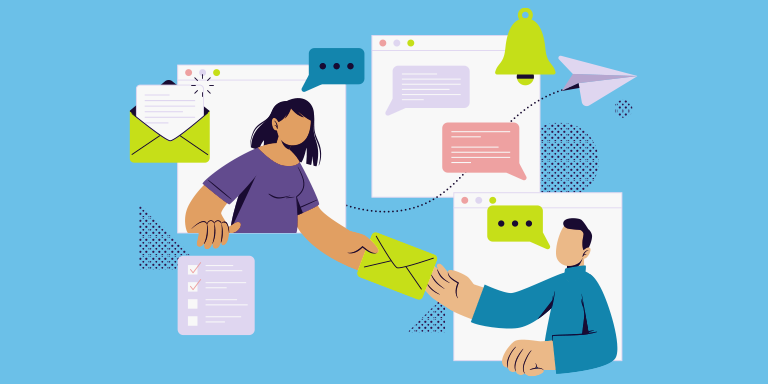
Segmentation is the antidote to "salesy" messaging. By dividing a mailing list based on specific criteria—such as purchase history, engagement frequency, or browsing behavior—brands can tailor their communication to be hyper-relevant.
- New Subscribers: Benefit from brand-story messaging and introductory education.
- Loyal Customers: Are better served by exclusive access, early-bird invitations, or personalized loyalty rewards.
Sophisticated, user-friendly tools have made complex segmentation accessible to solo founders. By utilizing these tools, marketers can move away from the impersonal "Dear Valued Customer" template and toward a dialogue that feels curated for the individual.
Engineering Urgency Without Desperation
Urgency is a powerful psychological trigger in marketing, but there is a distinct line between fostering excitement and triggering anxiety. Tactics such as "FINAL HOURS" or "You’ll regret missing this" often mirror the behavior of high-pressure sales tactics that consumers have learned to distrust.
Authentic urgency relies on exclusivity rather than panic. Methods such as:
- Early Access: Granting your most engaged subscribers a window to shop before the general public rewards their loyalty and creates a sense of privilege.
- Genuine Scarcity: Limiting stock on a seasonal release is a factual constraint that customers respect. If a product is genuinely only available for a short time, the urgency is inherent, not manufactured.
The success of brands like Luu Lounge highlights this strategy. By building anticipation through transparent communication and countdowns before a product drop, the brand converts the audience into a waiting, eager community. They aren’t chasing customers with desperate subject lines; they are fulfilling a demand that they have carefully nurtured.
The Role of Automation in Scaling
As a business grows, manual management of seasonal campaigns becomes unsustainable. Automation is the bridge between a labor-intensive strategy and a profitable, efficient one. By automating the "heavy lifting"—such as welcome sequences, abandoned cart reminders, and post-purchase follow-ups—founders can reclaim time to focus on product development and high-level strategy.
Modern platforms like Omnisend have simplified the integration of these systems, allowing even the smallest teams to deploy enterprise-level automation. This technology ensures that the right message reaches the right person at the right time, regardless of the founder’s daily schedule.
Implications for the Future of Retail
The evolution of email marketing suggests a permanent shift toward human-centric communication. As AI and machine learning continue to advance, the ability to personalize content will only become more refined. However, the core requirement remains unchanged: the need to treat subscribers as individuals rather than data points.
The brands that will thrive in the coming years are those that recognize the inbox as a privileged space. Every email sent is a request for a user’s time and attention. By prioritizing quality content, respecting subscriber boundaries, and fostering genuine excitement, businesses can transform seasonal spikes into consistent, sustainable growth.
Key Takeaways for Founders
- Plan Ahead: Build a seasonal calendar that balances promotional content with educational value.
- Prioritize Story: Contextualize your products to build emotional resonance.
- Segment Intelligently: Use data to ensure your messaging aligns with the customer’s journey.
- Authentic Urgency: Use exclusivity and early access to drive action rather than fear-based messaging.
- Leverage Automation: Utilize technology to scale your efforts without sacrificing personal touch.
In summary, seasonal campaigns are not about shouting the loudest; they are about being the most relevant. When a brand treats its subscribers with respect and provides genuine value, the result is not just a seasonal revenue spike, but a deeper, more enduring customer relationship.


 Nila Kartika Wati
 Asep Darmawan
 Jia Lissa
 Basiran
 Sagoh
Sagoh

 Lina Hope