
 Ammar Sabilarrohman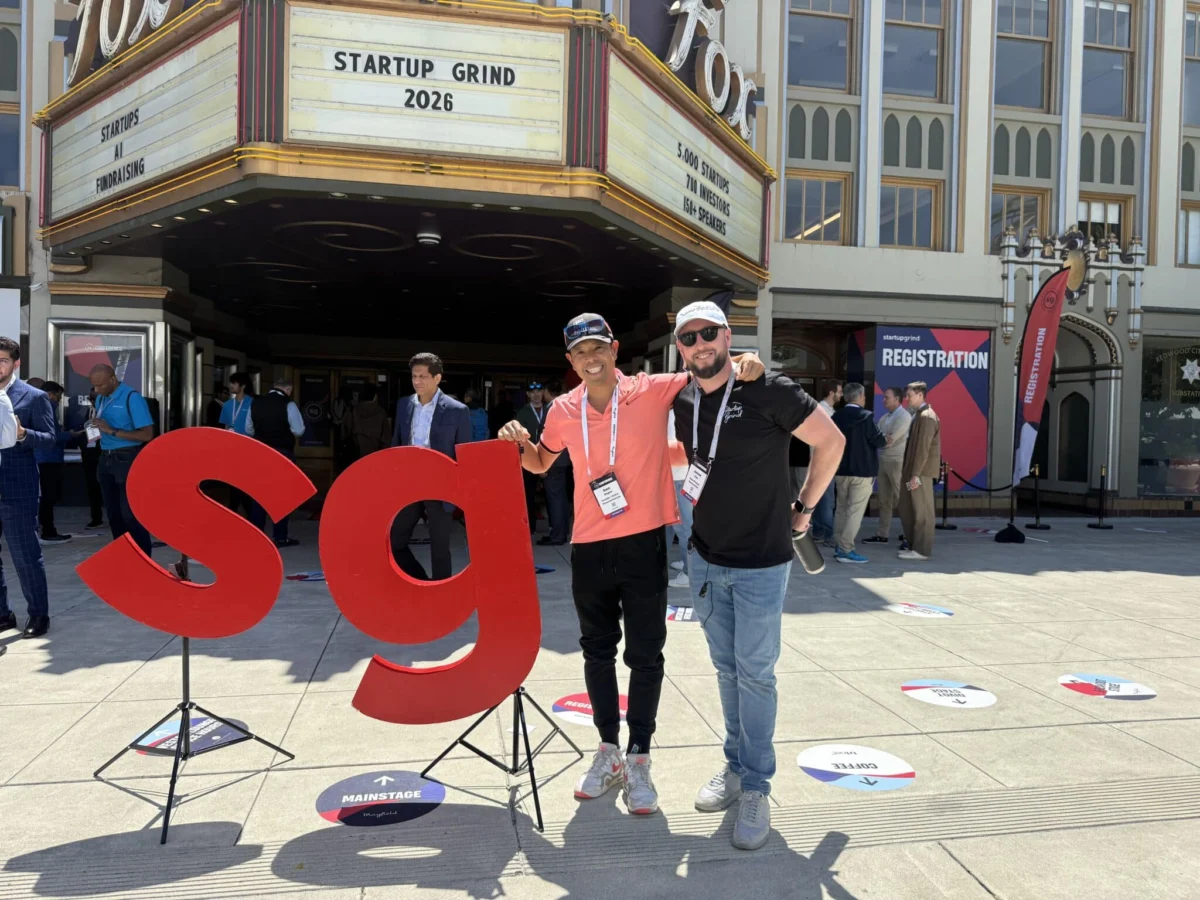
The landscape of American entrepreneurship is undergoing its most profound transformation since the dawn of the internet. For decades, the San Francisco Bay Area has served as the global epicenter for innovation, weathering the dot-com bust, the rise of social media giants, and the subsequent real estate boom. Today, however, the region is pulsating with a different frequency: the relentless, high-stakes velocity of the artificial intelligence revolution.
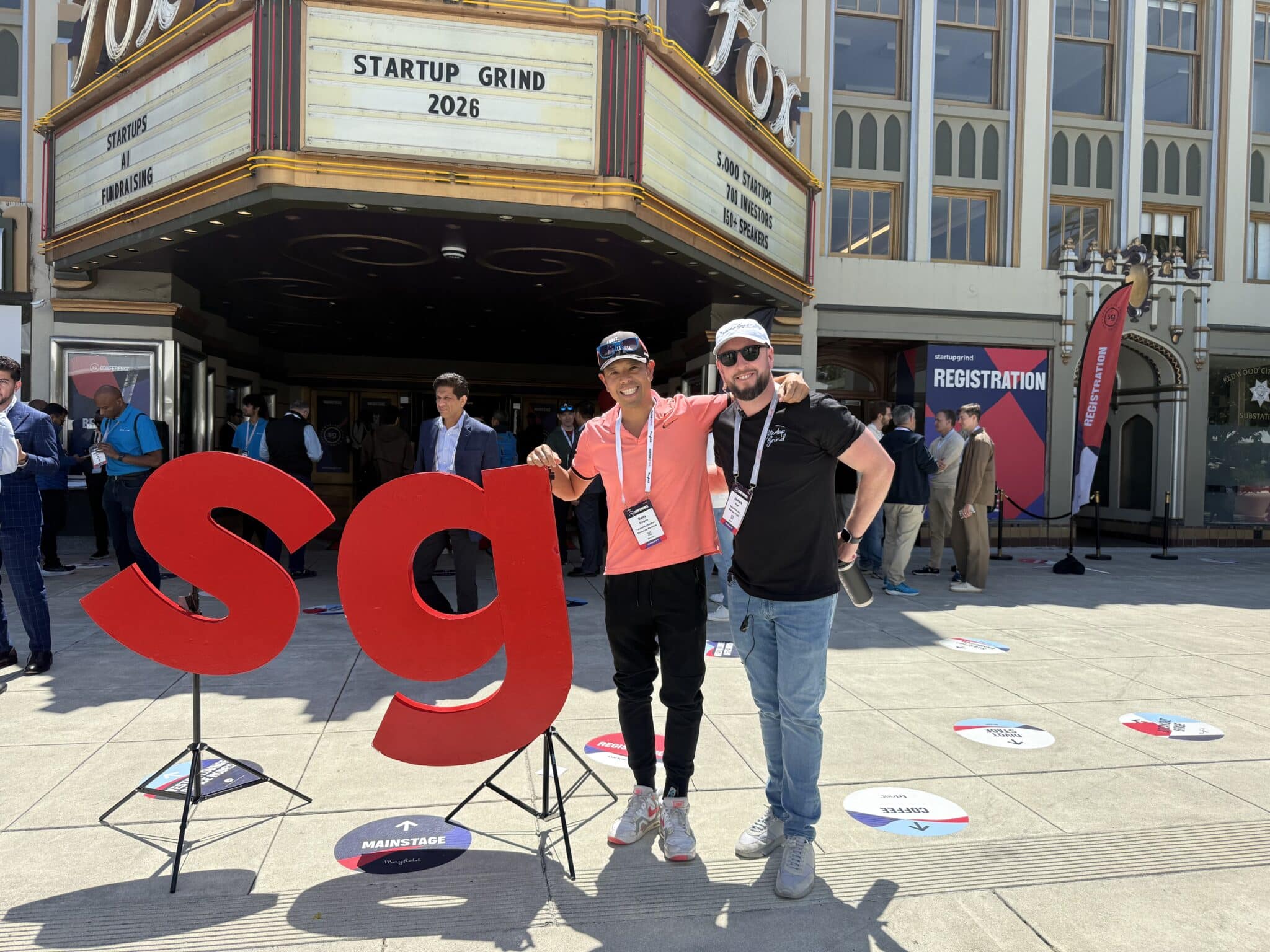
For those who have spent years on the sidelines—or those who opted for the stability of traditional corporate paths—the current moment feels less like a trend and more like an industrial sea change. To understand where the economy is headed, one must look at the founders in the trenches. Recently, at the 2026 Startup Grind conference held at the historic Fox Theatre in Redwood City, the message was clear: if you are not betting on an AI-native future, you are already falling behind.
The Evolution of an Entrepreneurial Mindset
The journey of an entrepreneur often begins with a spark of curiosity. For many, it starts young—a rudimentary lesson in supply and demand, like reselling candy in a foreign market. Yet, the path to innovation is rarely linear.
In 1999, the allure of a lucrative career at Goldman Sachs proved more tempting than the uncertainties of managing an eyeglass factory in a rapidly opening China. That choice, while financially sound at the time, left behind a lingering question: What if?
By 2009, against the backdrop of the global financial crisis, that "what if" finally materialized into the creation of Financial Samurai. Born as a hedge against the instability of the era, the platform became a cornerstone for the Financial Independence, Retire Early (FIRE) movement. Yet, as the platform grew, a philosophical tension emerged. The pursuit of total financial independence often clashes with the aggressive, "win-at-all-costs" mentality required by venture-backed startups. If one is already "free," the incentive to grind 15 hours a day to maximize corporate growth vanishes. However, the emergence of AI has reframed this dynamic entirely.
Chronology of a Tech Transformation
To understand the urgency of the present, one must trace the timeline of the current AI surge:

- 2022–2023: The launch of transformative Large Language Models (LLMs) like ChatGPT acts as a catalyst, rendering traditional white-collar tasks—from copy editing to legal analysis—vulnerable to automation.
- 2023–2024: Early-stage investors begin shifting capital away from legacy SaaS models toward AI-native startups.
- 2025–2026: The "AI Maximalist" philosophy takes root, as the disparity between AI-native companies and legacy firms becomes an unbridgeable chasm.
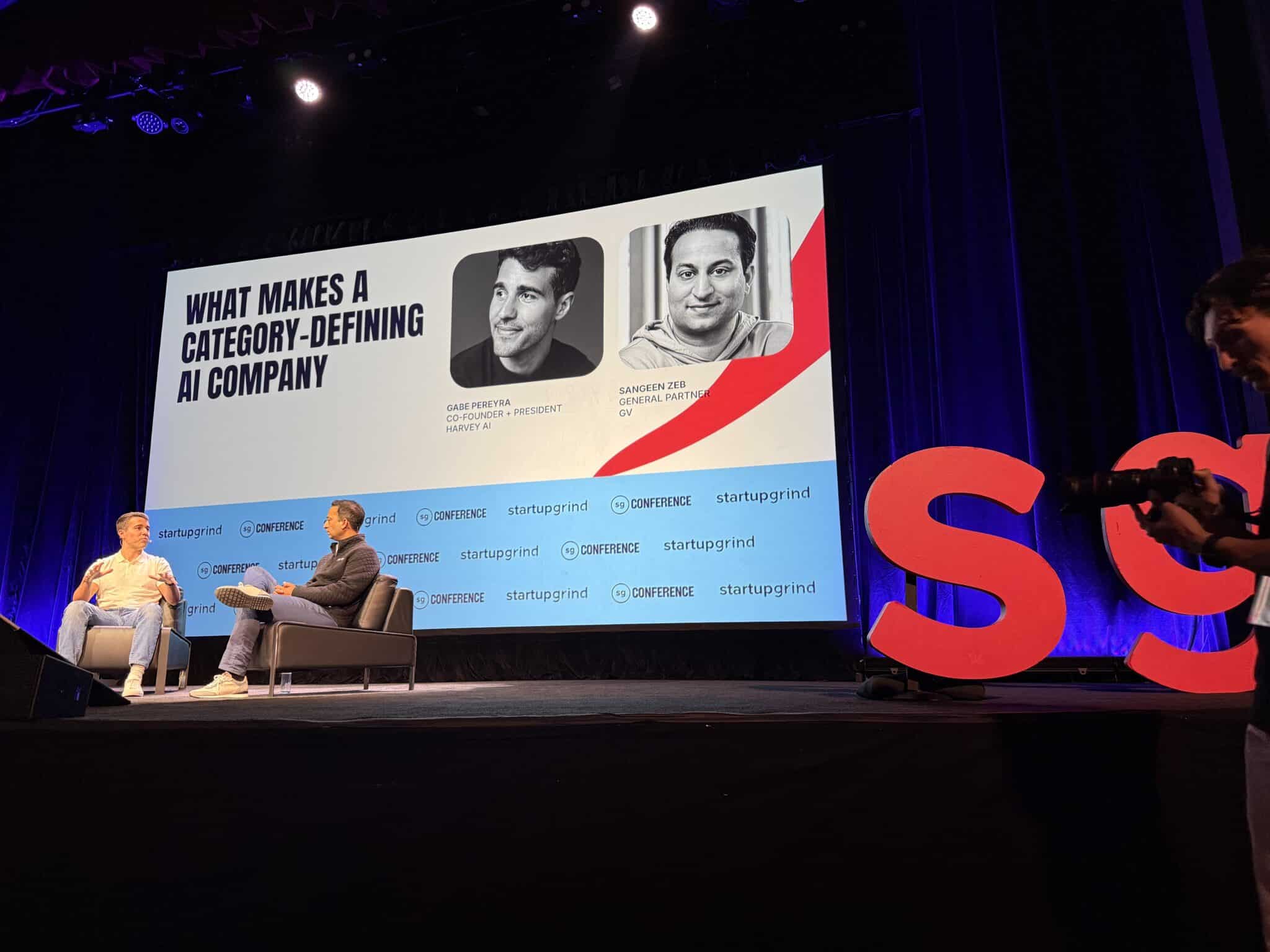
The Startup Grind conference served as a microcosm of this timeline. With speakers ranging from seasoned venture capitalists to founders of multi-billion dollar AI-native firms like Harvey AI, the event showcased a shift in priorities: talent, grit, and speed are now the primary currencies of the modern economy.
The New Pillars of Success: Grit and Geography
Modern startup success is no longer dictated by pedigree or legacy credentials. In the current climate, five core principles have emerged as the new standard for business viability:
1. Grit Outweighs Intelligence
High intelligence is now a commodity. With AI serving as a force multiplier for analytical tasks, the differentiator is human tenacity. The founders who succeed are those who refuse to accept failure, who pivot with agility, and who maintain the "grit" to iterate until a breakthrough occurs.
2. The Necessity of the "Action Hub"
There is a prevailing myth that one can build the next unicorn from anywhere. While remote work has its merits, the concentration of human and financial capital in the Bay Area remains unparalleled. In-person networking, chance encounters at local tech events, and the shared intensity of the regional culture provide a structural advantage that cannot be replicated digitally. Founders like Gabe Pereya of Harvey AI, who relocated to San Francisco to be in the "AI mix," attribute their multi-billion dollar valuations directly to being in the heart of the ecosystem.
3. The Three-Second Hook
In an age of hyper-shortened attention spans, the ability to capture interest in the first three to five seconds is a survival skill. Whether it is a product pitch or content creation, if you cannot hook your audience immediately, the opportunity is lost.
4. Hire for Agency and Taste
Amjad, the CEO of Replit, emphasizes that hiring should prioritize "agency"—the internal drive to solve problems—and "taste"—the discernment of what constitutes a quality product—over traditional resumes. In the AI era, where building is cheaper and faster, the individual’s ability to execute is more important than their academic background.
5. Build AI-Native or Do Not Build
Legacy companies are burdened by outdated infrastructure and massive headcounts. AI-native companies, conversely, are built to scale with efficiency. Investors are increasingly viewing traditional SaaS companies as value traps; their terminal value is being challenged by the speed at which AI-native competitors are capturing market share.
The Global Talent Migration
A striking trend observed at the recent Startup Grind conference was the international composition of the founder class. The Bay Area has become a global magnet for the brightest minds from around the world. These founders bring a unique blend of technical expertise and hunger, often mirroring the demographic shifts seen in top-tier research universities.
For domestic American builders, the challenge is clear: competition is global. To stay relevant, American founders must adopt an "American Nerd" approach—a combination of maximum grit and deep technical focus. The era of resting on the laurels of local market dominance is over.
Implications for the Investor
For the individual investor, the "AI Maximalist" thesis is a call to action. It suggests that allocating capital solely to traditional, broad-market indices may be an insufficient strategy in a world undergoing a massive, AI-driven productivity shift.
However, accessing the private AI market is notoriously difficult. It requires access to exclusive venture rounds or the selection of funds with a specific, high-conviction AI focus. The realization for many has been that they were not bullish enough. As the total addressable market for AI encompasses virtually every sector of the U.S. labor force, the ripple effects are expected to be felt for decades.
Furthermore, there is a physical dimension to this digital shift. As companies grow, they require the infrastructure to support them. Real estate, in the regions where these AI hubs are located, remains a fundamental way to capture the growth of the broader ecosystem.
A Final Assessment: Bubble or Reality?
Is the San Francisco Bay Area living in an AI bubble, or is the rest of the world dangerously unaware of the seismic shift occurring? The evidence suggests the latter. While the rest of the country focuses on the cyclical nature of traditional sectors, the startup ecosystem is building a new, AI-integrated reality.
The correlation between hard work and reward has not disappeared; it has simply evolved. Today’s founders are working long hours to build systems that will fundamentally change how society functions. For those looking to participate in this future, the path forward requires more than just capital—it requires a commitment to being where the action is, a willingness to embrace the AI-native model, and the grit to endure the volatility of a world in transition.
As we look toward the future, the question is not whether AI will change the world, but whether you are positioned to benefit from that change. Whether through direct investment, entrepreneurship, or personal financial management, the time for passive observation has passed. The AI era is not coming; it is already here.


 Jia Lissa
 Raul Delapena Setiawan
 Nila Kartika Wati

 Basiran
 Sagoh
Sagoh

 Lina Hope