
 Asro
Asro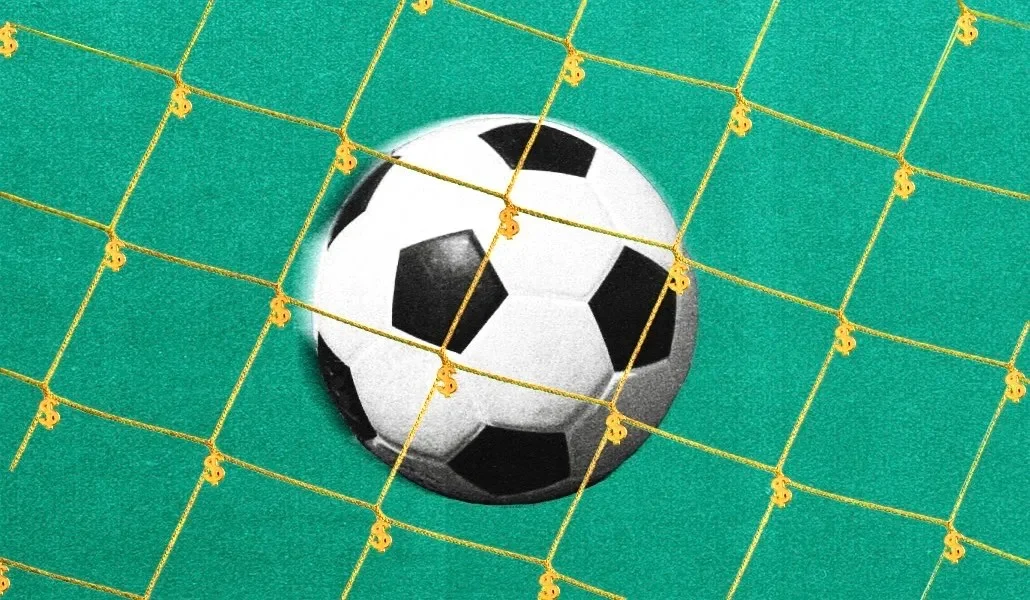
As the world prepares for the 2026 FIFA World Cup—the most anticipated sporting event in North American history—the marketing landscape is shifting. While official sponsors pay hundreds of millions for the right to use the FIFA logo, Heineken USA is executing a masterclass in “ambush” or context-driven marketing. By increasing its soccer-related marketing spend by a staggering 189% year-over-year, the brewing giant is positioning itself as the de facto "Official Beer of Soccer," proving that in the modern retail landscape, cultural relevance often beats official exclusivity.
The Strategy: Betting Big on the Beautiful Game
Heineken’s aggressive push into the soccer ecosystem is not a sudden pivot but the culmination of a long-term strategic vision. Despite not holding an official partnership with FIFA for the 2026 tournament, the brand has successfully trademarked the phrase "the official beer of soccer," a move that serves as a cornerstone of their current branding.
The company is capitalizing on a massive "summer of soccer" that includes the UEFA Champions League finals and the impending World Cup, which will span the U.S., Canada, and Mexico from June 11 to July 19. To meet this moment, Heineken has unveiled a multi-tiered campaign centered on the "Fans Have More Friends" brand platform. This initiative is designed to highlight the unique social nature of soccer, moving away from cold, product-focused advertising toward emotionally resonant, community-driven experiences.
Chronology of a Soccer Powerhouse
Heineken’s relationship with soccer is deeply ingrained, spanning three decades of strategic sponsorships.
- 1990s–2020s: Heineken established itself as a global soccer staple through long-standing partnerships with the UEFA Champions League, Major League Soccer (MLS), and the International Champions Cup. These relationships helped the brand cement its association with high-level professional play.
- 2019: The company filed for the trademark of "The Official Beer of Soccer," signaling its intent to dominate the category’s narrative, independent of specific tournament licenses.
- 2024–2025: As the 2026 World Cup approached, the brand began ramping up its "Fans Have More Friends" creative platform, launching social experiments to test the power of fandom in bringing strangers together.
- January 2026: The official launch of the campaign saw viral marketing activations, such as the Central Park Tavern event in New York City, where creator Zac Alsop successfully converted strangers into soccer-watching friends over a Heineken.
- May 2026: As the UEFA Champions League reached its climax, Heineken saturated retail environments with limited-edition aluminum bottles and soccer-themed point-of-sale displays.
- June–July 2026: The current "Summer of Soccer" push is in full swing, with watch parties planned in Los Angeles, Houston, Philadelphia, New York City, Miami, and Dallas.
Supporting Data: Why the Investment Makes Sense
The decision to boost spending by 189% is rooted in hard data regarding the sport’s growth in the United States. Soccer is currently one of the fastest-growing spectator sports in the U.S., with demographics that lean toward the high-value, beer-drinking age bracket.
According to Heineken USA’s Chief Marketing Officer, Alison Payne, the sport represents a "massive passion point" that correlates directly with increased social consumption. The company’s internal data suggests that soccer matches are among the most significant "beer-drinking occasions," characterized by communal viewing habits.
Furthermore, the retail impact is being carefully managed. By distributing limited-edition 12-packs and 24-packs through major retail partners like Publix, Heineken is ensuring that its physical presence matches its digital hype. The brand has also optimized its on-premise strategy; by providing select bars—particularly those in cultural hubs like "Little Brazil" in New York—with promotional kits including neon signs and pennants, they are capturing international tourists who expect to see the brand synonymous with the sport they grew up watching.
Official Responses and Corporate Philosophy
The brand’s leadership is clear about the shift in marketing philosophy. Instead of leaning on the prestige of an official FIFA sponsorship—which can be restrictive and costly—Heineken is leaning into the experience of the fan.

"Soccer is a massive passion point for consumers, and we know it’s only going to increase in popularity," Payne explained to Modern Retail. "This is a huge beer-drinking occasion because fans get together to watch their favorite team live. We know that it’s going to be a really big beer-drinking occasion for Heineken as well."
The "Fans Have More Friends" initiative is more than just a slogan; it is an attempt to turn the brand into a facilitator of human connection. This is best exemplified by their Volunteer Time Off (VTO) program. By organizing park clean-ups and food bank visits that culminate in group match viewings, Heineken is integrating itself into the daily lives of its consumers rather than just shouting at them from a billboard.
Implications: The Death of Traditional Sponsorship?
Heineken’s strategy carries significant implications for the broader marketing industry. As advertising platforms become more fragmented, the value of traditional, top-down sponsorship is being challenged by brands that prioritize cultural agility.
The Expert View
Industry analysts believe that Heineken’s approach is the new gold standard for major events. Adam Singer, VP of Marketing at AdQuick, notes that campaigns focusing on camaraderie rather than "product-feature messaging" will consistently outperform their rivals. "People aren’t thinking about themselves as consumers in these moments," Singer said. "They’re thinking about being part of something bigger. The brands that mirror that feeling win."
Lucy Kriz, SVP of Global Brands at Criteo, echoes this sentiment, arguing that the modern consumer is weary of status-heavy, "official" messaging. Instead, consumers gravitate toward brands that play a "natural role" in their lives. "If the message feels authentic and gives the brand a natural place in how people watch and celebrate, that is what is most likely to stick," Kriz stated.
The Broader Market Landscape
Heineken is not alone in its quest to capture the World Cup spirit without the official label. The "World Cup economy" has created a ripple effect across retail:
- Lay’s: Leveraging the tournament by featuring soccer icons on potato chip bags in Canada.
- Adidas: Launching specialized jersey kits months in advance to capture the early-adopter market.
- Stanley 1913: Introducing a "Fútbol Artist Collection" of drinkware, proving that even non-traditional brands are looking to capture the athletic fervor of the season.
Conclusion: A Blueprint for the Future
Heineken’s 2026 strategy serves as a compelling case study for brands operating in a world where attention is the scarcest commodity. By choosing to invest in the fan experience—through watch parties, volunteerism, and localized retail activations—the brand has bypassed the need for official logos.
As the summer progresses, the true test will be whether this high-spend, community-first approach translates into sustained market share. However, by aligning itself with the emotional core of the sport—the friendships formed on the couch or at the bar—Heineken has already secured a victory in the minds of soccer fans, proving that you don’t need a license to be part of the game; you just need to understand why people love it in the first place.

 Reynand Wu
 Iffa Jayyana
 Raul Delapena Setiawan

 Sagoh
Sagoh
 Azzam Bilal Chamdy
 Ali Ikhwan