
 Nana Wu
The digital landscape is undergoing a tectonic shift. For over two decades, the "blue link" model of search engine optimization (SEO) has served as the bedrock of digital marketing. However, the rise of AI-powered answer engines—such as ChatGPT, Google AI Overviews, Perplexity, and Gemini—has fundamentally altered how consumers discover, evaluate, and choose brands.
For many marketing teams, this transition feels abrupt, even existential. Yet, the audience has not vanished; they have simply migrated to a channel where a brand’s presence is binary: you are either cited in the AI-generated answer, or you are effectively invisible. This is the era of Generative Engine Optimization (GEO).
The Evolution of Search: From Links to Logic
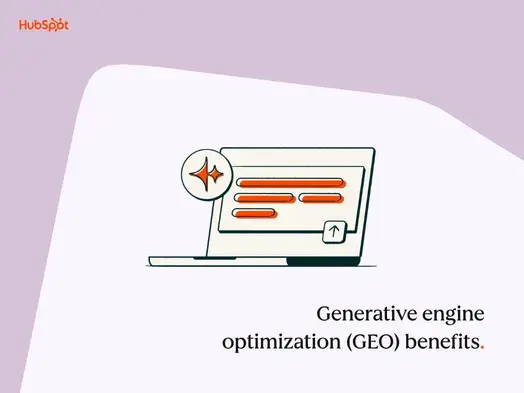
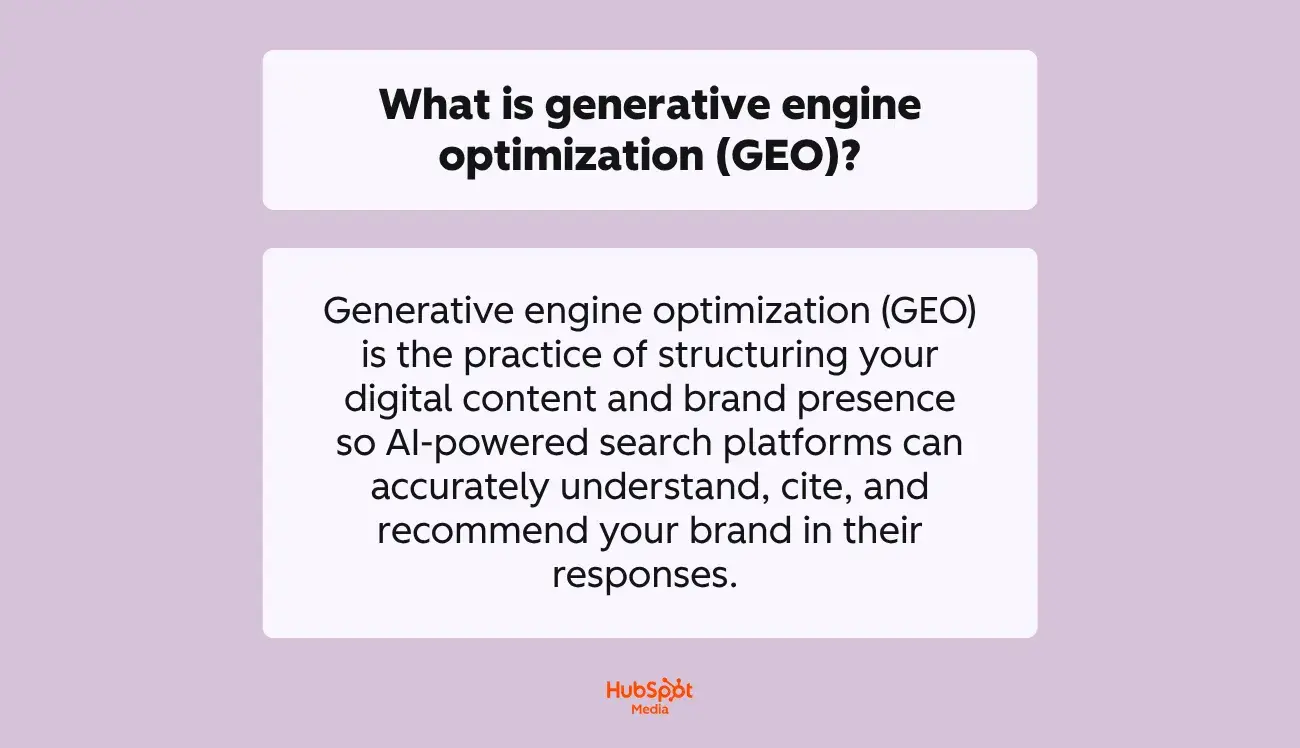
Generative Engine Optimization is the practice of structuring digital content and brand identity to ensure that AI platforms can accurately understand, cite, and recommend a company within their conversational responses. While traditional SEO focuses on keyword density, backlink profiles, and domain authority to achieve a high rank in a list, GEO focuses on entity resolution, structured data, and the delivery of high-confidence, machine-readable facts.
Crucially, GEO does not render traditional SEO obsolete. Instead, it serves as a sophisticated evolution of it. According to the 2026 State of Marketing Report, while 49% of marketers acknowledge that web traffic from traditional search has declined due to the prevalence of AI answers, 58% of those same professionals report that the traffic arriving via AI referrals exhibits significantly higher intent and conversion rates.
Chronology of the Shift
- The Search Era (1998–2022): The dominance of the "Ten Blue Links." Success was defined by ranking for high-volume keywords and accumulating external backlinks.
- The Transition (2023–2024): The emergence of Large Language Models (LLMs) and the experimental integration of generative search features. Marketers began noticing a decline in organic click-through rates (CTR) as AI-generated summaries began occupying prime "above-the-fold" real estate.
- The GEO Era (2025–Present): AI-first discovery becomes the standard. Search engines and conversational agents now prioritize synthesis over redirection. Brands that fail to provide clear, structured entity data are systematically excluded from the narrative.
Supporting Data: The Measurable Impact of GEO
The transition to GEO is not merely a speculative trend; it is backed by concrete metrics that suggest early adopters are gaining a distinct competitive advantage.
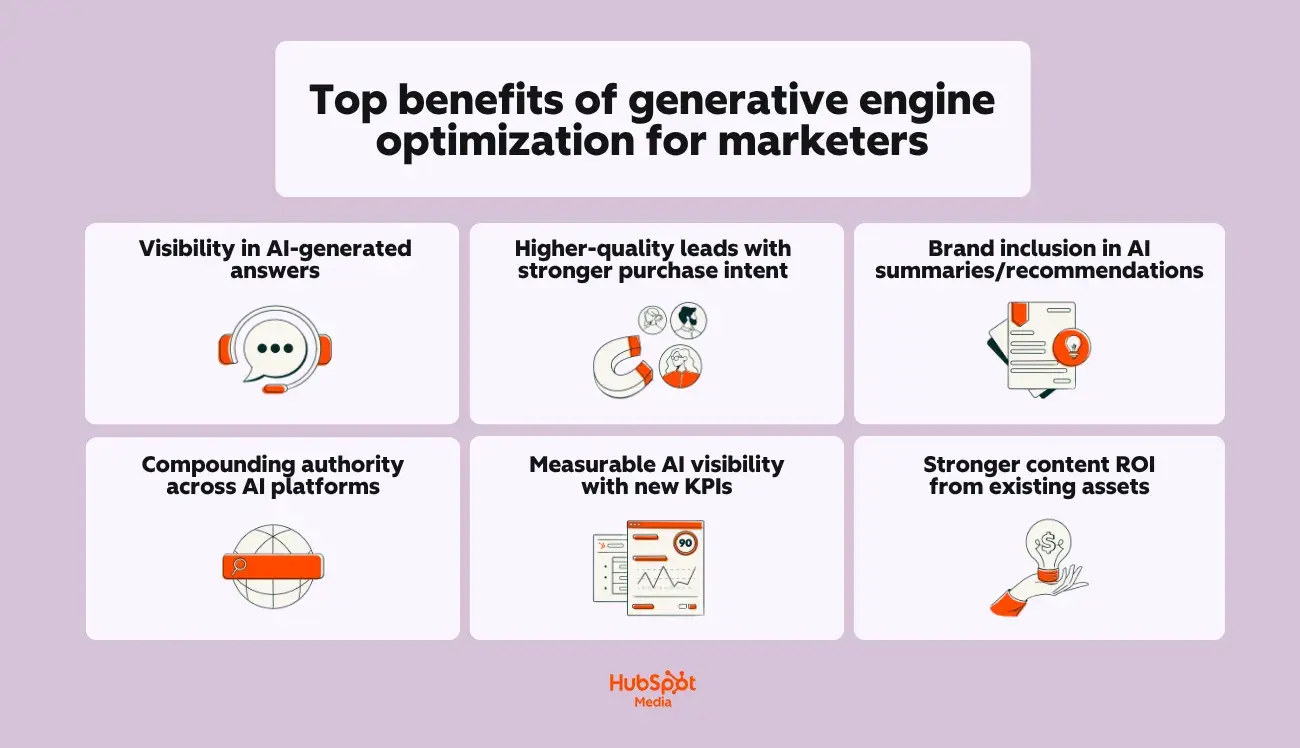
Research indicates that traffic originating from AI-cited sources converts at a rate 4.4 times higher than traditional organic search. This is because the AI has effectively acted as a top-of-funnel filter, providing the user with context, comparisons, and initial recommendations before they ever click through to a brand’s website.
Furthermore, the "citation flywheel" effect is becoming increasingly apparent. When a brand establishes authority within one model—such as ChatGPT—it often sees a corresponding increase in inclusion across others, including Perplexity and Google’s AI Overviews. This is because these models draw from overlapping training datasets and verification sources. By optimizing for "entity authority," brands can create a compounding cycle of visibility that rewards proactive, structured content strategies.
Addressing the Challenges of the AI Transition
Despite the clear benefits, 67% of digital marketers report that GEO tracking is significantly more complex than traditional SEO. The primary obstacles include:

- Data Fragmentation: Many brands suffer from inconsistent information across their digital footprint (e.g., conflicting data on LinkedIn, Google Business, and official websites). AI engines interpret these discrepancies as low "entity confidence," leading to inaccurate representation or complete omission.
- AI Hallucination: Because LLMs predict text rather than retrieving database facts, they can occasionally generate confident but incorrect claims about a brand. Proactive schema markup is the most effective defense against this, as it provides the model with verified "ground truth" data.
- The Measurement Gap: Traditional metrics like impressions and rankings are insufficient for GEO. Instead, marketers must track "Share of Voice in AI Responses," "Citation Frequency," and "Sentiment in AI Summaries."
Practical Implementation: A Roadmap for Marketers
For teams looking to move from apprehension to action, the implementation of a GEO strategy can be broken down into a systematic, seven-step framework.
1. Establish an AI Visibility Baseline
Before attempting to optimize, you must quantify your current standing. Utilize tools such as HubSpot’s AEO Grader to benchmark your brand’s visibility against competitors. Perform manual "stress tests" by asking AI engines common industry queries to see if, and how, your brand is characterized.
2. Restructure Content for AI Extraction
AI engines scan for direct, extractable answers. Content should be restructured to lead with factual claims, question-based headings, and concise summaries (ideally within the first 40–60 words of a section). By providing "answer-ready" snippets, you increase the likelihood of being cited.
3. Implement Core Schema Markup
Structured data is the translation layer between your content and AI systems. Prioritizing Organization, Product, and FAQ schema types allows AI to parse your brand identity without ambiguity. Utilizing JSON-LD in the document head remains the gold standard for clean, machine-friendly parsing.
4. Isolate AI Referral Traffic
Modern analytics platforms, specifically GA4, allow for the creation of custom channel groups. By isolating traffic from AI referral sources, marketers can accurately measure the ROI of their GEO efforts, effectively justifying the shift in resources from legacy SEO.
5. Cultivate External Entity Authority
AI platforms prioritize independent verification. A brand’s own website is insufficient to establish total authority. Marketers should focus on securing mentions in high-authority third-party publications, industry reports, and verified professional databases, which serve as "trust signals" for AI crawlers.
6. Integrate GEO into Existing Workflows
GEO is not a replacement for content marketing; it is a refinement of it. Integrate GEO audits into the existing content creation process. Before publishing, ensure every asset has a clear "answer" component and the necessary schema, preventing the need for massive retrofitting later.
7. Continuous Monitoring and Iteration
AI models are dynamic and update their training data regularly. A monthly cadence of review is essential. Track your citation frequency, monitor for brand sentiment shifts, and adjust your content based on the new queries surfacing in AI search trends.
Implications for the Future of Brand Strategy
The implications of the GEO era are profound. We are moving toward a world where brand reputation is no longer just about the quality of the product, but about the quality of the information provided to the machine.
For businesses in regulated industries—such as healthcare, finance, or law—the stakes are even higher. These sectors face unique challenges regarding data accuracy and liability for AI-generated claims. In these fields, rigorous data governance and transparent, structured data are not just marketing advantages; they are compliance necessities.
As we look toward the future, the divide between winners and losers in the digital space will be determined by how quickly organizations adapt to the "Answer Engine" paradigm. The brands that succeed will be those that view AI as a partner in distribution rather than an adversary of traffic.
By prioritizing machine-readable data, fostering entity authority, and maintaining a rigorous focus on the user’s intent, marketers can ensure their brand remains at the center of the conversation—regardless of how the conversation is delivered. The era of the "blue link" is fading; the era of the "cited answer" is here to stay.


 Ammar Sabilarrohman
 Sagoh
Sagoh
 Raul Delapena Setiawan
 Reynand Wu


 Azzam Bilal Chamdy
 Ali Ikhwan