
 Jia Lissa
In the hyper-competitive landscape of 2026, the mandate for brands and creators is clear: be everywhere, all at once. Yet, the physical and mental toll of creating bespoke content for Instagram, TikTok, X, LinkedIn, and emerging platforms has led to a burnout crisis. The solution isn’t working harder; it’s working smarter. Enter crossposting—the strategic practice of sharing a single piece of content across multiple digital touchpoints with minimal, high-impact adjustments.
For the modern creator, crossposting is no longer just a shortcut; it is a fundamental survival mechanism. It allows for the maintenance of a robust digital footprint while safeguarding against the volatility of platform-specific algorithms.
The Core Concept: Defining Crossposting
Crossposting is the practice of distributing the same, or slightly adapted, piece of content across multiple social media accounts you own. It is the antithesis of the "one-off" content model. By leveraging a single asset, a creator can reach disparate audiences on Instagram Reels, TikTok, YouTube Shorts, and beyond without the friction of producing unique files for every ecosystem.
Distinguishing Crossposting, Reposting, and Repurposing
It is vital to clarify the terminology often conflated in marketing circles:
- Crossposting: Distributing your own original content across multiple platforms you manage. The effort is low, usually requiring only minor caption tweaks or aspect-ratio adjustments.
- Reposting: The act of sharing someone else’s content on your own feed, typically with clear attribution. This is a community-building exercise rather than a distribution strategy.
- Repurposing: The most labor-intensive of the three. This involves transforming a core asset into entirely new formats—for example, taking a 30-minute podcast and distilling it into a blog post, an infographic, and four distinct short-form video clips.
A Chronology of Content Distribution
The evolution of social media has moved from a "walled garden" approach to a more fluid, interconnected ecosystem.

- 2015–2019: Platforms prioritized exclusivity. Native features discouraged cross-platform promotion, and algorithms were designed to penalize content that bore the watermark of a competitor.
- 2020–2023: The rise of short-form video (TikTok) forced a shift. As users followed the trend of vertical video, platforms like Instagram and YouTube were forced to adapt, creating "Reels" and "Shorts." During this period, creators began testing the waters of simultaneous posting.
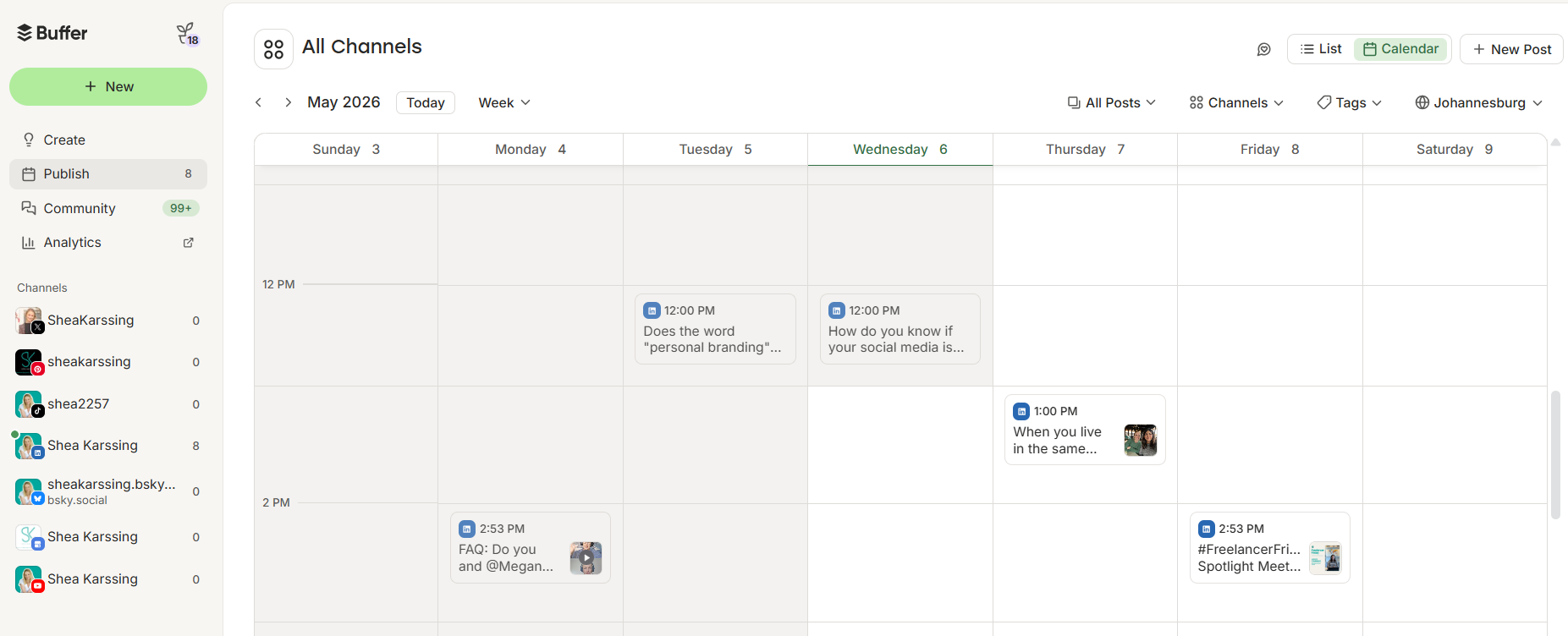
- 2024–2026: We have entered the era of the "Unified Dashboard." With the rise of advanced social media management tools (such as Buffer), the friction of manual posting has been eliminated. The industry standard has shifted toward a "create once, distribute everywhere" philosophy, backed by AI-assisted adaptation tools that ensure content fits the local "dialect" of each platform.
Supporting Data: The Case for Efficiency
Why should creators prioritize crossposting? The data points to three critical pillars:
- Risk Mitigation: Relying on a single platform is a liability. Algorithms pivot, accounts are suspended, and user demographics shift. Crossposting acts as an insurance policy, ensuring that your audience is diversified across multiple digital real estate holdings.
- Time Optimization: For small businesses, time is the scarcest resource. Crossposting can reduce content production hours by up to 60%, allowing creators to refocus their energy on high-value creative tasks rather than repetitive administrative data entry.
- Audience Expansion: Audience overlap is often overestimated. A follower on X may rarely visit LinkedIn. By syndicating content, you increase the probability of touchpoints with your target demographic across their entire digital day.
Strategic Implementation: When (and When Not) to Crosspost
While crossposting is a powerful tool, it is not a "set it and forget it" panacea. Platform-native nuances still dictate success.
Where Crossposting Thrives:
- Short-Form Video: A 60-second product demo is the "gold standard" for crossposting. It performs equally well on TikTok, Reels, and Shorts.
- Long-Form Text: Professional insights can be effectively syndicated across LinkedIn, Threads, and Facebook, provided character counts are adjusted to meet platform constraints.
- Static Assets: High-quality imagery remains the most portable asset class, provided the crop ratios (e.g., 2:3 for Pinterest vs. 4:5 for Instagram) are respected.
The "Danger Zones":
Crossposting fails when creators ignore the "culture" of the platform. A LinkedIn-style corporate case study will likely fall flat on TikTok, where the audience expects raw, authentic, and fast-paced storytelling. Furthermore, never crosspost platform-specific interactive elements, such as X Polls or Threads-specific replies, as they lack the necessary context to function outside their native environment.
Implications for the Future of Social Media Management
The shift toward automated crossposting has forced platforms to become more interoperable. Meta, for example, has leaned into this trend by allowing users to bridge their Facebook, Instagram, and Threads accounts directly. This creates a "hub-and-spoke" model where the creator publishes once at the center and radiates content to multiple endpoints.
The Role of AI in Adaptation
As of 2026, the most successful brands are employing AI assistants to handle the "polishing" phase of crossposting. While a human handles the initial creative spark, AI is now capable of:
- Rewriting captions to match the witty, concise tone of X versus the professional, consultative tone of LinkedIn.
- Adjusting hashtag clusters to optimize for discoverability on specific algorithms.
- Suggesting the optimal time for distribution based on historical engagement data per channel.
Expert Perspectives: Does the Algorithm Penalize?
A common concern among creators is whether platforms "shadow-ban" content that appears to be crossposted. The consensus among social media strategists in 2026 is nuanced:
"There is no evidence that major platforms penalize the act of crossposting itself," says a lead analyst at a top social media management firm. "However, they do penalize content that feels ‘out of place.’ If you post a video with a TikTok watermark onto Instagram Reels, the algorithm recognizes that content as a re-upload, which signals lower-effort production. The penalty isn’t for the crossposting; it’s for the poor user experience."
The takeaway is clear: Use tools that strip metadata and watermarks, and always ensure the caption and hook are tailored to the specific community you are addressing.
Step-by-Step Guide to Modern Crossposting
- Select Your Anchor Platform: Start by creating your core asset—usually a high-quality video or a detailed text thread.
- Use a Centralized Dashboard: Utilize a tool like Buffer to load the asset into a single workspace.
- Customize for the "Local Dialect": Use AI tools to tweak the copy. Ensure that "link in bio" references are removed for platforms where they don’t apply, and that image dimensions are optimized.
- Schedule for Peak Engagement: Utilize analytics to determine when your audience on each specific platform is most active. Do not blast the content to all platforms at the same second.
- Monitor and Pivot: After the initial post, analyze the performance. If a piece of content outperforms on Instagram but flops on X, adjust your future content strategy to favor that specific format on the winning channel.
Conclusion
Crossposting in 2026 is no longer an optional tactic; it is the baseline for professional social media management. By stripping away the repetitive manual labor of content distribution, creators can achieve a wider, more resilient reach. The goal is not to be a machine that posts everywhere, but a creator who leverages technology to ensure their voice is heard, regardless of the platform their audience prefers.
By embracing this streamlined approach, you are not just saving time—you are building a more robust, diversified, and sustainable digital presence.


 Ammar Sabilarrohman
 Sagoh
Sagoh
 Raul Delapena Setiawan
 Reynand Wu

 Azzam Bilal Chamdy
 Ali Ikhwan