
 Asep Darmawan
Thirteen years ago, a software engineer embarked on an ambitious quest to redefine the relationship between abstract design and executable code. The result was Mo+, a fully featured model-oriented programming (MOP) language and integrated development environment (IDE). While the technology saw significant success in private enterprise deployments, its creator eventually pivoted, leaving the software industry six years ago to pursue the craft of traditional Viking and Anglo-Saxon shipbuilding in Scandinavia.
Today, that engineer is returning to the digital discourse—not to promote his past work, but to issue a rallying cry for the research and development of model-oriented programming. As artificial intelligence fundamentally shifts how we write and maintain software, the principles of MOP—which treat hierarchical data structures as first-class citizens of language grammar—may offer the missing link for the next generation of automated systems.
The Core Concept: Redefining the Model
At the heart of MOP is a shift in perspective. In traditional software development, models are often secondary artifacts—diagrams that quickly become obsolete or static documents ignored by the compiler. In MOP, the model is the source of truth.
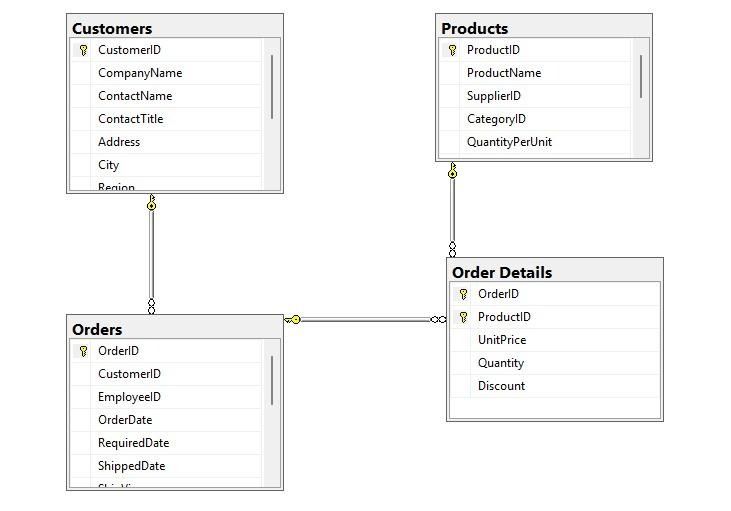
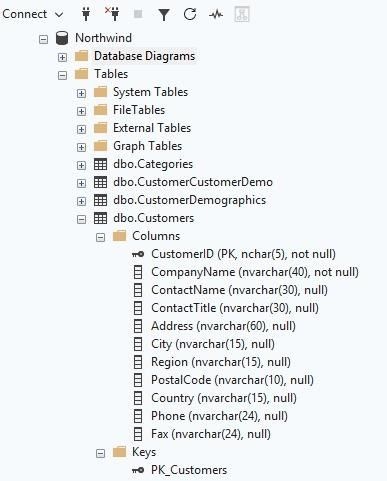
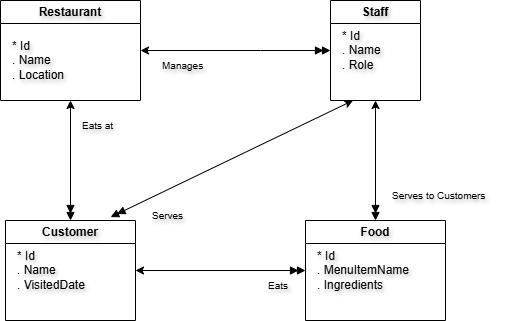
The definition provided by the author is foundational: A model is a hierarchical structure of nodes and attributes populated with specific data. While critics often point to complex, non-hierarchical databases like Northwind as evidence that "models aren’t trees," the author argues that such examples conflate runtime data with structure. By utilizing a "Parent-Child" hierarchy where foreign keys act as structural associations, even the most complex relational databases can be mapped into a clean, traversable tree. This clarity allows developers to "program to the structure" rather than fighting against the overhead of traditional object-oriented mapping.
A Chronology of Model-Oriented Development (MOD)
To understand the current state of the field, the author categorizes the evolution of model-oriented techniques into four distinct phases:
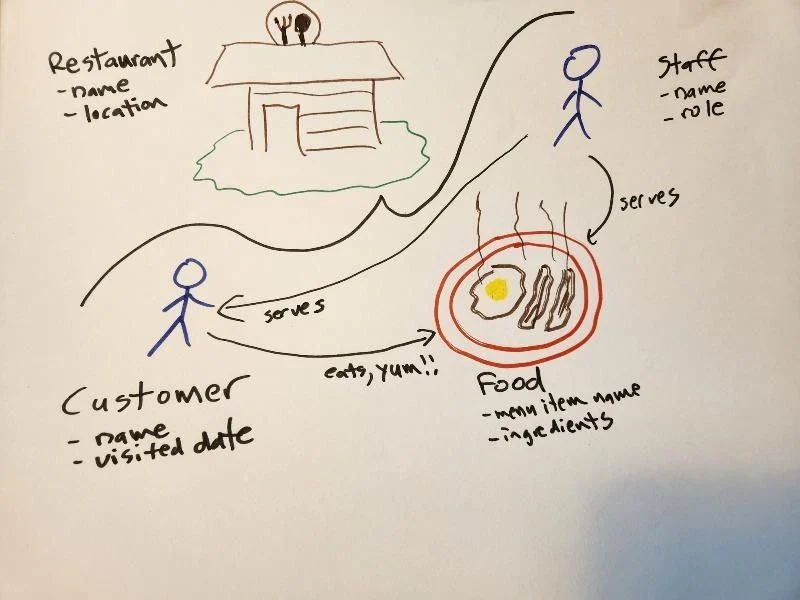
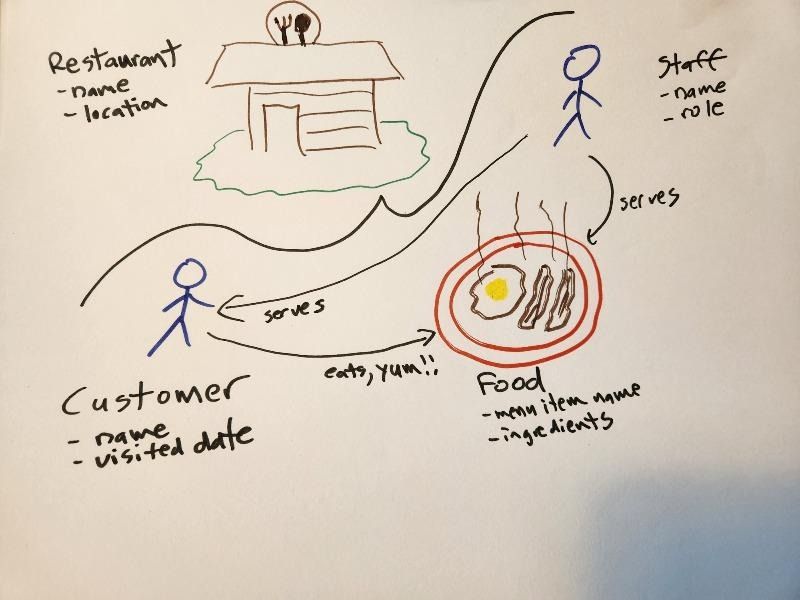
- Informal MOD: The "napkin sketch" phase. Ideas are drafted on whiteboards or in fragmented notes. While flexible, these models lack machine readability, leaving them disconnected from the final codebase.
- Inline MOD: The current industry standard. Frameworks like Entity Framework (ORM) or React (UI components) allow developers to define models directly within the source code. While effective, the model is buried within the syntax, making it difficult to visualize the architecture as a whole.
- Coupled MOD: The era of UML. Tools attempt to synchronize diagrams with source code. However, the overhead of maintaining this synchronization often leads to "model rot," where the diagrams and the code drift apart, eventually forcing teams to abandon the model entirely.
- Decoupled MOD: The author’s proposed ideal. Here, the model exists as an independent entity—a "Single Source of Truth"—that informs the generation and maintenance of various target components, including web services, UI, and database schemas.
Structural Features: The Grammar of Models
The primary innovation of a true MOP language is the integration of model structure directly into the language grammar. In most languages, if you want to access an entity, you must instantiate a class, handle memory, and manage objects. In an MOP language, the interpreter already knows the schema.
The Power of Model Context
A critical feature in MOP is the "Model Context Stack." Because the language understands the hierarchy of the data, the programmer does not need to define complex variables to traverse the tree. By moving up or down the hierarchy—using simple operators like ../ to navigate to a parent or foreach to iterate over children—the developer can perform complex data manipulations with minimal, highly readable code.
Model-Oriented Properties (MOPs)
Perhaps the most revolutionary aspect of the author’s proposed language is the "Model-Oriented Property." Unlike standard class members, these are independent code blocks associated with a node in the model. They are evaluated at runtime based on the current context. Because these properties are decoupled from specific object instances, they become highly reusable "codified best practices." A single property definition can generate boilerplate code for an entire enterprise system, and if the "best practice" needs to be updated, changing the property definition cascades the change across the entire application.
The Role of AI and Future Implications
The timing of this resurgence is notable. We are currently witnessing a massive influx of AI tools—such as GitHub Copilot and ChatGPT—that are capable of generating code. However, these tools often struggle with "hallucinations" or inconsistent architectural patterns.
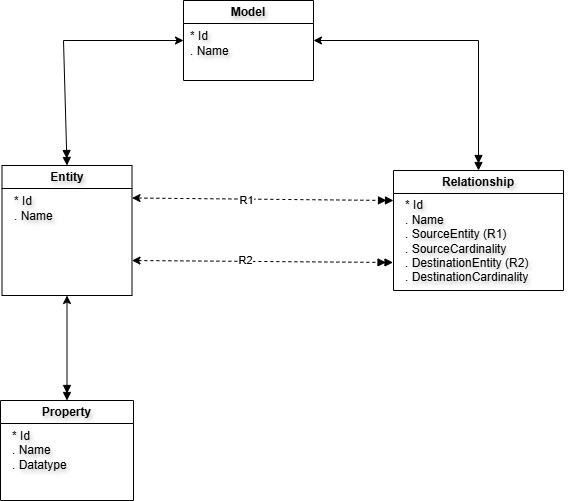
MOP provides a perfect interface for AI. By feeding an AI a structured model rather than just raw code, we provide the model with a "map" of the system. An MOP language could act as the constraint engine that ensures AI-generated code strictly adheres to the established structural requirements. In this symbiotic relationship, the AI handles the creative generation of logic, while the MOP language ensures the result remains architecturally sound and maintainable.
Bridging the Gap: Transitional vs. Target MOP
The author distinguishes between three primary application areas for MOP, each requiring different levels of sophistication:
- Transitional MOP: The most practical application today. The MOP language acts as a bridge, interpreting the model to generate source code, documentation, or configuration files in other languages. It doesn’t need to be the final language of the system; it only needs to be the architect.
- Modeling MOP: Focused on the creation and maintenance of the model itself. It includes tools for importing data from existing databases or documents to build the initial model structure.
- Target MOP: The most ambitious vision. This involves using the MOP language as the primary language for the target system. This would require the most significant research, particularly regarding type safety and the management of complex user-defined code that falls outside the formal model.
Challenges to Adoption: A Call for Research
The author acknowledges that the industry has historically been skeptical of "Model-Driven" approaches, largely due to the failure of over-engineered UML tools in the early 2000s. To succeed, modern MOP must avoid the "ivory tower" trap. It must be lightweight, pragmatic, and capable of integrating with existing workflows.
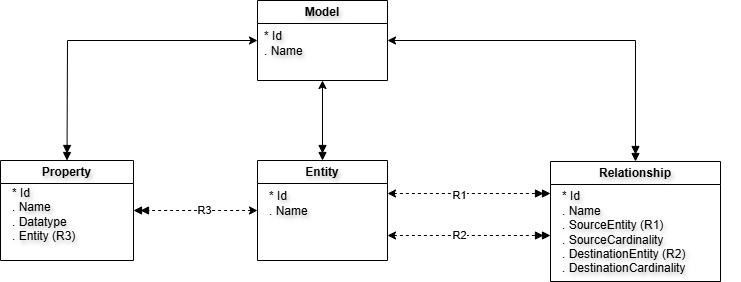
One of the most significant challenges identified is the management of "Target Code"—the custom logic that developers write that isn’t inherently part of the model. How do we ensure that when the model changes, the custom code doesn’t break? The author suggests that the answer lies in a "Smart IDE" that provides developers with a clear view of how model updates affect their custom implementation, effectively gamifying the synchronization process.
Conclusion: A New Direction for Software Engineering
The creator of Mo+ is not asking for a return to 2014, but rather for a synthesis of past lessons and future possibilities. By treating structure as a first-class citizen and decoupling the "what" (the model) from the "how" (the implementation), MOP offers a path toward a more disciplined and automated future.
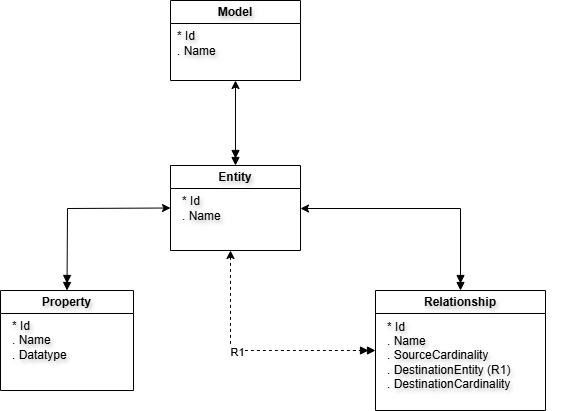
For those interested in exploring these concepts, the source code for Mo+ remains available on GitHub. Whether it is used as a foundation for new research or as a conceptual framework for building the next generation of AI-assisted development tools, the principles outlined here provide a compelling roadmap. As the complexity of our software systems continues to outpace our ability to manage them manually, the transition to model-oriented programming may not just be an option—it may be a necessity.
The author welcomes collaboration, feedback, and engagement from university researchers and industry professionals alike. If you are aware of similar research or are working on projects that touch upon the intersection of structural modeling and language design, the conversation is open. It is time to look beyond the syntax of the code and start programming the models that define our digital world.

 Nana
 Pevita Pearce
 Nana Wu

 Nila Kartika Wati

 Muslim
