
 Lina Hope
As the winter months descend, bringing with them shorter days and the pervasive gloom of long, dark afternoons, the struggle to maintain focus and energy in a home office environment becomes a tangible hurdle. For many professionals and creatives, the "work-from-home" reality involves long hours bathed only in the harsh, blue-tinted glare of a computer screen. This contrast—the bright monitor against a dim room—is a primary culprit for eye strain, headaches, and the mid-afternoon slump.
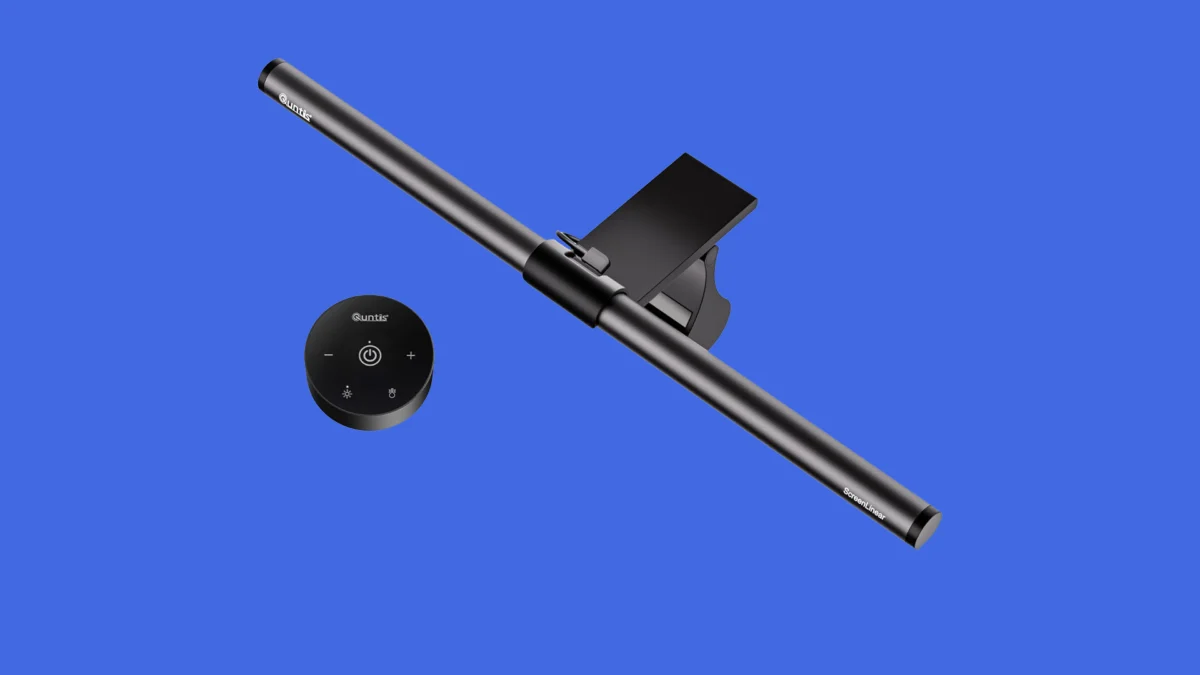
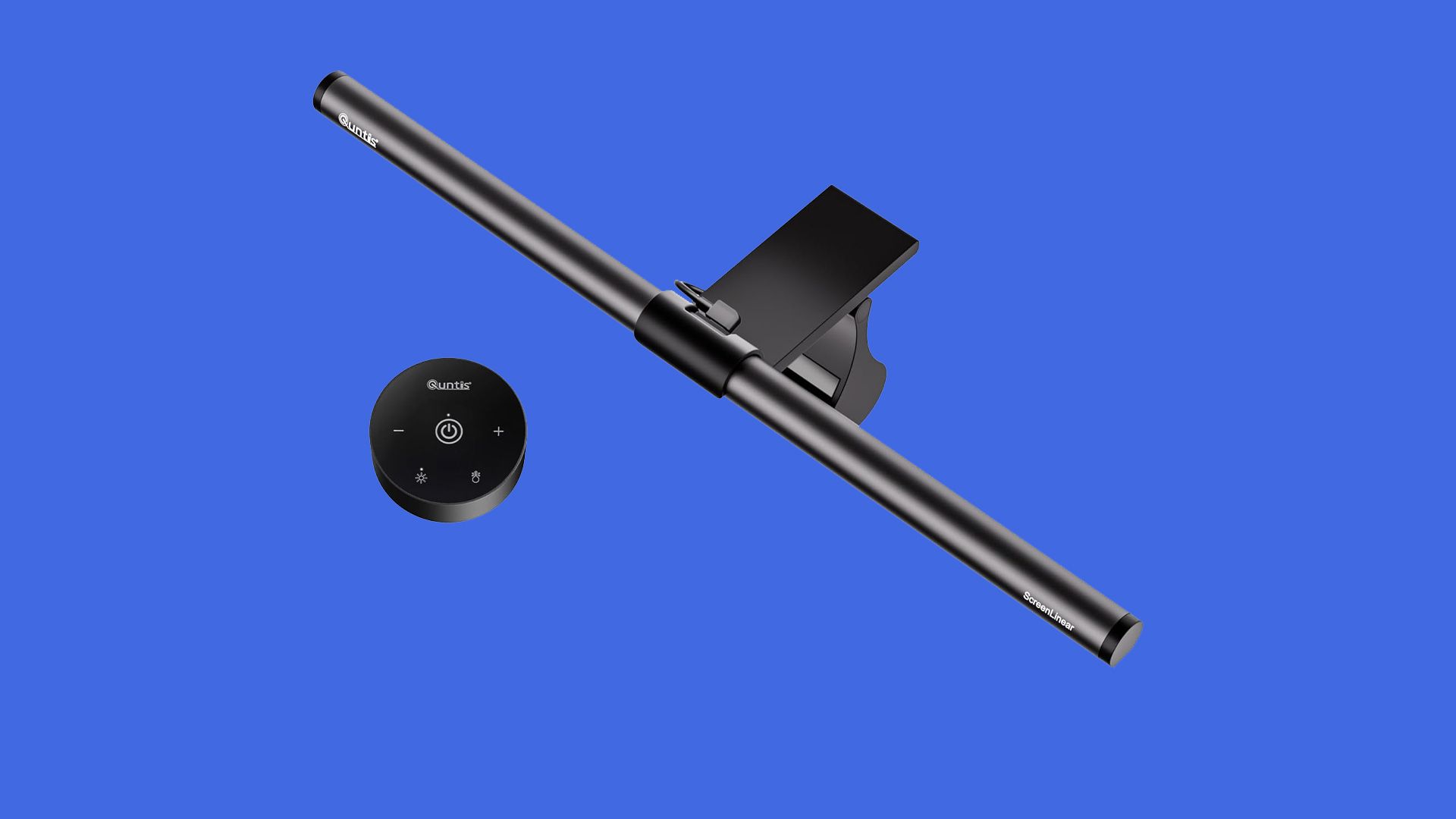
However, a simple, elegant solution is gaining traction among digital professionals: the monitor light bar. Recently, the Quntis monitor light has emerged as a standout, particularly for those seeking a premium experience at a budget-friendly price point. Currently available on Amazon for just $33—a significant discount from its $60 retail price—this device is more than just a desk accessory; it is a vital tool for workplace wellness.
Main Facts: The Ergonomic Case for Lighting
The core principle behind a monitor light bar is "bias lighting" or "task lighting." Unlike a traditional desk lamp, which takes up valuable surface area and often creates glare or reflections on your screen, a monitor light bar sits atop your display. By casting a controlled, downward beam of light onto your desk surface, it illuminates your workspace without washing out the screen or creating distracting reflections.
The Quntis monitor light, which has earned its place as a top budget pick in various professional reviews, addresses the fundamental issue of contrast. By bridging the gap between the brightness of your monitor and the ambient light in your room, it minimizes the physiological stress on your eyes. When your eyes don’t have to constantly adjust to the extreme difference between a bright screen and a dark room, fatigue is significantly reduced, allowing for longer, more comfortable periods of focus.
A Chronology of the Modern Workspace Evolution
The transition of the home office from a "makeshift" space to a permanent professional fixture has been a rapid one, accelerated by the global shifts in working patterns over the last four years.
- Pre-2020: The home office was often a secondary space. Lighting was rarely a priority, and standard overhead room lights were deemed sufficient.
- 2020–2022: As millions moved to remote work, the physical toll of poorly lit setups became apparent. Professionals began reporting increased instances of "digital eye strain" and headaches.
- 2023–Present: The market for ergonomic workspace accessories has surged. Monitor light bars, once considered a niche item for high-end designers, have become mainstream. The rise of "desk setup" culture on social media platforms has further highlighted the importance of both aesthetics and health, cementing the light bar as a standard requirement for an optimized workstation.
The adoption of the Quntis model specifically reflects this trend: users are no longer willing to sacrifice their vision for convenience, yet they are increasingly price-conscious, seeking high-quality ergonomic solutions that don’t command a "premium" brand tax.
Supporting Data: Why Your Eyes Need Help
The impact of screen-based work on human health is well-documented. According to the American Optometric Association, "Computer Vision Syndrome" (also known as Digital Eye Strain) is a group of eye- and vision-related problems that result from prolonged computer, tablet, and cell phone use. Key symptoms include blurred vision, dry eyes, and neck or shoulder pain.
The Science of Contrast
When you work in a dark room with a bright screen, your pupils are constantly dilating and contracting to account for the varying levels of light intensity. This constant "micro-adjustment" is exhausting for the ciliary muscles in the eyes. By introducing a monitor light bar, you create a more uniform light field across your peripheral vision. This provides a "neutral" background that allows your eyes to maintain a steady focus, effectively reducing the strain that leads to the end-of-day burnout many remote workers report.
Cost-Benefit Analysis
At $33, the current offer for the Quntis monitor light represents a low barrier to entry for a significant quality-of-life improvement. When compared to the cost of ergonomic chairs or standing desks—which often run into the hundreds or thousands of dollars—a monitor light bar offers one of the highest "return on investment" ratios for physical health in the home office.
Official Perspectives and Expert Consensus
Ergonomists and workspace designers consistently emphasize the importance of "layered lighting." The consensus is that relying on a single light source is rarely adequate.
"The goal," says one ergonomic consultant, "is to achieve a balance where the light level on the task surface (your keyboard and documents) is roughly equivalent to the light level of the screen itself."
While manufacturers like Quntis emphasize the convenience and feature set—such as adjustable color temperatures and brightness levels—the industry at large supports the health claims. Many modern light bars now include "auto-dimming" sensors that adjust the light output based on the ambient light in the room, ensuring that your desk is always perfectly lit regardless of whether it is 9:00 AM or 9:00 PM.
Implications for the Future of Remote Work
The long-term implication of this trend is a move toward more "human-centric" technology. As we spend more of our lives in digital environments, the hardware we choose to interact with those environments must be designed with biology in mind.
The success of affordable, high-quality lighting solutions like the Quntis monitor light suggests that consumers are becoming more educated about their own physical needs. We are seeing a shift away from aesthetics-first setups toward setups that prioritize longevity and health.
Furthermore, this has implications for employer-provided home office stipends. Many forward-thinking companies are now expanding their reimbursement policies to include not just laptops and monitors, but also accessories that mitigate the health risks of sedentary, screen-heavy work. An investment in a $33 light bar can potentially lead to higher productivity, fewer sick days due to headaches, and a more sustainable work-life balance for the employee.
Conclusion: An Essential Investment
Whether you are a graphic designer, a software engineer, or a student, the environment in which you work is a primary driver of your output. If you find yourself finishing your workday with strained eyes or a sense of lethargy, it is time to look at your lighting.
The Quntis monitor light serves as a perfect entry point into the world of ergonomic lighting. It is affordable, easy to install, and provides immediate, noticeable relief from the harsh contrast of a darkened office. In a world where we spend so much of our time looking at screens, giving our eyes a helping hand is not a luxury—it is a necessity.
As the winter days continue to darken, there has never been a better time to brighten your workspace. By investing in the right tools today, you are ensuring that your home office remains a place of creativity and focus, rather than a source of discomfort.
Not the specific setup you were looking for? The market for monitor light bars is vast, with options ranging from high-end, touch-sensitive bars to basic, plug-and-play solutions. Be sure to measure your monitor’s bezel thickness before purchasing to ensure a proper fit, and consider your desk’s color temperature preferences when selecting your next piece of office tech.

 Ammar Sabilarrohman
 Rifan Muazin

 Layla Zulfa

 Iffa Jayyana
