
 Lina Hope
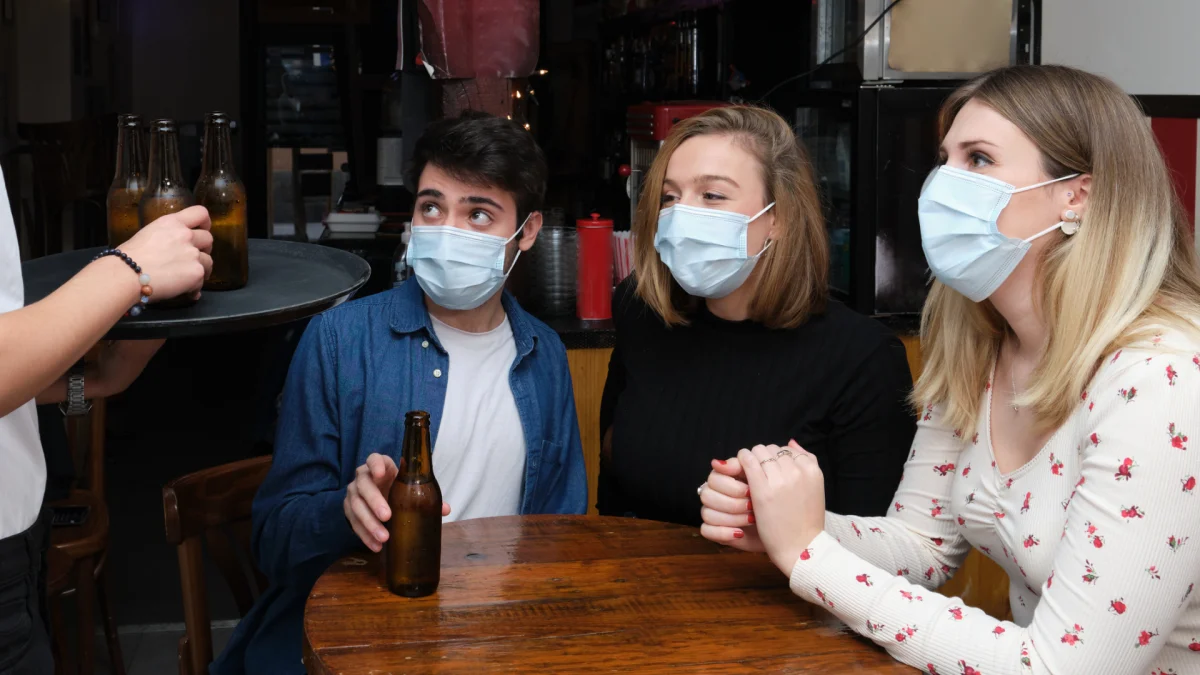
The landscape for LGBTQ+ nightlife in the United States has long been precarious, with the number of dedicated lesbian bars dwindling to a handful across the country. In Western Massachusetts, the closure of "Last Ditch," a venue that positioned itself as a radical, COVID-conscious sanctuary, marks not just the loss of a physical space, but the culmination of a volatile intersection between community idealism, digital-era accountability, and the harsh economic realities of independent hospitality.
On Monday, Last Ditch announced its immediate closure via Instagram, describing the decision as a "soft" exit. While the venue will honor previously booked private events, its days as a public-facing arts venue and organizing hub appear to be numbered. The leadership, exhausted and searching for a viable path forward, has issued a public plea for new ownership—or a complete transition—to prevent the permanent shuttering of the space.
The Genesis of a Viral Controversy
To understand the collapse of Last Ditch, one must look back at the firestorm that erupted in the final weeks of 2024. The venue, which had built its brand on providing a safe, strictly COVID-conscious environment for the queer community, became the subject of a viral Boston Globe exposé. The report detailed the internal and external fallout following a decision by the owners to relax the venue’s long-standing KN-95 mask mandate.
What began as a policy shift intended to navigate the logistical challenges of operating a small business rapidly spiraled into a public relations crisis. The backlash was immediate and severe. Online commenters, many of whom identified as members of the immunocompromised community, accused the owners of ableism and a betrayal of the venue’s core mission. The vitriol reached such a fever pitch that it reportedly included calls for violence, creating an environment that the leadership found untenable.
The situation was further exacerbated by the Boston Globe’s reporting, which, while fact-based, included granular anecdotes that invited mockery from the broader internet. Quotes regarding the owners’ personal lives—including one mention of an owner enrolling in clown school—became fodder for viral discourse. This juxtaposition of high-stakes political activism and what some viewed as eccentric, "parody-adjacent" personal details transformed a local neighborhood dispute into a national internet spectacle.
A Chronology of the Collapse
The Foundation and the Mandate
Last Ditch was founded with the explicit goal of creating a "home base" for queer organizing in Western Massachusetts. From its inception, the venue prioritized the safety of its patrons, enforcing stringent health protocols during the height of the COVID-19 pandemic. For many, it was a lifeline—a rare space where the vulnerable could socialize without fear of infection.
The Policy Shift
As the pandemic entered its endemic phase and economic pressures mounted, the ownership team faced the difficult task of balancing safety protocols with the financial realities of running a low-capacity arts venue. The decision to relax the mask requirement was intended to increase accessibility and attendance. Instead, it alienated the very base that had sustained the venue during its early years.
The Viral Tipping Point
Following the publication of the Boston Globe article, the venue became a lightning rod. The ensuing chaos involved public apologies, retracted statements, and emergency meetings that failed to reconcile the rift between the venue’s leadership and its most vocal supporters. The internal structure, already strained by the burden of running a community-led project, began to fracture under the weight of the scrutiny.
The Final Announcement
By early this week, the exhaustion was palpable in the venue’s final statement. "We have put our lives on hold to foster networks of care, resources, and a home base for organizing. It’s time we pass it on," the post read. The leadership cited a lack of a board or a clear management structure for a worker-owned cooperative transfer as the primary driver behind the decision to close.
Supporting Data: The Shrinking Map of Queer Spaces
The struggle of Last Ditch is a microcosm of a broader national trend. According to data from the Lesbian Bar Project, the number of dedicated lesbian bars in the United States has dropped precipitously over the last four decades. In the 1980s, there were an estimated 200 such venues. Today, that number has hovered in the low thirties.
The closure of Last Ditch highlights the unique challenges faced by these remaining spaces:
- Economic Precarity: Independent bars operate on razor-thin margins. When a venue is also a community hub, the financial demands of maintaining the space often conflict with the desire to keep it affordable and accessible.
- Community Standards: In an era of digital accountability, "community spaces" are held to high, often conflicting, standards. The pressure to be simultaneously a business, a political movement, and a safe space can lead to burnout among organizers who are often working without adequate support or compensation.
- The Digital Feedback Loop: The "viral" nature of modern social media means that local disputes can quickly become global. For a small venue, this level of attention can be fatal, as it invites thousands of voices to weigh in on policies they have no hand in executing, often drowning out the voices of the actual community members who utilize the space.
Official Responses and Internal Reflections
The tone of the final announcement from Last Ditch was one of fatigue rather than resentment. The leadership emphasized the immense labor required to sustain a "network of care." Their message to the community was clear: the project was meant to be a collective effort, yet the responsibility for its survival fell on a small, dwindling group of individuals.
"We’ve been fighting since the beginning to fill out the team, and we still don’t have a board or leadership to manage a worker-owned co-op transfer," the owners noted. By framing the closure as a "soft" exit, the current owners are extending an olive branch to anyone with the capital and the organizational capacity to carry the mantle. Whether anyone will step up to fill this void remains to be seen.
Observers have noted that the "outsized reaction" from the public may have ultimately served as the catalyst for the venue’s downfall. While criticism of health policy is a legitimate form of community discourse, the transition from critique to harassment created a hostile environment that discouraged those trying to maintain the space.
Implications for the Future of Queer Nightlife
The impending closure of Last Ditch serves as a sobering reminder of the fragility of independent queer spaces. If a venue that explicitly centers safety and accessibility cannot survive the intersection of economic pressure and ideological conflict, what does that mean for other bars in the network?
The Burden of Ideology
When a venue ties its identity to a specific political or health stance, it creates a rigid framework that leaves little room for adaptation. While this attracts a loyal core audience, it also leaves the venue vulnerable to total collapse if that stance changes or if the community feels that stance has been compromised.
The Need for Infrastructure
The plea from the Last Ditch owners for a "board or leadership" highlights a recurring issue in the queer movement: the lack of formal, sustainable administrative infrastructure. Many of these spaces are started as grassroots projects with immense passion but without the business acumen or structural support necessary to ensure longevity. Transitioning from a passionate project to a formal, sustainable business is often where the most significant failures occur.
A Call for Solidarity
The LGBTQ+ community now faces a choice. As spaces like Last Ditch vanish, the community must decide how to prioritize the preservation of these sanctuaries. This involves more than just attending events; it requires the development of sustainable funding models, the professionalization of venue management, and a more forgiving culture that allows for the complexities of running a business in an increasingly polarized world.
As the doors at Last Ditch prepare to lock for the final time, the queer community in Western Massachusetts—and beyond—is left to contemplate the void. The loss of such a space is never just about a building; it is about the loss of a physical manifestation of a community’s values. Without a savior to step into the role of owner, the Last Ditch story will likely go down as another cautionary tale in the history of American nightlife, illustrating the high cost of trying to build a perfect home in an imperfect world.

 Siti Muinah
 Layla Zulfa
 Rifan Muazin

 Lina Irawan
 Raul Delapena Setiawan

 Nana
