Rifan Muazin
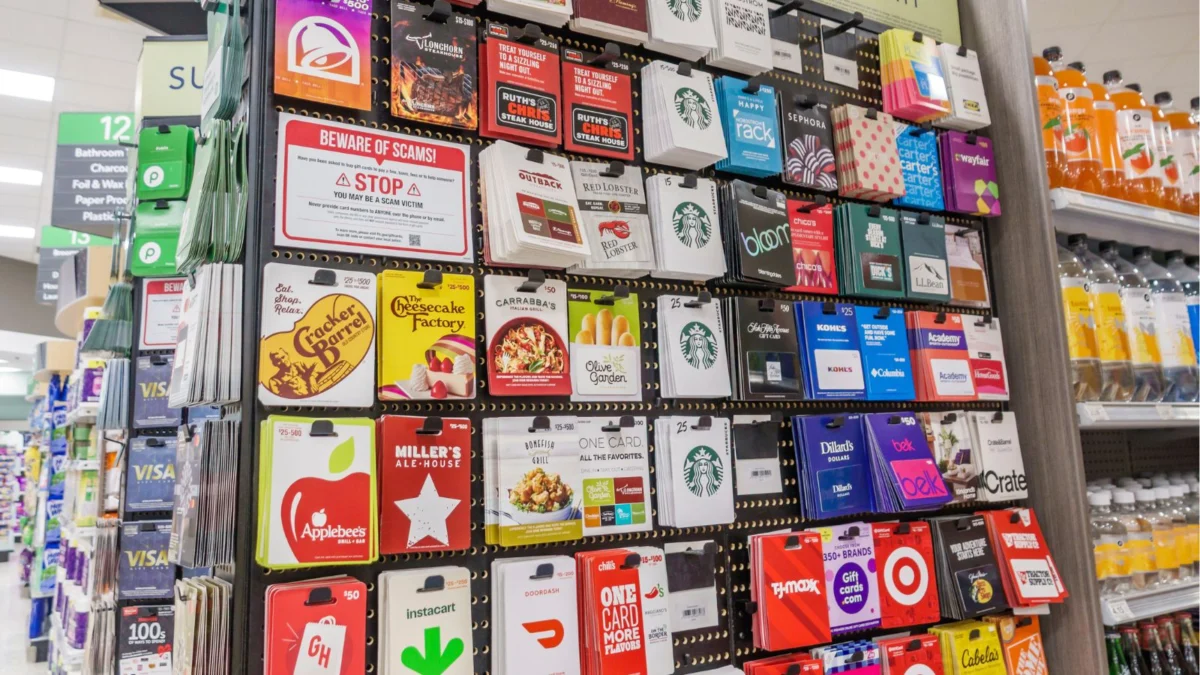
The traditional image of the holiday season—heaps of cardboard boxes under a pine tree, the frenetic rustle of wrapping paper, and the frantic search for the latest must-have gadget—is undergoing a profound metamorphosis. As the 2024 holiday shopping season approaches, a seismic shift in consumer behavior is becoming evident. Data from a comprehensive survey conducted by Deloitte reveals that shoppers are increasingly eschewing traditional retail goods in favor of "experience-based gifts." This trend, which has been building for years, is no longer a niche preference but a dominant strategy for millions of American households, particularly those in the middle-income bracket.
The Core Data: A Steady Climb Toward Memories Over Materials
According to a survey of 4,000 U.S. consumers conducted by Deloitte throughout August and September, exactly 50% of respondents stated they intend to prioritize experience-based gifts this year. This category spans a wide spectrum, including fine dining experiences, restaurant gift cards, tickets to concerts or sporting events, and annual subscriptions to streaming or lifestyle services.
To understand the trajectory of this shift, one must look at the historical data points provided by the study. The preference for experiences has seen a consistent, year-over-year rise. In 2024, approximately 39% of shoppers prioritized these categories. By 2025, that figure climbed to 47%. The jump to 50% in the current cycle represents a significant milestone, suggesting that the "experience economy" has successfully integrated itself into the fabric of holiday tradition.
Chronology of a Behavioral Pivot
The transition toward experience-based gifting did not occur in a vacuum. It is the result of a multi-year evolution in consumer psychology, accelerated by global events and changing lifestyle priorities.
The Pre-Pandemic Baseline (Pre-2020)
Before the turn of the decade, retail holiday spending was characterized by a focus on tangible assets. Consumers prioritized hardware, electronics, apparel, and toys. The "unboxing" phenomenon was at its peak, and retailers built their supply chains around the assumption that the holiday season was a physical goods event.
The Pandemic Catalyst (2020–2022)
The COVID-19 pandemic acted as a powerful disruptor. With lockdowns in place and social gatherings restricted, consumers were forced to reconsider how they spent their discretionary income. While physical goods initially surged due to the "stay-at-home" economy, a subsequent fatigue set in. Once society reopened, there was a palpable "revenge spending" wave directed toward travel, dining, and live events—areas that had been inaccessible for months.
The Post-Inflationary Realignment (2023–2024)
As inflation impacted household budgets, consumers began to practice more rigorous financial discernment. The rise in prices for physical goods—driven by supply chain volatility and manufacturing costs—made "stuff" seem less attractive. Simultaneously, consumers began to view experiences as higher-value investments. Whether it is a subscription service that provides entertainment for an entire year or a meal that creates a lasting memory, these purchases are increasingly viewed as providing a better "return on investment" than a physical object that may lose its utility or appeal within months.
Expert Perspectives: Why the Shift Matters
Industry analysts and retail strategists are closely monitoring this trend. Brian McCarthy, a principal in Deloitte’s strategy and analytics practice, articulated the significance of this shift in a recent conversation with ADWEEK.
"A lot of times when people think of the holidays, they just think of the physical gift," McCarthy noted. "But consumers are putting their spend toward a broader set of spending categories."
This perspective highlights a fundamental change in how the average consumer defines a "gift." It is no longer about the acquisition of property; it is about the acquisition of time, connection, and utility. For retailers, this presents a significant challenge: how do you sell a box on a shelf when the consumer is looking for a digital voucher or a reservation?
The Middle-Income Engine
Perhaps the most compelling aspect of this data is the role of middle-income households. While luxury consumers have historically prioritized experiences (such as travel and exclusive access), the current trend is being driven by the "middle."
For households earning between $50,000 and $125,000 annually, the cost of living crisis has necessitated a more strategic approach to gift-giving. A physical gift that serves only one person is often viewed as less efficient than a subscription service (like a gym membership, a streaming platform, or a meal-kit delivery service) that can benefit a whole family. This demographic is effectively "optimizing" their holiday budget, moving away from clutter and toward services that enhance their daily quality of life.
Implications for the Retail Ecosystem
The migration toward experiences carries heavy implications for the broader economy and the retail sector.
1. The Digitalization of Retail
Retailers that have traditionally relied on brick-and-mortar storefronts are under pressure to pivot. If a retailer only offers physical goods, they risk losing half of the holiday market. Successful brands are now bundling their products with experiences. For example, a home goods retailer might offer a cooking class alongside a high-end appliance, or a clothing retailer might offer a "personal styling session" as part of a gift package.
2. Supply Chain and Inventory Management
For logistics and inventory managers, this shift is a double-edged sword. On one hand, the demand for physical goods is stabilizing, which can lead to more predictable inventory levels. On the other hand, the demand for digital gift cards and service-based vouchers requires a robust digital infrastructure that can handle peak traffic without failure. The "holiday rush" is no longer just about loading delivery trucks; it is about ensuring server uptime and seamless API integration for gift card providers.
3. The "Experience" Inflation
As demand for experiences rises, the prices for these services are also likely to see upward pressure. Concert tickets, dining reservations, and subscription tiers are subject to dynamic pricing. As more holiday budgets shift toward these categories, the competition for "experiences" will inevitably tighten, leading to higher costs for consumers.
4. Marketing and Consumer Messaging
Marketing departments must shift their tone. Campaigns that once focused on "owning the latest" are being replaced by narratives of "sharing the moment." Advertising that highlights the joy of a shared meal or the convenience of a streaming service is resonating more deeply with modern audiences than commercials focused on the novelty of a new object.
Future Outlook: A Permanent Change?
Is this move toward experiences a temporary reaction to economic conditions, or is it a permanent cultural shift? Evidence suggests the latter. As society becomes increasingly digitized and urbanized, the value of physical space in the home is at a premium. The trend of "minimalism" and the desire to reduce household clutter are social currents that align perfectly with the move toward experiential gifting.
Furthermore, the aging of the Gen Z and Millennial populations—who have historically prioritized experiences over ownership—suggests that this preference will only solidify over the coming decade. Retailers that fail to adapt to this "experience-first" reality will find themselves increasingly alienated from the modern shopper.
Conclusion
The 2024 holiday season serves as a mirror for a changing society. The decline of the physical gift as the singular anchor of the holiday experience does not mean the spirit of generosity is fading; rather, it is evolving. Consumers are becoming more thoughtful, more pragmatic, and more focused on the intangible value of the gifts they give.
For the retail industry, the message from Deloitte’s latest data is clear: the path to the consumer’s heart—and wallet—is increasingly paved with moments rather than materials. As we approach the peak of the shopping season, businesses that can offer meaningful, accessible, and high-quality experiences will be the ones that define the success of this year’s holiday trade. The gift of a memory is, it seems, the most valuable item on the shelf this year.


 Laily UPN

 Lina Irawan

 Raul Delapena Setiawan

 Nana

 Layla Zulfa