
 Azzam Bilal Chamdy
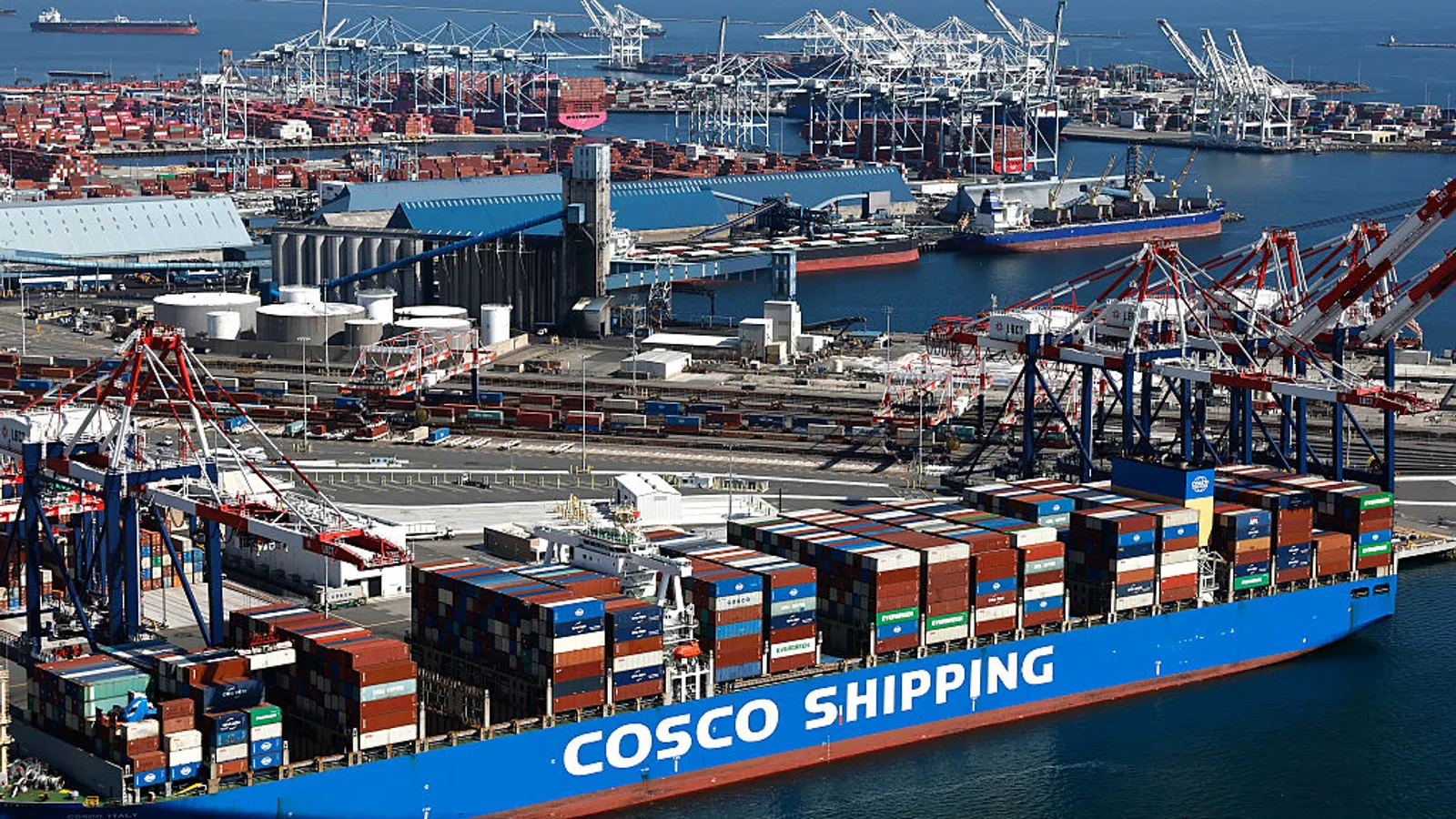
In a move aimed at forestalling a potential upheaval in the global supply chain, the Office of the United States Trade Representative (USTR) has officially proposed an extension of the suspension on Section 301 fees targeting China-linked vessels. According to a Federal Register filing published on October 23, the USTR is seeking to push the implementation date of these controversial levies to January 9, 2027. The current suspension, which has provided a vital buffer for importers and logistics providers, is slated to expire on November 9 of this year.
This regulatory pivot underscores the Biden-Harris administration’s—and now the subsequent administration’s—delicate balancing act: attempting to curb China’s perceived monopolistic practices in the maritime and shipbuilding sectors while simultaneously shielding American businesses from the inflationary pressures of increased shipping costs.
The Core Mandate: Understanding Section 301
At the heart of this issue is the Section 301 investigation, a legal mechanism under the Trade Act of 1974 that allows the U.S. government to take action against foreign countries that violate trade agreements or engage in "unjustifiable or unreasonable" acts that burden U.S. commerce.
In this instance, the investigation centers on China’s dominance in the logistics, maritime, and shipbuilding sectors. The USTR’s position, bolstered by evidence of state-led subsidies and anti-competitive policies, is that Chinese influence has stifled the competitiveness of American shipyards. To counteract this, the government proposed a tiered fee structure—ranging from $18 per ton to $120 per container—specifically targeting vessels with direct Chinese links.
However, the policy includes a "carrot" designed to incentivize the revitalization of the U.S. domestic shipbuilding industry. Under the proposed framework, vessel owners could secure an exemption from these fees for up to three years, provided they commit to ordering new vessels from U.S.-based shipyards. While the strategic intent is to rebuild domestic maritime capacity, the immediate economic reality is that the U.S. relies heavily on international carriers, many of which utilize vessels built or managed in China.
Chronology of a Shifting Policy
The timeline of these fees has been marked by hesitation and delay, reflecting the intense lobbying efforts by stakeholders across the logistics spectrum.
- Mid-2024: The USTR announces the intent to impose Section 301 fees on China-linked vessels, citing unfair trade practices. The industry reacts with immediate concern, highlighting the reliance of U.S. supply chains on existing global shipping infrastructure.
- October 2024: The original implementation date for the fees is set for October 14. Facing mounting pressure, the USTR announces a stay on the fees, pushing the start date to November 2025.
- September 2026: Trade groups and shipper associations formally petition USTR Jamieson Greer, requesting a further extension of the pause. They cite the fragile state of global ocean freight, noting that capacity shifts and rising operational costs remain significant hurdles.
- October 23, 2026: The USTR publishes a new filing in the Federal Register, proposing to extend the suspension until January 9, 2027.
- October 30, 2026: The deadline for public comments on the proposed extension.
Economic Implications: A Supply Chain Under Pressure
The apprehension surrounding the implementation of these fees is not merely academic; it is rooted in the current volatility of global logistics. Trade associations representing retailers, manufacturers, and freight forwarders have been vocal in their opposition to the "resumption" of these fees.
The Threat of "Immediate Consequences"
In a recent letter to USTR Jamieson Greer, a coalition of stakeholders articulated the potential fallout. They argued that the imposition of these fees would create "immediate and far-reaching consequences for U.S. companies that rely on ocean transportation."
For the average U.S. retailer, ocean freight is the lifeblood of inventory. Any surcharge applied at the port—regardless of the political justification—inevitably cascades down to the end consumer. With inflation already a persistent concern in the broader economy, the threat of additional container fees acts as a "hidden tax" on imported goods, ranging from apparel and electronics to raw manufacturing materials.
Capacity and Reliability
The global shipping market is currently undergoing a period of structural adjustment. As carriers realign their routes and capacity to meet changing consumer demand, the introduction of a new, complex fee structure could lead to a "chilling effect." Shippers fear that carriers might choose to bypass U.S. ports entirely to avoid the administrative burden and the potential financial hit of the Section 301 fees, thereby exacerbating the already frequent delays and congestion at major West and East Coast hubs.
The Strategy Behind the Pause: Negotiation vs. Confrontation
The USTR’s rationale for the extension is explicitly stated in the October 23 filing: the extra time is intended to "allow for further negotiation with China regarding the acts, policies, and practices at issue in this investigation."
This suggests that the fees are being utilized as a bargaining chip—a "sword of Damocles" hanging over the Chinese government to force concessions regarding shipbuilding subsidies. By pushing the deadline into 2027, the USTR is signaling a preference for a diplomatic resolution that addresses the root cause of the imbalance without triggering a trade war that would disrupt the U.S. import market during the critical holiday and pre-season logistics windows.
Official Responses and Stakeholder Advocacy
The role of USTR Jamieson Greer has become pivotal in this discourse. As the architect of current trade enforcement, Greer must weigh the long-term national security interest of domestic shipbuilding against the immediate economic reality of global supply chain dependency.
Stakeholder associations—including groups like the National Retail Federation and the American Apparel & Footwear Association—have consistently urged the USTR to adopt a more pragmatic approach. Their argument is centered on the concept of "supply chain resiliency." They contend that until domestic shipbuilding capacity is scaled to a point where it can realistically meet the demands of U.S. importers, penalizing the use of foreign vessels is equivalent to penalizing American businesses for using the only tools currently available to them.
Looking Ahead: What 2027 Might Bring
As the public comment period closes and the industry waits for a final decision, the maritime sector remains in a state of high alert. The proposed extension to January 9, 2027, provides a reprieve, but it does not resolve the underlying tension.
Strategic Considerations for Businesses
Businesses that rely on ocean freight should use this window of extended suspension to perform a comprehensive audit of their supply chain dependencies. Questions to consider include:
- Vessel Diversification: Can shipments be re-routed or booked on vessels that fall outside the current "China-linked" classification?
- Long-term Contracting: How will future contracts account for the potential of these fees being "switched on" in 2027?
- Domestic Alternatives: Are there opportunities to leverage the U.S.-built vessel exemption to stabilize long-term shipping costs?
The Geopolitical Landscape
Ultimately, the future of the Section 301 maritime fees is tied to the broader U.S.-China geopolitical relationship. Should diplomatic tensions escalate, these fees may transition from a tool of negotiation to a tool of active economic containment. Conversely, if a middle ground is found, the fees could be permanently shelved or restructured to be less punitive.
Conclusion
The USTR’s proposal to extend the suspension of Section 301 fees is a testament to the complexity of modern trade policy. It is a tacit admission that the U.S. economy cannot be disentangled from global maritime infrastructure overnight. While the ambition to restore U.S. shipbuilding dominance is a clear national priority, the path toward that goal must be paved without destroying the logistical efficiency that sustains the American economy.
As stakeholders submit their final comments and the USTR deliberates on the path forward, the maritime industry will be watching closely. Whether this extension is a final act of deliberation or merely a temporary delay in an inevitable shift toward protectionism, the outcome will have profound implications for the cost, speed, and reliability of the goods that move across the oceans to reach American shores. The next few months will be crucial in determining whether the U.S. can successfully recalibrate its maritime trade policy without causing the very disruption it seeks to avoid.


 Laily UPN
 Layla Zulfa

 Nila Kartika Wati

 Rifan Muazin
