
 Asep Darmawan
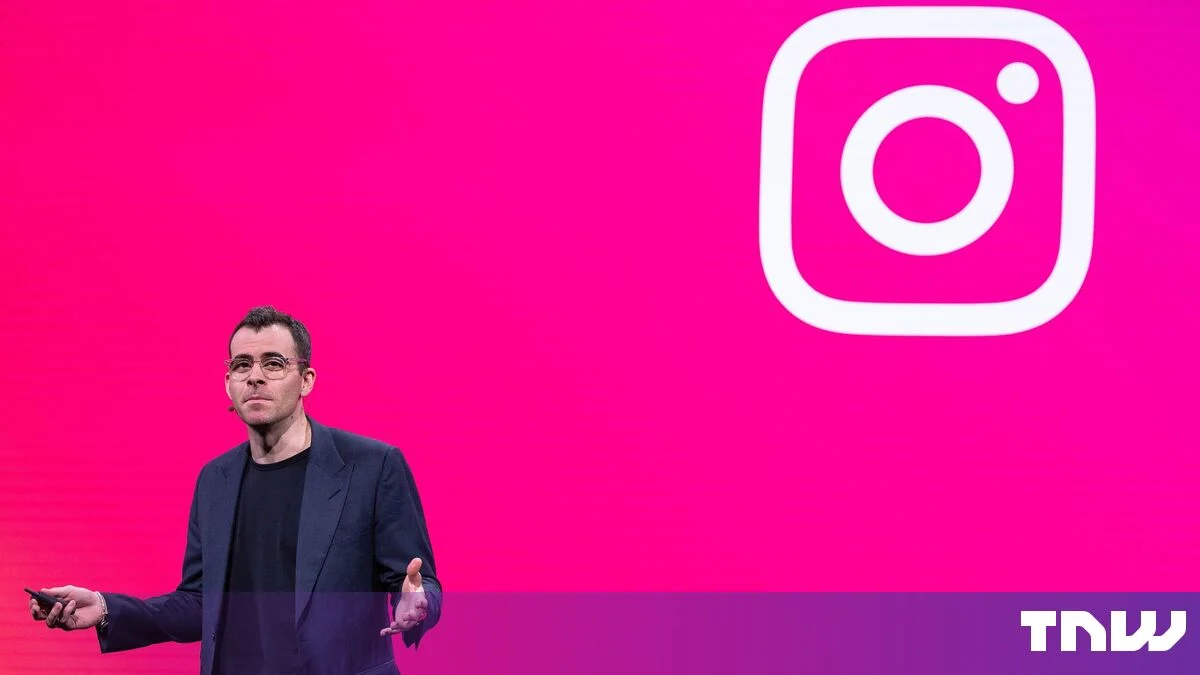
In a significant strategic pivot that signals a departure from its original identity as a photo-sharing app, Instagram has officially begun testing a new video format dubbed "Features." Designed to accommodate horizontal, long-form content—some reaching up to 90 minutes in length—the initiative marks Instagram’s most ambitious attempt yet to dominate the long-form digital landscape. By allowing creators to host full-length podcasts, comedy specials, and documentary-style series directly within the app, Meta is attempting to consolidate the fragmented creator economy under one roof.
The Core Concept: What are "Features"?
The "Features" format is not merely an increase in video duration; it represents a fundamental architectural change in how Instagram handles user engagement. Currently, the platform is testing this functionality with a select cohort of creators across the United States and Brazil.
Unlike the ephemeral, vertical nature of Reels, Features are horizontal, cinematic, and intended for deep-dive consumption. The content will be integrated seamlessly into the main feed and the Explore page, effectively removing the "silo" effect that plagued previous long-form attempts like IGTV. Perhaps most importantly, Instagram is introducing a symbiotic relationship between short and long-form content: creators will be able to link specific Reels directly to a full-length Feature, using the fast-paced, high-engagement nature of short-form video as a funnel for long-form consumption.
Chronology: From IGTV to the Present
Instagram’s relationship with long-form video has been historically fraught. To understand the significance of "Features," one must look at the company’s decade-long evolution:
- 2010–2017: Instagram remained strictly a square-photo and short-video platform, focusing on the "intimacy" of social connection between friends.
- 2018 (The IGTV Era): Meta launched IGTV, a standalone application designed specifically for long-form vertical video. It was intended to compete with YouTube. However, the app failed to gain traction, largely because it forced users to leave the main Instagram interface.
- 2022: Acknowledging defeat, Meta officially shuttered the IGTV app, integrating its features into the main Instagram feed to streamline the user experience.
- 2024–2025: Following the meteoric rise of long-form podcasts on platforms like YouTube and Spotify, Instagram leadership began reconsidering their stance on duration.
- December 2025: Instagram launched its dedicated TV app on Amazon Fire TV, signaling a shift toward living-room consumption.
- Monday, Present Day: Adam Mosseri and Tessa Lyons announce the pilot of "Features," effectively bridging the gap between mobile social media and connected television.
Strategic Implications: Why Now?
The decision to introduce Features comes at a time when the creator economy is consolidating. Data from market researchers suggests that audiences are increasingly moving toward "lean-back" content—long-form shows that can be consumed on a television or as background media.
The Shift in Leadership Philosophy
For years, Adam Mosseri, the Head of Instagram, was famously skeptical of long-form video. His hesitation was rooted in a core philosophy: Instagram’s value proposition was the "social" element—the sharing of content between friends. Mosseri feared that by pushing users toward 90-minute passive viewing sessions, he would cannibalize the active, interpersonal engagement that makes the app sticky.
However, the data has shifted his perspective. Mosseri now argues that short and long-form content are not mutually exclusive. Instead, they represent a "top-of-funnel" and "bottom-of-funnel" strategy. Short clips act as a cultural hook, while long-form content provides the depth necessary to build a sustainable, monetizable brand for creators.
The Television Push
The expansion of the Instagram TV app to Google TV and Samsung TVs—with Apple TV support imminent—is a critical piece of the puzzle. By allowing users to cast their phone experience to their television, Instagram is positioning itself as a legitimate competitor to streaming services. The integration of "Stories" on television, introduced earlier this year, was the first step in this ecosystem; "Features" is the realization of that vision.
Supporting Data and Industry Context
The creator economy is currently valued at over $250 billion, and a significant portion of that revenue is tied to long-form video. YouTube remains the gold standard, with "YouTube on TV" being the fastest-growing segment of its viewership. Instagram’s entry into this space is a defensive and offensive move.
If Instagram can keep a podcaster’s audience within its app for the duration of a 90-minute episode, it retains the data, the ad inventory, and the user attention that would otherwise migrate to Spotify or YouTube. Currently, there is no revenue-sharing model in place for Features, which is a point of contention among top-tier creators. However, industry analysts suggest that if the pilot program proves successful, Meta will likely introduce a creator fund or a pre-roll ad-revenue split to incentivize the migration of content from YouTube to Instagram.
Official Responses and Creator Sentiment
In an interview with creators Colin and Samir, Adam Mosseri clarified the brand’s new directive: "We want to be the most culturally relevant platform, and to do that, we need to show up where people are."
The response from the creator community has been cautiously optimistic. While many podcasters are eager to utilize the new "Series" grouping feature—which allows them to organize episodes in a library-like format on their profiles—the lack of immediate monetization remains a hurdle.
"The tools are great," noted one early-access creator involved in the US pilot. "The ability to link a 30-second Reel to a 60-minute podcast episode is a game-changer for discovery. But at the end of the day, creators need to know how this will impact their bottom line. We are waiting to see if Meta will offer a fair split on the ad revenue generated during these long-form sessions."
The "Meta Muse" Connection
The launch of Features is not happening in a vacuum. It is part of a broader, more aggressive roadmap for Meta this autumn. The company is simultaneously rolling out "Muse," a personal AI agent designed to assist creators with everything from scriptwriting to video editing.
The integration of Muse with Features suggests that Meta is building an end-to-end production ecosystem. An AI agent could, in theory, take a 90-minute Feature, automatically identify the most viral-worthy moments, and edit them into a series of Reels, effectively handling the "discovery" portion of the content funnel for the creator.
Challenges and Future Outlook
Despite the excitement, Instagram faces significant obstacles:
- User Fatigue: Can Instagram successfully transition from a "snackable" content platform to a "meal" platform without alienating its core user base?
- Platform Identity: There is a risk that the app will become "cluttered." If the feed is flooded with 90-minute documentary links, the spontaneity of the platform—the very thing that keeps users checking the app every hour—may diminish.
- Monetization: Without a clear path to revenue, Features may suffer the same fate as IGTV. Creators are businesses; they will prioritize platforms that offer the best return on investment for their labor.
As the test continues in the US and Brazil, the world will be watching to see if Instagram can truly evolve into a comprehensive media hub. The success of Features will be measured not by how many hours are uploaded, but by whether users actually spend those hours watching within the Instagram interface.
If successful, the move could solidify Instagram’s position as the primary destination for the next generation of digital media, effectively rendering the gap between social networking and traditional television non-existent. For now, the "Features" test is a bold, high-stakes gamble on the future of the screen—regardless of how big that screen might be.

 Azzam Bilal Chamdy
 Nana Wu

 Suro Senen

 Nana
 Muslim
