
 Nana
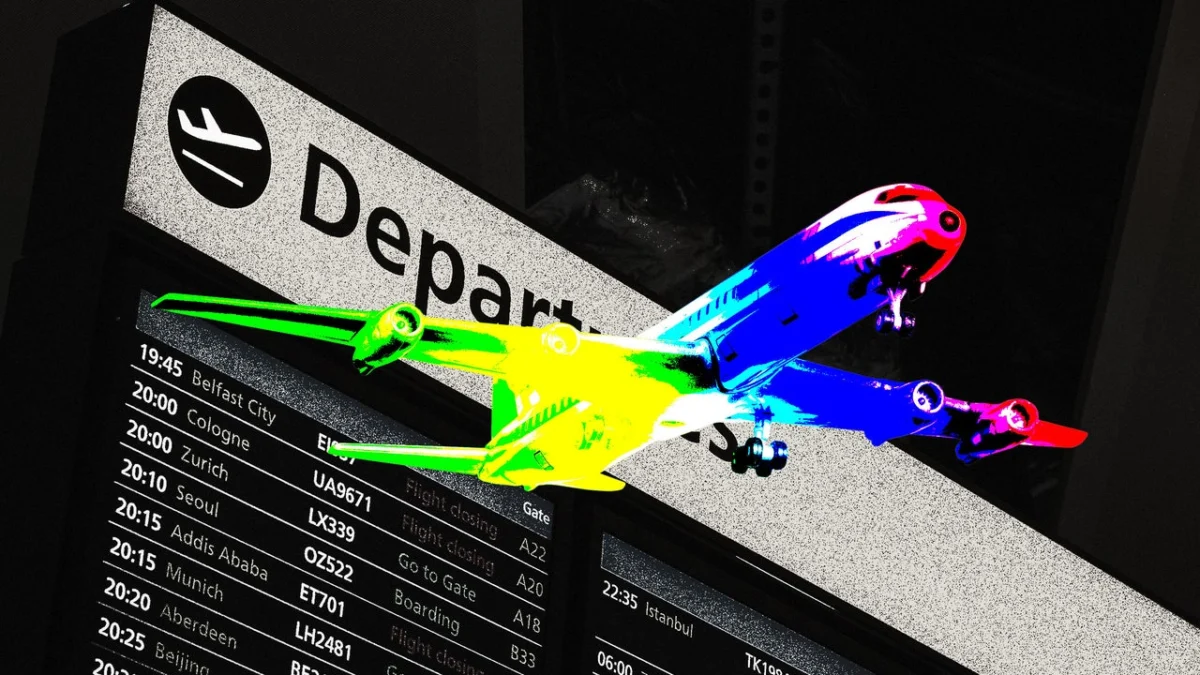
For millions of travelers, the final quarter of the year is synonymous with the chaotic, expensive, and often stressful ritual of holiday air travel. As the calendar turns toward the year-end festivities, the laws of supply and demand assert themselves with ruthless efficiency in the aviation industry. With Thanksgiving and Christmas acting as the primary catalysts for massive spikes in passenger volume, airlines leverage sophisticated dynamic pricing models to capitalize on the surge.
However, recent data from Google Flights suggests that while the window for securing bargain fares is rapidly closing, it has not yet slammed shut entirely. For those planning to navigate the skies in late 2026, understanding the precise mechanics of booking windows—and acting with strategic urgency—is the only way to avoid paying a premium for the privilege of holiday travel.
The Economics of Holiday Demand
To understand why ticket prices fluctuate so wildly during the holiday season, one must look at the fundamental economics of the airline industry. Unlike retail goods with static prices, airline seats are perishable inventory; once a plane departs, an empty seat represents a lost opportunity for revenue. During peak windows, such as the week of Thanksgiving or the days surrounding Christmas, demand consistently outstrips capacity.
When demand is high, airlines increase prices to maximize revenue per seat. Conversely, when demand is low, prices drop to stimulate interest. During the holidays, the "floor" for ticket prices rises significantly because airlines know that travelers are often inelastic in their planning—they must travel to be with family, regardless of the price. This creates a sellers’ market where the primary variable for the consumer becomes "how much" rather than "if."
The Critical Booking Window: A Chronological Breakdown
The travel experts at Google Flights have spent years analyzing historical pricing data to demystify the "sweet spot" for booking. Their research indicates that travelers who wait until the last minute—typically within three weeks of departure—are almost guaranteed to pay the highest possible rates. Conversely, booking too far in advance can sometimes result in missing out on competitive promotional pricing.
The 21-to-57-Day Rule
According to Google’s latest data, the optimal window for booking Thanksgiving airfare for 2026 is between 21 and 57 days prior to departure. This timeframe represents the "Goldilocks zone," where airlines have finalized their capacity schedules but have not yet entered the panic-driven pricing phase that characterizes the final three weeks before the holiday.
For travelers planning to depart on Thanksgiving Day, November 26, 2026, this calculation places the ideal booking window firmly between September 30 and November 5. If your travel plans involve flying in the days leading up to the holiday, your booking window shifts forward accordingly.
The "Magic Day" for Savings
While the 21-to-57-day window provides a reliable range for budget-conscious travelers, Google Flights data reveals an even more precise target. For the 2026 holiday season, the algorithm identifies a specific "magic day"—34 days before departure—where prices historically hit their absolute lowest point. Identifying this day requires diligent monitoring. Because ticket prices fluctuate daily based on booking volume, fuel surcharges, and competitor pricing, the 34-day mark serves as a statistical anchor rather than a guarantee.
Supporting Data: Why Timing is Everything
The volatility of holiday airfare is not merely anecdotal; it is backed by complex algorithmic tracking. Airlines utilize "revenue management systems" that ingest thousands of data points daily. These include:
- Load Factor: The percentage of seats already sold on a specific flight. As the plane fills, the price for remaining seats rises.
- Historical Velocity: How quickly tickets were sold for the same route during the same period in previous years.
- Competitor Benchmarking: Real-time monitoring of what rival airlines are charging for the same or similar routes.
When these factors converge during the holiday season, prices can shift by hundreds of dollars in a matter of hours. This is why experts emphasize that while the 34-day mark is a target, travelers should not wait for it if they see a price that fits their budget early in the 21-to-57-day window. If the fare is within your threshold, the risk of waiting for a "better deal" often outweighs the potential savings.
Official Guidance and Expert Strategy
Google Flights, as both an aggregator and a data repository, has become the primary source of truth for many modern travelers. Their official guidance serves as a cautionary tale for those who rely on the "last-minute deal" myth. In their most recent report, the experts noted that the days of finding deep-discount, last-minute holiday tickets are largely a relic of the past.
"The modern traveler needs to be an active participant in the marketplace," says a travel analyst familiar with the data. "You cannot simply show up and expect a bargain. You need to set price alerts, track specific routes, and be prepared to commit the moment the price hits your target range."
The guidance provided by these platforms is intended to empower the consumer, shifting the power dynamic back toward the traveler by providing visibility into price trends. By using tracking tools, users can effectively "watch" the volatility and choose to strike when the market dips.
Implications for the 2026 Traveler
What does this mean for the average person planning to travel in November and December of 2026? The implications are three-fold:
1. The Death of Spontaneity
The era of spontaneous holiday travel is effectively over. Those who wait until November to book their Thanksgiving flights will inevitably face significantly higher costs. The "cost of procrastination" in the current aviation market is tangible and steep.
2. The Necessity of Flexibility
Flexibility remains the greatest asset for any traveler. If you are willing to fly on the holiday itself—as opposed to the high-demand days of the Tuesday or Wednesday prior—you are statistically more likely to find lower fares. Airlines are aware that the majority of travelers want to arrive the day before the holiday, and they price those days accordingly. By opting for a "day-of" flight, you are effectively opting out of the peak pricing surge.
3. Leveraging Technology
The tools provided by companies like Google are no longer optional—they are essential. Utilizing price tracking alerts allows a traveler to stay informed without needing to check airline websites manually every morning. Setting an alert for a specific route allows the traveler to outsource the monitoring process to an algorithm, ensuring that they are notified the moment the fare enters the optimal window.
Navigating the Christmas Surge
While Thanksgiving sets the tone for the holiday travel season, Christmas and New Year’s present an even more complex challenge. Because the Christmas holiday period often extends for a week or more, the demand is more dispersed than the concentrated "Thanksgiving rush." However, the same rules apply: the booking window for late December travel is even more critical.
For Christmas travel, the optimal booking window typically opens slightly earlier than for Thanksgiving. Many travel experts suggest that for late-December departures, the period between late October and mid-November is the absolute cutoff for securing standard fares. Waiting until December to book for a mid-December departure is a recipe for extreme financial strain, as airlines move to "full fare" pricing to accommodate the surge of last-minute business and leisure travelers.
Conclusion: A Proactive Approach to Travel
As we look toward the holiday season of 2026, the message to travelers is clear: the market is unforgiving to the unprepared. By understanding the 21-to-57-day booking window, keeping a close eye on the 34-day statistical low, and utilizing the robust data tools available, travelers can successfully navigate the complexities of holiday airfare.
Success in this arena requires a shift in mindset. Rather than viewing travel as a fixed cost that happens to be higher during the holidays, it should be viewed as a commodity that must be timed correctly to achieve the best value. By treating your travel plans with the same level of strategic planning as a business transaction, you can ensure that your holiday budget is spent on experiences with family and friends, rather than on inflated airfare costs.
The window is open now, but as history has shown, it will not stay that way for long. The race for the best seats—and the best prices—is already underway. Will you be ready when your target date hits?


 Nila Kartika Wati

 Jia Lissa

 Nana Muazin

 Layla Zulfa

 Rifan Muazin
