
 Nila Kartika Wati
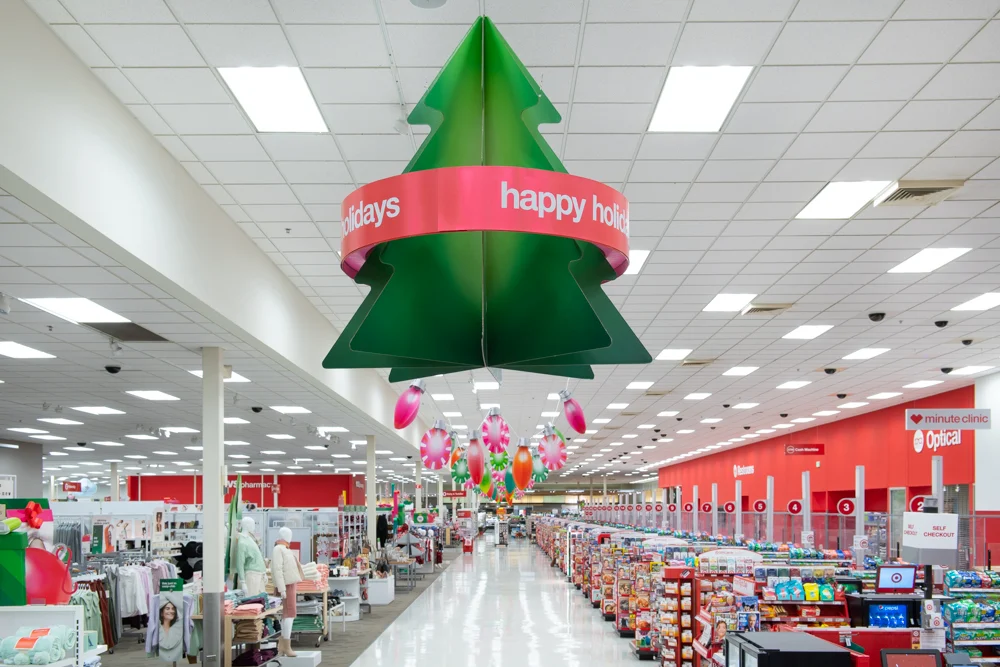
The retail landscape is undergoing a profound transformation as it approaches the 2026 holiday season. In a stark departure from the conservative outlook that defined the industry just one year ago, modern retailers and brand leaders are reporting a newfound sense of optimism. While the specter of inflation and a complex political climate looms large, the industry is betting on a "value-over-discount" strategy to navigate the final quarter of the year.
According to the latest Modern Retail+ Research, 76% of survey respondents project that their 2026 holiday revenue will grow by anywhere from 1% to over 31% compared to the 2025 season. Perhaps most telling is the complete absence of pessimism regarding significant downturns: zero respondents indicated they expect a revenue decrease of more than 11% year-over-year. This shift in sentiment reflects a broader industry resilience, even as the mechanics of how that growth will be achieved undergo a major evolution.
The Economic Landscape: A Balancing Act
Despite the upbeat revenue projections, the optimism is tempered by the harsh realities of the current economic environment. Marketing executives and brand founders alike are grappling with high operational costs, a "soft" economic outlook for the fall, and the unique pressures of an election year.
Inflationary Pressures and the "Brutal" Reality
Ari Bloom, founder and CEO of the brand incubator A-Frame Brands, offers a sobering perspective on the current climate. "It is getting brutal out there," Bloom noted. "Costs are getting so high, and the economy is soft right now, and probably will get softer as we get into the fall. The cost issue is going to be really hard for a lot of smaller companies to absorb with heavy discounting."
This concern is amplified by the political calendar. Election years traditionally inject a layer of volatility into consumer sentiment. Bloom points out that the constant discourse surrounding inflation and the "affordability crisis" shapes consumer psychology, making shoppers more sensitive to pricing than in previous, more stable years.
Consumer Resilience and the Shift Toward Experiences
Conversely, Laura Brodie, Chief Growth Officer at the supplement brand Ritual, maintains a "bullish" outlook. While she acknowledges that consumer sentiment is at a historic low, she argues that spending remains surprisingly resilient. The key, according to Brodie, is not necessarily total volume growth, but rather where that spend is allocated.
"We’re seeing a big cultural shift towards nostalgia, being intentional, and spending time with family," Brodie said. She anticipates a move away from mass-produced consumer goods toward gifts that offer "experiences" or items that feel deeply personal. In this environment, brands with a distinct point of view—particularly those in the health and wellness sector—are well-positioned to capture market share.
Chronology: From Deep Discounts to Strategic Value
To understand the current strategy, one must look at the evolution of holiday marketing over the last 24 months.
- 2025 Holiday Season: Brands entered the season with high anxiety. Supply chain concerns and a cooling post-pandemic consumer boom led to conservative inventory management and widespread, often reactive, discounting.
- Early 2026: Retailers began analyzing the efficiency of their 2025 campaigns. Many realized that while deep discounts drove volume, they severely eroded margins and failed to build long-term customer lifetime value (CLV).
- Mid-2026: Executives began signaling a move toward "smart" promotions. The focus shifted from site-wide "percent-off" sales to targeted loyalty programs, bundling, and partnership-driven campaigns.
- Current Outlook (Q4 2026): The industry is moving into the final stretch with a firm commitment to hold discount levels steady. Data shows that 81% of retailers plan to keep their 2026 holiday discount structures comparable to 2025, rejecting the race to the bottom in favor of added-value propositions.
Supporting Data: The Anatomy of Modern Promotions
The pivot away from blanket discounting is supported by hard data regarding operational costs and consumer acquisition strategies.
The Math Behind the Bundle
The economic pressures of 2026—specifically rising transportation and fuel costs—have made the "discount-heavy" model unsustainable for many mid-market brands. As Bloom explains, the industry is favoring bundling as a psychological and financial win-win.
"Holiday is a time when people will buy multiples," Bloom says. "They might buy the same gift for three different people, and they may buy it for themselves to try on top of it." Bundling allows brands to increase their average order value (AOV) without resorting to the margin-crushing price cuts that defined the last decade of e-commerce.
The Rise of the "Gift with Purchase" (GWP)
The GWP strategy is being utilized not just as a giveaway, but as a tactical tool to drive trial and repeat purchase behavior. By offering trial-sized products, brands can:
- Lower Acquisition Costs: Tapping into an existing audience is cheaper than chasing new, fickle customers through paid social ads.
- Encourage Self-Gifting: By including a high-quality trial product in a gift-intended purchase, the customer is likely to keep the sample, effectively introducing them to a new product line.
Official Responses and Strategic Implications
Industry leaders are unanimous on one point: the era of "dumb" discounting is coming to an end. Success in 2026 will be defined by personalization, partnership, and precision.
Partnerships as a Force Multiplier
Ritual’s approach to cross-promotion offers a blueprint for brands looking to stretch their marketing dollars. By partnering with like-minded, non-competing brands—such as their collaboration with Osea—they are effectively sharing their customer bases.
"Brands that are in similar sizes can come together and create something that feels compelling that can benefit both brands," Brodie explains. This collaborative strategy allows for a high-value GWP without either brand absorbing the full cost of the promotion.
The Role of Data in Consumer Engagement
Susan Grossman, EVP of Consumer Acquisition and Engagement Services at Mastercard, emphasizes that the most successful brands will be those that master "intent." The goal is to move beyond mass-marketing and into precision-marketing.
"The more sustainable approach is to think about value more broadly," Grossman notes. "That could be a personalized offer, exclusive access, relevant recommendations, a seamless experience, or an incentive timed to the right moment."
Grossman argues that brands need "better signals" to understand the difference between a consumer who needs a price-based nudge and a loyalist who values exclusive access. By segmenting their audience, brands can preserve their margins on high-affinity customers while using incentives sparingly to win over price-sensitive shoppers.
Implications for the Future of Retail
The 2026 holiday season serves as a litmus test for the retail industry’s maturity. The transition from "volume at all costs" to "value-based engagement" reflects a broader maturation of the e-commerce sector.
1. Margin Protection as a Core Competency
Brands that successfully resist the urge to deepen discounts will likely see healthier balance sheets in Q1 2027. By focusing on bundling and perks, retailers are effectively "training" their customers to appreciate the product’s value rather than its price tag.
2. The Return to Loyalty
The high cost of customer acquisition (CAC) has forced a radical rethinking of the marketing funnel. The 2026 holiday season is proving that the most profitable path forward is through the existing customer base. Exclusive "drops," loyalty-member-only events, and early access are becoming the preferred currency of the holiday season.
3. The "Human" Element
As consumers grapple with economic uncertainty and a polarized political environment, brands that communicate with empathy and intentionality will stand out. Whether it is through mission-driven storytelling or emphasizing the "experience" of gifting, the brands that can tap into the consumer’s emotional state—rather than just their wallet—are the ones set to win.
Conclusion
As we look toward the end of 2026, the retail industry is exhibiting a cautious, strategic confidence. While the macroeconomic environment remains challenging, the collective strategy of retailers—moving away from unsustainable discounting and toward personalized value, strategic bundling, and community-driven partnerships—signals a more sophisticated era of retail. The brands that win this holiday season will not necessarily be the ones with the lowest prices, but the ones that best understand the shifting, complex needs of the modern consumer.


 Reynand Wu
 Iffa Jayyana

 Raul Delapena Setiawan


 Sagoh

 Azzam Bilal Chamdy

 Ali Ikhwan
