
 Lina Irawan
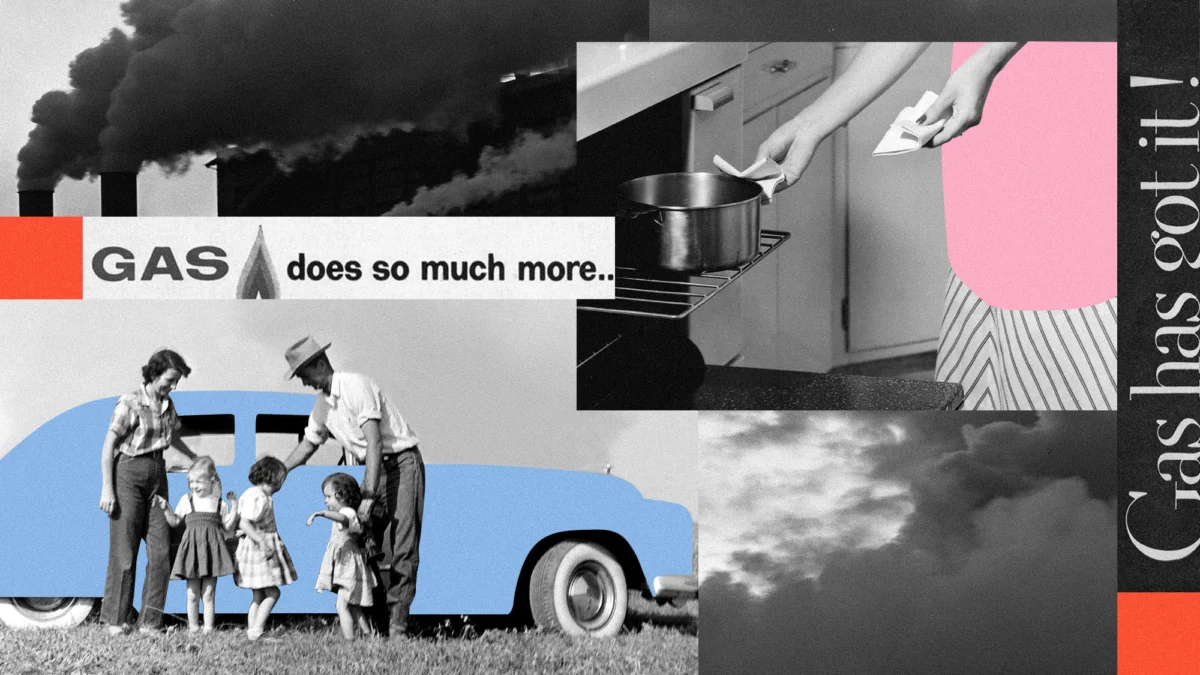
A sobering new report published in the journal BioScience has delivered a stark, data-driven assessment of Earth’s life-sustaining systems. The seventh annual "State of the Climate" report, a comprehensive analysis of the planet’s physiological health, paints a grim picture of a world pushed to its environmental limits. The authors conclude that global warming is no longer a looming threat relegated to the distant future; it is an active, destabilizing force currently rewriting the rules of the biosphere.
For years, scientists have utilized a suite of "vital signs" to monitor the Earth’s health. According to this latest research, those indicators are flashing red. From record-shattering concentrations of greenhouse gases to the rapid degradation of polar ice, the data suggests that humanity is witnessing the consequences of systemic planetary stress in real-time.
The Main Facts: A Planet in Crisis
The report examines 16 core climate indicators, revealing a distressing trend: 44 percent of these metrics have reached record-breaking extremes. The primary driver of this volatility is the unabated combustion of fossil fuels, which has pushed atmospheric concentrations of carbon dioxide, methane, and nitrous oxide to all-time highs.
The "diagnosis" provided by the researchers is clinical and severe. They argue that we have moved past the phase of early warning signs and into a period of tangible, accelerating damage. The Earth is suffering from a massive energy imbalance—a state where the planet absorbs significantly more solar radiation than it can radiate back into space. This surplus energy acts as the engine for global heating, fueling extreme weather events, destabilizing ocean currents, and disrupting the delicate thermal equilibrium that has allowed human civilization to flourish for millennia.
A Chronology of Environmental Degradation
To understand how we reached this point, one must look at the trajectory of the last several decades. The industrial age initiated a gradual climb in global temperatures, but the pace of change has accelerated exponentially since the mid-20th century.
- The 1960s to 1990s: During this period, the correlation between industrial expansion and atmospheric carbon began to be rigorously documented. While international agreements were signed, the actual output of emissions continued to climb.
- The Early 2000s: Climate scientists began identifying "tipping points"—thresholds that, if crossed, would lead to irreversible damage.
- 2024 (The Current Milestone): The report highlights that 2024 marks a watershed moment for livestock production. The number of ruminant animals—cattle, sheep, and goats—has reached its highest point since the 1960s. Simultaneously, per capita meat consumption has hit a historic peak, placing unprecedented pressure on land and water resources.
The timeline is not merely a record of rising numbers; it is a history of missed opportunities. The authors note that the delay in transitioning away from fossil fuels and industrial agricultural practices has narrowed the window of opportunity to prevent the most catastrophic outcomes.
Supporting Data: The Indicators of Decay
The BioScience report relies on empirical data that leaves little room for interpretation. The indicators tell a story of a system under duress:
- Greenhouse Gas Concentrations: CO2, methane, and nitrous oxide continue to rise, primarily due to fossil fuel combustion and industrial agriculture.
- Cryosphere Collapse: Glacier thickness and Greenland ice mass have hit record lows. As these massive reservoirs of frozen water disappear, they contribute to rising sea levels, threatening coastal communities worldwide.
- Feedback Loops: The researchers emphasize the danger of "self-reinforcing" cycles. For instance, as wildfires consume carbon-sequestering forests, they release vast amounts of stored carbon back into the atmosphere. Similarly, as permafrost melts, it releases methane, a potent greenhouse gas that further accelerates warming, which in turn leads to more melting.
These feedback loops represent a transition from linear climate change to a non-linear, runaway process. The data underscores that the planet is not just warming; it is losing its ability to mitigate that warming through natural cooling mechanisms.
Official Responses and Expert Commentary
William Ripple, a professor of ecology at Oregon State University and a lead author of the report, emphasized that the findings should be treated as a call to immediate action. "Our growing demand for meat is putting enormous pressure on the climate, land, and water at a time when all three are already under stress," Ripple said.
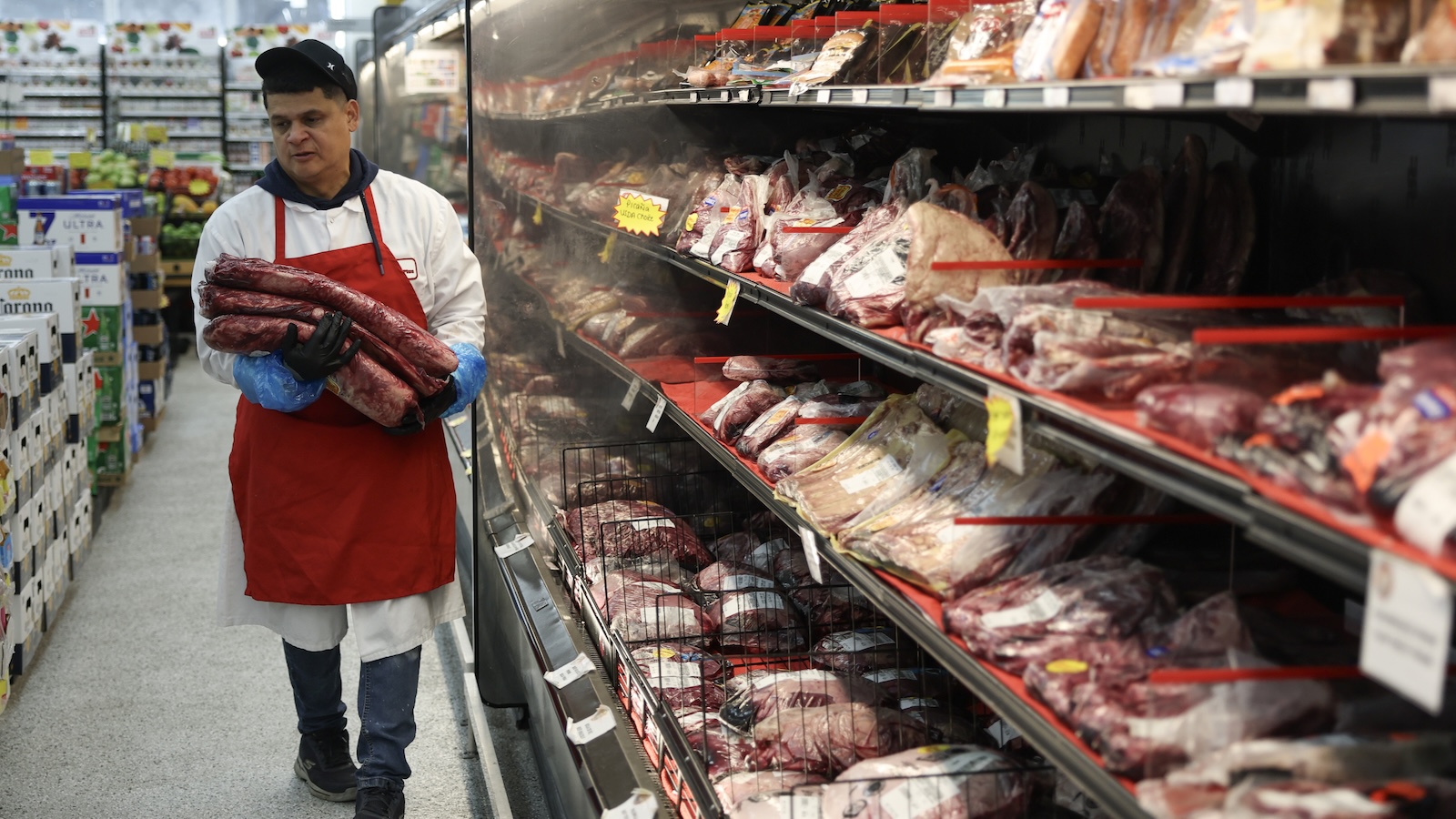
He highlighted the specific role of methane, a gas that is 28 times more effective at trapping heat than carbon dioxide. While methane’s atmospheric lifespan is shorter—lasting roughly 10 years—its immediate impact on global temperatures is profound. Consequently, reducing methane emissions represents one of the most effective "levers" available to slow the rate of warming in the short term.
Timothy Searchinger, a senior research scholar at Princeton University, provided external context to the findings. While he was not involved in the report, his research on the intersection of agriculture and climate supports the authors’ conclusions. "We can’t solve climate change unless we stop the clearing of carbon-rich habitats," Searchinger stated. He emphasized that dietary shifts in wealthy nations are non-negotiable, noting that "just eating 1.5 hamburgers a week on average instead of 3 is one of the basic ways Americans can help address climate change."
Implications: The Inefficiency of Modern Consumption
Perhaps the most compelling argument presented in the report concerns the inefficiency of the current global food system. The demand for meat is not just an environmental issue; it is a resource management failure.
To sustain the global appetite for beef, vast swaths of land—which could otherwise be used for carbon-sequestering forests or crops for direct human consumption—are dedicated to grazing and the cultivation of feed crops like corn and soy. This creates a "double-jeopardy" for the climate: we lose the carbon-sink potential of the forests cleared for pasture, and we generate significant emissions through the methane produced by ruminants.
The implications for food security are equally dire. "At a time when climate change is threatening food security, we can hardly afford a food system that uses so much of its productive capacity inefficiently," Dr. Ripple noted. As climate change makes extreme weather more frequent, the vulnerability of a global food system reliant on resource-heavy meat production will become a significant factor in economic and social stability.
A Path Forward: Is Systemic Change Possible?
The report concludes that there is no pathway to stabilizing the global climate that does not involve a fundamental shift in what we eat and how we produce it. This involves a transition toward more plant-based diets, particularly in countries with high per-capita meat consumption.
While the report acknowledges the severity of the diagnosis, it does not descend into fatalism. The authors point to the "silver lining" of methane reduction: because the gas has a relatively short atmospheric lifespan, the benefits of reducing its concentration would be felt almost immediately in terms of temperature stabilization.
The challenge, however, remains political and cultural. The "State of the Climate" report functions as a mirror, reflecting a global society that has become addicted to patterns of production and consumption that the planet can no longer support. Moving forward will require more than individual lifestyle choices; it necessitates structural changes in global trade, agricultural policy, and energy infrastructure.
As we look toward the future, the science is clear: the Earth’s vital signs are failing, but the prognosis remains dependent on the decisions made today. The report serves as a definitive, evidence-based roadmap for the urgent interventions required to steer the planet away from the brink of total climate destabilization. The question is no longer whether we can change, but whether we have the collective will to do so before the current trends reach a point of no return.


 Raul Delapena Setiawan

 Laily UPN

 Reynand Wu

 Sagoh


 Azzam Bilal Chamdy

 Ali Ikhwan
