
 Ali Ikhwan
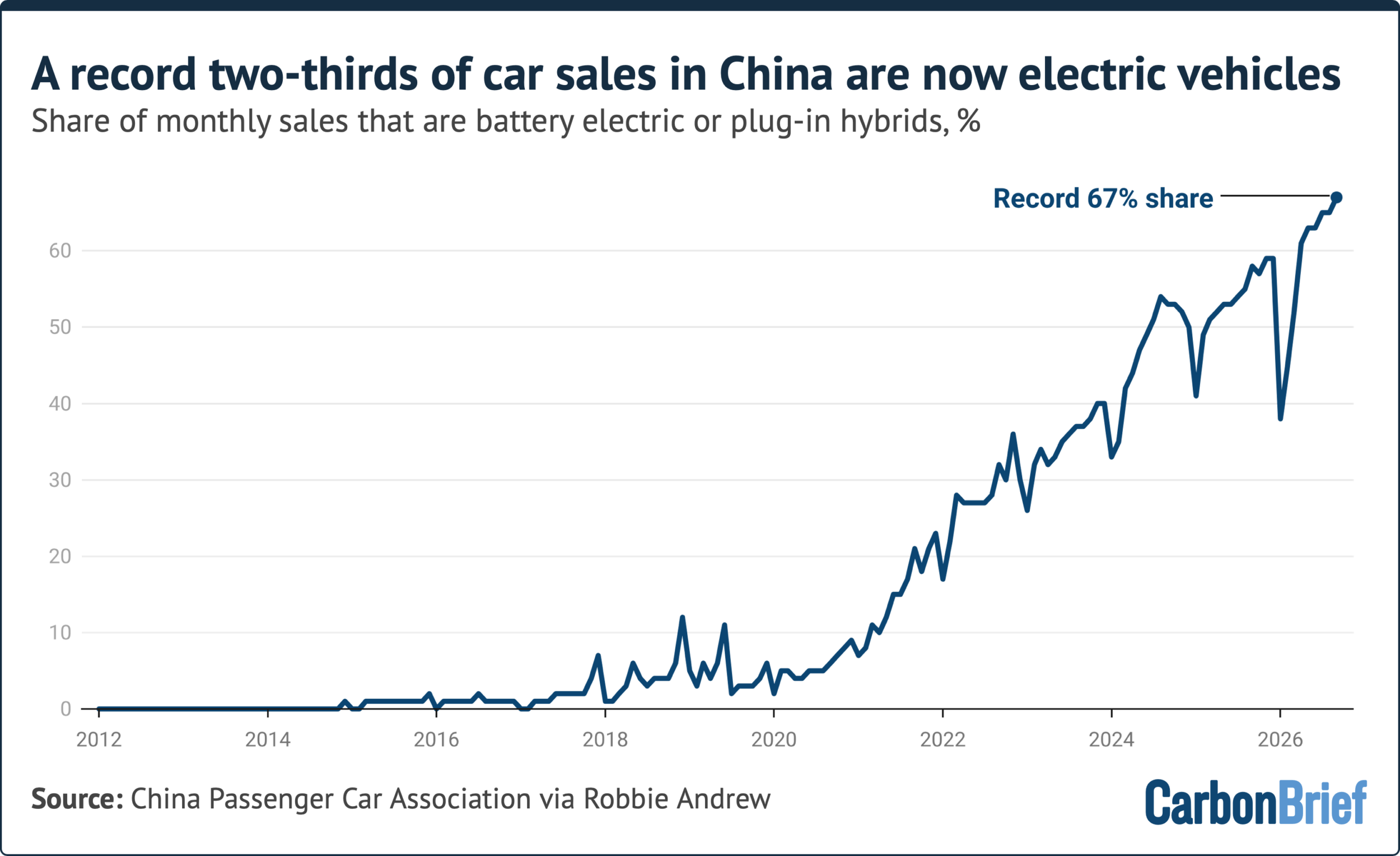
In a landmark shift for the global automotive industry, New-Energy Vehicles (NEVs)—comprising battery electric vehicles (BEVs) and plug-in hybrids (PHEVs)—accounted for a staggering 67% of all new car sales in China this past September. According to the latest data from the China Passenger Car Association (CPCA), this record-breaking penetration rate underscores a decisive pivot away from traditional combustion-engine technology, even as the broader Chinese automotive market faces a period of cooling demand.
This transformation is not merely a product of consumer preference; it is a structural response to a volatile global energy landscape. As the "Hormuz crisis" continues to destabilize international oil supply chains, the resulting surge in petrol prices has acted as a catalyst for the country’s electrification, effectively turning a geopolitical energy shock into an engine for rapid industrial transition.
The Chronology of a Market Transformation
The path to a two-thirds market share has been remarkably swift. Just five years ago, in 2020, NEVs represented a mere 6% of the Chinese passenger car market. By 2026, that figure had ballooned to 58% year-to-date, culminating in the historic 67% milestone in September.
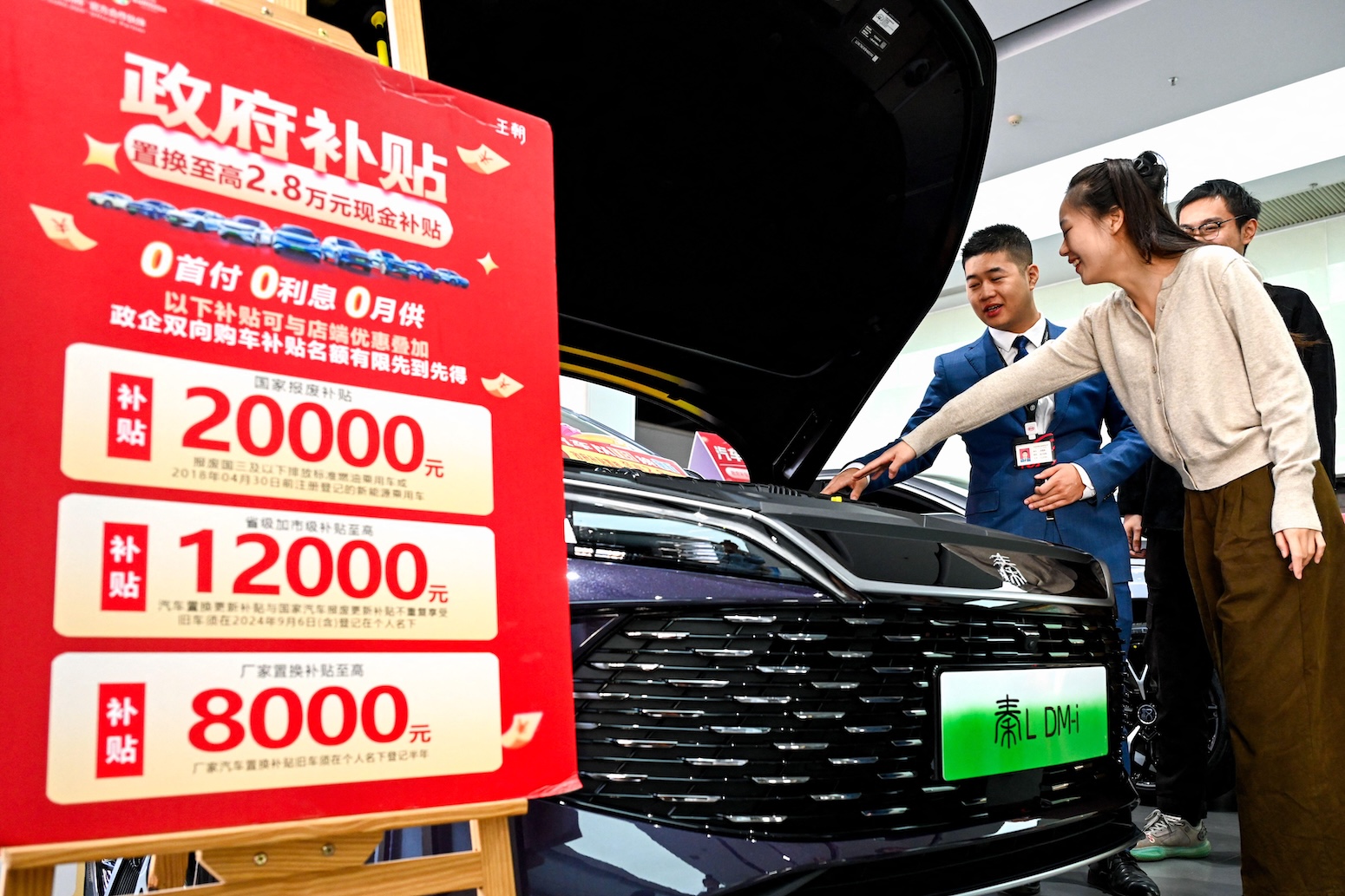
However, the trajectory has not been entirely linear. The start of 2026 saw a significant dip, with NEV market share bottoming out at 39% in January. Analysts point to the expiration of a long-standing, comprehensive purchase tax exemption at the end of 2025 as the primary driver for this temporary slump. Despite this initial hurdle, the market has demonstrated remarkable resilience, regaining momentum throughout the year as high fuel costs and the increasing competitiveness of domestic electric models pushed buyers toward the plug.
The broader passenger car market, conversely, has struggled. Total retail sales volumes across all categories declined by 28% year-on-year this September. This contraction has been disproportionately felt by manufacturers of internal combustion engine (ICE) vehicles, which saw sales plummet by 43% in September and 31% over the first nine months of 2026.
Supporting Data: The Erosion of the Internal Combustion Era
The data reveals a stark divergence in the fortunes of different propulsion technologies. While all segments of the Chinese auto market are currently navigating a "demand pull-forward" hangover—a result of high sales in 2025 before the subsidy cliff—the decline in combustion-engine vehicles is structural rather than cyclical.
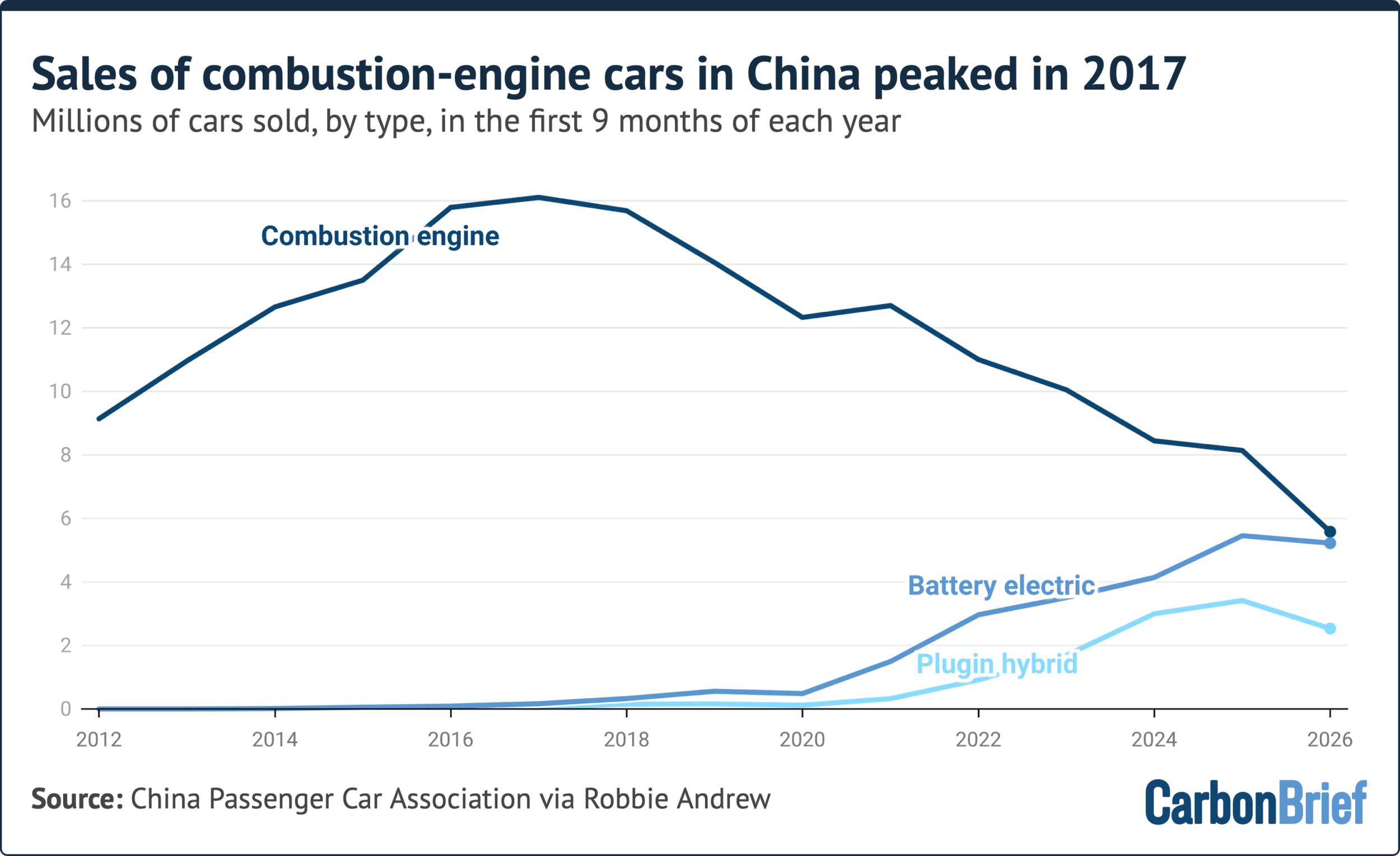
- Combustion-Engine Vehicles: Sales are down 31% for the first nine months of 2026 compared to the previous year. The peak for this segment occurred in 2017, and the industry has been in a sustained, long-term decline ever since.
- Plug-in Hybrids (PHEVs): While often considered a bridge technology, PHEVs have also seen a 26% decline year-to-date, reflecting a broader consumer hesitation in the current economic climate.
- Battery Electric Vehicles (BEVs): As the most direct beneficiary of the shift, BEVs have proven the most resilient, with sales volume dipping only 4% year-to-date and 8.5% in September, significantly outperforming the market average.
This disparity suggests that Chinese consumers are increasingly viewing EVs as the default choice, while ICE vehicles are becoming niche products. Experts at AlixPartners note that while government trade-in policies have provided a floor for sales, the "strong pipeline" of innovative, tech-forward NEV models is what continues to drive interest in an otherwise sluggish market.
The Hormuz Crisis: A Geopolitical Catalyst for Electrification
The ongoing instability in the Strait of Hormuz has served as an unintended, yet powerful, accelerator for China’s energy transition. With oil imports into China falling by 15% in the first nine months of 2026—a deficit of roughly 470 million barrels—the domestic economy has been forced to grapple with the realities of energy insecurity.
Euan Graham, a senior energy analyst at the thinktank Ember, estimates that China’s rapidly growing NEV fleet has offset the demand for 143 million barrels of oil since the onset of the crisis. This displacement accounts for roughly 12% of the total reduction in Chinese oil consumption, proving that the country’s massive investment in EV infrastructure is yielding a tangible dividend in energy sovereignty.
Erica Downs, a senior research scholar at Columbia University’s Center on Global Energy Policy, argues that the current "world’s largest oil supply disruption" vindicates China’s decade-long bet on electric mobility. "The crisis is reinforcing China’s electrification of road transport," Downs notes. "It has turned an environmental goal into an urgent national security imperative."
Official Responses and Strategic Shifts
The CPCA and Chinese policymakers are actively recalibrating their strategies in response to the dual pressures of a cooling domestic market and intense international scrutiny. Cui Dongshu, secretary-general of the CPCA, has publicly attributed the weak September performance to a combination of high base-year comparisons from 2025, holiday disruptions, and the aforementioned tightening of financing conditions.
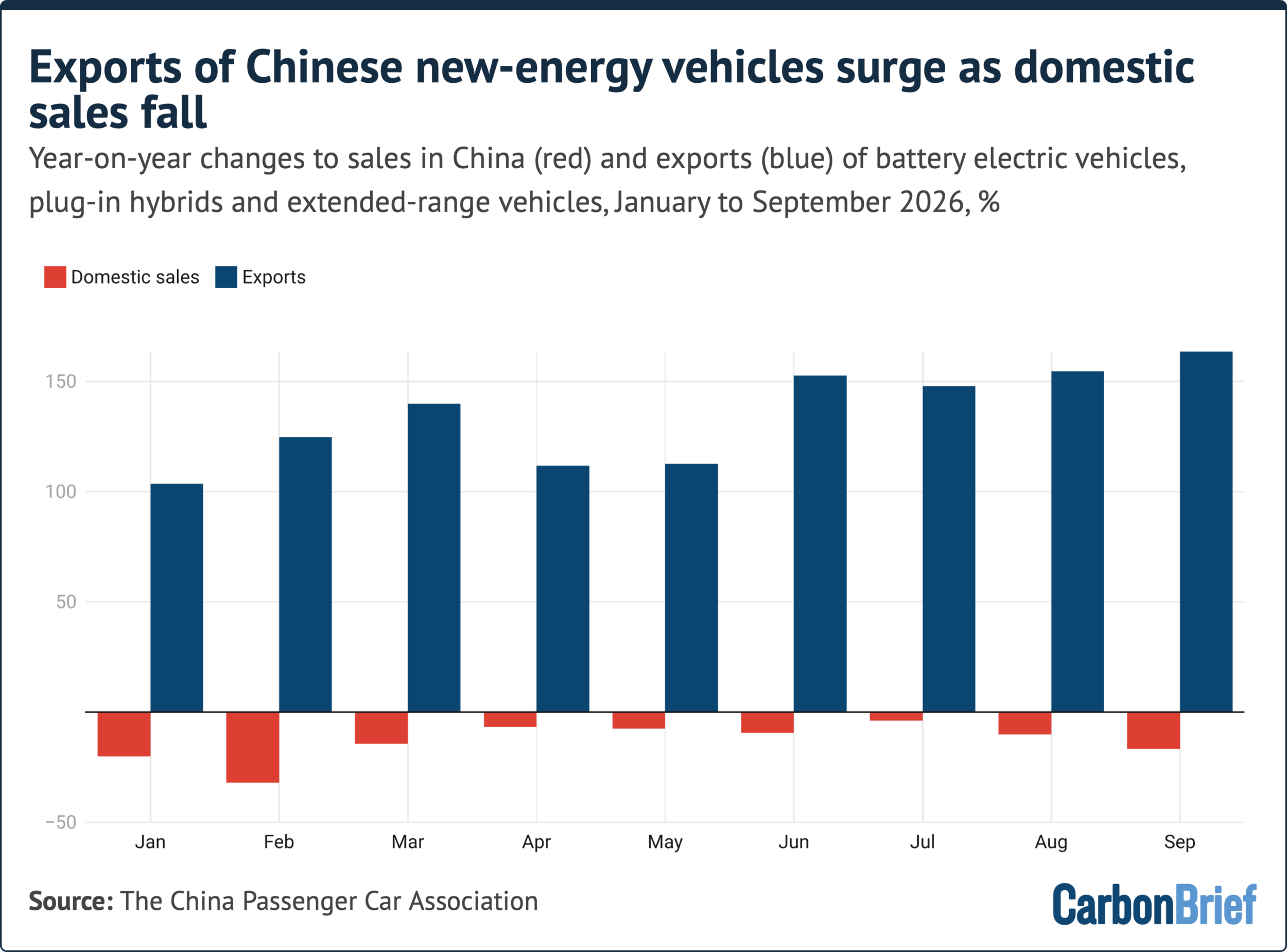
In response to the domestic slowdown, Chinese automakers are aggressively pivoting toward international expansion. Exports of NEVs more than doubled in 2026, with 558,000 units shipped in September alone. This export surge has become a "core priority" for major manufacturers, though it has simultaneously ignited trade tensions. The European Union has implemented new tariffs on Chinese EVs, and countries like Mexico and Turkey are following suit to protect their domestic manufacturing bases.
The Chinese government is also experimenting with domestic policy levers, such as the potential reduction of VAT export rebates, which may signal a desire to cool the "cut-throat" price wars currently ravaging profit margins for domestic firms.
Future Implications: The Ceiling of Adoption?
As the market approaches a two-thirds penetration rate, the question of the "ceiling" for NEVs has become a subject of intense debate. Zhang Yichao of AlixPartners believes that while the growth has been exponential, the pace will inevitably moderate. He suggests that the market share for NEVs is unlikely to exceed 80%, as certain premium segments and heavy-duty, long-distance use cases will continue to demand the range and refueling convenience of traditional combustion engines.
Furthermore, the "demand pull-forward" effect from 2025, combined with higher interest rates and a more cautious consumer, means that the next phase of growth will be harder-won than the last. The transition will no longer be driven by early adopters or government subsidies, but by the ability of manufacturers to deliver superior value in a post-subsidy environment.
Conclusion: A New Global Standard
China’s current automotive landscape serves as a laboratory for the rest of the world. By integrating national energy security concerns with a aggressive industrial policy, China has succeeded in making the electric vehicle the standard, rather than the alternative.
The lessons of 2026 are clear: when geopolitical shocks threaten the supply of fossil fuels, the nations with the most robust electrified transport systems are the most insulated from global volatility. As the world watches the Chinese market, it is becoming increasingly evident that the era of the combustion engine is not merely ending in China—it is being systematically replaced by a new, more secure, and more efficient electric paradigm. Whether this model can be successfully exported, or whether it will continue to face the rising tide of global protectionism, will be the defining automotive story of the coming decade.


 Raul Delapena Setiawan

 Laily UPN

 Reynand Wu

 Sagoh


 Azzam Bilal Chamdy

