
 Pevita Pearce
By Jonathan Small | Edited by Dan Bova
October 22, 2026
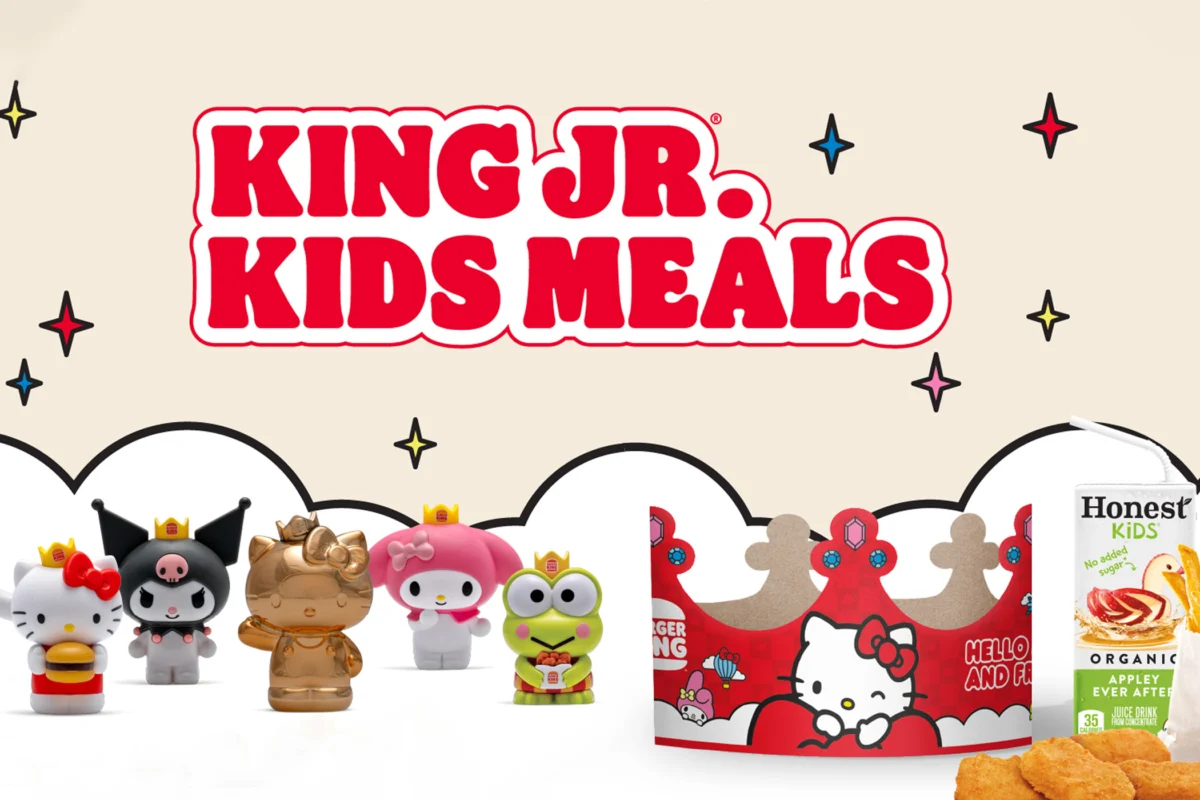
In a strategic maneuver that bridges the gap between fast-food nostalgia and the fervent world of modern toy collecting, Burger King has officially unveiled a global collaboration with Sanrio. The partnership, which officially launched on October 20, transforms the classic "King Jr. Meal" into a gateway for fans of the iconic Japanese pop-culture brand, Hello Kitty.
While the nationwide rollout provides millions of customers the chance to secure a piece of this limited-edition collection, the centerpiece of the campaign is an exclusive, high-stakes pop-up event in California that promises to turn a simple arcade game into a treasure hunt for a 14K gold-plated prize.
Main Facts: The "Golden Claw" and the Mystery Blind Box
The headline-grabbing component of this campaign is undoubtedly the "Golden Claw Machine." On October 23, starting at 11 a.m. PST, the Burger King location in Downey, California, will host a one-day pop-up event. This is not your typical arcade experience; the machine will contain a one-of-a-kind, 14K gold-plated Hello Kitty figurine.
For those unable to make the trip to Downey, the primary consumer experience remains the "Hello Kitty and Friends King Jr. Meal." This offering replaces the standard toy inclusion with a mystery "blind box." The element of surprise is a deliberate marketing choice, tapping into the "unboxing" phenomenon that has dominated social media trends for years.
Inside these mystery boxes, fans can discover one of six unique figurines. The collection features:
- Hello Kitty (donning the signature Burger King crown)
- My Melody (wearing the crown)
- Kuromi (wearing the crown)
- Cinnamoroll (wearing the crown)
- Keroppi (wearing the crown)
- The Rare Golden Hello Kitty (a chase figure)
The meal itself has been rebranded to match the aesthetic, featuring exclusive Hello Kitty-themed packaging and a special crown that customers can wear, effectively turning the restaurant into a temporary Sanrio-themed kingdom.
Chronology: A Timeline of the Collaboration
The path to this collaboration was paved by months of negotiation between Burger King’s parent company and Sanrio’s North American division. Below is the sequence of events leading up to the current promotion:
- Early 2026: Initial discussions between Burger King and Sanrio regarding a potential cross-promotional campaign.
- July 2026: Finalization of the design for the "crowned" character series.
- October 20, 2026: Nationwide launch of the "Hello Kitty and Friends King Jr. Meal" across all participating Burger King locations in the United States.
- October 22, 2026: Public announcement of the Downey, California, pop-up event.
- October 23, 2026: The scheduled "Golden Claw" pop-up event at the Downey location.
- Q4 2026: Ongoing availability of the collection while supplies last.
Supporting Data: Why Blind Boxes Drive Sales
The choice to utilize "blind boxes" is a calculated decision based on the psychology of scarcity and variable rewards. In the retail sector, blind box collectibles have transitioned from niche hobbyist items to mainstream commodities.
According to retail analytics, the inclusion of a "rare" item—in this case, the gold-plated figurine—significantly increases the "repeat purchase" rate. A customer who buys one meal and receives a common character (like Keroppi) is statistically much more likely to purchase a second or third meal in the hope of pulling the rare variant.
By integrating this with a fast-food staple, Burger King is effectively increasing its "average check" size. A family visiting for lunch might upgrade their meal or purchase additional sides to ensure each child receives a mystery box, thereby driving transaction volume across the entire chain.
Furthermore, the "Golden Claw" stunt serves as a localized viral event. By focusing the highest-value prize in a single location, Burger King creates a "destination" experience. Even if only a few hundred people participate in the Downey event, the social media coverage—TikToks, Instagram Stories, and X (formerly Twitter) posts—will generate millions of impressions, far exceeding the reach of traditional television advertising.
Official Responses and Brand Strategy
Jill Koch, Chief Brand Officer at Sanrio, summarized the intent behind the collaboration with a touch of humor, stating that the characters are finally getting "the royal treatment at Burger King."
The pun highlights the core of the brand synergy. Sanrio is a company built on "kawaii" (cuteness) culture, while Burger King has long utilized the "King" mascot to establish its brand identity. By placing the paper Burger King crown on the heads of Sanrio’s most beloved characters, both companies are reinforcing their status as "royalty" in their respective industries.
From Burger King’s perspective, this collaboration is part of a broader strategy to stay culturally relevant to Gen Z and Alpha consumers. By leveraging the immense global following of Sanrio, the chain is moving away from purely price-driven promotions and toward "experience-based" marketing.
Implications: The Future of Fast-Food Collaborations
This campaign signals a shift in how fast-food chains view their "kids’ meal" offerings. No longer just a convenience item for parents, the kids’ meal is being treated as a vehicle for intellectual property (IP) licensing that competes with toy stores and boutique retailers.
The Gamification of Dining
The introduction of the "Golden Claw" suggests that Burger King is experimenting with "phygital" (physical + digital) experiences. If the Downey event proves successful, it is likely that the company will look to scale similar interactive experiences, perhaps integrating mobile app usage with in-store gaming or augmented reality (AR) features in future campaigns.
The Secondary Market
The existence of a "rare" chase figure will inevitably lead to a thriving secondary market. Platforms like eBay and Mercari are expected to see a surge in listings for the rare gold-plated Hello Kitty figure within days of the launch. This secondary market activity actually benefits the brand; the higher the resale value of the toy, the higher the perceived value of the meal, making the $6–$8 price point of a King Jr. Meal seem like a bargain for a potential "investment."
Strategic Risks
However, there are risks associated with this strategy. Supply chain management is critical. If the "blind boxes" sell out too quickly, it could lead to consumer frustration and brand backlash. Burger King has managed this by rolling out the promotion nationwide, but local shortages are inevitable. Additionally, the reliance on high-demand, licensed content requires constant vigilance to ensure that the quality of the toys meets the expectations of collectors, who are notoriously discerning about paint application, material quality, and character accuracy.
Conclusion
Burger King’s partnership with Sanrio is a masterclass in modern retail engagement. By combining the high-frequency nature of fast food with the high-interest world of toy collecting, the chain has created a campaign that is as much about the "hunt" as it is about the food. Whether you are a casual fan of Hello Kitty or a serious collector looking for that elusive gold-plated prize, the next few weeks at Burger King promise to be a high-stakes, "royal" affair.
As the industry watches, the success of this campaign will likely determine whether we see more "Golden Claw" style events in the future, marking a new era where your burger purchase is just the first step in a much larger game.

 Nila Kartika Wati
 Asep Darmawan

 Ammar Sabilarrohman
 Asro
 Layla Zulfa
 Muslim
