
 Azzam Bilal Chamdy
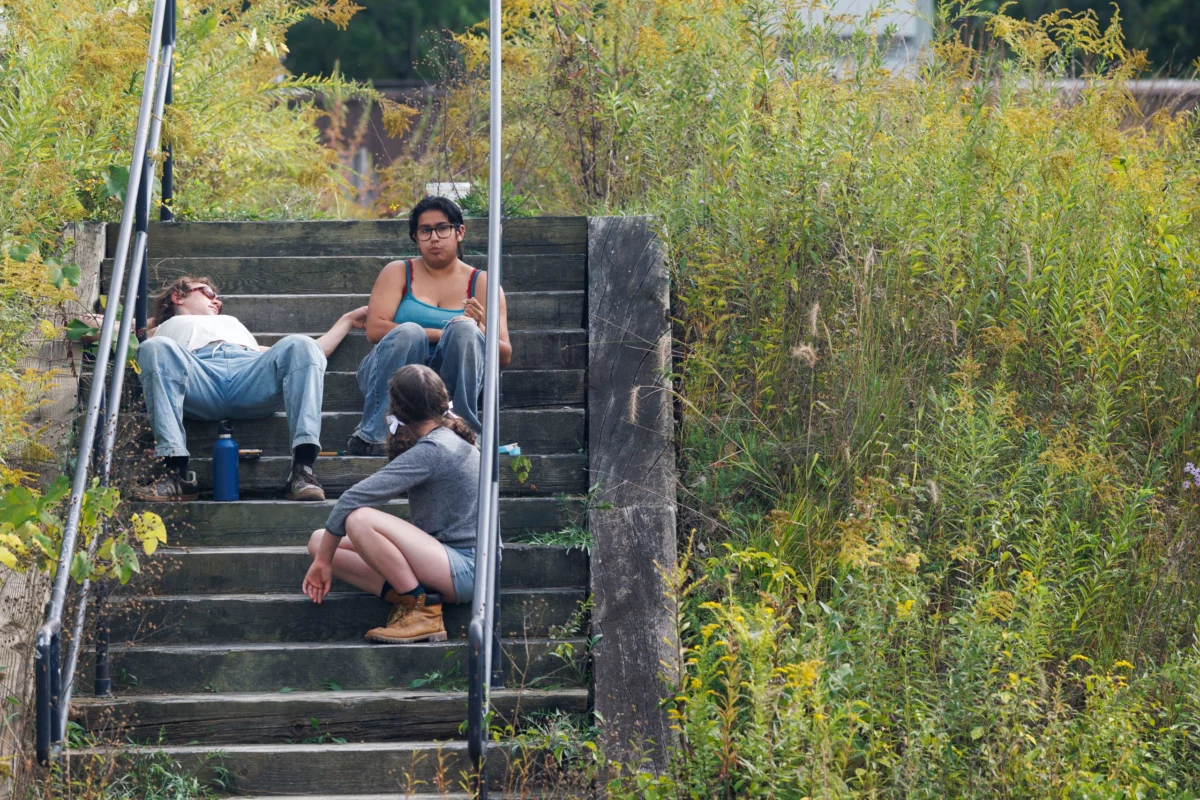
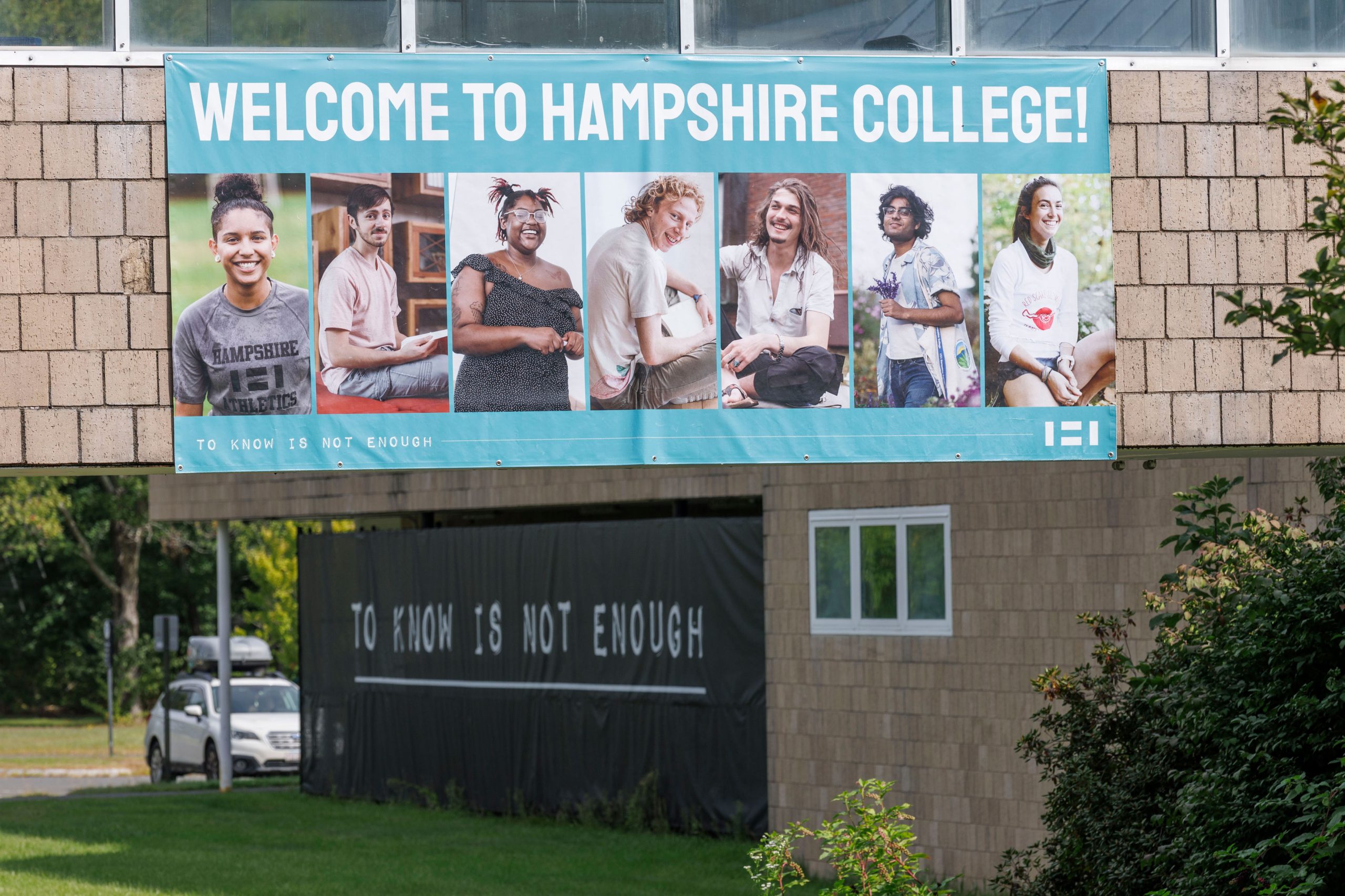
The parking lots at Hampshire College in Amherst, Massachusetts, are hauntingly vacant. Inside the once-vibrant liberal arts institution, buildings stand dark and lifeless, their corridors echoing only with the sound of a lone maintenance worker on a riding mower—a man tending to a dying lawn as if muscle memory were the only thing keeping the campus alive.
This is not a shuttered factory or an abandoned office park from the Rust Belt era; it is the final chapter of a celebrated academic institution. Hampshire College is slated to close its doors permanently in December, marking yet another casualty in a relentless wave of closures and mergers currently sweeping across the United States. Experts tracking the sector report that the higher education industry is no longer merely facing a "rough patch"; it is in the throes of an existential, structural crisis that is effectively dismantling the American collegiate landscape at a rate of nearly one closure every three weeks.
The Anatomy of an Industry in Decline
The crisis facing American colleges mirrors the industrial downturns that hollowed out the manufacturing sector decades ago. Just as the loss of auto plants and steel mills devastated surrounding communities, the collapse of small, private liberal arts colleges is triggering widespread collateral damage. This includes a shrinking of educational access, particularly in rural regions, and a growing disconnect between the production of graduates and the high-level skills required by an economy grappling with a mass retirement of the baby boomer generation.
"Everyone is shocked to hear that more than a quarter of our private colleges could be gone in the next decade," says Peter Stokes, a managing director at Huron Consulting Group. His firm’s projections are sobering: 442 of the nation’s 1,700 operating private, nonprofit colleges are at high risk of closure or merger within the next ten years. "We are now talking about hundreds of other institutions being in a similar situation," Stokes adds.

This downward spiral marks a sharp reversal from 60 years of uninterrupted, aggressive growth. From the post-WWII era until 2011, higher education operated on the assumption of an infinite supply of students. That era has ended. Experts now predict a 30-year period of sustained decline in the college-aged population, a trend that began in 2011 and is forecasted to continue through at least 2041.
A Chronology of the Great Contraction
The last decade has served as a crucible for the sector. Nearly 150 private, nonprofit colleges have folded since 2016. In many instances, these closures have left behind "zombie campuses"—tracts of land and infrastructure that creditors are struggling to sell or repurpose.

The decline is not limited to the private sector. Public university systems, often seen as the bedrock of state stability, have not been immune. Significant branch campus closures have already occurred in Wisconsin, with similar, imminent shutdowns looming in Pennsylvania.
The primary driver is a catastrophic drop in enrollment. Since the 2011 peak, total college enrollment has plunged by approximately 2 million students. This is exacerbated by a shifting demographic reality: the number of 18-year-olds is shrinking, and the percentage of high school graduates choosing to enroll in college has fallen from 70 percent in 2016 to 63 percent in 2024. Simultaneously, the pipeline of international students—a critical revenue stream for many institutions—has slowed due to restrictive visa policies, geopolitical tensions, and increased federal scrutiny.

Supporting Data: The "Sink-or-Swim" Reality
The landscape of higher education is becoming increasingly bifurcated. Kevin McElrath, director of the College Crisis Initiative at Davidson College, describes the current environment as "sink-or-swim."
"The top schools—the highly selective privates and the massive public flagships—are going to be fine," says McElrath. "They have the demand, the prestigious reputations, and the multi-billion-dollar endowments to weather the storm."

The casualties, by contrast, share a distinct profile:
- Lack of Scale: Most are small, little-known institutions without significant endowments.
- Geographic Vulnerability: A high concentration of failing schools is located in the Northeast and Midwest, where the number of institutions historically outpaced the regional population.
- Financial Leverage: Many are straining under the weight of debt taken on during the "expansionist" years to build luxury dorms or modern amenities in a desperate bid to attract students.
- The Discounting Trap: To keep enrollment numbers up, these schools have been offering unsustainably deep tuition discounts, effectively eroding their own profit margins until they can no longer cover basic operational costs.
The societal cost of this failure is profound. A 2022 study by the State Higher Education Executive Officers Association found that fewer than half of students at closed colleges manage to successfully transfer and continue their education elsewhere. Of those who do, less than half go on to earn a degree.

Official Responses and the Loss of Institutional Purpose
Historically, the American approach to community building involved founding a college before even establishing a reliable water system or a K-12 school. John Thelin, an emeritus professor at the University of Kentucky and author of A History of American Higher Education, notes that these institutions provided "legitimacy, stature, and a sense of purpose."
Today, that purpose is being stripped away. Hampshire College, or "Hamp," as students lovingly called it, was once a beacon of progressive, self-directed study. Founded in the 1960s, it rejected standard majors and letter grades in favor of narrative evaluations—a model that nurtured luminaries like filmmaker Ken Burns and actress Lupita Nyong’o.

For current students like Chloe De Lisle, the closure feels like an abandonment of a dream. "I didn’t want to be another number in a huge sea of people in a lecture hall," she says, standing on the 800-acre campus that once hosted 1,500 students but now hosts fewer than 170. "There are a lot of people who came here who didn’t plan on going to college otherwise. I think there will be some students who will end up not going to college at all because of this."
The Economic and Cultural Implications
The impact on local economies is severe. When a college closes, the town loses its largest employer, the steady influx of students who support local businesses, and the intellectual capital of graduates who might have otherwise stayed in the community.

Moreover, there is a mounting crisis of confidence. Gallup surveys indicate that public trust in higher education has plummeted, falling from 57 percent in 2015 to just 38 percent in 2024. This skepticism is fueled by rising costs and a growing perception that a liberal arts degree is an unreliable path to economic stability.
"We’re in crisis mode," says Musbah Shaheen, an assistant professor at UMass. "As institutions struggle to balance the books, it’s very difficult to have the bandwidth to transform the model of higher education. We are just trying to survive."

Behind closed doors, the industry is scrambling. Brian Weinblatt, founder of HCS Strategy, reports that more institutions are quietly seeking merger partners than ever before. "Troubled institutions are going to stable ones and asking, ‘Would you consider taking us in?’" says Weinblatt. "For many, the answer is no. It’s simply too late."
A Future in Doubt
For Jen Chrisler, the final president of Hampshire College, the situation is a tragedy that extends far beyond a single balance sheet. "What is happening here is something other institutions are going to face," she says, gesturing toward the quiet, beautiful, and nearly empty campus. "And that is going to be bad for us as a country."

As the final students, like Madeline Keating, work on their senior projects, the reality of the end is setting in. Keating is already looking to the future, joining alumni groups to maintain the community she found at a place that will soon exist only in memory. When asked about her plans after graduation, her answer is simple and poignant: "We’ll throw a Frisbee or something—whatever Hampshire people do."
As the nation looks toward the next decade, the closure of these institutions serves as a stark warning. The American higher education system is not just losing buildings or budgets; it is losing the diverse, alternative, and intimate educational pathways that once defined its unique character. As the "ghost towns" of academia grow, the question remains whether the remaining institutions can adapt to a new, smaller reality—or if the era of the small, residential liberal arts college is destined to fade into history.

 Layla Zulfa
 Ali Ikhwan

 Ammar Sabilarrohman

 Asep Darmawan

 Asro


 Nila Kartika Wati

 Muslim
