
 Lina Hope
In the foundational stages of machine learning, many beginners start with the simplicity of the linear equation: $y = ax + b$. It is a model of elegant consistency, suggesting that for every unit of input, there is a predictable, proportional output. However, as any data scientist will attest, the real world is rarely a straight line. From the chaotic fluctuations of stock markets to the nuanced patterns of human speech, data is inherently complex, dynamic, and non-linear.
To navigate this complexity, modern neural networks rely on a fundamental concept: non-linearity. By moving beyond the constraints of simple linear regression, neural networks have evolved to capture the subtle, shifting behaviors that define our world. This article explores the mechanics of this evolution, examining how piecewise linear functions, ReLU activation, and S-shaped curves enable machines to "think" in patterns rather than just arithmetic progressions.
The Limits of Linear Thinking
The linear model is defined by its uniformity; it assumes that the same rule applies throughout the entire range of data. Consider the perspective of Ms. Poly, a hypothetical mathematics teacher attempting to correlate study hours with exam results. She posits that if a student studies more, their marks will increase at a steady, fixed rate.
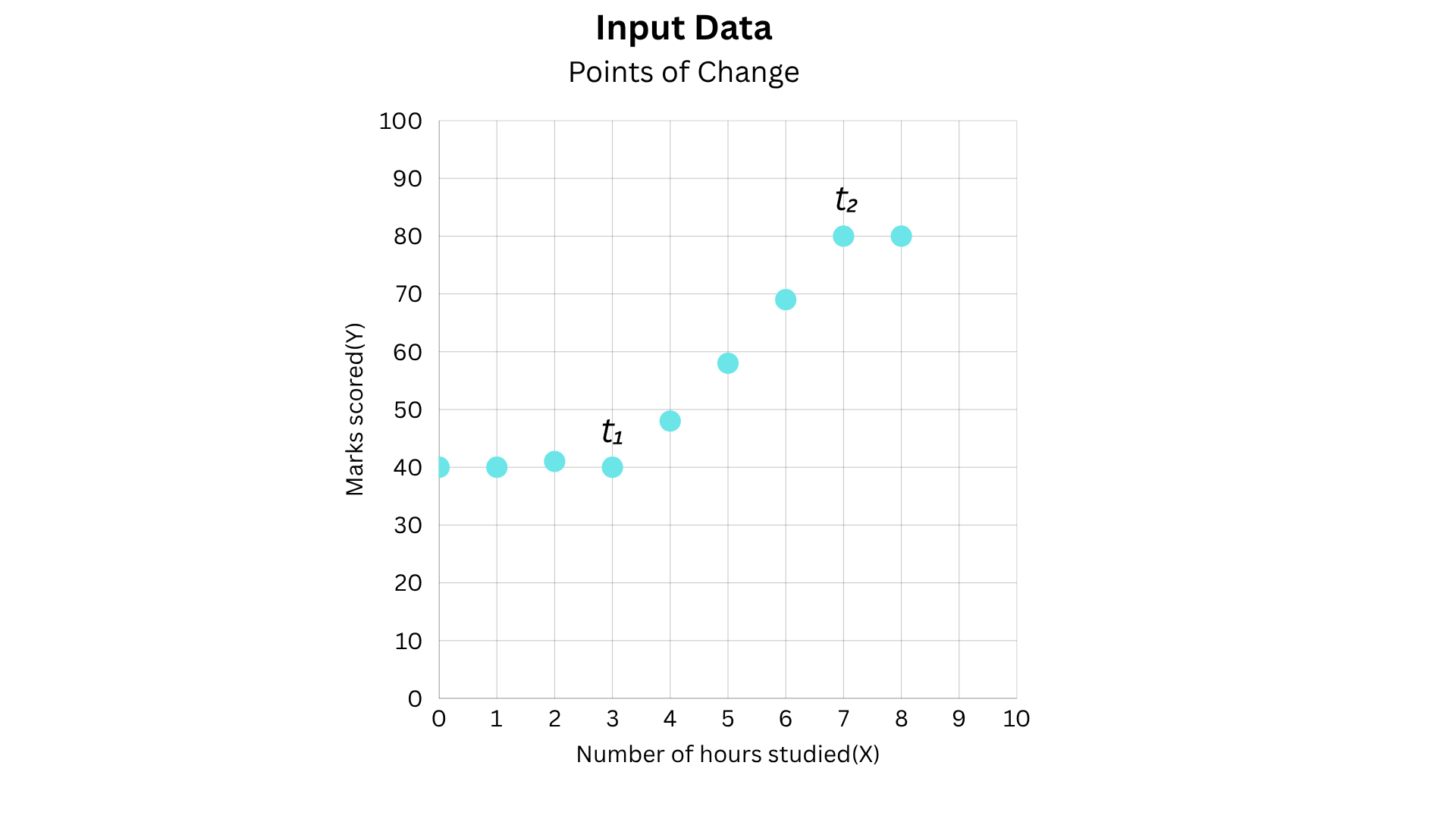
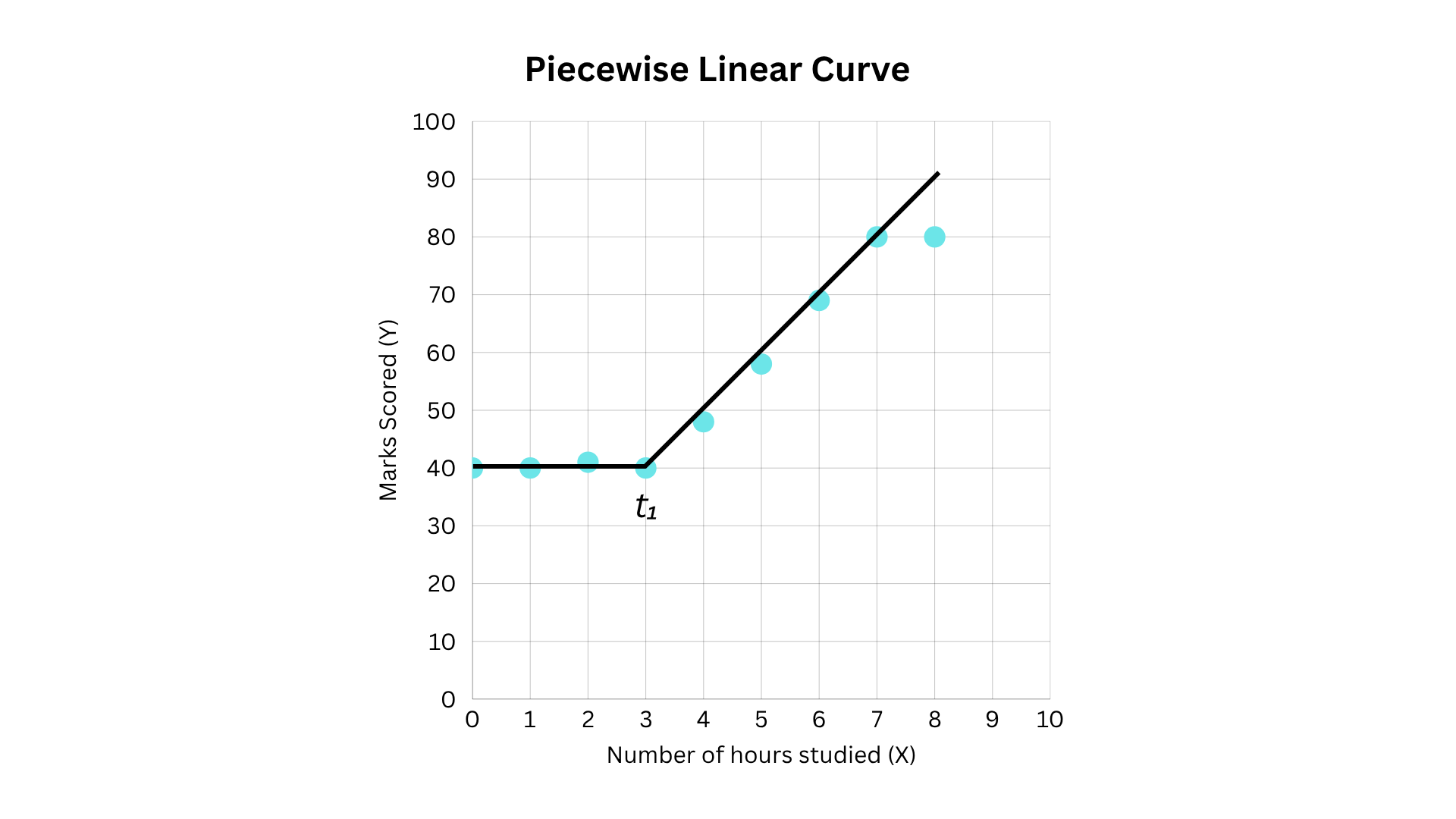
When Ms. Poly plots her data, she expects a clean, diagonal line. However, reality intervenes. Her dataset shows that students who study zero to two hours often stagnate, perhaps because they lack foundational focus. Conversely, once a student hits a "threshold of effectiveness," their marks climb rapidly. Eventually, the gains plateau—there is a limit to how much a student can score, regardless of additional hours.
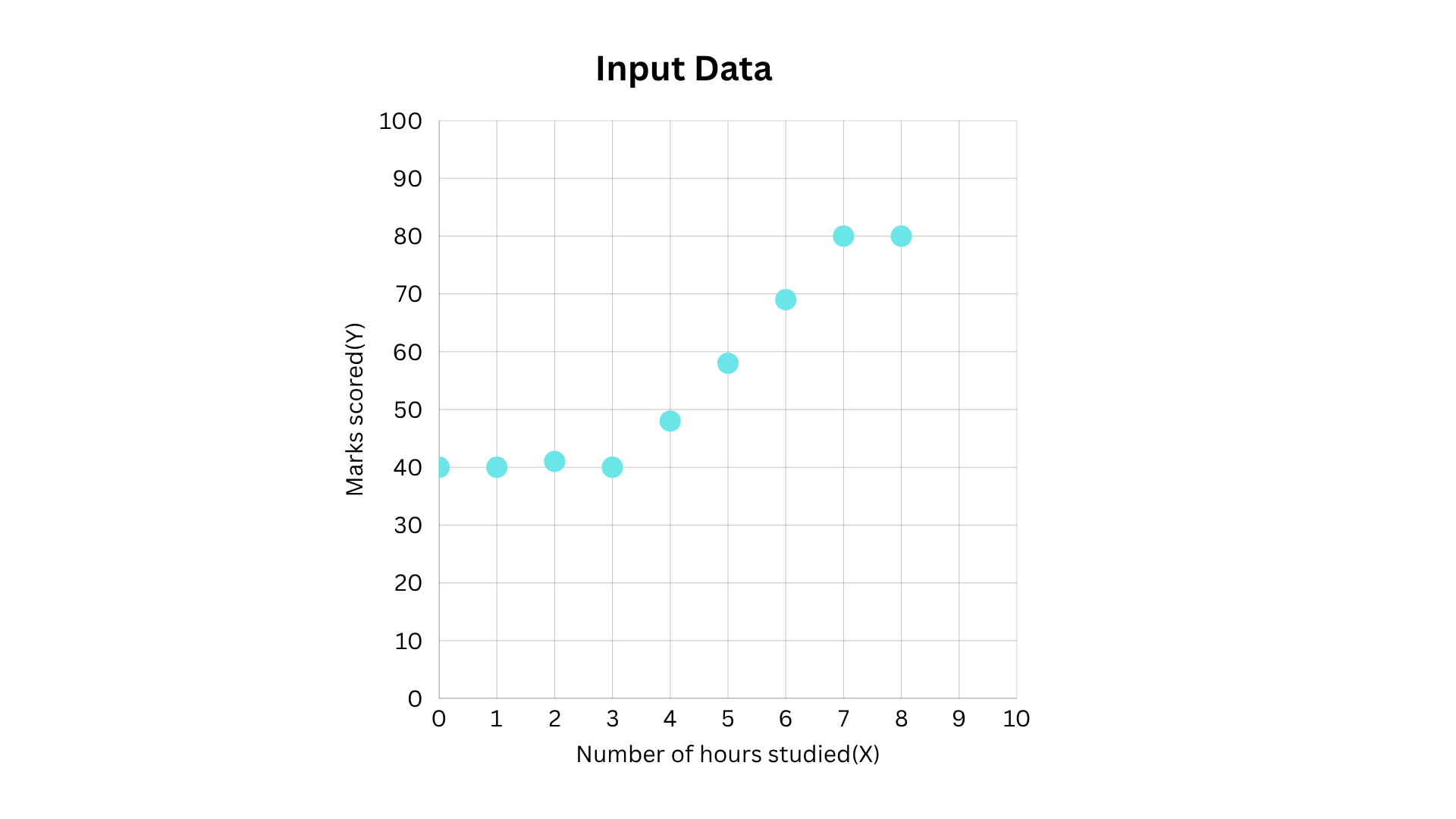
This observation is the genesis of non-linearity. When the "rule" of a system changes based on the input, a single straight line fails. To model this, one must move toward a piecewise approach—treating the data as a series of distinct regions, each governed by its own specific linear logic.
Chronology of a Concept: From Geometry to AI
The transition from simple linear regression to non-linear neural networks did not happen overnight. It was a gradual refinement of mathematical models:
- The Era of Linear Regression: Early statistics relied heavily on models like $y = ax + b$. While sufficient for simple forecasting, these models were "blind" to any relationship that shifted direction.
- The Piecewise Revolution: Mathematicians realized that by "stitching" together multiple linear equations, they could approximate complex curves. This was the first step toward modern deep learning.
- The Rise of Activation Functions: With the advent of artificial neural networks, researchers needed a way to introduce these "bends" into the network without manually defining every region. This led to the development of activation functions like ReLU (Rectified Linear Unit) and Sigmoid.
- Modern Deep Learning: Today, networks consist of thousands or millions of neurons, each applying non-linear transformations to create an incredibly sophisticated map of the input data.
Supporting Data: Why "Bending" the Line Matters
To understand why non-linearity is a technical necessity, we must look at the math. A neural network is essentially a massive stack of linear transformations. If you multiply a matrix (weights) by an input and add a bias, you are performing a linear operation. Mathematically, a series of linear operations, no matter how many layers deep they are, remains a linear operation.
Without a non-linear "activation" step, a 100-layer neural network is no more powerful than a single-layer linear regression model. By introducing non-linearity, we allow the network to fold and twist its interpretation of the data, enabling it to solve XOR problems, classify images, and generate human-like text.
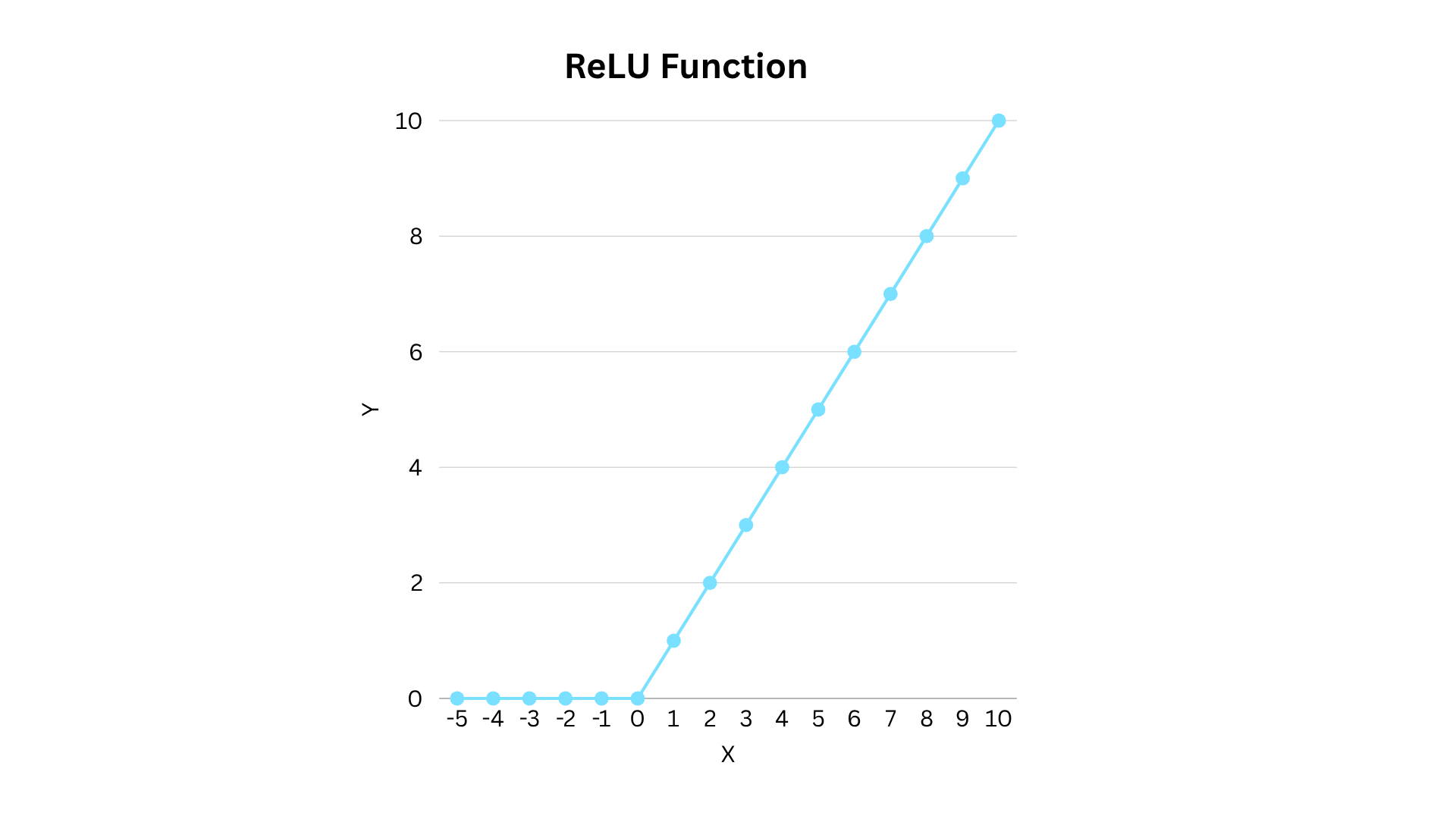
The ReLU (Rectified Linear Unit) Function
The ReLU function is the industry standard for hidden layers in deep neural networks. Its formula is strikingly simple: $f(x) = max(0, x)$. It treats all negative inputs as zero and passes positive inputs through unchanged. This "all-or-nothing" gating mechanism allows the network to selectively activate neurons, effectively learning which features of the data are relevant to the task at hand.
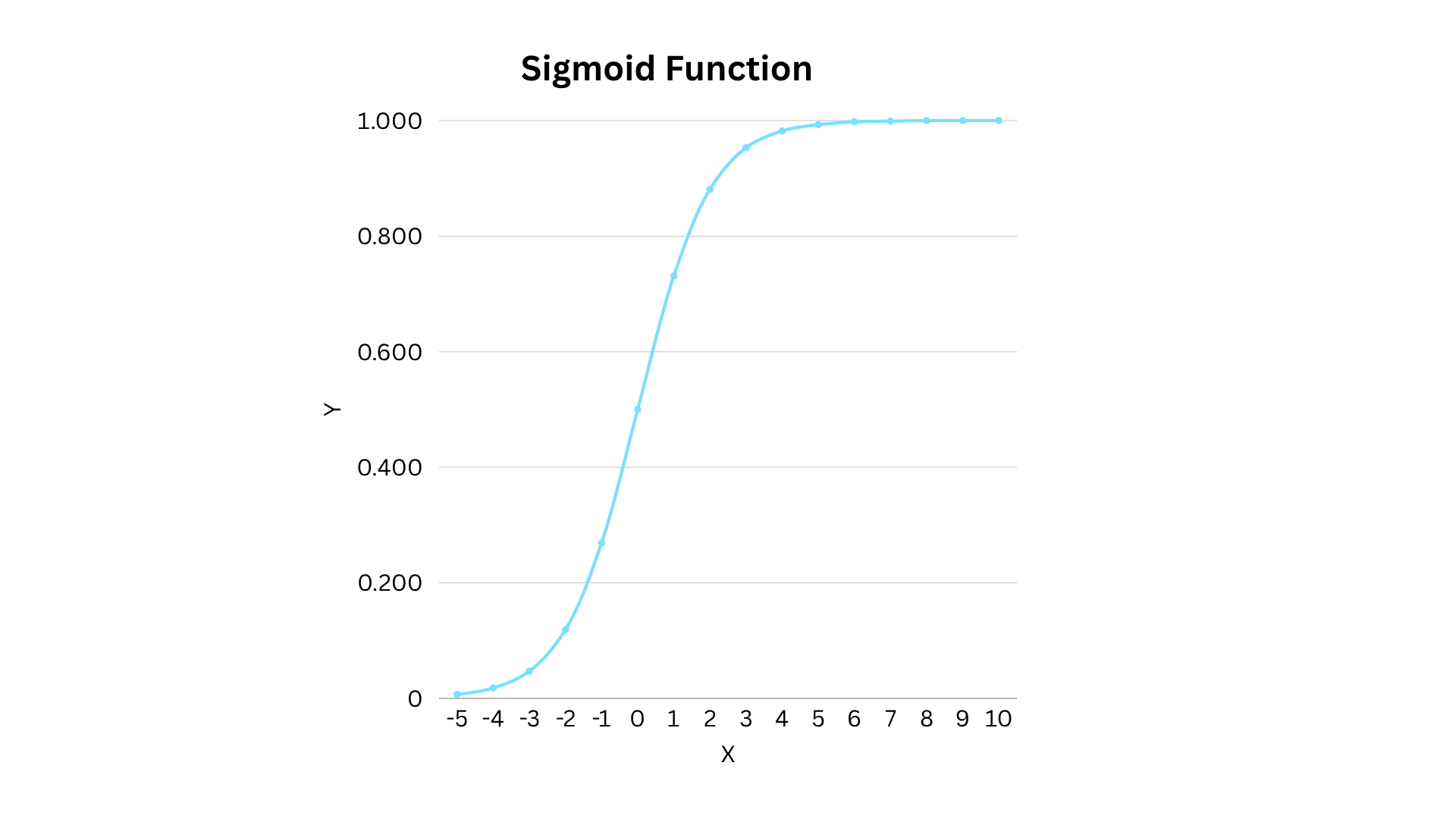
The Sigmoid Function
When the output needs to be a probability—such as "Will this student pass or fail?"—the sigmoid function becomes indispensable. It maps any input value to a range between 0 and 1. The resulting S-shaped curve is smooth and continuous, allowing the network to make nuanced predictions about likelihoods, which is critical for classification tasks.
Practical Implications: A Case Study in Prediction
To demonstrate the efficacy of these functions, consider Ms. Poly’s two-tiered modeling approach:
The ReLU Model (Numerical Prediction)
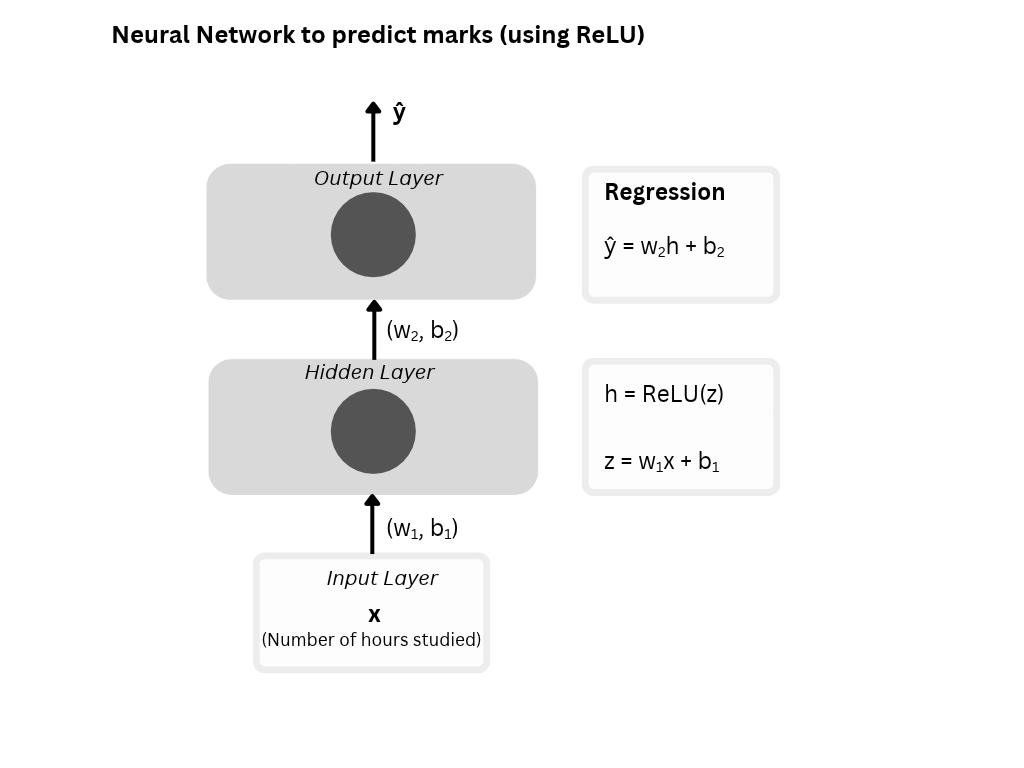
By passing study hours through a ReLU-activated layer, the model creates a "threshold." Hours below a certain point result in a static output, while hours above that threshold result in a linear increase. When Ms. Poly compares the predicted marks to her actual classroom data, the match is significantly higher than a basic linear model. The model captures the "ramp-up" phase of learning.
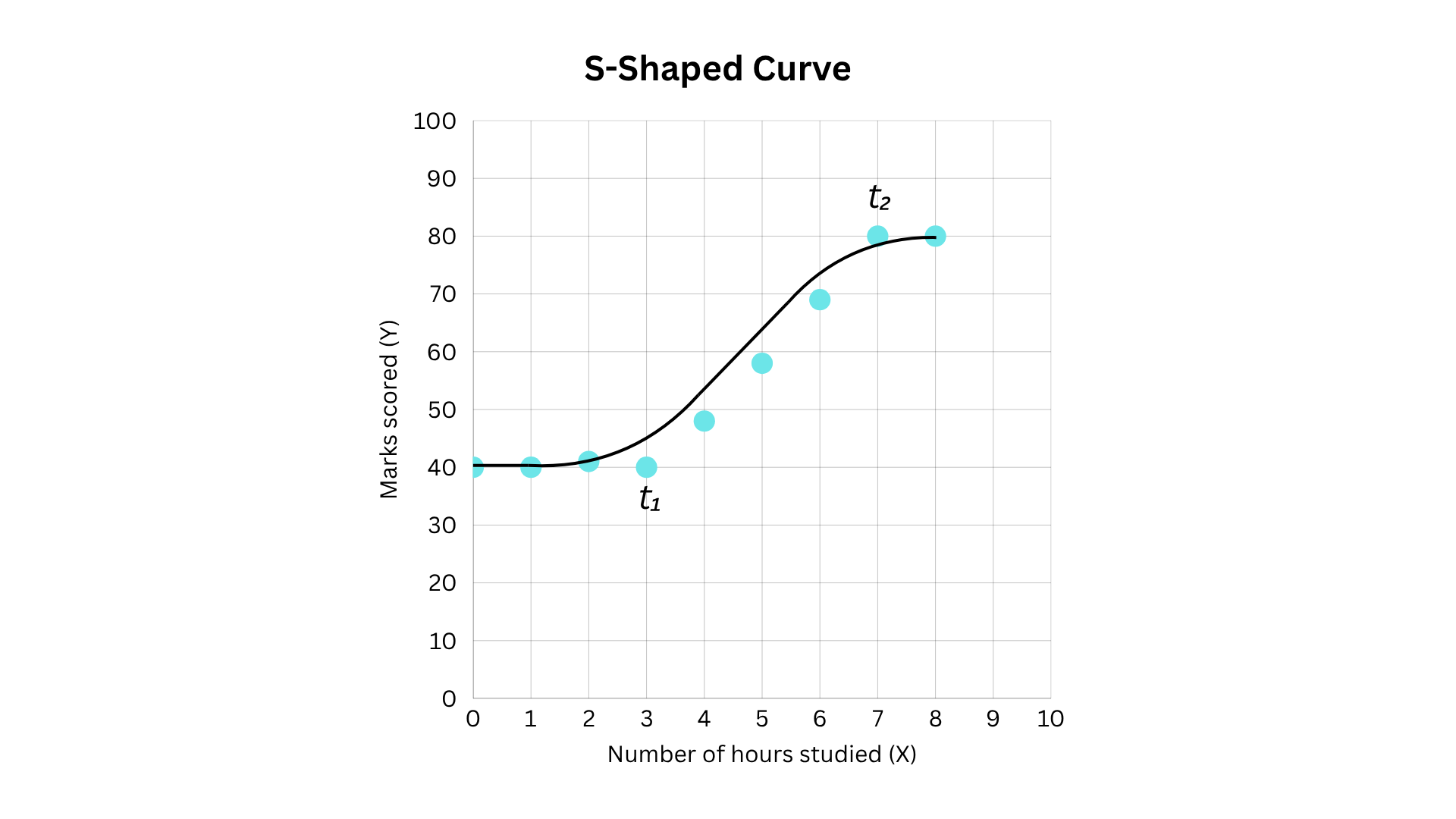
The Combined Model (Classification)
When moving from predicting a raw score to a binary "Pass/Fail" result, Ms. Poly adds a sigmoid function to the end of her network. The ReLU layer processes the study hours to determine the strength of the student’s preparation, and the sigmoid layer compresses that strength into a probability. If the probability is $> 0.5$, the student is flagged as a "Pass." This multi-layered, non-linear approach mimics the decision-making processes found in real-world AI applications, such as medical diagnostic tools or credit scoring engines.
The Future of Non-Linearity
The implications of these concepts are profound. Every time a smartphone unlocks via facial recognition or a voice assistant interprets a command, it is utilizing these non-linear transformations. The ability to model complex, non-linear relationships is what distinguishes "smart" software from rigid, rule-based programming.
As we look toward the future, the focus is shifting from simple activation functions like ReLU to more dynamic, self-adjusting non-linearities. Researchers are exploring how networks can learn their own "bends," allowing them to adapt to ever-changing data landscapes with increasing efficiency.
Conclusion: Complexity as an Asset
The journey from $y = ax + b$ to complex, multi-layered neural networks is a testament to the power of mathematical abstraction. By embracing non-linearity, we have moved beyond the limitation of the straight line, unlocking the ability to map the intricate, non-linear fabric of the real world.
For the aspiring data scientist, the lesson is clear: the most interesting patterns in data exist in the curves, the transitions, and the thresholds. Understanding these concepts is not just about mastering the math—it is about gaining the tools to interpret the complex, often unpredictable world around us. Whether it is predicting student performance or decoding the human genome, the ability to "bend" our models to fit the data is what drives innovation in the age of artificial intelligence.


 Jia Lissa

 Nila Kartika Wati

 Raul Delapena Setiawan

 Reynand Wu

 Sagoh


 Azzam Bilal Chamdy

 Ali Ikhwan
