
 Nana Muazin
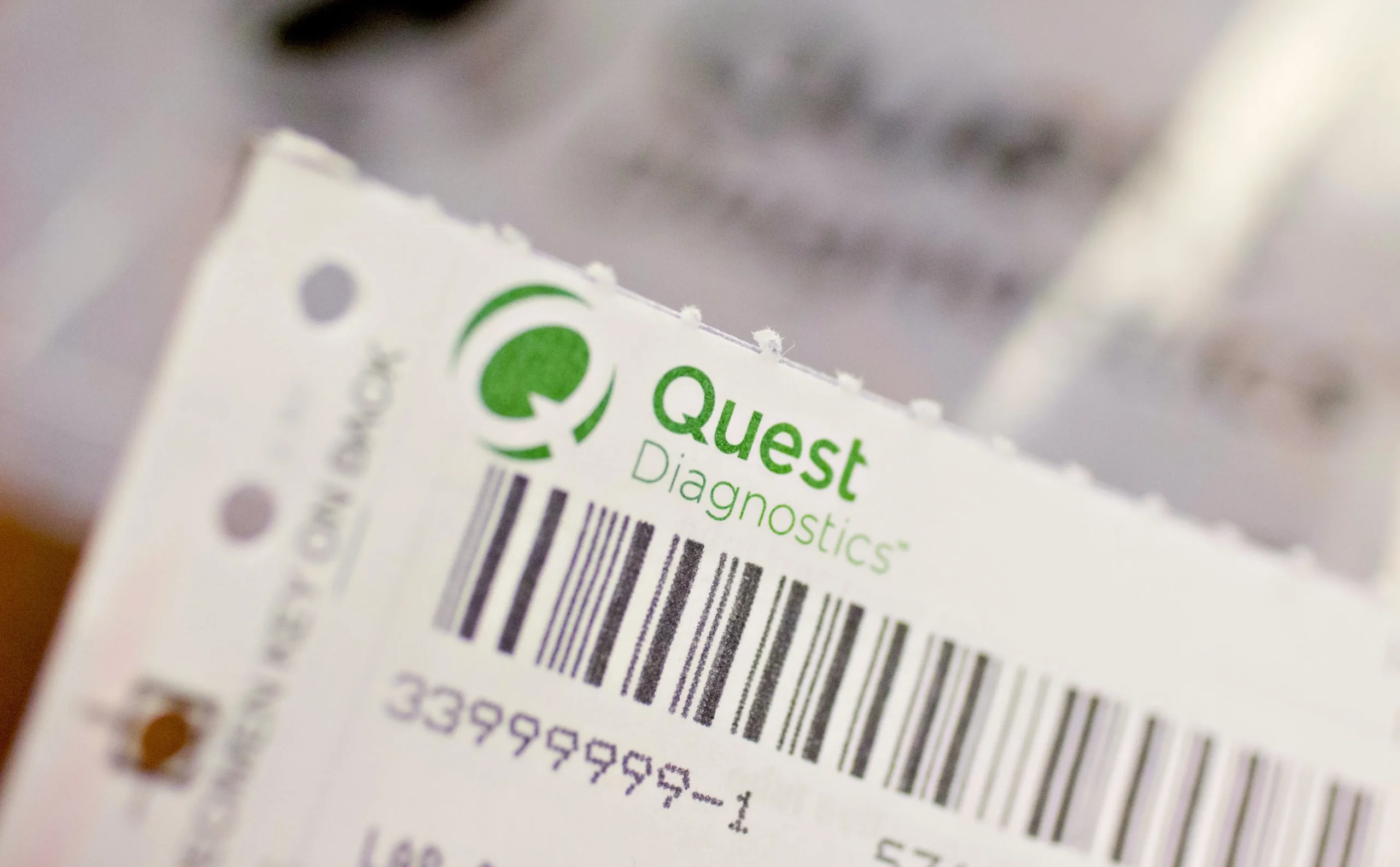
In a chilling reminder of the fragility of digital medical records, medical testing giant Quest Diagnostics has confirmed a significant cyberattack on its core infrastructure. The breach, which was formally disclosed in an 8-K filing with the U.S. Securities and Exchange Commission (SEC), centers on the company’s "Quanum" platform—a vital nerve center used by hundreds of thousands of clinicians across North America for diagnostic testing, billing, and patient record management.
As the healthcare sector continues to grapple with an unprecedented wave of digital extortion and data theft, this incident at Quest underscores the massive risks inherent in modernizing medical data. While the full extent of the exfiltrated data remains under investigation, the breach potentially exposes millions of patients to identity theft, medical fraud, and the unauthorized disclosure of their most sensitive health histories.
The Anatomy of the Attack: What We Know
The breach, identified by Quest Diagnostics on a Wednesday, targeted the Quanum platform. Quanum is not merely a lab portal; it is an integrated ecosystem that allows hospitals, private practices, and independent laboratories to request tests, track diagnostic outcomes, and manage the complex billing cycles associated with modern healthcare.
According to the official SEC disclosure, unauthorized actors gained access to "certain patient records" stored within the platform. While the company has yet to provide a definitive count of the affected individuals, the scope of the potential damage is vast. Quanum is utilized by approximately 500,000 clinicians across thousands of facilities. Because the platform serves as a repository for diagnostic results and billing information, the data likely includes a toxic mix of Personally Identifiable Information (PII) and Protected Health Information (PHI).
The company’s initial security notice—which notably included "noindex" tags to discourage search engine discovery—confirmed that the stolen data included "personal information and patient records." However, the lack of granular detail provided to patients has raised immediate concerns among cybersecurity experts and privacy advocates.
A Timeline of Growing Instability in Healthcare IT
The attack on Quest Diagnostics does not exist in a vacuum. It is the latest, and arguably one of the most significant, entries in a grim ledger of 2026 healthcare cyber incidents. The industry has been under siege, with threat actors shifting their focus toward high-value targets that manage the lifeblood of patient care.
The 2026 Wave of Disruption
- March 2026: Medical technology manufacturer Stryker suffered a devastating cyberattack that resulted in the mass-wiping of employee devices, effectively paralyzing internal communications and operational workflows for days.
- July 2026: CareCloud, a prominent medical recordkeeping firm, was forced to notify hundreds of thousands of patients that their medical records had been stolen by hackers, leading to a cascade of identity theft concerns.
- July 2026: Craneware, a Scotland-based healthtech provider relied upon by thousands of U.S. hospitals and pharmacies, reported a significant theft of data, highlighting the vulnerability of third-party vendors in the healthcare supply chain.
- August 2026: Boston Scientific, a global leader in medical implants, was forced to take its network offline following a cyberattack that caused global operational disruptions, forcing hospitals to reschedule surgeries and scramble for alternative diagnostic tools.
- August 2026: Pharmaceutical giant McKesson fell victim to a massive data breach, with hackers claiming to have exfiltrated millions of patient records, further cementing 2026 as one of the most volatile years in healthcare security history.
Supporting Data: The Scale of the Risk
To understand the gravity of the Quest Diagnostics breach, one must look at the volume of data flowing through the Quanum platform. A 2026 case study published by Quest itself provides a sobering glimpse into the scale: a single mid-sized health system utilizing the platform’s tools can manage upwards of 6 million patients, generating hundreds of millions of individual medical documents and charts.
If a single health system accounts for hundreds of millions of records, the cumulative impact of a breach affecting the entire Quanum platform is astronomical. Even if only a fraction of these records were accessed, the resulting data dump would be among the largest in the history of the industry.
Furthermore, this is not Quest’s first encounter with such a crisis. In 2019, the company lost the records of 11.9 million patients in a third-party billing breach. That event was a wake-up call for the industry regarding the dangers of "supply chain risk"—the idea that a company’s security is only as strong as its weakest partner or integrated software platform.
Official Responses and the "Communication Gap"
The response from Quest Diagnostics has been criticized for its lack of transparency. While the company has complied with legal disclosure requirements by filing with the SEC, its outward-facing communication has been perceived as defensive.
Amanda Rivera, a spokesperson for Quest, declined to answer specific questions regarding the duration of the breach, the potential involvement of ransomware gangs, or whether a ransom demand had been issued. Instead, the company directed all inquiries to a brief, static security notice on their website. The decision to tag this notice with "noindex" code—a technical maneuver that effectively hides the page from search results—has drawn sharp criticism from privacy advocates who argue that companies have a moral, if not legal, obligation to make breach notifications as accessible as possible.
In their official notice, Quest stated: "We are currently investigating the nature of the data involved and will provide further updates as we gain more clarity." This remains the standard boilerplate for major corporations, yet it offers little comfort to the millions of patients whose health records may currently be circulating on dark web marketplaces.
Broader Implications: Why Healthcare is the New "Gold"
The systemic targeting of the healthcare industry is no longer a matter of chance; it is a calculated business model for cybercriminals.
1. The Value of Medical Data
Unlike credit card numbers, which can be cancelled, medical records are permanent. A social security number, a diagnostic history, and insurance details constitute a "fullz"—a comprehensive profile that allows criminals to commit long-term medical identity theft. This includes filing fraudulent insurance claims, obtaining expensive medical procedures in the victim’s name, or purchasing prescription drugs for resale.
2. The "Extortion Multiplier"
Healthcare companies are uniquely vulnerable to ransomware because they prioritize patient safety above all else. If a hospital’s network is encrypted, surgeries cannot be scheduled, and patient charts cannot be accessed, potentially leading to loss of life. Criminals leverage this "life-or-death" pressure to demand higher ransoms, knowing that healthcare providers are more likely to pay to restore operations quickly.
3. The Fragility of Interconnectivity
The "Quanum" model represents the industry’s push toward digital integration. While this improves efficiency and patient outcomes, it also creates a massive "attack surface." Every doctor’s office, clinic, and hospital connected to a centralized platform acts as a potential entry point for attackers. Once a centralized hub like Quanum is compromised, the breach is no longer localized; it becomes a systemic catastrophe.
4. Regulatory and Legal Fallout
As these breaches become more frequent, regulators are beginning to take a harder line. The SEC’s focus on cybersecurity disclosures is expected to intensify, and the potential for class-action lawsuits following a breach of this magnitude is substantial. Quest Diagnostics will likely face years of litigation and increased oversight from federal agencies, including the Department of Health and Human Services (HHS), which enforces HIPAA regulations.
Conclusion: A Turning Point for Patient Privacy
The breach at Quest Diagnostics is a clarion call for a fundamental shift in how the healthcare industry approaches data security. For too long, digital transformation has been prioritized over robust, "security-first" architecture.
As we look toward the future, the industry must grapple with several hard questions: How much data should be stored in centralized platforms? Are the current encryption and authentication protocols sufficient to defend against nation-state-level threats? And most importantly, how can companies regain the trust of patients who have been forced to entrust their most private information to systems that are increasingly being treated as low-hanging fruit by cybercriminals?
Until the healthcare sector adopts a more transparent, rigorous, and proactive security posture, the "Quest" for patient data will continue to be a primary focus for the criminal underworld. For now, millions of patients are left to wait for the results of an investigation that may take months to complete, all while their medical identities remain at risk.
Do you work at Quest Diagnostics or have information regarding this breach? You can reach the editorial team securely via Signal at the username zackwhittaker.1337 or by email at [email protected].


 Reynand Wu

 Sagoh

 Raul Delapena Setiawan


 Azzam Bilal Chamdy

 Ali Ikhwan
