
 Sagoh
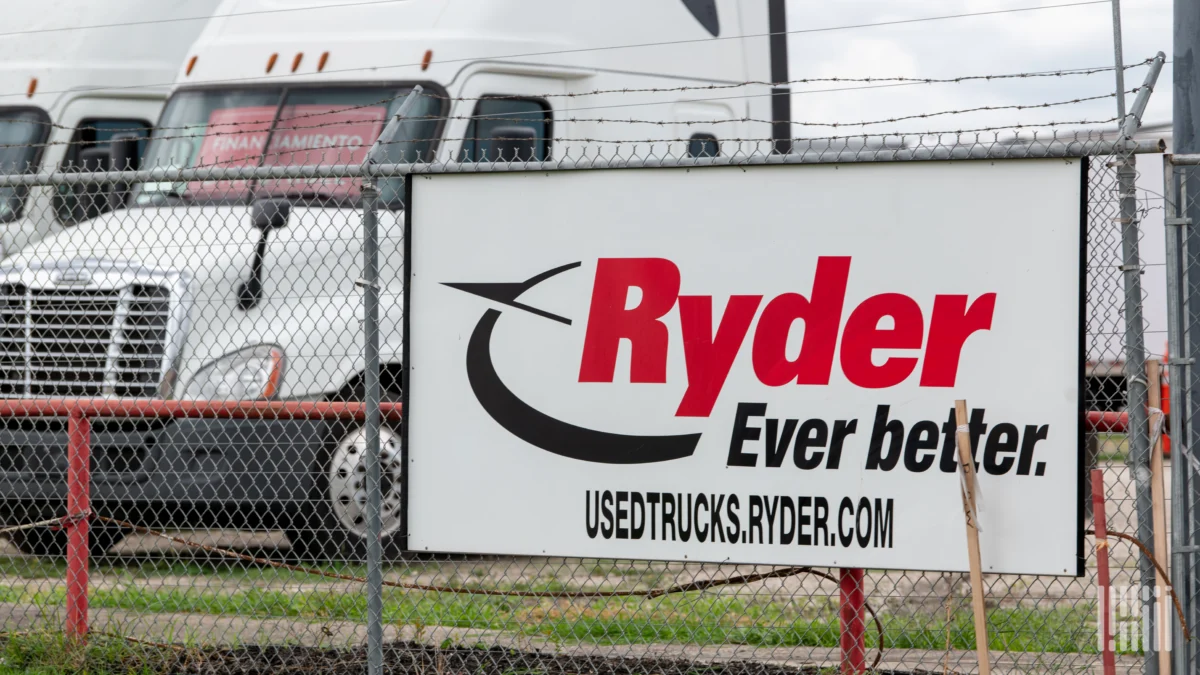
The logistics and transportation landscape is bracing for a seismic shift. As the 2027 Environmental Protection Agency (EPA) mandates regarding nitrogen oxide (NOx) emissions draw nearer, heavy-duty vehicle operators are grappling with the logistical and financial implications of compliance. For industry giants like Ryder System, Inc. (NYSE: R), the challenge is twofold: maintaining fleet modernization while navigating the uncertainties of evolving federal regulations.
Ryder’s recent third-quarter earnings performance, characterized by strong operational metrics and a bullish outlook, has provided a stable platform from which to address these upcoming hurdles. As the company looks toward the next fiscal cycle, its leadership is balancing the immediate pressures of fleet growth with the long-term, structural changes mandated by environmental policy.
Financial Performance: A Market-Moving Quarter
Ryder’s third-quarter results served as a powerful testament to the company’s resilience. Following the early Thursday release of its financial report, investors responded with enthusiasm, driving the company’s stock up by 10.49% to $265.53. This surge represents a substantial 25.22% gain, signaling strong market confidence in management’s ability to navigate current headwinds. While the stock remains below its 52-week high of $284.25, established on June 12, the momentum generated by the Q3 earnings call suggests that shareholders are optimistic about the firm’s growth trajectory.
The earnings call was dominated by discussions surrounding the company’s strategy for fleet expansion. Central to this discussion was the interplay between Ryder’s ChoiceLease business—which handles long-term vehicle leasing—and the inevitable inflationary pressure expected to accompany the transition to EPA ’27-compliant engines.
Chronology of Regulatory Uncertainty
The EPA’s 2027 engine rules represent the most significant change in diesel engine technology in over a decade. The mandate seeks to drastically reduce NOx emissions, a primary contributor to smog and respiratory health issues. However, the path to implementation has been anything but linear.
The Legislative Evolution
- Initial Proposal: The EPA introduced the stringent standards with the intent of forcing a leap in emissions-control technology.
- The Amendment Phase: Recognizing industry concerns, the EPA has initiated an amendment process. This includes re-evaluating noncompliance penalties and modifying the "deratement" rules—a controversial measure that would automatically slow or shut down a vehicle if diesel exhaust fluid (DEF) levels fall below a specific threshold.
- The Current State: As of late 2026, original equipment manufacturers (OEMs) and fleet operators like Ryder are operating in a state of "wait-and-see." Without final, settled rules, making long-term capital allocation decisions for the 2027 model year has become a high-stakes guessing game.
Fleet Management and the "Pre-Buy" Phenomenon
A perennial question in the trucking industry is whether impending regulatory changes will trigger a "pre-buy"—a surge in orders for older, cheaper, and more familiar engine technology before new, more expensive, and less tested technology becomes mandatory.
Ryder CEO John Diez, however, suggests the anticipated rush has not materialized. "We have not seen any sort of pre-buy surge activity with the change in technology," Diez stated during the earnings call. This sentiment was echoed by Tom Havens, President of Ryder’s Fleet Management Solutions. Havens noted that while it is widely understood that price increases are inevitable in 2027, the industry has shown remarkable restraint.
"Some customers took advantage of it, but not to any large extent," Havens observed. This lack of a mass pre-buy suggests a cautious market, perhaps influenced by the ongoing uncertainty surrounding the final EPA regulatory language and the high cost of capital for fleet renewal.
Supporting Data: Operational Metrics
Ryder’s fleet data, as highlighted by analyst Jeffrey Kauffman of Citizens JMP Securities, indicates that the current inventory of tractors is below historic norms. Kauffman pointedly questioned whether Ryder had secured enough "slots" with OEMs to ensure that demand could be met as the 2027 mandate nears.
Key Performance Indicators
- Rental Fleet Utilization: During the third quarter, rental fleet utilization hit 77%, a notable increase from the 70% reported a year prior. While this remains below the 81.6% peak seen in the second quarter of 2022, it underscores a tightening market.
- Used Vehicle Inventories: Ryder’s used vehicle inventory sits at 7,300 units, at the lower end of the company’s target range of 7,000 to 8,500. This low inventory level has been a major contributor to the company’s strong financial performance.
- Retail vs. Wholesale: The company is increasingly prioritizing retail sales over wholesale channels for its used equipment. In the third quarter, 61% of used vehicle sales were retail, up from 54% the previous year. CEO John Diez expects this to cross the 70% threshold by 2027, providing a crucial "hedge against market forces."
Official Responses and Strategic Outlook
Management’s response to the potential for a fleet shortfall is one of measured confidence. CEO John Diez emphasized that the company has already begun the process of procuring equipment, a move clearly reflected in the company’s updated capital expenditure budget.
"We are confident we can grow that fleet," Diez stated. He acknowledged that while utilization rates are not currently at the "screaming red levels" of the post-COVID era, the company is proactive in adding equipment to meet anticipated demand. By leveraging its strong cash position and strategic relationships with OEMs, Ryder aims to ensure it is not left with a capacity deficit when the market transitions to the new engine standards.
Implications for the Broader Industry
The implications of Ryder’s strategy extend beyond its own balance sheet. As a bellwether for the logistics industry, Ryder’s approach offers a blueprint for how large-scale operators are handling regulatory, labor, and economic volatility.
The Human Capital Factor
Beyond hardware, Ryder’s Dedicated Transportation Solutions (DTS) segment provides insight into the labor market. John Sensing, president of DTS and Supply Chain Solutions, noted that the company is navigating a wage-inflation environment with "mid-to-single-digit" increases in certain regions.
Ryder mitigates this through "annual CPI openers" and specialized "driver wage indices" that allow the company to renegotiate contracts if labor costs spike unexpectedly. Furthermore, the company’s value proposition—offering jobs where 80% of drivers are home daily or nightly—remains a powerful retention tool in a highly competitive driver market.
The Regulatory Risk
The primary risk remains the regulatory timeline. If the EPA finalizes the rules with rigid "deratement" clauses or excessive noncompliance penalties, it could force an even tighter supply of new tractors as OEMs struggle to certify their engines. This would likely drive up costs for both leasing companies and their end-user clients.
Conclusion: A Hedge Against Uncertainty
Ryder’s strategy for the coming years is defined by agility. By shifting toward retail-focused used vehicle sales to maximize margins and maintaining a flexible, well-maintained fleet, the company is effectively building a buffer against the unknowns of 2027.
As John Diez noted, the company will provide a more granular look at its 2027 projections during the fourth-quarter earnings call. Until then, the industry will be watching Ryder closely—not just for its financial results, but as a test case for how a legacy player in the logistics sector can successfully navigate the intersection of environmental policy, capital intensity, and the unrelenting demand for efficiency in the modern supply chain. The road to 2027 is paved with uncertainty, but for Ryder, the strategy appears to be one of calculated, steady progression.


 Ali Ikhwan

 Raul Delapena Setiawan

 Reynand Wu



 Azzam Bilal Chamdy

