
 Ali Ikhwan
In the modern corporate landscape, the role of the Chief Procurement Officer (CPO) has evolved from a back-office administrative function to a strategic linchpin. Today’s CPO is expected to navigate global supply chain volatility, spearhead ESG initiatives, manage digital transformation, and act as a key advisor to the CEO. However, this level of responsibility comes at a significant cost: the relentless intensity of the role can lead to rapid burnout.
For the modern executive, the challenge is not just surviving the daily fire-fighting, but actively seeking strategies to recharge. As the professional community at Procurement Leaders has observed, the most resilient leaders are those who prioritize human connection and the celebration of collective success.
The Necessity of Unplugging: Finding Neutral Ground
The intensity of procurement leadership is constant. With stakeholders demanding efficiency, transparency, and agility, the psychological burden on CPOs is substantial. To sustain long-term performance, leaders must make a conscious effort to step away from the formal office environment.
The Power of the Social Lubricant
Effective recharging often requires removing the formal, agenda-driven constraints of the boardroom. Whether it is a shared meal, a glass of wine, or a brisk walk—or even, as some might joke, "spoiling a good walk" with a round of golf—the setting matters.
The goal of these interactions is to create a "neutral environment" where the hierarchy of the corporate structure fades. When the rigidity of KPIs and quarterly targets is replaced by organic conversation, the results are often surprising. Research within the Procurement Leaders network suggests that nine times out of ten, informal discussions among peers lead to the most valuable, innovative, and empathetic breakthroughs. By stripping away the formal agenda, leaders allow their minds to wander into new territory, often finding solutions to problems they hadn’t realized were holding them back.
Chronology: Two Decades of Excellence and Recognition
Recognition is not merely a vanity metric; it is a vital psychological tool for morale. Celebrating success is a powerful way to remind both the individual and the wider function of the transformative work being done.
- 2000s: The realization that procurement was shifting from an administrative role to a strategic powerhouse.
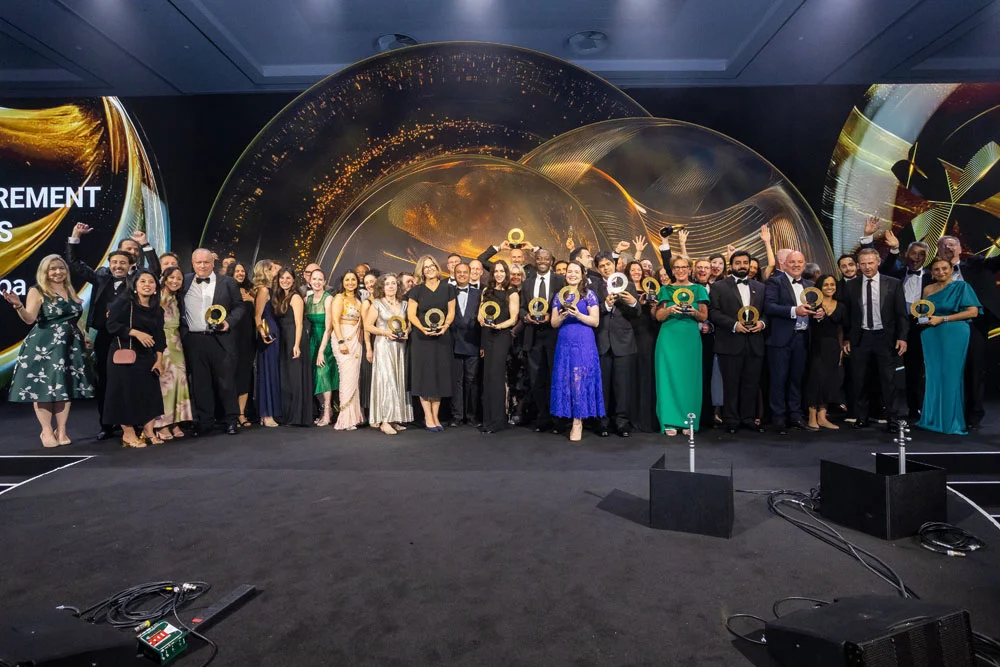
- 2004: The inaugural World Procurement Awards were launched by Procurement Leaders to highlight innovation and excellence in the field.
- 2010s: The Awards evolved to focus on global impact, sustainability, and digital integration.
- 2024: The focus shifted toward resilience and the "human element" of procurement leadership.
- 2027: The current cycle of the World Procurement Awards officially opened for entries last week, marking a new milestone in the recognition of global supply chain excellence.
The longevity of the World Procurement Awards speaks to a fundamental truth in leadership: high-performing teams need to see their efforts validated on a grand stage. By documenting these successes, the profession elevates its own status and attracts top-tier talent.
The Judging Paradox: Why Busy Leaders Make Time
Last week, as the 2027 World Procurement Awards opened its doors for entries, a cohort of elite CPOs signed on to serve as judges. These are individuals operating at the highest levels of global commerce—executives whose calendars are booked months in advance and whose time is measured in thousands of dollars per hour.
Despite the added burden of reviewing dozens of complex, high-stakes entries, these leaders volunteered for the task. This leads to an intriguing question: Why would an already overworked CPO voluntarily add hours of labor to their schedule?
The "Net Energy Giver" Phenomenon
In discussions with this year’s judging panel, the rationale became clear. When asked about the commitment, these executives described the process not as a "chore," but as a "privileged" and "honoured" experience. The consensus among the judges is that the process is a "net energy giver."
While the act of judging requires time, the return on investment is significant:
- Access to Unique Insight: Judges are exposed to the most innovative case studies from across the globe, providing them with a "masterclass" in procurement strategy that they wouldn’t encounter in their daily routines.
- Meaningful Connection: The judging panel itself becomes a microcosm of the industry’s brightest minds, facilitating networking that transcends traditional industry barriers.
- Giving Back: There is a profound psychological benefit to mentorship and validation. Helping to curate and award excellence reinforces a sense of purpose within the function.
Supporting Data: The Impact of Professional Community
The "community model" is the backbone of modern executive development. Data collected through the Procurement Leaders network consistently shows that CPOs who are actively involved in peer groups report higher levels of job satisfaction and lower levels of professional isolation.
- Peer-to-Peer Learning: 82% of surveyed CPOs noted that they gain more actionable advice from informal peer discussions than from traditional consultancy reports.
- The Psychological Buffer: Regular interaction with peers who face similar challenges—such as supply chain disruptions or inflation—acts as a psychological buffer against the stress of executive decision-making.
- Innovation Velocity: Companies where the CPO is actively involved in professional development and award judging tend to show a 15% higher rate of digital adoption and process innovation.
The evidence is clear: the isolation of the C-suite is the enemy of innovation. When leaders share their stories, they don’t just "vent"; they calibrate their strategies against the collective intelligence of the market.
Official Perspective: The Role of Curation
At Procurement Leaders, the approach to community management is deliberate. Curation is not merely about organizing events; it is about creating environments where high-level executives can drop their guards.
"We are extremely diligent about how we create and curate content," says a spokesperson for the organization. "It is not about filling a room with people; it is about creating a space where the conversation can go where it needs to go."
This philosophy is reflected in the design of the World Procurement Awards. The process is designed to be rigorous, ensuring that when an organization wins, it is a testament to genuine transformation. For the judges, this rigor provides the "insightful and rewarding" experience they crave. They are not just reviewing applications; they are evaluating the future of the profession.
Implications: The Future of Procurement Leadership
What does this mean for the next generation of CPOs? As the role continues to gain influence, the ability to manage one’s energy will be just as important as the ability to manage a supply chain.
1. Shift toward Mentorship
The willingness of top-tier leaders to judge awards indicates a shift in the industry culture. There is a growing understanding that "giving back" is an essential component of "getting ahead." Expect to see more mentorship programs and collaborative forums in the coming years.
2. The Decline of the "Lone Wolf"
The era of the "lone wolf" CPO is effectively over. The complexities of modern procurement—from geopolitical risk to AI implementation—are too vast for any single executive to navigate alone. The leaders who succeed in the next decade will be those who leverage community intelligence as a strategic asset.
3. Sustainability through Recognition
As burnout continues to be a major risk in the profession, the role of awards and public recognition will only grow. It serves as a necessary cycle of appreciation that keeps talent within the profession and motivates teams to pursue excellence.
Conclusion: Sustaining the Spark
Ultimately, the role of the CPO is one of the most demanding in modern business. However, it is also one of the most dynamic. By stepping out of the rigid, intense framework of the office and into the supportive, collaborative spaces offered by communities and award processes, leaders can do more than just manage the grind—they can transform it.
Whether it is through the insight gained from judging a world-class award entry or the informal camaraderie of a conversation over coffee, the key to longevity is finding those "net energy givers." For the CPO, the secret to the future isn’t working harder; it is connecting better.
To receive weekly insights from the Procurement Leaders community, sign up to the CPO Crunch newsletter using the link at the top of this page.


 Sagoh

 Raul Delapena Setiawan

 Reynand Wu



 Azzam Bilal Chamdy

