
 Nana
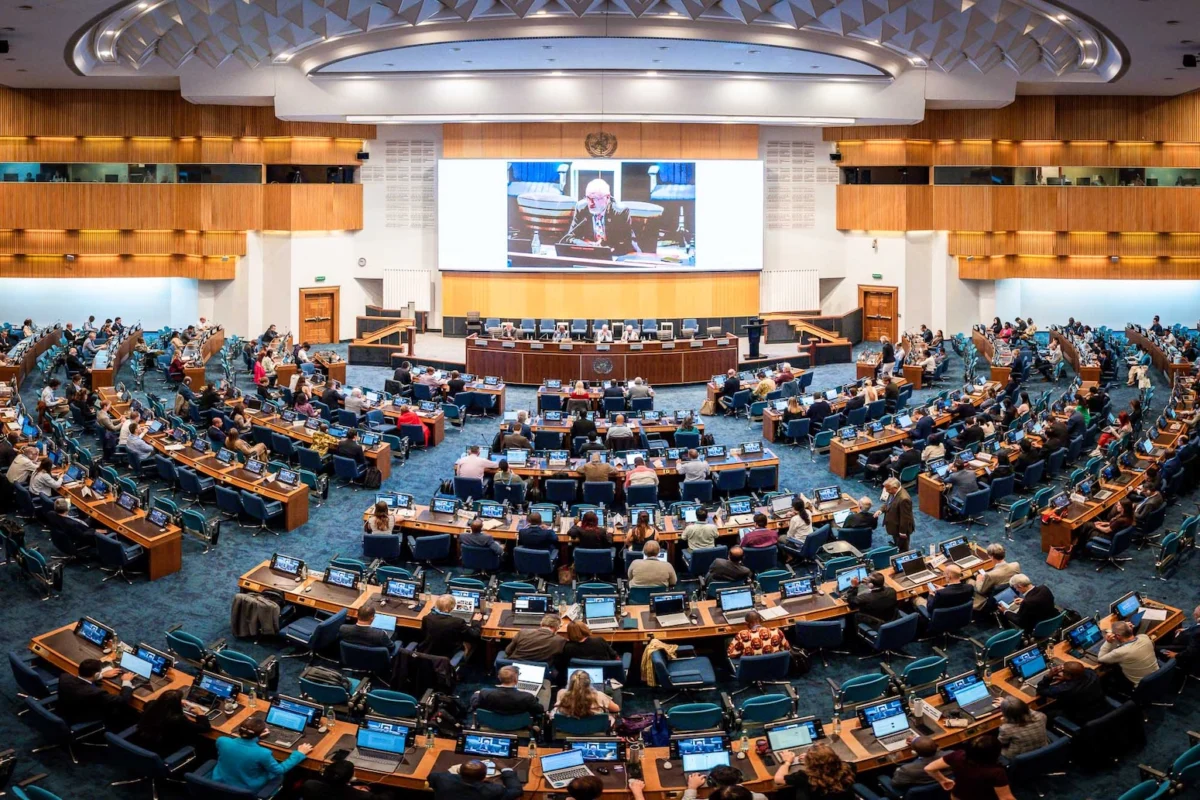
The Intergovernmental Panel on Climate Change (IPCC) has reached a historic impasse. For the sixth consecutive session, member nations have failed to agree on a timeline for the Seventh Assessment Report (AR7), leaving the world’s most authoritative source of climate science in a state of paralyzing uncertainty.
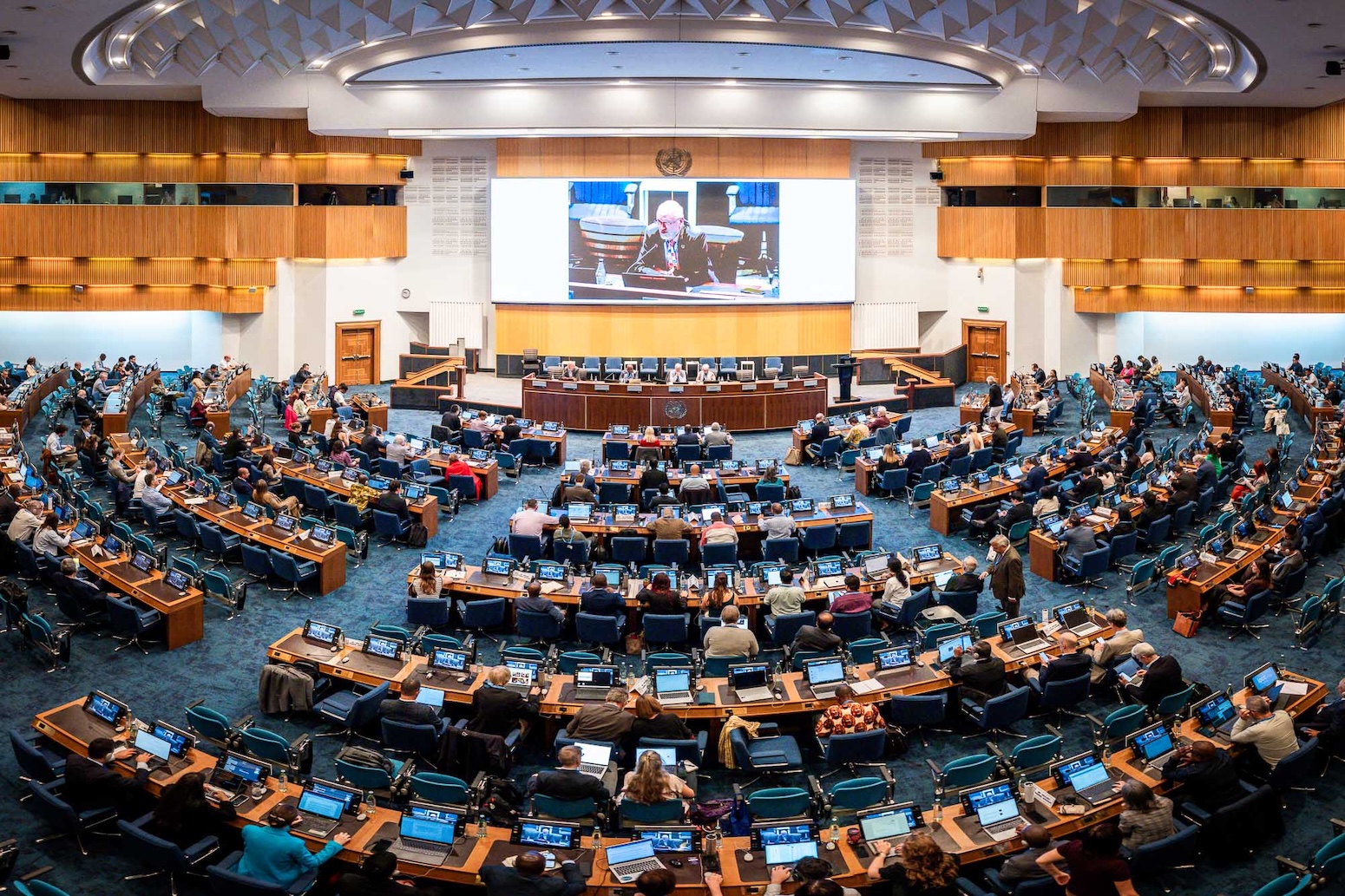
The 65th session (IPCC-65), held in Addis Ababa, Ethiopia, was widely considered the "last-chance" window for establishing a schedule that would see critical scientific findings published in time to inform the United Nations’ second "global stocktake" in 2028. Instead, the meeting concluded with the abrupt suspension of talks by IPCC Chair Prof. Sir Jim Skea, who described the event as a "profound disappointment" and among the most challenging gatherings in the organization’s history.
The Core Conflict: A Timeline in Limbo
At the heart of the deadlock is a fundamental disagreement over the production schedule for the three upcoming Working Group reports: those covering physical climate science (WG1), impacts and adaptation (WG2), and mitigation (WG3).
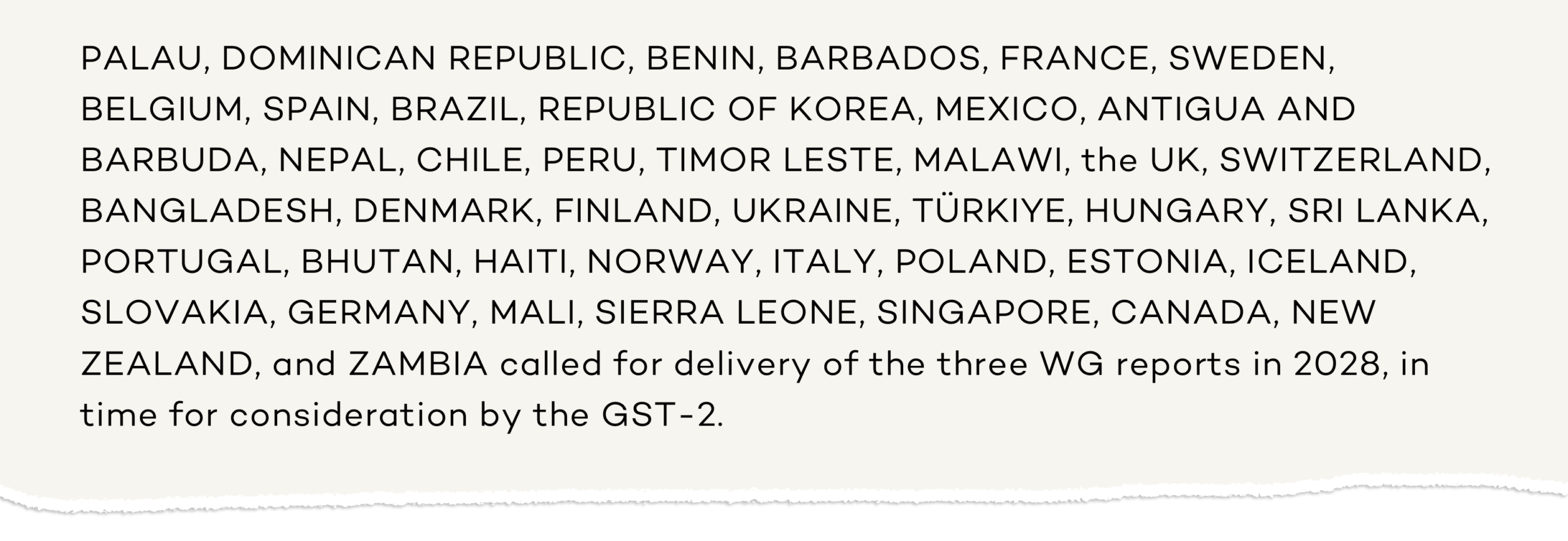
The global stocktake—a cornerstone of the Paris Agreement—is a formal, periodic assessment of collective progress toward international climate goals. Proponents of an accelerated timeline, including a coalition of developed nations and small-island developing states, argue that if the IPCC’s findings are not released before the 2028 stocktake, the process will lack the necessary scientific foundation to drive ambitious policy commitments.
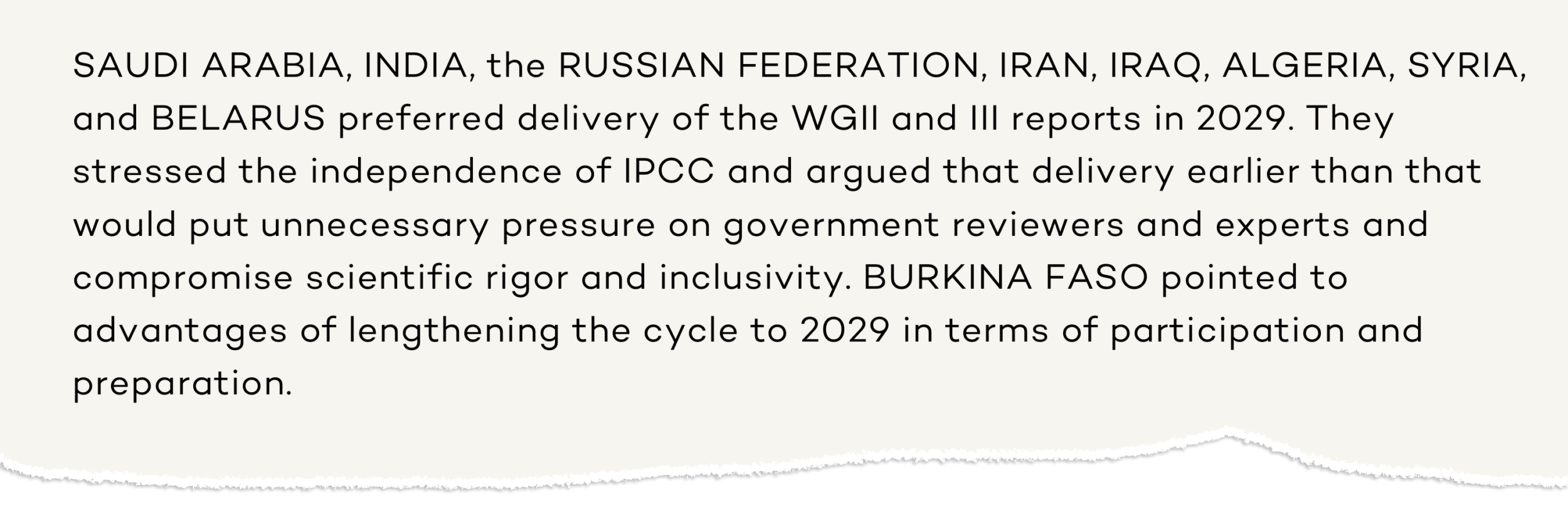
Conversely, a bloc of countries led by India, Kenya, Russia, and Saudi Arabia has consistently pushed for a more extended timeline. These nations argue that the current pace is overly rushed, hindering the ability of developing countries to adequately review and digest the complex reports. This standoff has persisted through meetings in Istanbul, Sofia, Hangzhou, Lima, and Bangkok, effectively stalling the IPCC’s momentum for over a year.
Chronology of the Addis Ababa Impasse
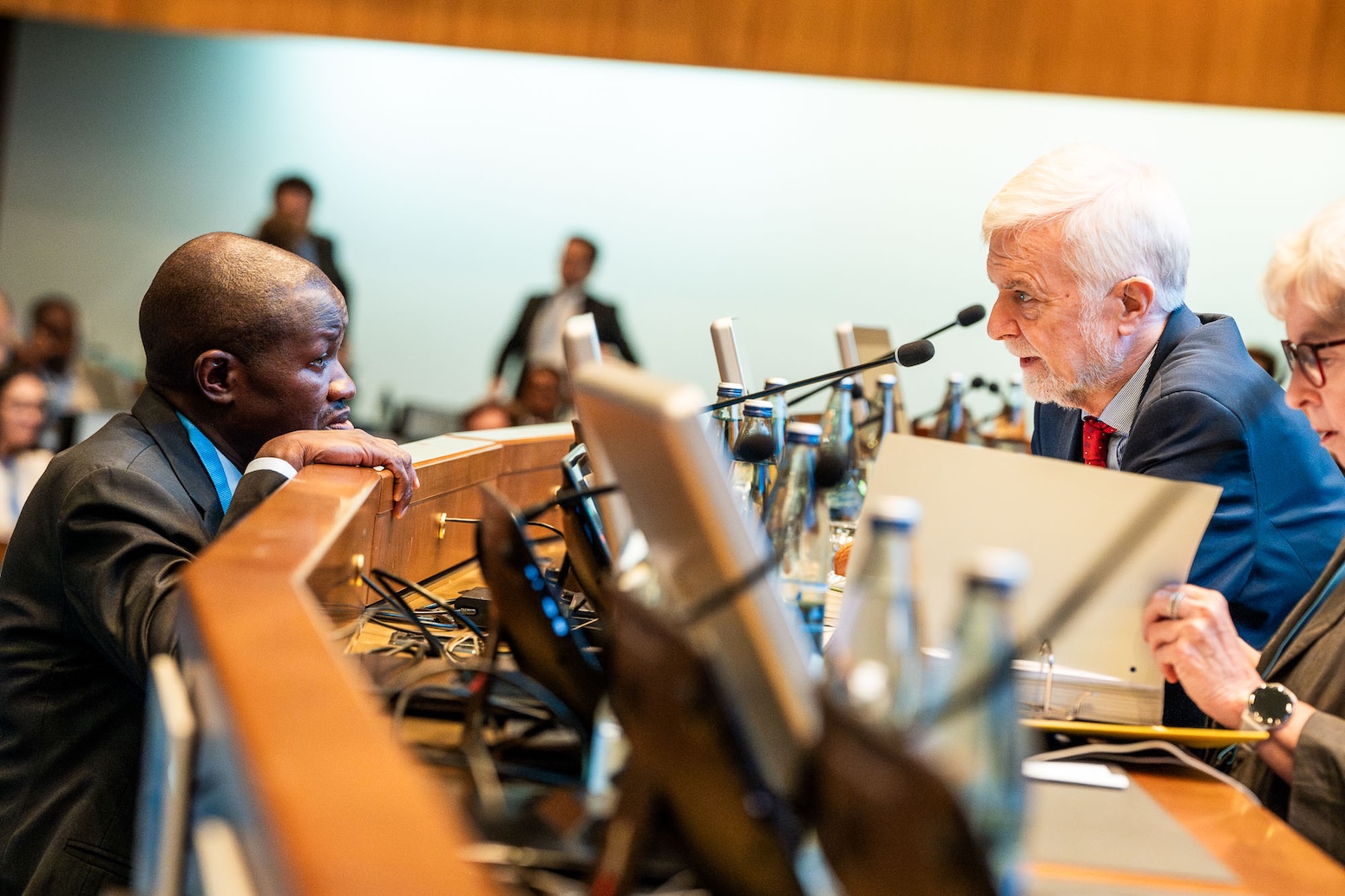
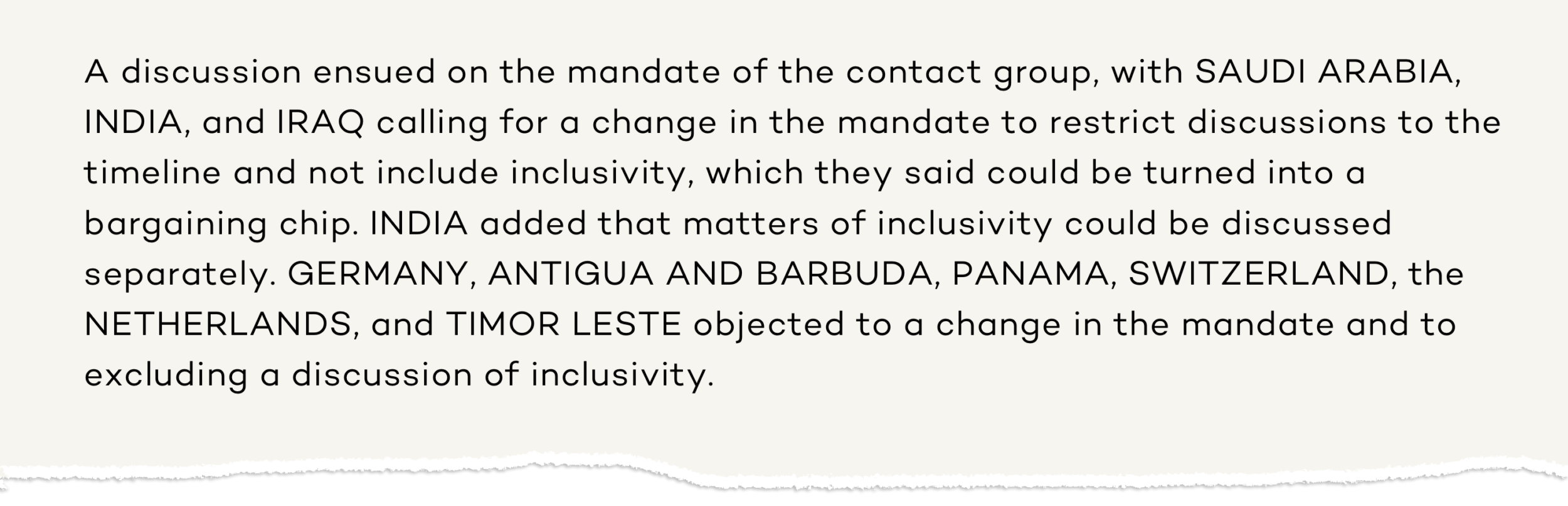
The week-long summit in Addis Ababa was marked by escalating tensions. On Monday, Prof. Skea established a "contact group," co-chaired by Brazil and Ireland, in a desperate attempt to bridge the divide between the opposing factions.
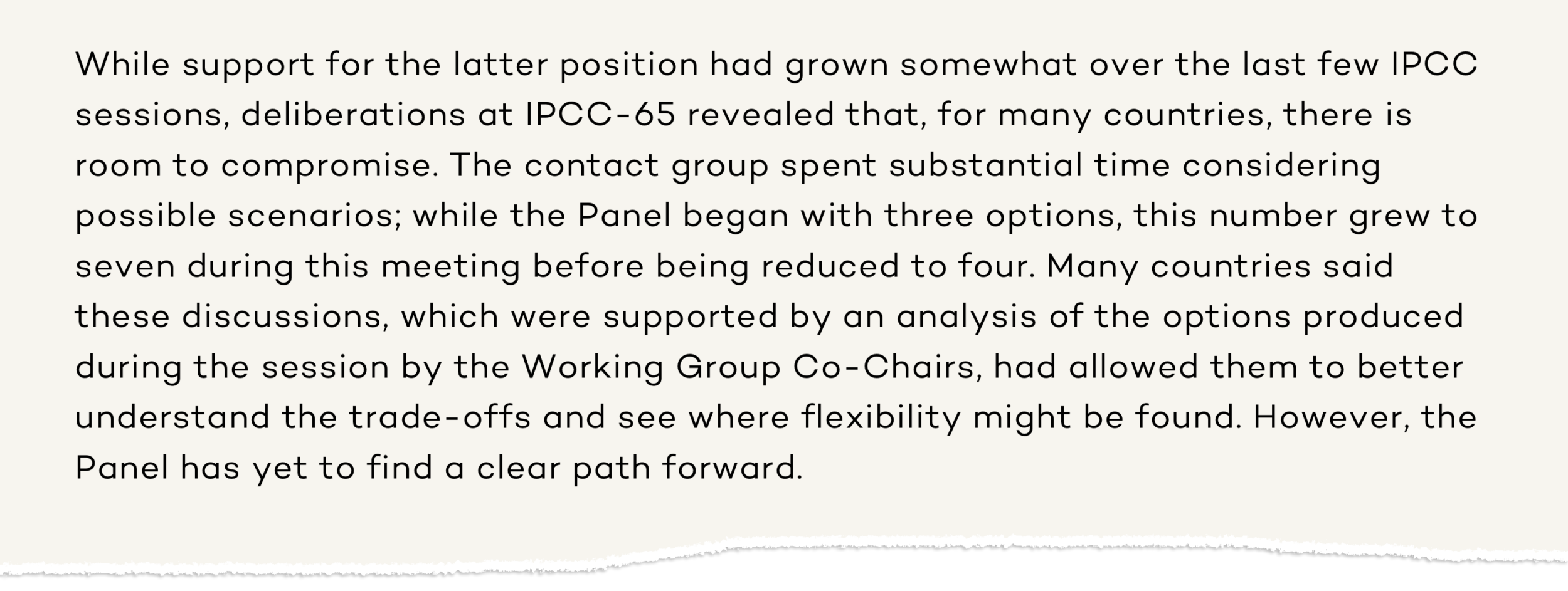
As the week progressed, the number of proposed timeline options ballooned to seven, before being whittled down to four by Friday. Despite the intervention of the secretariat, which presented a draft decision outlining potential paths forward, consensus remained elusive. By Friday evening, delegations from several small-island developing states and nations like Nepal had begun to depart, forcing Prof. Skea to suspend the plenary at 8:29 p.m. to maintain the integrity of the process.
The suspension leaves the IPCC without a defined work plan for the remainder of the AR7 cycle. While the organization has pledged to reconvene at the "earliest opportunity," no date or venue has been set, casting a long shadow over the future of the assessment cycle.
A Growing Financial Abyss
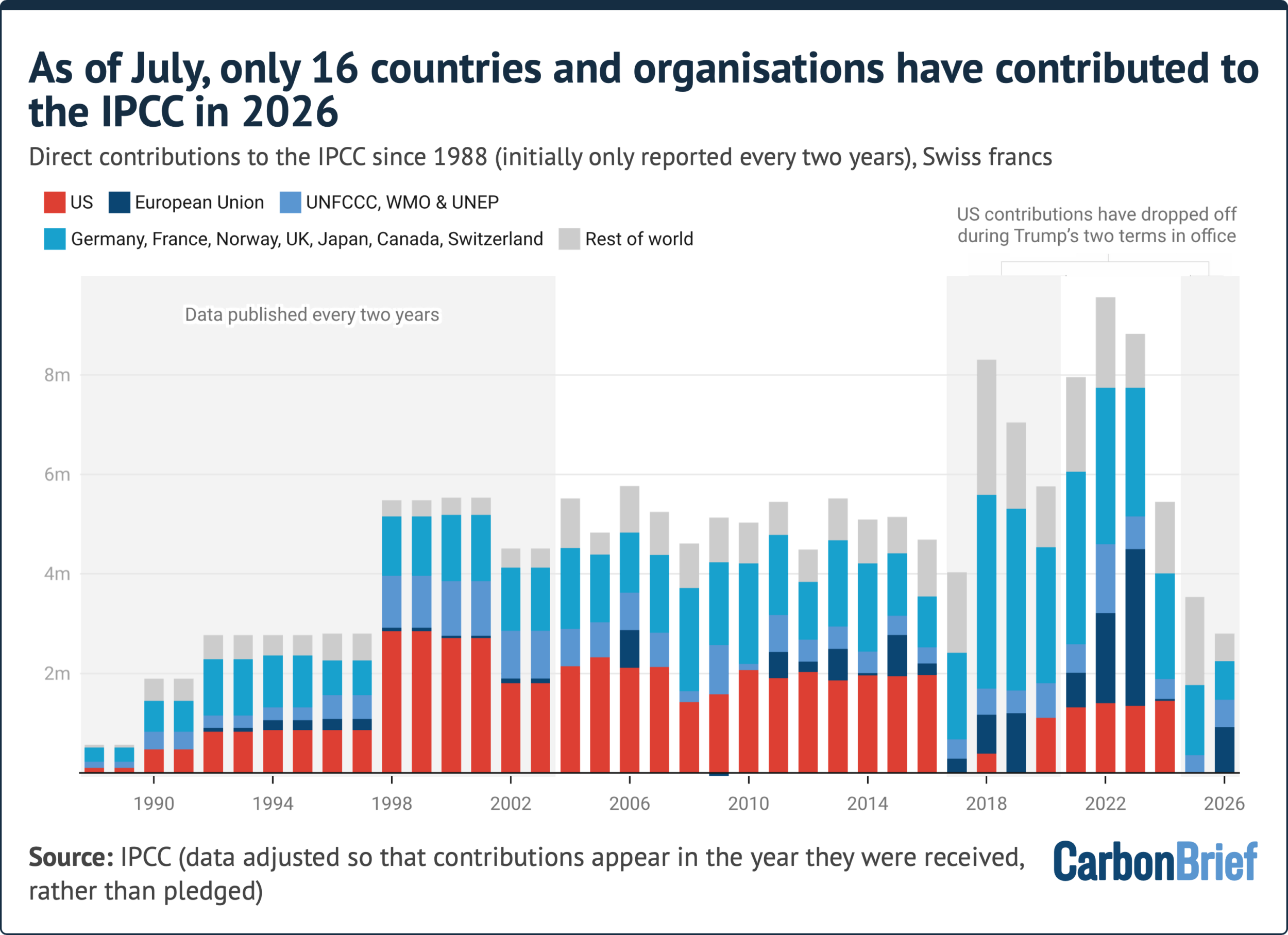
The timeline crisis is compounded by a severe, mounting funding deficit. The IPCC’s Trust Fund, which supports author meetings and enables participation from experts in developing nations, is facing a "serious funding crisis."
According to the IPCC secretariat, approximately 33 million Swiss francs (£30 million) is required to complete the AR7 cycle. Current projections suggest that without a significant influx of voluntary contributions, the fund will be depleted by the end of 2028. The financial situation is particularly strained by the withdrawal of the United States, historically the IPCC’s largest donor, which has ceased financial contributions since 2024.
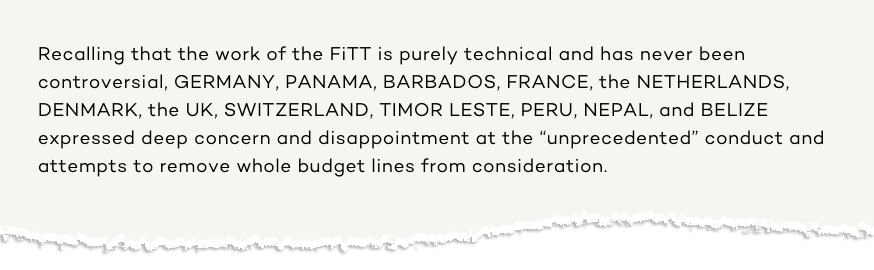
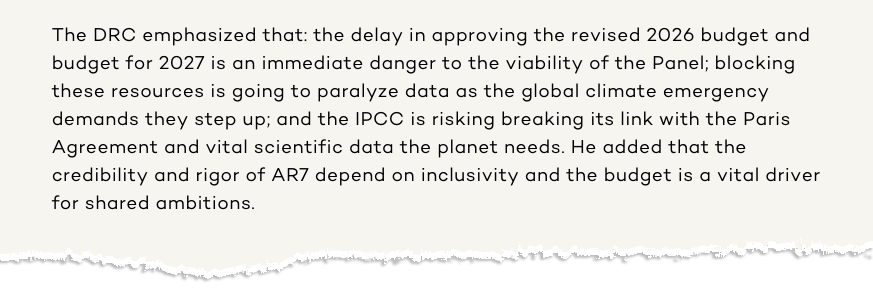
Budgetary discussions in Addis Ababa were equally fraught. The Financial Task Team (FiTT) was unable to make progress on 2027 budget lines, as some nations explicitly linked budget approval to the resolution of the timeline dispute. This "hostage-taking" of technical budget items has been condemned by several members as an unprecedented deviation from the IPCC’s standard operating procedures.
Official Responses and Scientific Outcry
The reaction from the scientific community has been one of alarm. An open letter signed by more than 200 scientists currently working on the AR7 reports emphasized that the world cannot afford to navigate the next global stocktake without the latest, most rigorous evidence.
"It is a travesty that a handful of countries continue to delay the IPCC’s reports—the science we need back home to help us save lives and livelihoods," said Tina Stege, climate envoy for the Marshall Islands.
Prof. Skea’s closing remarks reflected a somber realization of the stakes. "If there were stronger words than ‘profound disappointment,’ I would use them," he stated, acknowledging that the internal friction is now actively hindering the work of the authors.
Dr. Bill Hare, CEO of Climate Analytics, echoed these concerns, calling for an emergency session before the end of the year to at least secure the 2027 budget. "Urgent agreement is now needed to give planning security to the voluntary authors… and to safeguard a timeline that sees all reports published in 2028," Hare urged.
Implications for Global Climate Governance
The failure to agree on a timeline has profound implications for global climate governance. The IPCC has long been considered the "gold standard" of objective, policy-relevant scientific advice. However, the recurring nature of these deadlocks suggests a shift toward the politicization of the IPCC’s internal processes.

1. Erosion of Scientific Authority
If the IPCC cannot provide timely assessments, nations may increasingly turn to less rigorous or more partisan sources of information to justify their climate policies. The "collaborative spirit" that historically defined IPCC author groups is now being threatened by the geopolitical maneuvering of member states.
2. Inclusivity and Equity
The irony of the current situation is that both sides claim to be acting in the name of inclusivity. Developed nations argue that waiting for the reports denies vulnerable populations the science they need to survive. Meanwhile, the dissenting bloc argues that they are fighting for the right of developing nations to participate in the review process on an "equal footing." This fundamental disagreement over the definition of "inclusive science" is currently the largest hurdle to progress.
3. The Future of IPCC Operations
The unresolved issues—including the use of artificial intelligence in research and the expansion of the gender action team—remain pending. These technical and social policy discussions were sidelined by the primary dispute, creating a backlog of governance challenges that threaten the organization’s operational stability.
Moving Forward: Can the Deadlock Be Broken?
The path to resolution is narrow. Prof. Fabrice Lambert, a WG1 contributing author, suggested that the IPCC requires professional, third-party facilitators to manage the plenary sessions. He noted that the discussions have moved "too far beyond the scientific questions" and into the realm of high-stakes diplomatic negotiation, for which the IPCC’s current administrative structure may be ill-equipped.
As the world continues to face record-breaking temperatures and accelerating climate impacts, the role of the IPCC has never been more critical. Whether the organization can reconcile the competing interests of its 195 member states and restore its focus on the science remains the most pressing question in international climate policy.
For now, the "engine room" of the IPCC continues to produce drafts, but the lack of a formal, funded, and agreed-upon timeline leaves the organization in a precarious state of suspended animation. The upcoming weeks will be decisive; without a swift return to the negotiating table and a de-escalation of the geopolitical tensions currently paralyzing the plenary, the scientific roadmap for the 2028 global stocktake may be lost entirely.


 Raul Delapena Setiawan

 Laily UPN

 Reynand Wu

 Sagoh


 Azzam Bilal Chamdy

 Ali Ikhwan
