
 Raul Delapena Setiawan
By Seb Joseph and Michael Bürgi | October 22, 2026
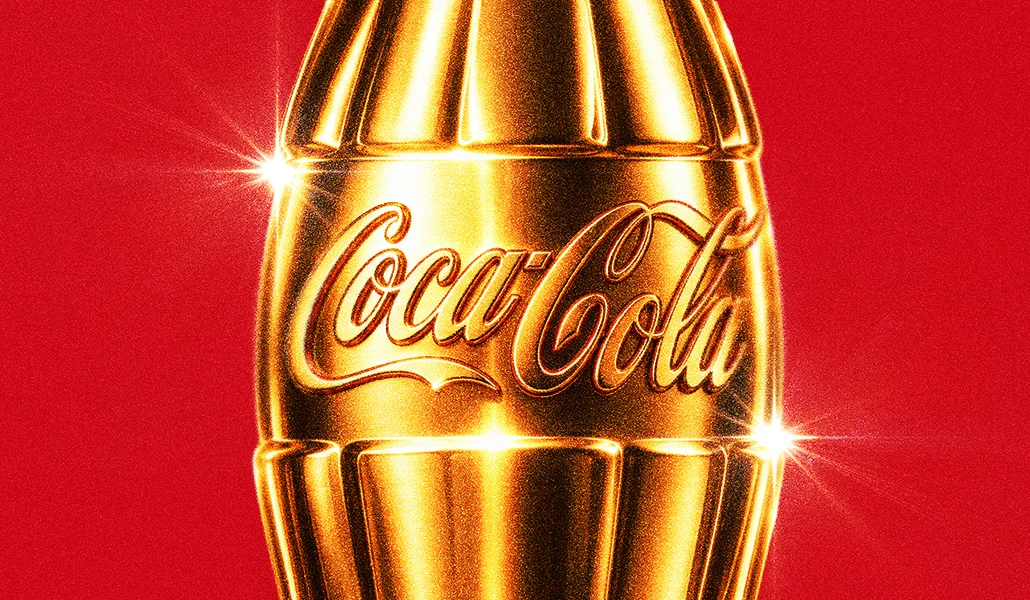
In a stunning realignment of the advertising industry’s most prestigious accounts, the "Cola Wars" have found a new, definitive battlefield: the corporate offices of Omnicom Group. In a move that effectively stabilizes a tumultuous period for the agency holding giant, Coca-Cola has officially appointed Omnicom to handle its media buying and planning for North America.
This strategic shift arrives just weeks after a seismic industry breakup, in which PepsiCo terminated a nearly 30-year relationship with Omnicom, handing its business to Publicis Groupe. By securing the Coca-Cola account—which carries an estimated annual media spend of $700 million to $800 million—Omnicom has not only mitigated the impact of losing PepsiCo but has also signaled a new era of dominance in the North American market.
The Chronology of the Shakeup
The events of the last two months have rewritten the hierarchy of global media buying.
Seven weeks ago, the industry was rocked when PepsiCo informed its long-standing partner, Omnicom, that their three-decade tenure was effectively over. There was no traditional, drawn-out agency review; instead, PepsiCo conducted a capabilities audit and abruptly shifted its business to Publicis. The loss was a bitter pill for Omnicom, with CFO Phil Angelastro candidly describing the development as "unfortunate" and a "disappointment" during an investor conference. The sting was exacerbated by the fact that the account landed with a direct rival in Publicis.
However, the vacuum created by this departure was short-lived. As Publicis withdrew from the ongoing Coca-Cola global media pitch—a move necessitated by its new conflict of interest with PepsiCo—the path cleared for Omnicom to emerge as the natural successor for Coca-Cola’s North American business.
According to sources close to the negotiations, the deal was sealed in a high-stakes meeting between Coca-Cola’s senior marketing leadership and Omnicom’s executive team, led by CEO John Wren. The transition is set to officially commence on December 1, marking a rapid integration period for the agency.
Strategic Realignment: The North American Landscape
While Omnicom takes the reins in the U.S. and Canada, the global media map remains a patchwork of legacy partnerships. WPP, which has managed Coca-Cola’s international media, data, and technology business since 2021, will maintain its global remit. This represents a significant win for WPP CEO Cindy Rose, who has successfully defended the account against encroachment.
Dentsu remains the outlier, continuing its stewardship of Coca-Cola’s media business in Japan and South Korea, markets where the agency has long held a stronghold. This split arrangement ensures that Coca-Cola continues to leverage the specialized strengths of multiple holding companies, rather than consolidating its global output under a single roof.
Supporting Data: The Economics of the Swap
On paper, the swap is a near-perfect financial wash for Omnicom in North America. Industry estimates from COMvergence suggest that Coca-Cola’s U.S. and Canada media spend sits at approximately $785 million annually—a figure that mirrors the roughly $780 million PepsiCo previously allocated to the region.
However, the global picture is more nuanced. Omnicom previously managed roughly $1.1 billion of PepsiCo’s global media billings. While the Coca-Cola win in North America is a significant victory, it does not fully replace the total global volume lost in the PepsiCo transition.
Nevertheless, the scale of the win bolsters Omnicom’s position as the world’s largest media house. Following its integration of IPG, the holding company now boasts total billings of $75.6 billion, representing roughly 31% of the total billings handled by global marketing services groups. This scale provides Omnicom with unparalleled leverage when negotiating rates with TV networks, major publishers, and, crucially, social media platforms.
The Digital Pivot: Why Coca-Cola Chose Omnicom
The primary driver behind this move was not just the need for a new agency, but a fundamental shift in how Coca-Cola engages its audience. Last year, Coca-Cola CMO Manolo Arroyo revealed a radical departure from traditional advertising strategies: the soda giant now allocates 70% of its media budget to social media advertising and creator-led content.
This is a stark reversal from just six years ago, when 75% of the company’s budget was funneled into traditional television. To facilitate this pivot, Coca-Cola demanded a partner capable of navigating the fragmented, high-speed world of digital and influencer marketing.
During the pitch, Omnicom’s leadership made a compelling argument: they promised a bespoke team built specifically for the Coca-Cola brand—a "clean sheet" approach with no "hand-me-downs" from the former PepsiCo team. By promising high-level senior talent, aggressive cost savings, and proprietary tech innovation, Omnicom successfully convinced Coca-Cola that it was the ideal partner to navigate their digital-first future.
Official Responses and Corporate Strategy
The leadership at both Omnicom and WPP has moved quickly to frame these developments as strategic wins.
Omnicom CEO John Wren, speaking on an earnings call, remained focused on growth. "Any business we win from Coke would be incremental to our existing revenue and our existing relationship," Wren stated. "We’re very bullish where we are." By deferring specific commentary on the deal to the client, Wren maintained the disciplined professional stance that has characterized his tenure.
Meanwhile, WPP’s Cindy Rose emphasized the strength of her company’s ongoing relationship with the beverage titan. "We’re proud to build on our partnership with The Coca-Cola Company and the trust they’ve placed in us to help drive their next chapter of growth," Rose said in an official statement.
She further highlighted the integration of WPP’s "Open Intelligence" platform, which aims to marry media scale with human-centric data analysis. "Our focus is on earning that trust every day—pairing WPP Media’s scale with Open Intelligence to bring a human dimension to data, so our partners understand not just who their consumers are, but what drives them. That’s a responsibility we take seriously."
Implications for the Industry
The "Cola Wars" have long served as a bellwether for the advertising industry, and this latest chapter underscores several key trends:
- The Rise of the "Bespoke" Model: Clients are increasingly moving away from "one-size-fits-all" agency relationships. Coca-Cola’s insistence on a dedicated, clean-slate team from Omnicom demonstrates that major brands are prioritizing agility and focus over the administrative convenience of legacy structures.
- The Digital Dominance of Media Spend: The fact that 70% of Coca-Cola’s budget is now dedicated to social and creator content is a warning shot to traditional media owners. Agencies that cannot prove their worth in the creator economy are finding themselves obsolete.
- Holding Company Consolidation: As Omnicom’s $75.6 billion in billings suggests, the industry is trending toward a "super-agency" model. The ability to command leverage across platforms is the new currency of the media world, and smaller, independent shops are finding it increasingly difficult to compete with the sheer negotiating power of the "Big Four."
- Agency Loyalty is Fluid: The speed with which PepsiCo moved to Publicis, and the subsequent scramble by Coca-Cola, highlights a cold, transactional reality in modern marketing. Multi-decade relationships are no longer a safeguard against sudden shifts in strategy or capability requirements.
As December 1 approaches, the focus shifts to execution. Omnicom’s ability to stand up a massive, high-performing team in record time will be the true test of their capabilities. For Coca-Cola, the hope is that this new partnership will provide the necessary firepower to dominate the social-media-driven landscape of the late 2020s. For the rest of the advertising world, the message is clear: the war for the biggest brands is more competitive—and more expensive—than ever before.


 Ammar Sabilarrohman
 Sagoh


 Reynand Wu



 Azzam Bilal Chamdy

 Ali Ikhwan
