
 Nana
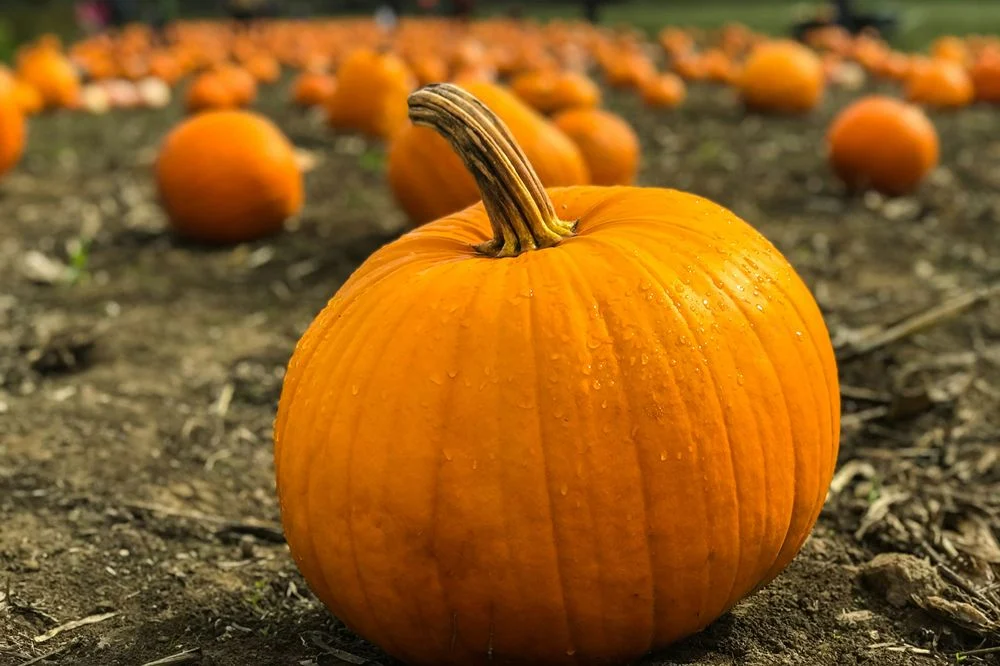
As the nights draw in and the autumn chill settles over the British countryside, the retail sector is gearing up for one of its most profitable seasonal peaks: Halloween. However, a jarring irony has emerged this year. While consumer appetite for festivities has reached an all-time high, the nation’s pumpkin patches are currently host to a silent crisis. Despite the abundance of squash, a significant portion of the harvest is destined for the waste heap, rejected by supermarkets for failing to meet narrow cosmetic and size specifications.
This misalignment between consumer demand and supply chain rigidity highlights a growing structural vulnerability in the UK agricultural sector, one exacerbated by an increasingly volatile climate.
The Main Facts: A Tale of Two Trends
The current situation is defined by two contrasting narratives. On one hand, data from the Institute of Grocery Distribution (IGD) reveals that Halloween participation is surging. In 2026, 36% of shoppers reported plans to celebrate, a marked increase from the 27% recorded in 2025. More significantly, the nature of the celebration is shifting. The percentage of consumers planning to attend parties or organized events has climbed from 25% to 32%, suggesting that Halloween is evolving from a localized family activity into a broader, social, and commercial phenomenon.
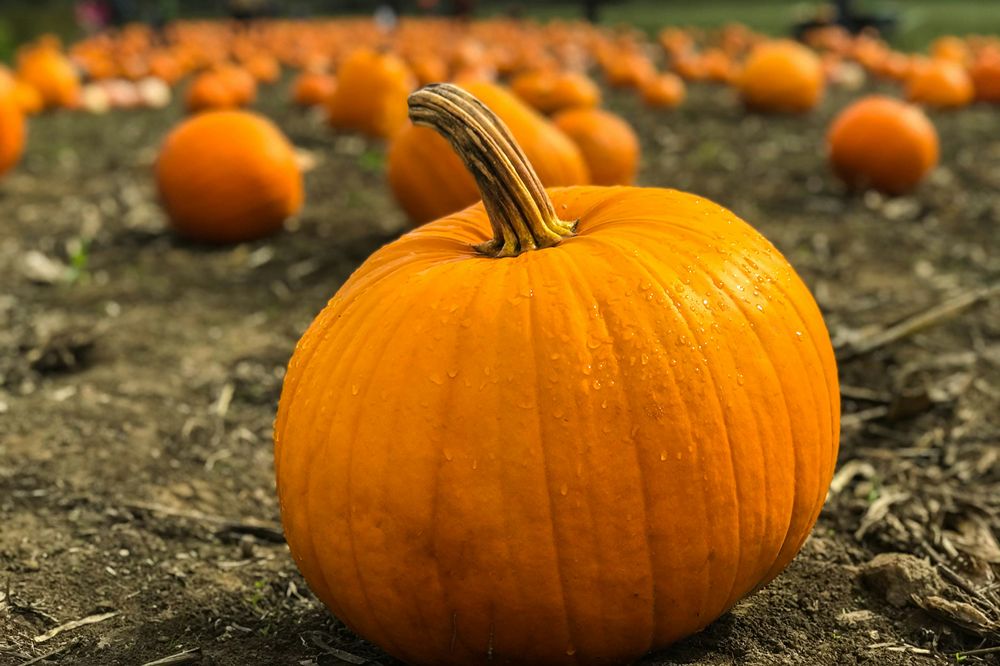
On the other hand, the supply chain is failing to capitalize on this enthusiasm. The summer of 2026 was characterized by intense, prolonged heatwaves. While these conditions were challenging for crop management, they resulted in a bumper yield of pumpkins and squash—many of which are smaller than the "standard" supermarket sizes. Because these vegetables do not conform to the strict visual aesthetics demanded by major retailers, they are being left in the fields, creating a glut of "undersized" produce that retailers refuse to stock.
Chronology of a Seasonal Mismatch
To understand how we reached this point, one must look at the progression of the 2026 agricultural season:
- Spring and Early Summer: Growers prepared for a standard harvest, managing soil health and irrigation with the hope of meeting traditional retail contracts.
- Mid-Summer Heatwave: The UK experienced sustained, high-temperature periods. While farmers worked tirelessly to protect their crops, the botanical response of the plants was to prioritize survival, leading to smaller fruit sizes.
- Late Summer Assessment: As the harvest began, farmers realized that while they had plenty of produce, the "standard" large-sized pumpkin was in short supply.
- Retail Negotiations: Growers attempted to negotiate with major supermarket buyers, but many found that strict cosmetic standards remained non-negotiable, leaving farmers with thousands of tonnes of high-quality, edible food without a primary route to market.
- October Peak: As demand for Halloween goods hit its zenith, alternative outlets—most notably surplus-food social enterprises like Oddbox—stepped in to "rescue" the produce that mainstream retail had deemed "sub-standard."
Supporting Data: The Scale of the Waste
The figures surrounding the current waste crisis are sobering. According to recent industry reports, approximately 22 million pumpkins—with an estimated market value of £32 million—are thrown away annually across the UK during the Halloween season.
Oddbox, which has been at the forefront of the rescue effort, has provided a snapshot of the scale of the 2026 issue. Within their own network, they have already salvaged:
- 14,400 pumpkins.
- 20,000kg of kabocha squash.
- 7,800kg of butternut squash.
- 7,275kg of Crown Prince squash.
In total, Oddbox has rescued approximately 40 tonnes of UK squashes and pumpkins this season alone. When viewed alongside their ten-year record of rescuing over 68,000 tonnes of fruit and vegetables, the data points to a systemic issue: a food supply chain built on the assumption of industrial uniformity, which struggles to accommodate the natural variations of a changing climate.
Official Responses and Industry Perspectives
Emilie Vanpoperinghe, CEO and co-founder of Oddbox, has been vocal in her criticism of the current retail standards. "This summer’s heat left many pumpkins and squash smaller than usual, despite growers working harder than ever to protect their crops," she says.
Vanpoperinghe emphasizes that the rejection of these vegetables is a failure of logic rather than quality. "These small squashes taste just as good, but a system built around uniformity turns that kind of variation into waste. Specifications need to flex with the harvest, rather than expecting the harvest to flex to our specifications."
Her sentiment is echoed by many in the agricultural community who argue that when produce does not fit supermarket specs, the grower—often dependent on a single major buyer—has no alternative distribution channel. This creates a "take it or leave it" dynamic that leaves the producer vulnerable to both the weather and the whims of procurement departments.
Implications for the Future: Climate Volatility and Retail Agility
The current pumpkin crisis is a bellwether for how the food industry must adapt to a warmer, more unpredictable climate. As summers become hotter and drier, the "uniform" crop that supermarkets desire will become increasingly rare.
The Risk of Vertical Dependency
The reliance on single-buyer contracts creates a structural risk. If a farm’s entire business model relies on meeting a specific size or shape, a single anomalous weather event can turn a year of hard work into a financial loss. This necessitates a transition toward more diversified routes to market, including local box schemes, direct-to-consumer sales, and greater flexibility within supermarket procurement teams.
Merchandising as a Solution
Retailers have the power to change consumer behavior through merchandising. If supermarkets were to market "imperfect" or "smaller" pumpkins as a benefit—perhaps by promoting them as easier to carve for children or more concentrated in flavor for cooking—they could shift demand toward the supply that is actually available.
As Vanpoperinghe notes, "If retailers become better at inspiring meals around what is plentiful, demand itself can become another tool for managing climate volatility."
Beyond Halloween: A Wider Lesson
The lessons from this year’s pumpkin harvest extend far beyond the spooky season. Whether it is apples that are too small, carrots that are "crooked," or potatoes that have grown in odd shapes due to rainfall fluctuations, the message remains the same: the consumer’s desire for aesthetic perfection is a primary driver of food waste.
To create a truly sustainable food system, the retail sector must bridge the gap between "perfect" produce and "edible" produce. By leaning into the realities of the harvest—rather than fighting against them—retailers could potentially turn a seasonal waste problem into a sustainable, profitable opportunity.
Conclusion: A Call for Flexibility
As we look toward future harvests, the case of the 2026 pumpkin glut serves as a reminder that nature does not follow a factory blueprint. While Halloween participation among the key 18–24-year-old demographic continues to climb, the industry must decide if it will continue to prioritize the appearance of its produce over the viability of its supply chain.
The path forward is clear: it involves more transparent communication between retailers and farmers, a willingness to adjust procurement standards in response to climate realities, and a consumer base that is increasingly educated on the value of food that, while perhaps smaller in stature, is perfectly suited for the table. The pumpkins are ready; it is now up to the retail sector to ensure they find their way to the kitchen, rather than the compost heap.


 Reynand Wu
 Iffa Jayyana

 Raul Delapena Setiawan


 Sagoh

 Azzam Bilal Chamdy

 Ali Ikhwan
