
 Layla Zulfa
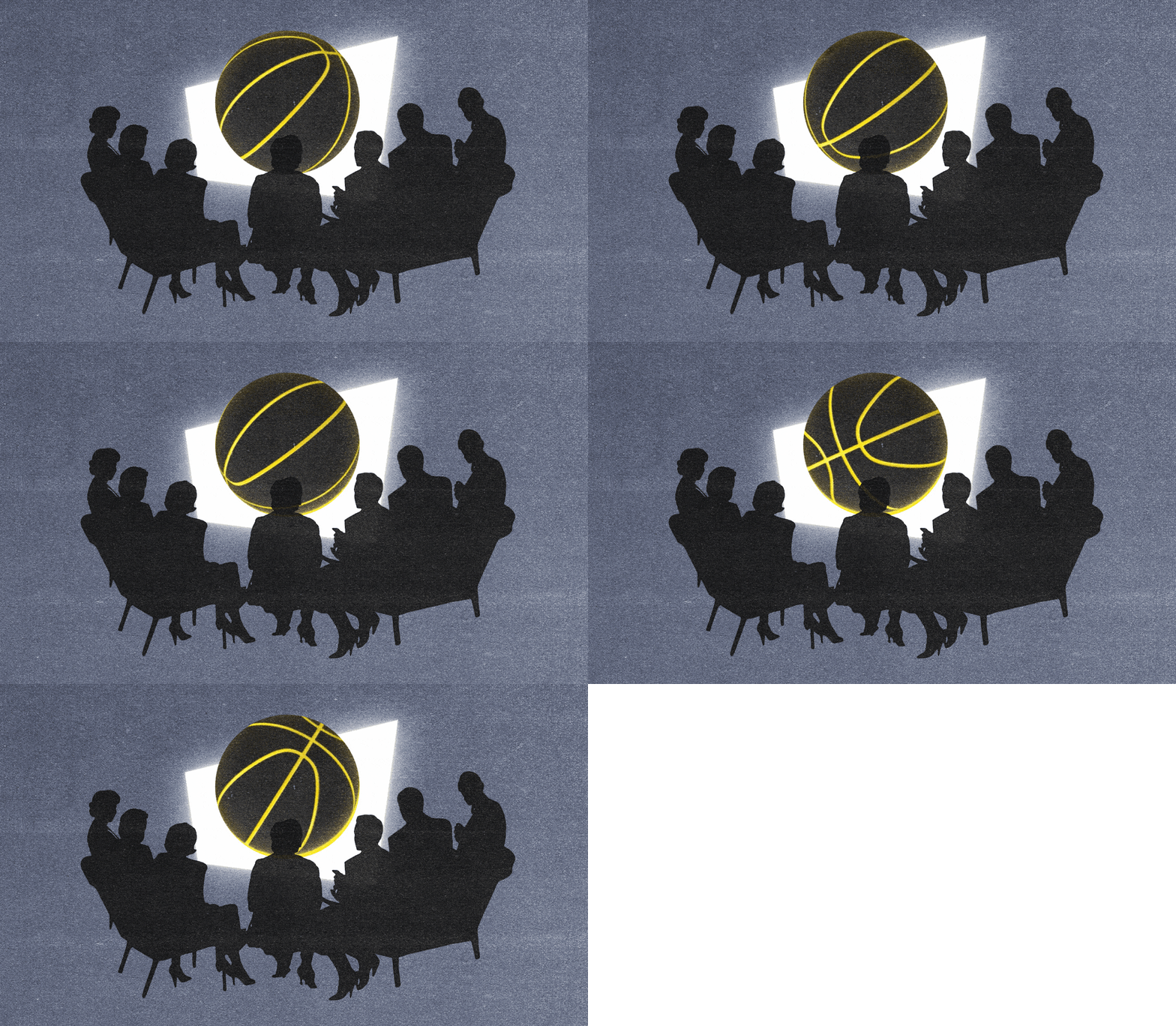
As the 2026-27 NBA season tips off, the league has solidified its position as the ultimate frontier for advertisers. With a demographic profile that skews younger and more digitally native than traditional sports, the NBA is experiencing an unprecedented surge in demand. From high-stakes linear television and competitive streaming windows to the burgeoning world of creator-led social media campaigns, brand investment is reaching historic highs.
For many marketers, the challenge is no longer about finding the budget; it is about finding the inventory. With major platforms like Amazon Prime Video and NBC reporting near-total sellouts, the landscape of sports marketing is undergoing a fundamental shift.
Main Facts: The Anatomy of a High-Demand Market
The current advertising climate surrounding the NBA is defined by scarcity and intense competition. According to industry insiders and media buyers, the sheer volume of capital flowing into the league is unprecedented.
The core of this trend lies in the NBA’s unique ability to bridge the gap between traditional broadcast viewership and the fragmented, screen-heavy habits of Gen Z and Millennial audiences. As linear viewership maintains a solid baseline, streaming platforms are seeing exponential growth in ad spend, which reached a staggering $874 million last season alone.
However, the "sold-out" status of premium inventory across Peacock, Amazon, and Disney is forcing a pivot. Brands that previously relied on high-reach TV spots are now diversifying their portfolios. They are moving away from the "spray and pray" approach of traditional commercials and toward a more surgical, creator-led strategy that prioritizes cultural resonance over raw impressions.
Chronology: The Evolution of the NBA’s Media Rights
To understand the current fervor, one must look at the recent evolution of the NBA’s media rights landscape.
- 2025: The NBA finalized its refreshed, multi-platform media rights agreement with NBC, Amazon, and other key partners. This marked a watershed moment, effectively legitimizing streaming as a primary home for major live sports.
- 2025-26 Season: The inaugural year of the new deal saw an immediate spike in ad spend. While NBC’s linear games averaged 2.8 million viewers, Amazon Prime Video demonstrated the viability of the streaming model by drawing an average of 1 million viewers, proving that the digital-first audience is not just present—it is engaged.
- Late 2026: As the 2026-27 season began, media buyers reported that inventory for premium games was virtually exhausted before the preseason had even concluded.
- Q4 2026 (Present): The season’s opening coincides with the critical Q4 holiday window. Brands are aggressively vying for space during marquee games to capitalize on the Black Friday and holiday shopping cycles, creating a "bottleneck" effect for agencies.
Supporting Data: Why the Money is Flowing
The shift in investment is backed by hard data regarding revenue and audience behavior.
Sponsorships now account for roughly 15% of total NBA revenues, which currently stand at an annual baseline of at least $1.9 billion. This collective investment represents a move away from passive brand awareness toward integrated partnerships.
For instance, the digital security firm Ledger’s partnership with the San Antonio Spurs serves as a case study for modern sports marketing. By placing its logo on team jerseys and positioning itself as the "official digital asset partner," Ledger has successfully tapped into the tech-curious demographic of the Texas market. A study by Wakefield Research Partners confirms the efficacy of this strategy: Spurs fans are 4.8 times more likely to view Ledger as a market leader compared to the general population, and twice as likely to favor the brand over its competitors.
Furthermore, the "peak" nature of the season—driven by the NBA Cup, the playoffs, and Christmas Day—creates concentrated periods of high value that brands are desperate to claim.
Official Responses and Expert Analysis
Industry leaders characterize this season as a "healthy, aggressive market." Adam Schwartz, SVP and director of national broadcast and sports media at Horizon Media, notes that demand is "very high across the board."
"Amazon is completely sold out," Schwartz explains. "They’re trying to get people to go into their NBA League Pass product in order to clear some room." This sentiment is echoed by Jeff Gagne, SVP of sports marketing at Havas, who emphasizes the necessity of streaming for any brand wanting to reach the NBA’s digitally inclined viewer base.
The sentiment among media buyers is one of forced creativity. One anonymous holdco media buyer summarized the reality: "Sellout was the name of the game last year. It’s a very strong, healthy market again. If you were to try to get inventory, it would be extremely tight right now."
Natalee Cecil, head of brand media at PMG, highlights that the length of the NBA season creates a specific hurdle for advertisers. "It’s a long season, and so having a consistent presence throughout the season is something that we’re not seeing too much demand for," Cecil says. Instead, brands are choosing to concentrate their efforts on specific, high-impact windows rather than attempting to maintain a constant, expensive TV presence.
Implications: The Shift Toward Creator-Led Marketing
The implications for the future of sports advertising are clear: the era of the exclusive TV spot is being challenged by the era of the "creator ecosystem."
Because the traditional TV and Connected TV (CTV) markets are effectively gated, marketers are increasingly pivoting to "sports-adjacent" strategies. This involves working with influencers, streamers, and athletes as creators to capture the attention of fans who are browsing social media on a second screen while watching a game.
Iniabasi Ikpot, director of communications strategy and planning at Media by Mother, suggests that successful brands are moving toward a more nuanced approach. "There’s more peaks than ever," Ikpot notes. "You have the NBA Cup, the playoff tournaments, Christmas Day—that’s when we tend to go more direct, more creator-led, and try to land a deeper story."
The Rise of the Athlete-Creator
Access to superstars like Victor Wembanyama has changed the power dynamic of sponsorships. It is no longer just about the logo on the floor; it is about the story told on a phone screen. Ledger’s initiative to sponsor the restoration of a basketball court in Wembanyama’s hometown of Nanterre, France, illustrates how brands are moving beyond traditional commercial spots to create authentic, experiential content that resonates on a global scale.
For brands that cannot secure a seat at the main table—the broadcast inventory—the alternative is to build their own table. By partnering with NIL (Name, Image, and Likeness) college athletes or professional creators who provide courtside perspectives, brands are effectively "hacking" the NBA ecosystem.
Strategic Recommendations for Advertisers
For those looking to break into the space, the consensus among experts is twofold:
- Prioritize "Moments" over "Frequency": Given the cost and scarcity of inventory, brands should avoid trying to buy the entire season. Instead, they should concentrate their spend on high-traffic events like the NBA Cup or the postseason.
- Invest in Creator Partnerships: If linear and streaming spots are unavailable, the most effective path to the NBA audience is through the athletes themselves and the creators who command the league’s digital discourse. This approach not only sidesteps the competitive bidding war for TV spots but also offers a higher level of audience engagement and cultural relevance.
As the 2026-27 season continues to unfold, the NBA will remain a high-stakes arena for advertisers. While the "gold rush" for television inventory shows no signs of slowing down, the true winners will be the brands that master the art of being present where the fans are, rather than simply where the cameras are pointed. The league has proven that its value lies not just in the broadcast, but in the community it fosters—a community that is increasingly digital, highly engaged, and ready to interact with brands that understand the nuances of the game.


 Reynand Wu
 Iffa Jayyana

 Raul Delapena Setiawan


 Sagoh

 Azzam Bilal Chamdy

 Ali Ikhwan
