
 Muslim
This story was co-published with ProPublica, a nonprofit newsroom that investigates abuses of power.
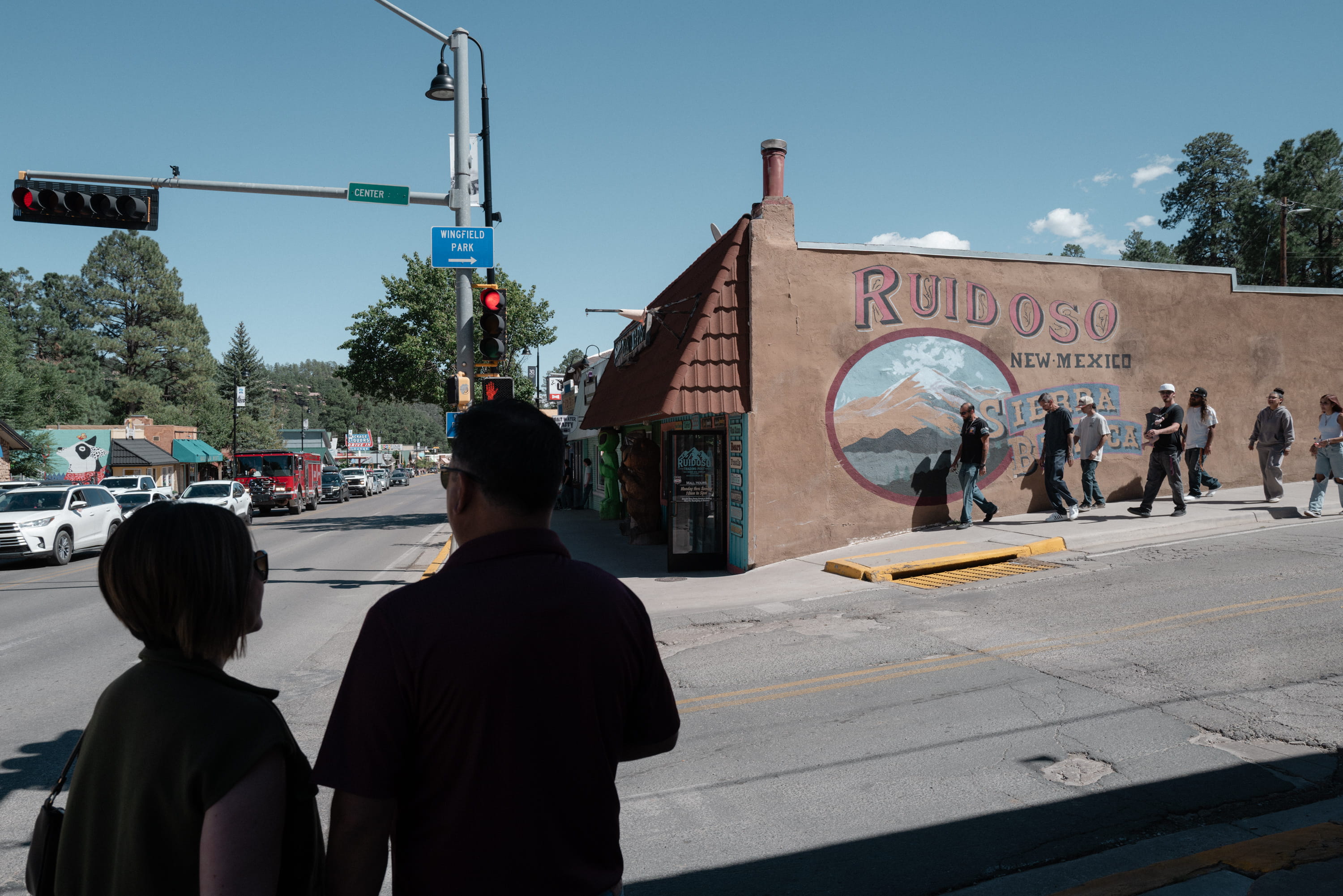
In the high country of New Mexico, the Village of Ruidoso has long been a sanctuary for families escaping the Texas heat. It is a town built on the promise of the “cool pines” and the rhythmic thundering of hooves at the Ruidoso Downs Race Track & Casino. But beneath the surface of this idyllic tourist destination, a man-made catastrophe was brewing—one that local officials, driven by a desperate need to maintain an economic engine, chose to ignore even as the skies turned black.
On July 8, 2025, that choice resulted in a tragedy that claimed three lives, including two young children. While village leaders publicly insisted the community was safe, internal records and expert models suggested the exact opposite: that Ruidoso was a disaster waiting to happen.
A Landscape Altered: The Science of the Surge
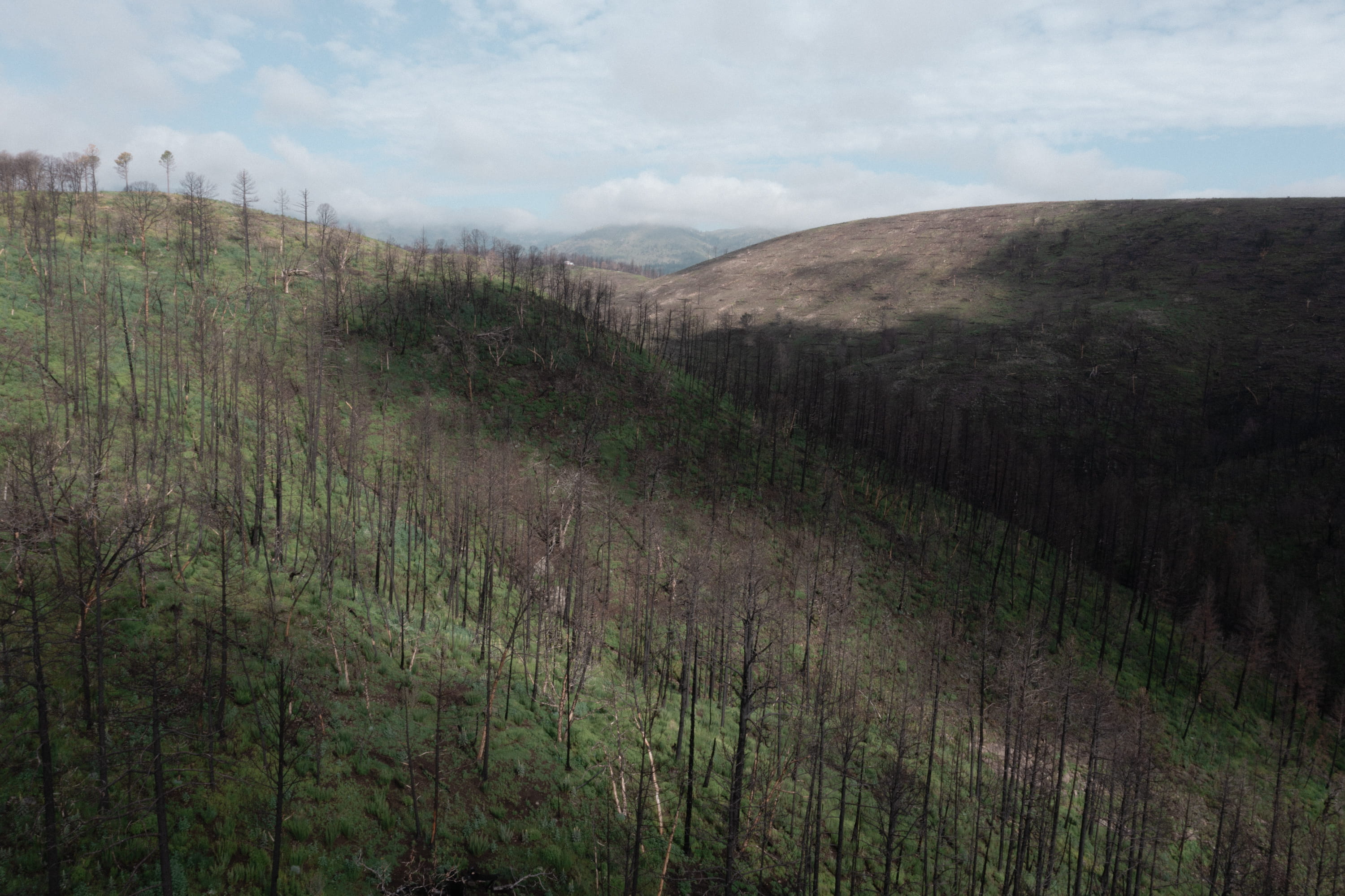
The tragedy in Ruidoso is not an isolated event but a grim case study of a modern Western crisis. Scientists have long established a direct correlation between high-intensity wildfires and catastrophic post-fire flooding. When a forest burns, the soil becomes hydrophobic—much like hot wax poured onto a carpet. It loses its ability to absorb moisture, turning every rainfall into a potential debris flow.
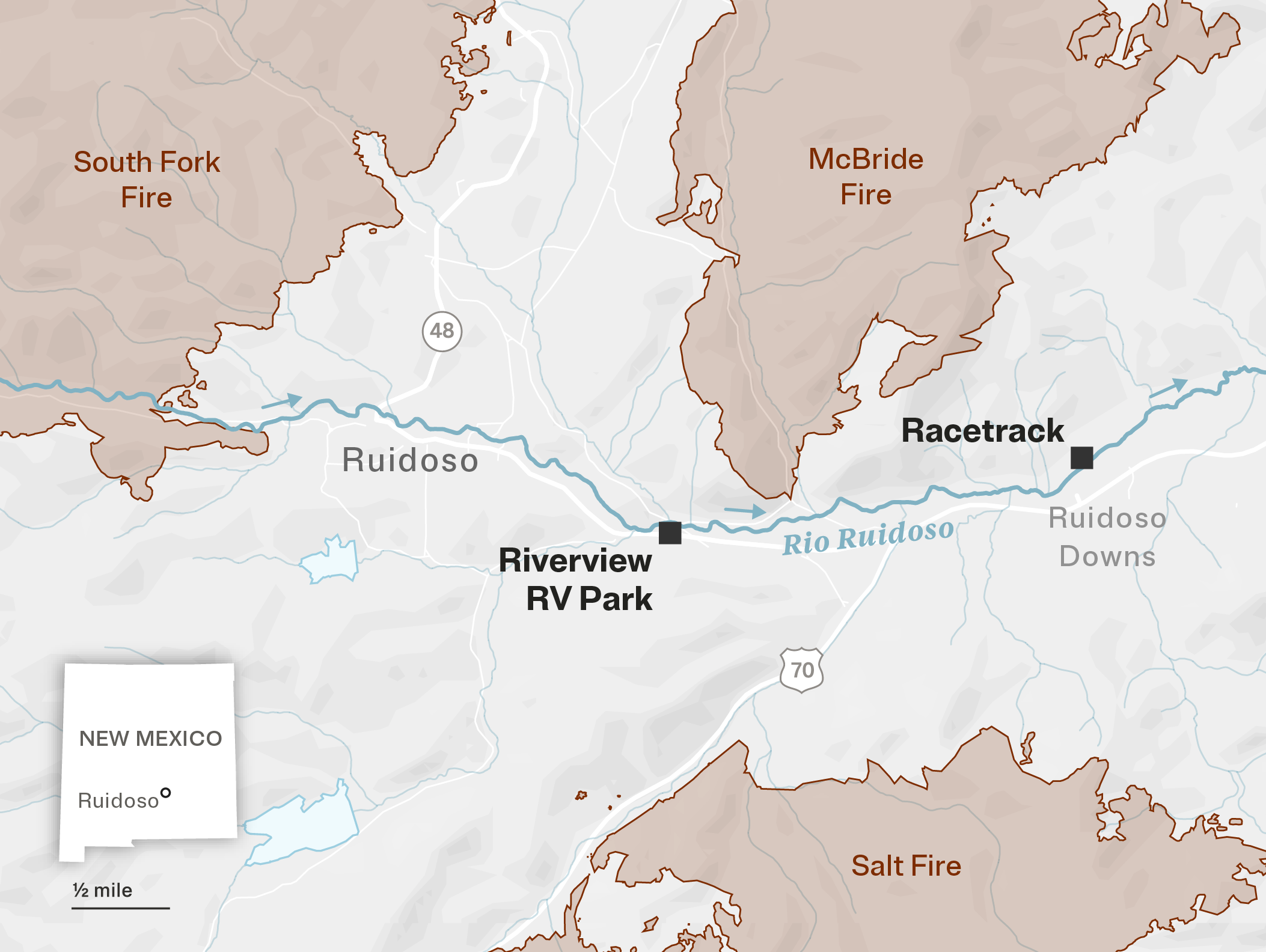
Between 2022 and 2024, the Sacramento Mountains above Ruidoso were ravaged by the McBride, South Fork, and Salt fires. These blazes burned nearly 54,000 acres—five times more land than had burned in the previous six decades combined. Experts warned that the town was now sitting at the base of a funnel, yet the response from local leadership was to lean into the "Ruidoso Strong" narrative, prioritizing the return of tourists over the necessary, and difficult, work of managed retreat.
Chronology of a Preventable Tragedy
The Build-Up: June 2025
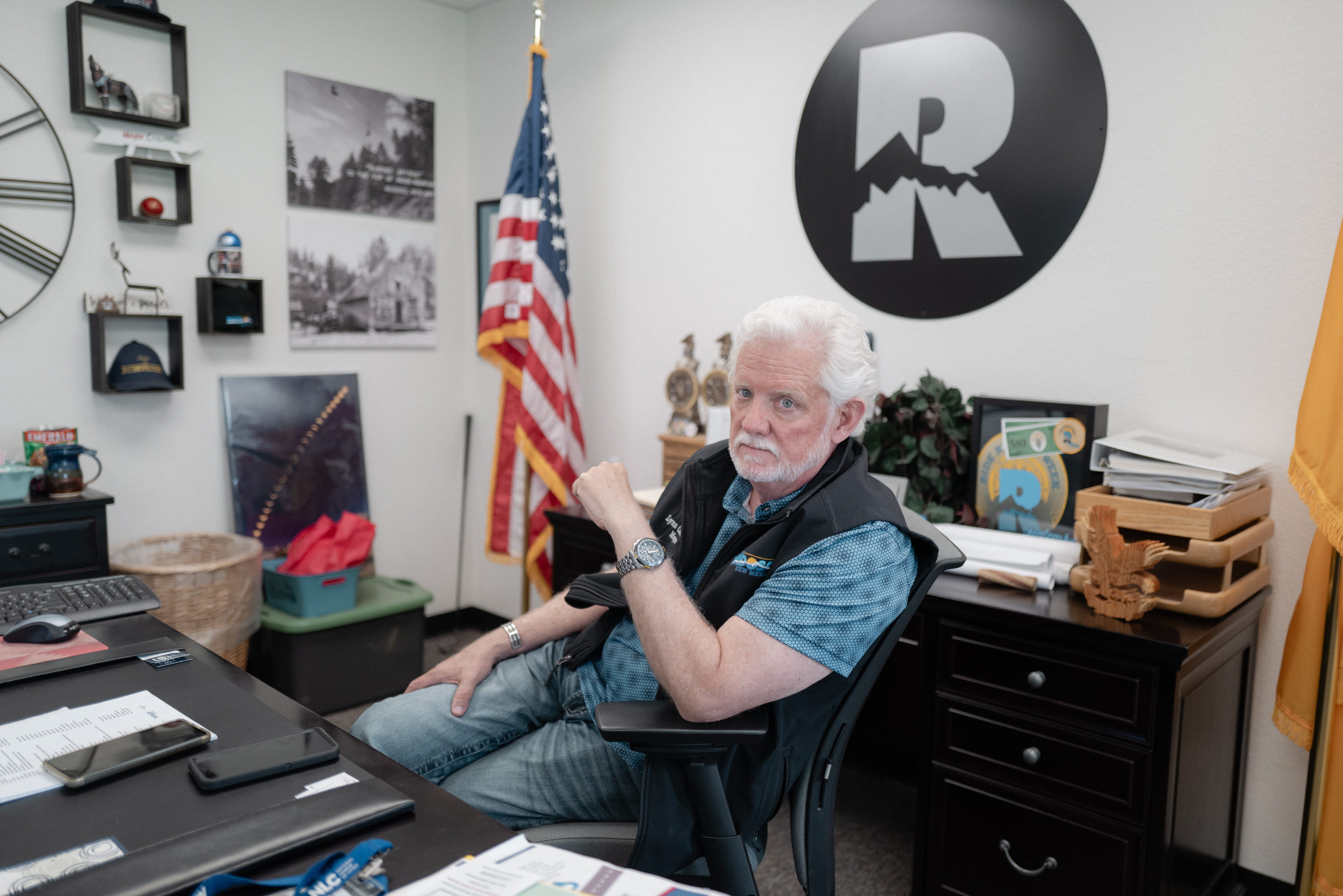
As peak tourist season hit, Mayor Lynn Crawford was vocal in his opposition to those sounding the alarm. In a radio address on June 30, he dismissed residents’ concerns about potential flooding as "fear-based falsehoods." Despite his rhetoric, the reality was stark:
- June 26: Internal records show the Ruidoso emergency management department had raised the threat level due to upstream bridge destruction and dire weather forecasts.
- June 27: The threat level was quietly downgraded, and the village’s communications team actively discouraged residents from sharing "catastrophic" warnings on social media, claiming some were based on outdated videos.
The Fatal Day: July 8, 2025
- 1:00 p.m.: Mayor Crawford opened a council meeting by praying for flood victims in Texas, boasting of Ruidoso’s own "relative success" in avoiding disaster.
- 1:30 p.m.: Radar data indicated that storms were dousing multiple burn scars simultaneously. Firefighters began texting each other, noting the situation "could be interesting."
- 2:00 p.m.: The National Weather Service issued a flash flood warning, later upgraded to an emergency.
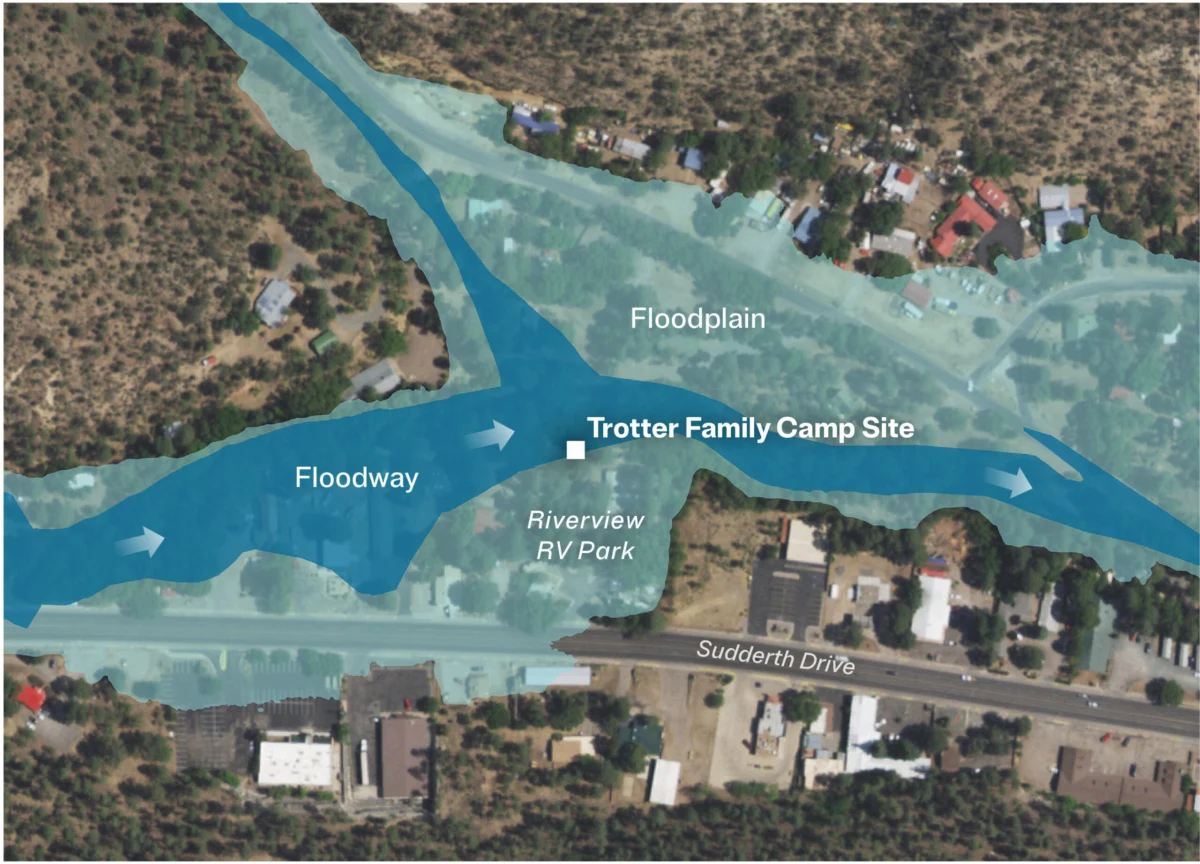
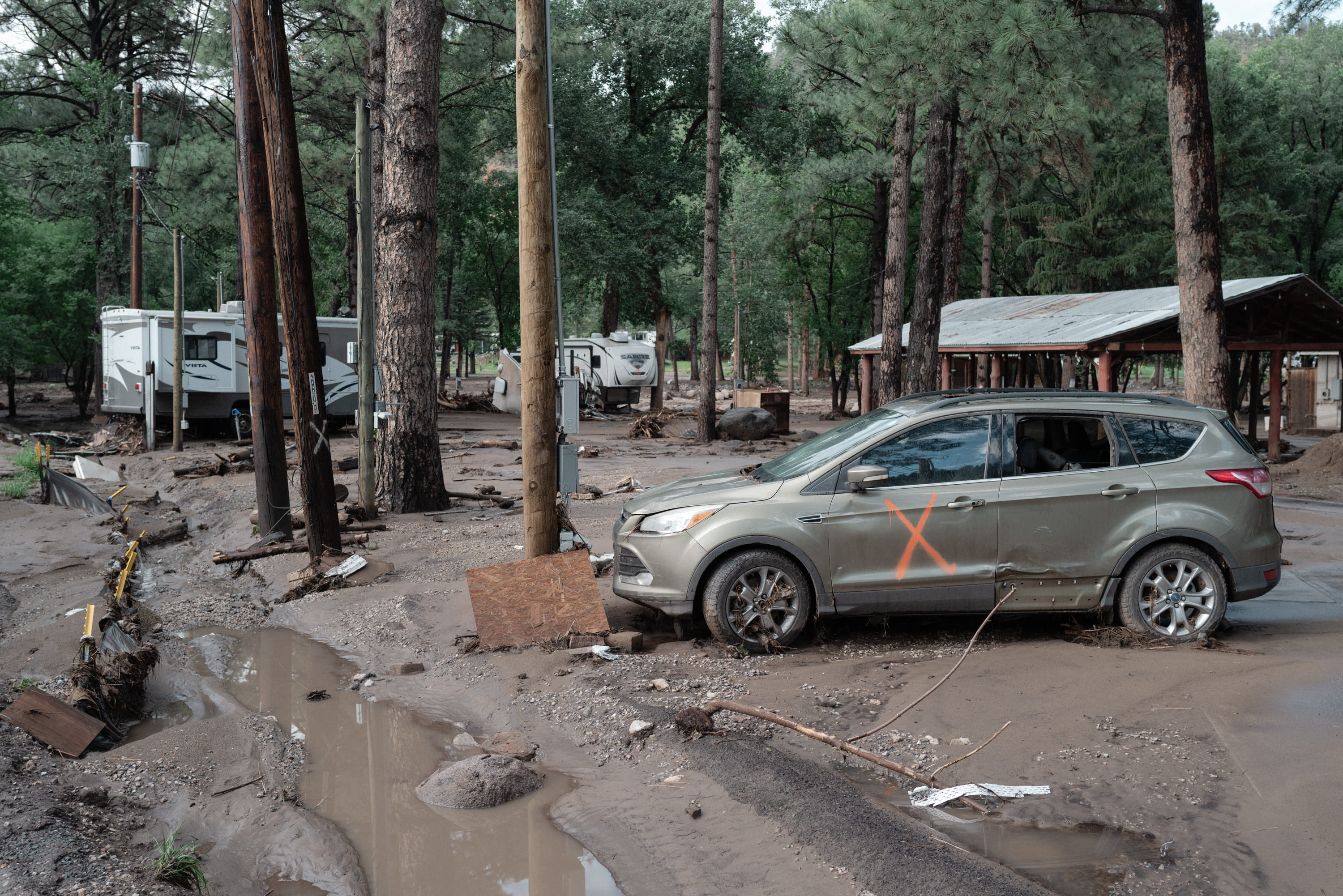
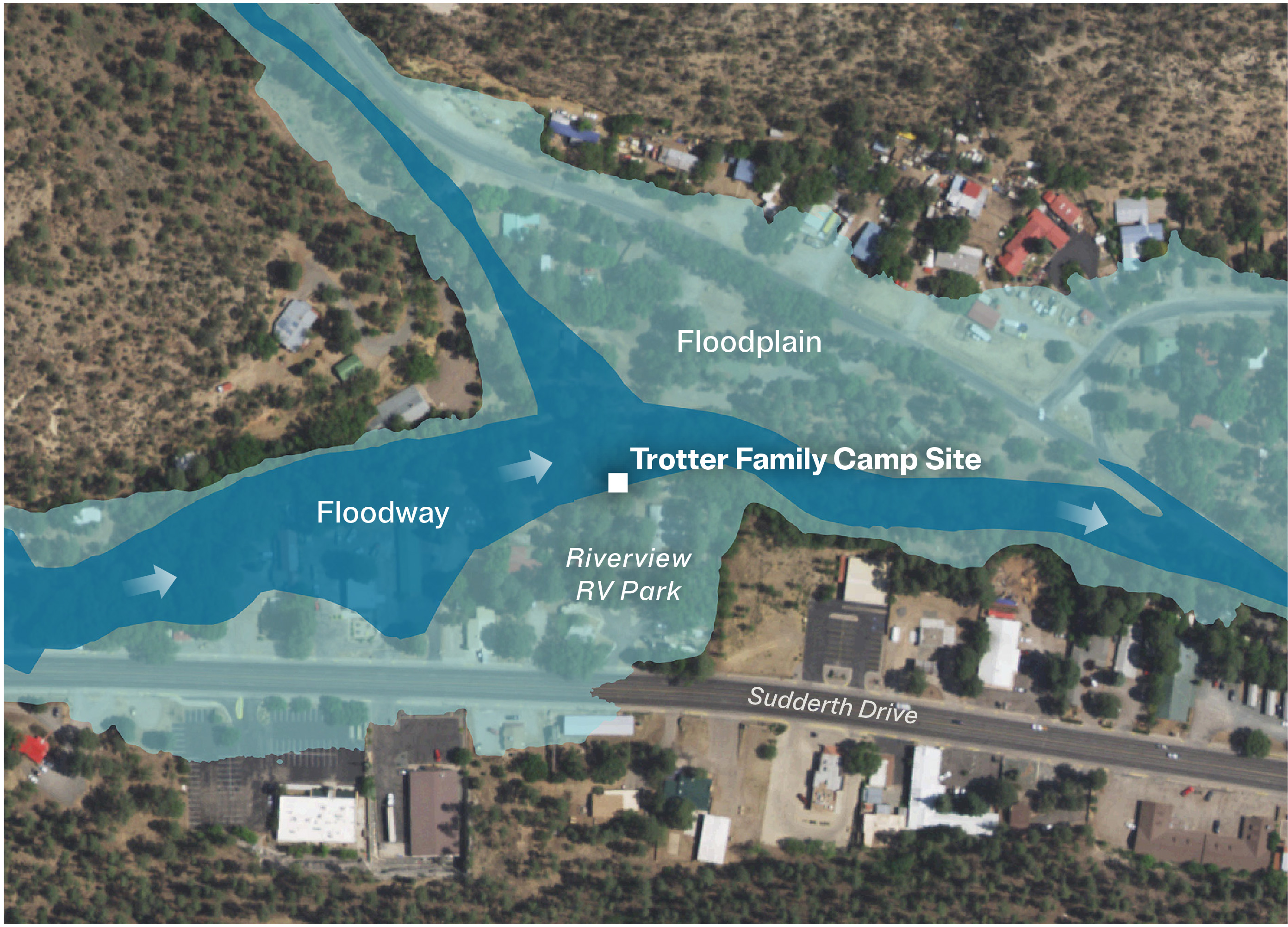
- 3:00 p.m.: The river, transformed into a wall of liquid debris, tore through the Riverview RV Park. The Trotter family, who had received no official warning, were caught in the deluge. Their children, Sebastian Rowan, 7, and Charlotte, 4, were swept away in the current.
The Economy of Risk: The Racetrack Controversy
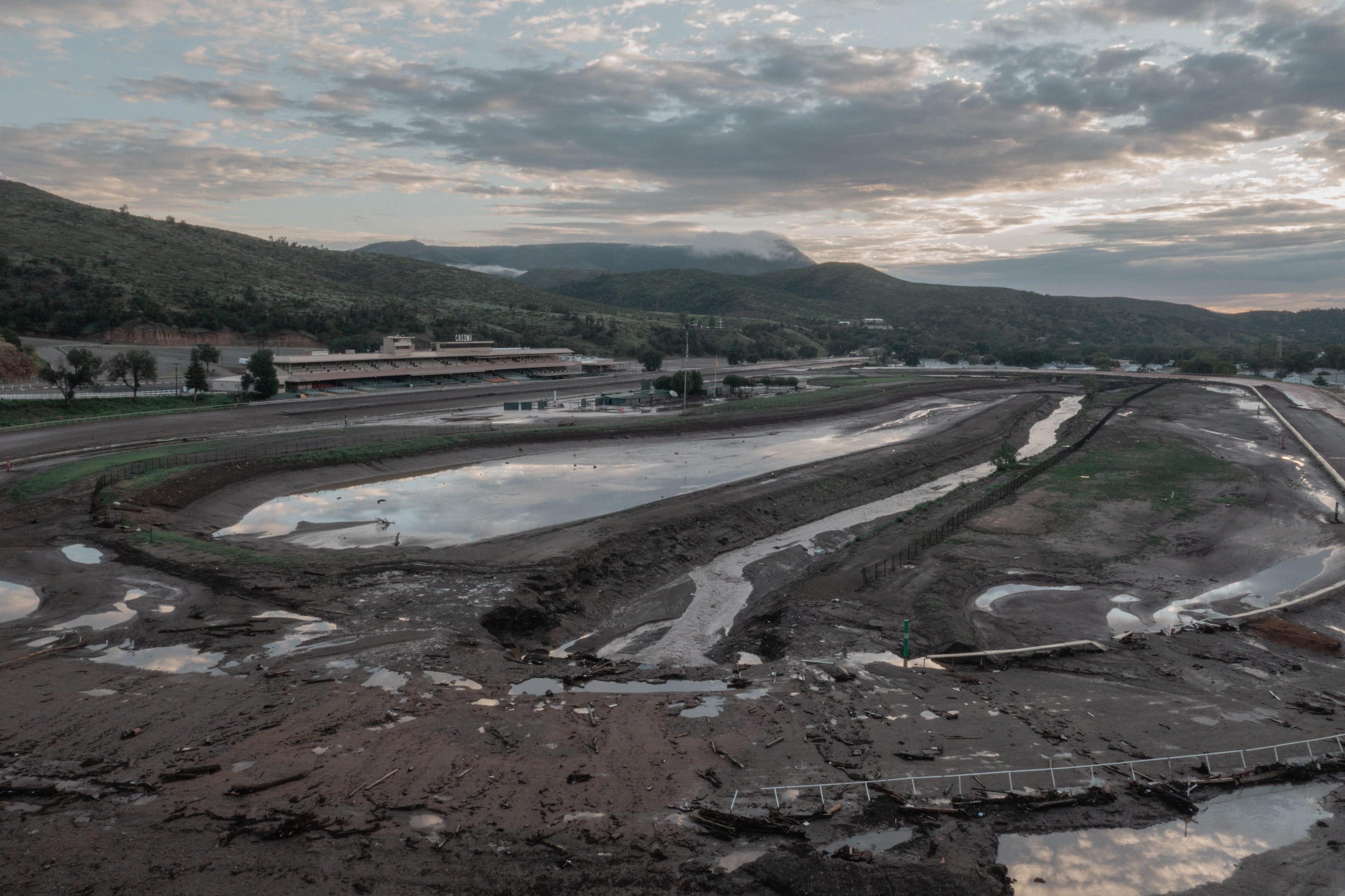
A central pillar of the village’s recovery efforts was the Ruidoso Downs Race Track. The facility, which pumps significant capital into the local economy, had been damaged by flooding in 2024. Governor Michelle Lujan Grisham authorized a $16 million public investment to rebuild the track’s infrastructure, including culverts and a massive holding basin.
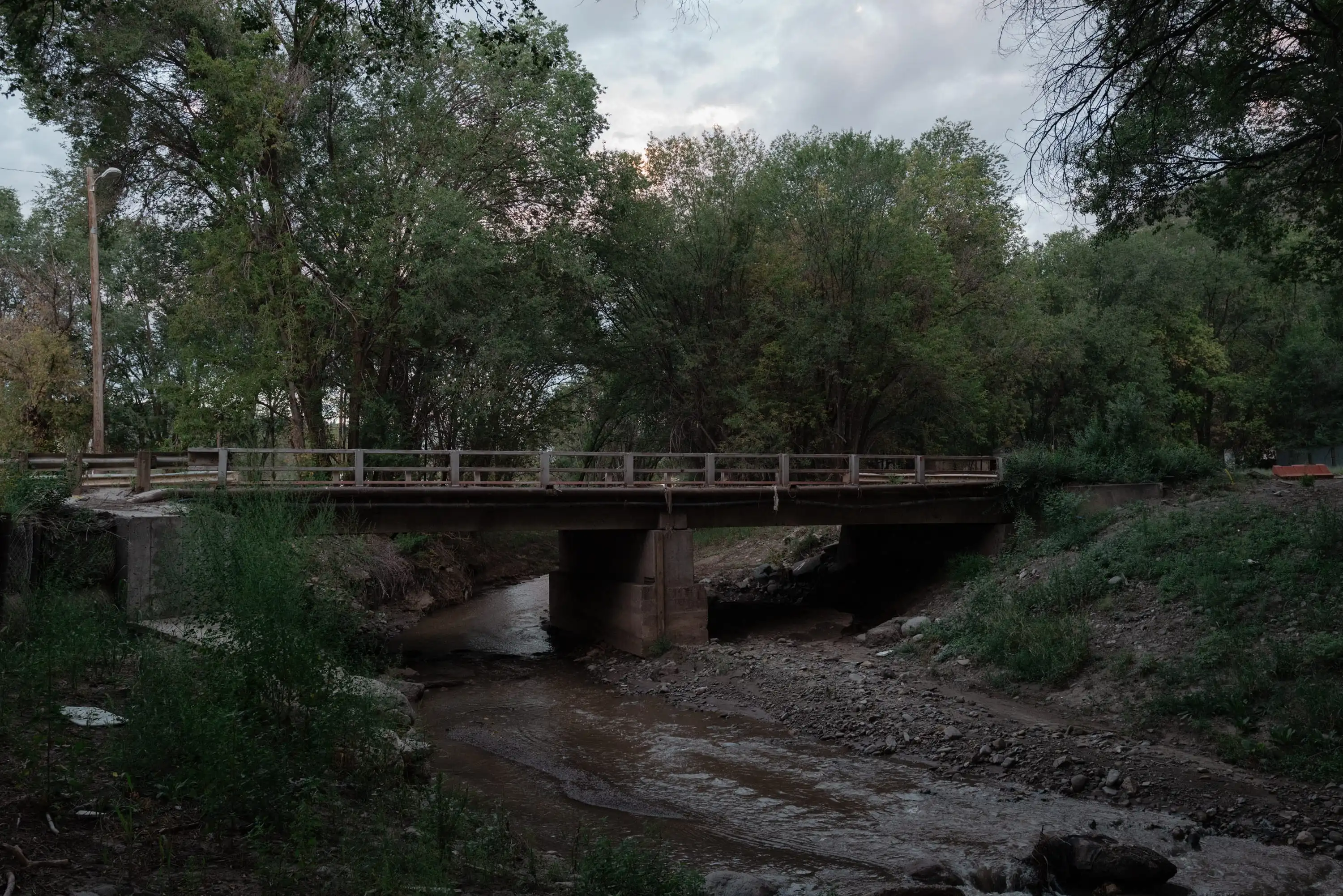
While the governor’s office maintains this was a life-safety project, critics and internal documents suggest it was an effort to save the racing season. The track’s owners, Jana and Johnny Trotter (no relation to the victims), were significant donors to the governor’s campaigns. Even as the track’s repairs were fast-tracked to meet a Memorial Day reopening, critical flood-mitigation projects—such as replacing aging bridges that acted as natural dams—remained stalled due to bureaucratic infighting between the village and the state.
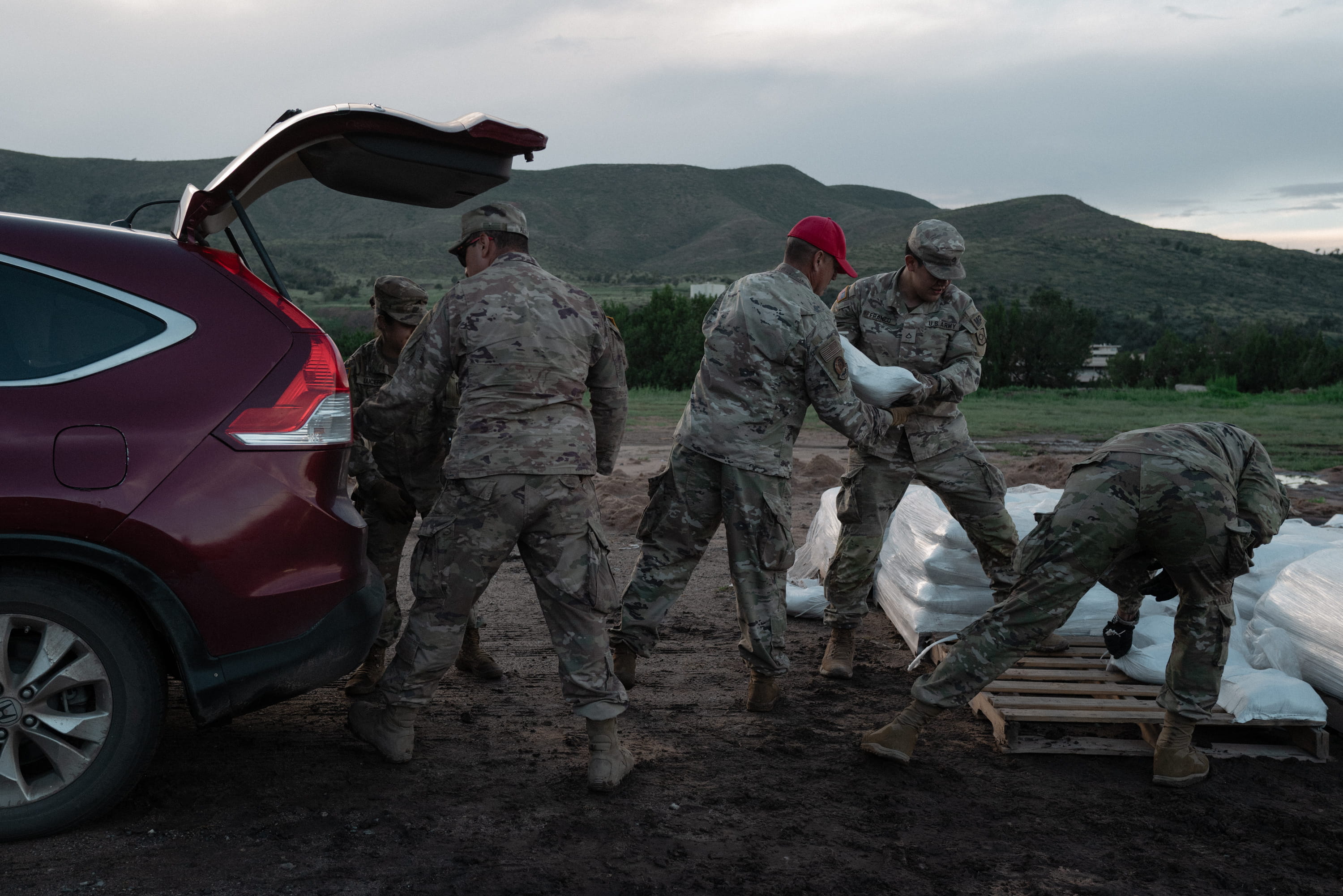
Official Responses and Accountability
When confronted with questions regarding the disparity between the town’s public optimism and the reality of the danger, officials remained defensive.
- The Mayor’s Stance: In an interview, Mayor Crawford deflected responsibility, famously asking, "Who’s to blame? I didn’t start the fire."
- Emergency Management: Fire Chief Cade Hall disputed reports that his department failed to position resources correctly, though he declined to provide specifics.
- State Leadership: A spokesperson for Governor Lujan Grisham asserted that state investments were necessary for safety, not just economic gain. However, state officials were caught in private communications worrying more about the track’s status than the downstream impact on residents during the search-and-rescue operation.
The Lingering Implications
The tragedy in Ruidoso serves as a chilling reminder that the American West is fundamentally unprepared for the intersection of climate-driven wildfire and post-fire hydrology. While federal agencies like the USGS have developed tools to assess debris flow hazards, there is no centralized, accessible system for communities to gauge the real-time risk of post-fire flooding.
Ruidoso continues to survive on disaster aid, with federal and state funding exceeding half a billion dollars since 2024—an amount nine times the village’s annual budget. Yet, the systemic issues remain. The village has largely failed to relocate the most vulnerable residents, and the cycle of "build back better" continues to place families in the path of inevitable future floods.
A Town Divided by Memory
Today, a white cross hangs on a tree at the site of the former Riverview RV Park. It is a quiet, mournful monument to Tim Feagin and the Trotter children. Nearby, a mobile home park remains full, its residents told by management that the rules are being followed and that a flood of that magnitude "won’t happen again."
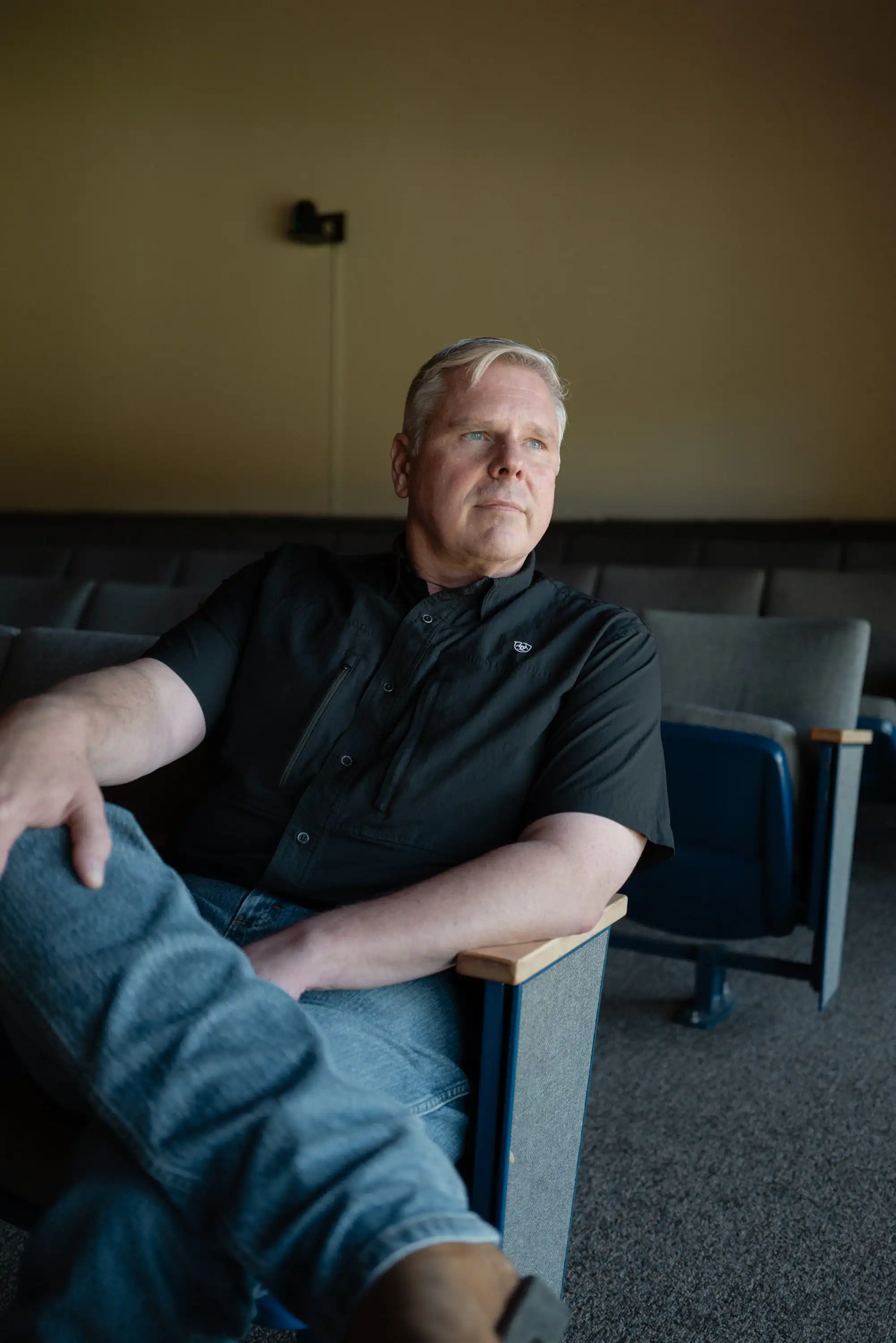
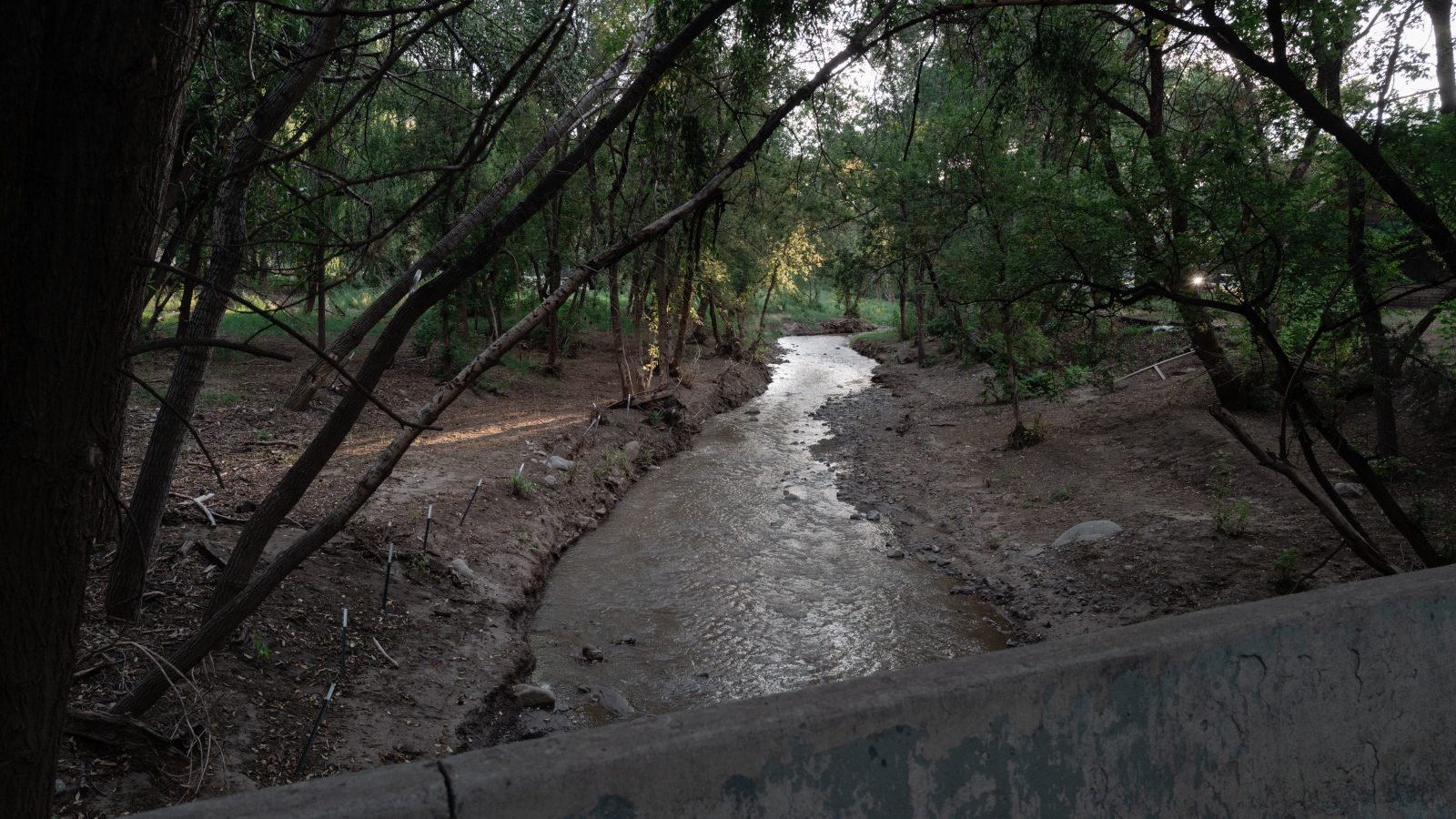
But the geography of the Rio Ruidoso has not changed. As climate change continues to fuel hotter, more destructive fires, the mountains above the village will remain a source of peril. The "Ruidoso Strong" slogan, once a rallying cry for resilience, now feels to many like a thin veil over a community that chose the comfort of the status quo over the hard, necessary work of adapting to a more dangerous world.
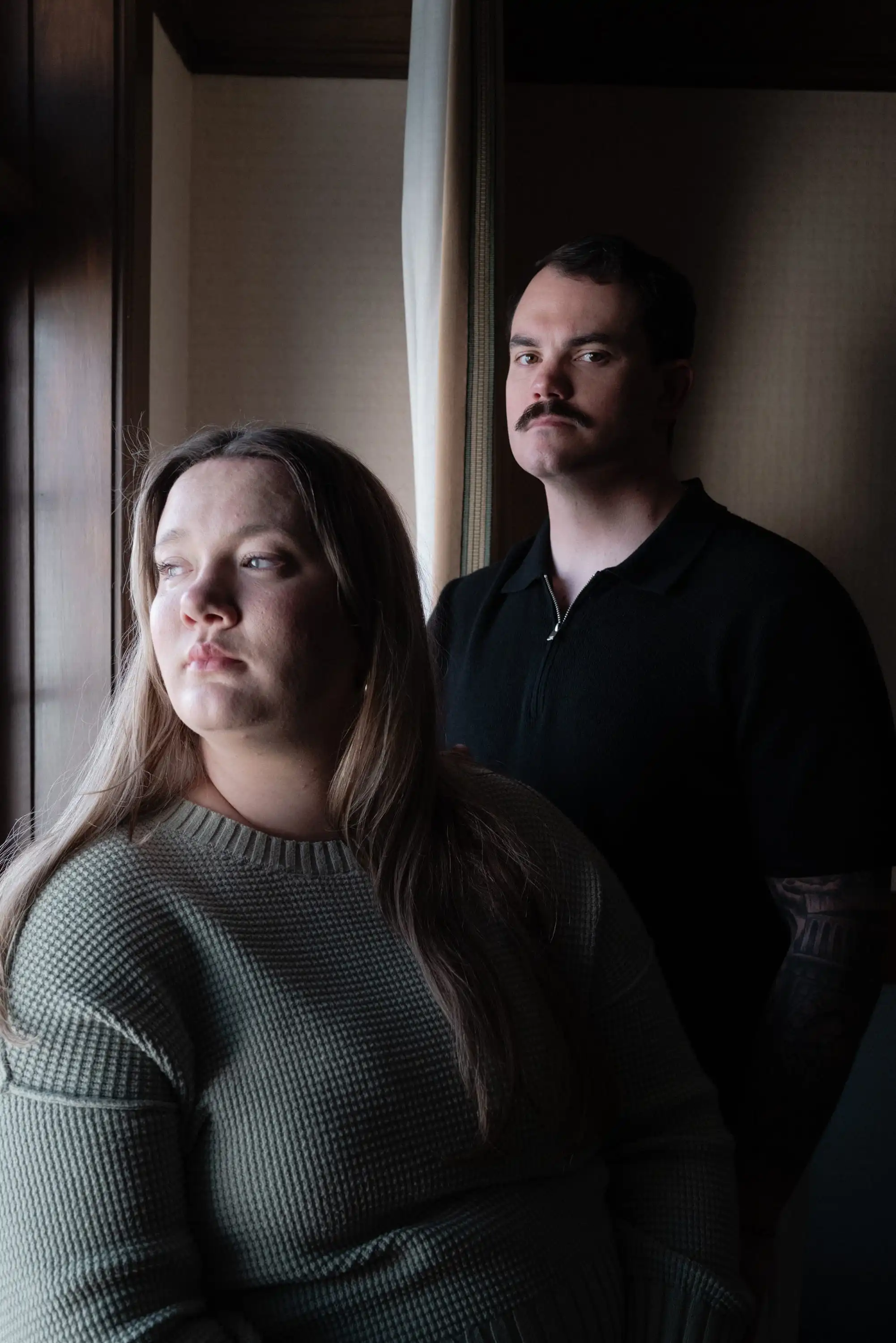
"Everyone always goes back to sleep," remarked Randall Camp, the former county manager, reflecting on the community’s tendency to forget the danger once the river returns to its banks. For the parents of the children lost on July 8, there is no going back to sleep—only the ongoing, painful pursuit of accountability for a disaster that was, by all scientific accounts, entirely predictable.
Summary of Key Findings:
- Predictability: Engineering firms explicitly modeled the 100-year flood scenarios for the village months before the disaster, identifying the exact areas that would be inundated.
- Communication Failure: Despite "alert fatigue," the village failed to deploy emergency responders to the high-risk Riverview RV Park, even while they were active elsewhere.
- Political Prioritization: Public funding was aggressively funneled toward the racetrack infrastructure, while essential public safety infrastructure, such as bridges and culverts, lagged due to funding disputes.
- Media Pressure: Local reporting that showcased the extent of flood damage was suppressed by ownership, with executives citing concerns that such coverage was "bad for business."


 Raul Delapena Setiawan

 Laily UPN

 Reynand Wu

 Sagoh


 Azzam Bilal Chamdy

 Ali Ikhwan
