
 Ammar Sabilarrohman
In an era of economic volatility, the search for a secure yet profitable investment vehicle has led many entrepreneurs toward the proven model of franchising. Unlike the precarious nature of launching a startup from scratch, which often faces a high failure rate in its infancy, franchising offers a blueprint for success. With historical success rates hovering between 80% and 90%, the franchise model serves as a "business in a box," providing entrepreneurs with established brand equity, operational playbooks, and centralized marketing support. As we navigate the economic landscape of 2026, with market growth projections stabilizing at approximately 2.5%, the timing for a strategic entry into the franchise sector has never been more opportune.
Main Facts: Why Franchising Remains the Gold Standard for Growth
The primary appeal of the franchise model lies in risk mitigation. When an investor chooses a reputable franchise, they are not merely purchasing a brand; they are acquiring a battle-tested system.

Core Benefits of the Franchise Model:
- Established Brand Equity: Instant recognition reduces the time and capital required for customer acquisition.
- Operational Efficiency: Standardized procedures minimize trial-and-error costs.
- Centralized Support: Franchisees benefit from the collective R&D, national marketing campaigns, and training programs developed by the franchisor.
- Collaborative Ecosystem: Access to a network of existing franchisees allows for the sharing of best practices and regional insights, fostering a community of mutual growth.
As the market expands, the demand for service-based businesses—specifically in home repair, specialized retail, and educational technology—has surged. In regions like California, where service-sector demand is outpacing supply, the barrier to entry for a well-managed franchise is lower than ever.
Chronology: The Evolution of the 2026 Franchise Landscape
The trajectory of the franchise industry over the last decade has shifted from purely retail-based models to service-oriented, high-utility businesses.

- 2015–2019: The "Convenience Boom," where franchises focused on fast-casual dining and quick-turnaround retail services dominated the landscape.
- 2020–2023: The "Adaptability Phase," where the pandemic forced franchises to pivot toward digital operations, contactless service, and home-based support.
- 2024–2025: The "Tech-Integration Era," where specialized franchises like Code Ninjas and data-driven home service brands began utilizing AI to optimize scheduling and customer relationship management (CRM).
- 2026 and Beyond: The current climate is defined by "Value-Added Essentialism." Investors are gravitating toward businesses that solve tangible problems—home maintenance, power management, and child education—ensuring that their revenue streams remain recession-resistant.
Supporting Data: Analyzing the Top Contenders
To understand where the smart money is flowing, one must look at the specific metrics of the top-performing franchises in the current market.
1. Batteries Plus: The Powerhouse of Revenue Diversification
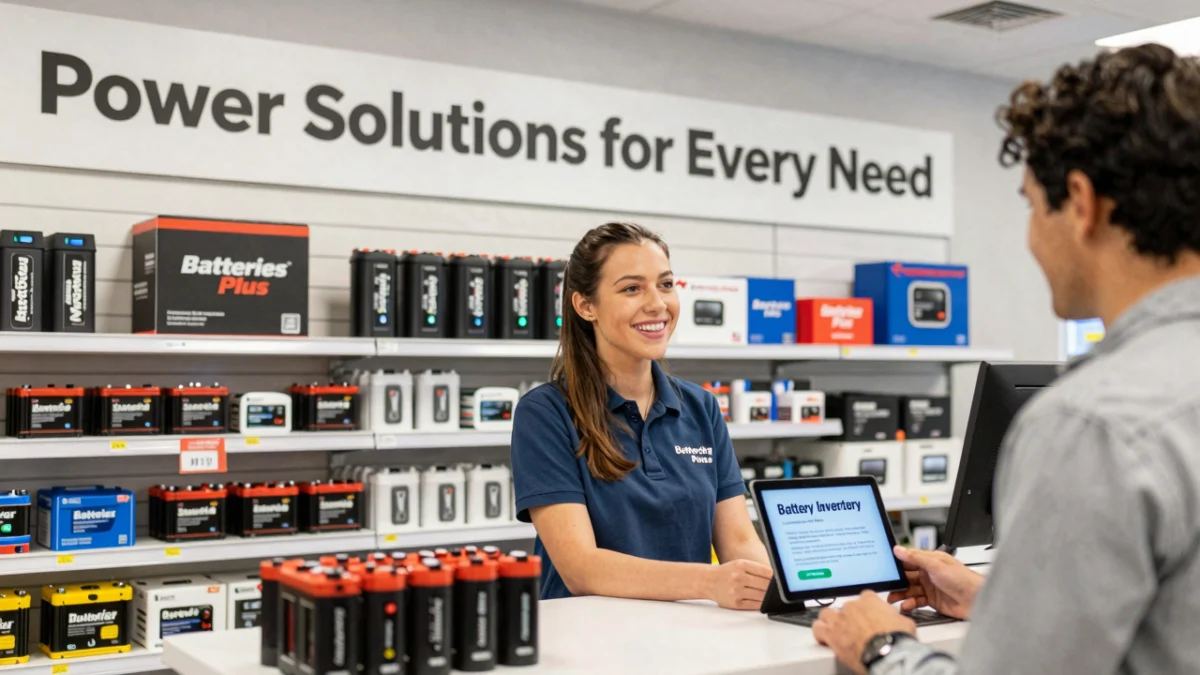
Batteries Plus has cemented its status as a top-tier investment due to its multi-channel approach. By blending retail battery sales with high-demand technical services like phone repair and lighting solutions, the brand ensures a diverse flow of income.

- Minimum Cash Requirement: $100,000.
- Strategic Advantage: The brand’s 30-year history provides a level of resilience that few competitors can match. By serving both residential consumers and commercial business clients, franchisees insulate themselves against sector-specific downturns.
2. Mr. Handyman: Tapping into the Home Service Boom
With an initial investment ranging from $161,900 to $215,000, Mr. Handyman is positioned for the professional investor who seeks high-demand, high-ticket service work.
- Financial Barrier: Requires a minimum net worth of $250,000.
- Market Position: As the aging housing stock across the U.S. requires consistent maintenance, the demand for licensed, reliable handymen remains consistently high, regardless of the broader economy.
3. Code Ninjas: The Future of Ed-Tech
Representing the intersection of technology and education, Code Ninjas taps into the growing parental demand for STEM literacy.

- The Model: A belt-based curriculum for children aged 7–14.
- Market Demand: With technology becoming the cornerstone of the modern workforce, parents are increasingly prioritizing extracurricular coding programs over traditional tutoring.
4. Fresh Coat and Five Star Painting: The Power of Scalability
Painting franchises have historically been considered "recession-proof" due to the ongoing need for property maintenance.
- Fresh Coat: With a low barrier to entry—a minimum cash requirement of $50,000—it is highly accessible for those entering the franchise world for the first time.
- Five Star Painting: Renowned for its robust operational support and proven, high-margin service model. Both companies focus on high-quality delivery, which encourages repeat business and customer loyalty.
Official Perspectives and Expert Insight
Industry analysts suggest that the "best" franchise is not necessarily the one with the highest brand recognition, but the one that aligns best with the franchisee’s lifestyle and local market conditions.

"Investors often make the mistake of choosing a brand based on personal preference rather than the Franchise Disclosure Document (FDD)," says one leading franchise consultant. "The FDD is the most important document you will ever read. Specifically, Item 19—which details the financial performance of existing units—should be the primary filter for any potential investor."
Franchisors are also responding to the market’s demand for transparency. Leading brands have begun offering "Discovery Days," which allow potential franchisees to visit corporate headquarters and talk directly with current operators. This shift toward radical transparency is helping to filter out passive investors, ensuring that those who join the system are fully aligned with the brand’s operational requirements.

Implications: Strategic Steps for the Aspiring Franchisee
If you are prepared to move forward, the transition from an interested party to a business owner requires a disciplined approach.
The Due Diligence Roadmap:
- Self-Assessment: Determine your liquidity and risk tolerance. Are you prepared for a $50,000 investment, or are you looking at the $200,000+ bracket?
- Market Research: Analyze your local area. Is there a surplus of home repair services? Is there a gap in the market for specialized tech education?
- Review the FDD: Pay close attention to initial franchise fees, royalty percentages, and the support structure provided by the franchisor.
- The "Validation" Phase: Contact existing franchisees. Ask them, "If you could do it all over again, would you choose this brand?" Their candid answers are often more valuable than the official marketing materials.
- Secure Financing: While many franchisors have relationships with lenders, you should explore Small Business Administration (SBA) loans and other local financing options to ensure your capital structure is sound.
Conclusion: The Path Forward
Investing in a franchise is a calculated decision that balances the desire for independence with the security of a proven system. Whether you are drawn to the technical nature of Batteries Plus, the hands-on service of Mr. Handyman, or the educational mission of Code Ninjas, the key to success remains the same: thorough research and operational commitment.

As the economic landscape of 2026 continues to evolve, the businesses that will thrive are those that provide essential, high-quality services to their local communities. By leveraging the training, marketing power, and established reputations of these industry leaders, you are not just starting a business—you are positioning yourself within a framework designed for long-term growth and stability. The opportunities are clear; the next move is yours.


 Nila Kartika Wati

 Asep Darmawan

 Basiran

 Nana Wu
 Nana

 Siti Muinah


 Reynand Wu
