
 Raul Delapena Setiawan
In the modern digital ecosystem, authenticity has transitioned from a buzzword to the single most critical currency for brand survival. According to Sprout Social’s Q3 2026 Pulse Survey, consumers are increasingly viewing brand presence on social media through a lens of deep-seated skepticism. As audiences grow more discerning and the proliferation of AI-generated content clouds the distinction between reality and artifice, the "trust recession" has become a defining challenge for marketing professionals.
The State of the Trust Recession: A Chronological Overview
The erosion of consumer trust is not a sudden phenomenon but a steady decline tracked throughout 2026.
- Q1 2026: Initial industry data revealed a startling shift: 35% of social media users reported trusting social platforms less than they did just twelve months prior. This period marked the height of concern regarding "synthetic media," where AI-generated advertisements and influencers began to mimic real-world experiences, leaving users struggling to identify genuine brand messaging.
- Q2 2026: The conversation shifted from general skepticism to crisis management. Data indicated that consumers now look to social media—not official websites or press releases—as the primary source for news regarding brand controversies. With 64% of consumers demanding public, social-first accountability, the traditional "corporate silence" strategy proved increasingly damaging to brand equity.
- Q3 2026: The focus moved toward restorative strategies. Sprout’s latest findings confirm that while trust is harder to earn, it remains the primary driver of growth. The "Be So FR" (Be So For Real) webinar hosted by industry leaders underscored a growing consumer demand for radical transparency, human-centric content, and tangible proof of brand values.
Supporting Data: Why Social is the New Frontline of Trust
Social media has replaced the corporate website as the initial point of discovery for the vast majority of modern consumers. Before a purchase is ever made, potential customers are scouring comments sections, checking influencer reviews, and comparing firsthand experiences shared by peers.
The data confirms that the customer journey is now socially driven:

- The Power of Peers: 57% of consumers trust everyday users more than experts, mega-influencers, or brand employees when seeking product recommendations.
- Responsiveness Expectations: The speed of interaction is a proxy for honesty. 38% of consumers expect a customer care response on social media within two hours, with 14% demanding a response within mere minutes.
- The Transparency Gap: 28% of consumers have explicitly called for an end to unlabeled AI-generated content, viewing such tactics as a direct violation of their trust.
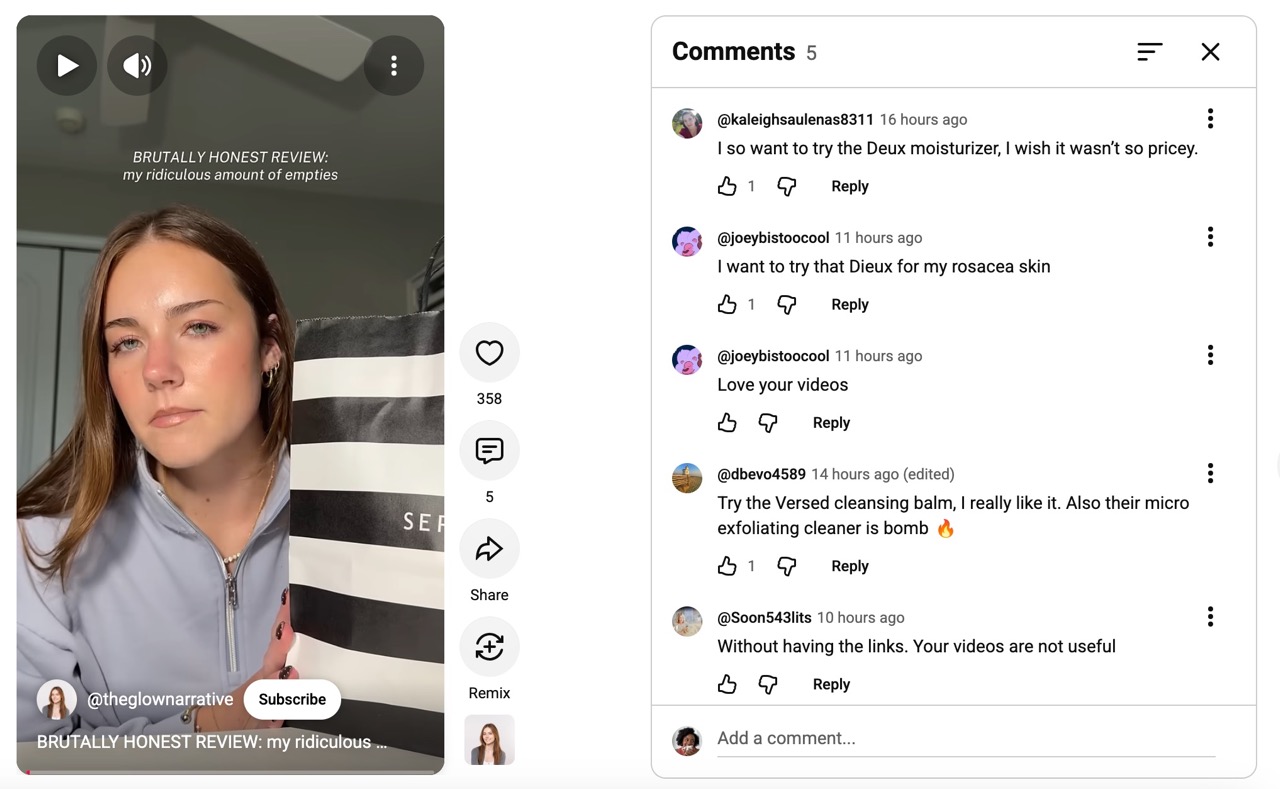
This environment dictates that brands can no longer control the narrative; they must participate in the conversation. When an influencer like @theglownarrative posts a skincare review, the "truth" of the product is established not by the brand’s marketing copy, but by the nuanced, unfiltered discussion happening in the comment threads below.
The Pillars of Credibility: A Framework for Engagement
To navigate this landscape, brands must adopt a strategy centered on four fundamental pillars. Failing to adhere to these can actively dismantle brand equity.
1. Consistency: The Foundation of Reliability
Consistency is not merely about a posting schedule; it is about the alignment of brand values with operational reality. If a brand promotes a commitment to sustainability but fails to address supply chain ethics when challenged in the comments, the dissonance erodes trust. Brands must ensure their voice remains stable across campaigns, daily posts, and high-pressure crisis situations.
2. Responsiveness: Proof of Care
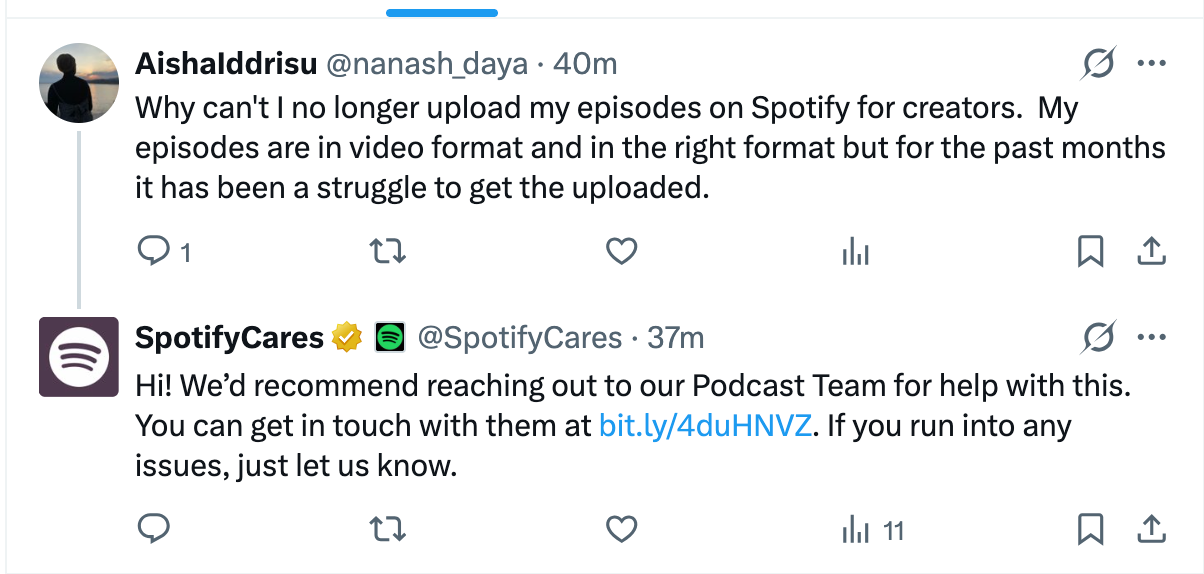
Responsiveness is a tangible demonstration of value. As demonstrated by the service model of "SpotifyCares," prompt, helpful, and human-led replies—which direct users to specific departments rather than generic chatbots—are essential. In a crisis, the quality of the response is as vital as the speed; brands that own their mistakes and provide clear timelines for resolution retain more customer loyalty than those that deflect.
3. Transparency: Radical Honesty
The use of AI must be disclosed. Whether it is a generated image or a copy-edited caption, consumers now expect a "human-in-the-loop" guarantee. Transparency also extends to paid partnerships. Influencer relationships must be clearly labeled, and the brands that thrive are those that encourage their partners to provide honest, balanced reviews that acknowledge both the benefits and limitations of their products.
4. Proof: Evidence Over Claims
Unsupported marketing claims are no longer effective. Brands must rely on evidence-based content, including authentic customer testimonials, employee-led product demonstrations, and collaborations with creators who possess genuine expertise. When an employee explains how a product works, it carries a weight that standard advertising cannot replicate.
Strategic Implications: Building a Growth Lever
The "trust recession" should not be viewed as a barrier, but as a strategic growth lever. By prioritizing trust, brands can foster deeper customer relationships that lead to higher lifetime value.
Implementing the Five-Step Trust Strategy
I. Cultivate an Authentic Voice
Data shows that 26% of consumers want brands to sound less corporate and 24% want them to be less salesy. Your team should audit their social presence: if a post sounds like it could have been written by a competitor, it lacks the specific, human perspective necessary to build a connection.
II. Leverage Social Listening
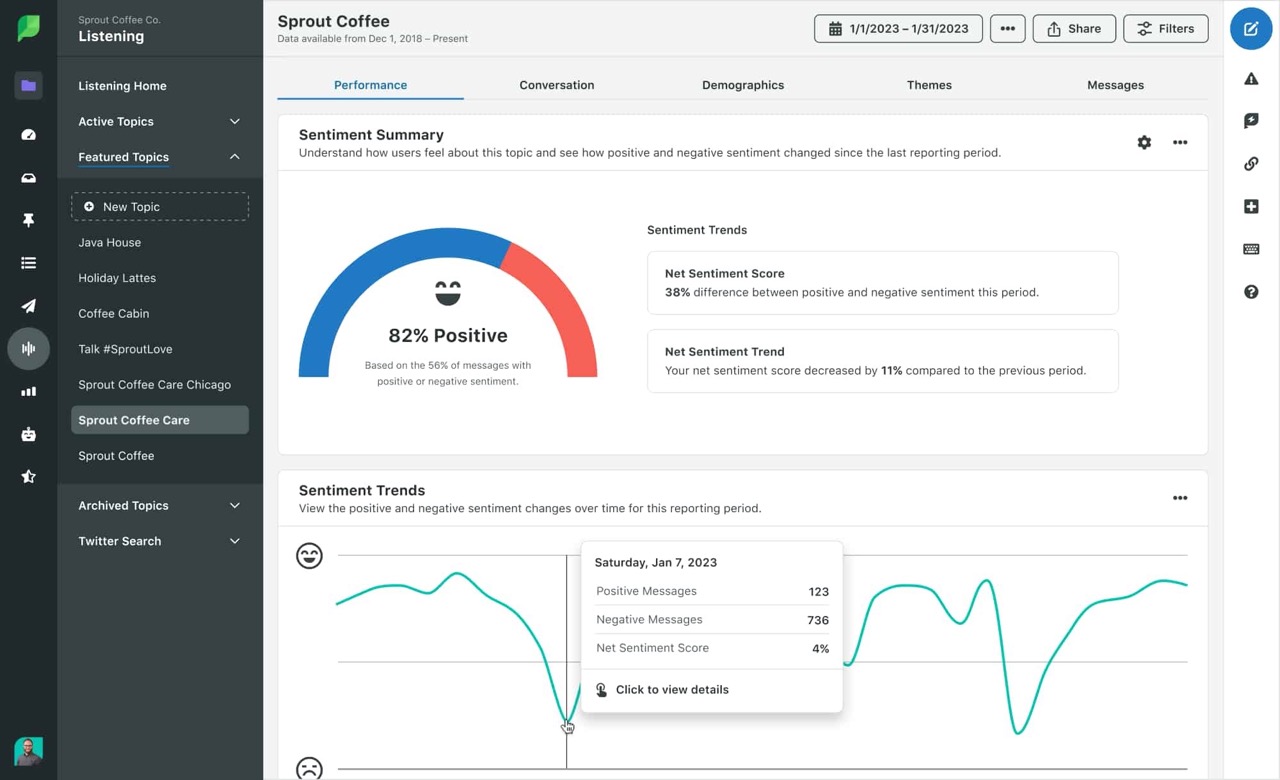
Using tools like Sprout Social’s listening dashboards, brands can track sentiment, recurring frustrations, and unmet needs. If users are consistently asking the same setup questions, that is not just a customer service issue—it is a content opportunity. By creating tutorials that address these specific pain points, a brand demonstrates that it is truly listening to its audience.
III. Curate Influencer Partnerships for Expertise
The 2026 Influencer Marketing Report highlights that 47% of consumers choose creators based on their specific topics of expertise rather than their follower count. Brands must stop chasing "reach" and start chasing "relevance." Vet potential partners by reviewing their history of disclosure and their capacity for honest critique.
IV. Amplify Employee and Community Voices
Frontline employees are among the most trusted voices in a brand’s orbit, with 46% of consumers wanting to hear from them directly. Whether through product demos or Q&A sessions, providing employees with the platform—and fair compensation—to advocate for the brand builds an unmatched level of credibility.
V. Shift from Audience to Community
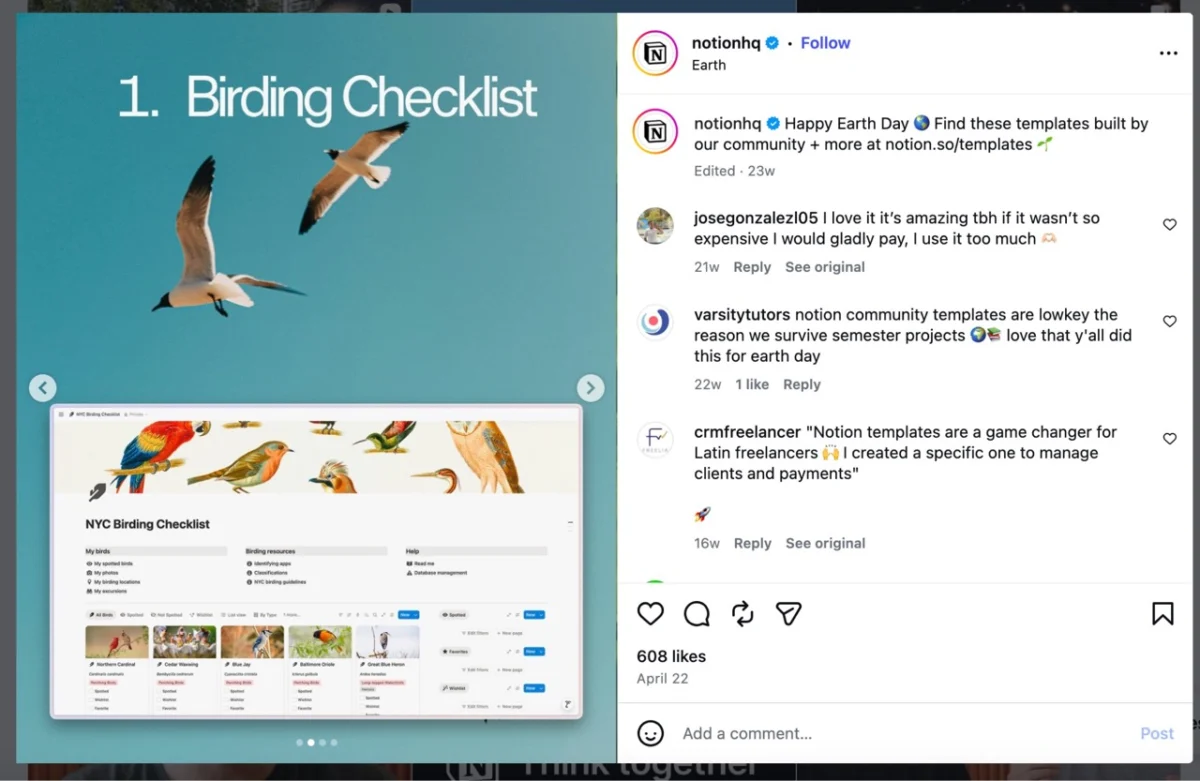
Moving beyond one-way broadcasting, brands should create spaces for users to interact with one another. When brands like Notion showcase community-built templates, they empower their users. This shifts the relationship from "vendor and buyer" to "partners in a shared interest," creating a community that is inherently more resilient to market volatility.
Conclusion: Trust as a Long-Term Investment
In the final analysis, every social media interaction is a deposit or a withdrawal from a brand’s trust account. As we move further into 2026 and beyond, the brands that win will be those that view every comment, every post, and every crisis as an opportunity to demonstrate their integrity.
Ask yourself: Does this post help my customer make a better decision? Does this response resolve a genuine concern? Have we delivered on the promises we made in our marketing? By centering these questions in every social strategy, brands can move past the current recession and build a durable, trust-based future. As the landscape continues to evolve, the most successful brands will be those that treat "realness" not as a campaign theme, but as their primary business objective.


 Reynand Wu

 Iffa Jayyana



 Sagoh


 Azzam Bilal Chamdy

 Ali Ikhwan
