
 Nila Kartika Wati
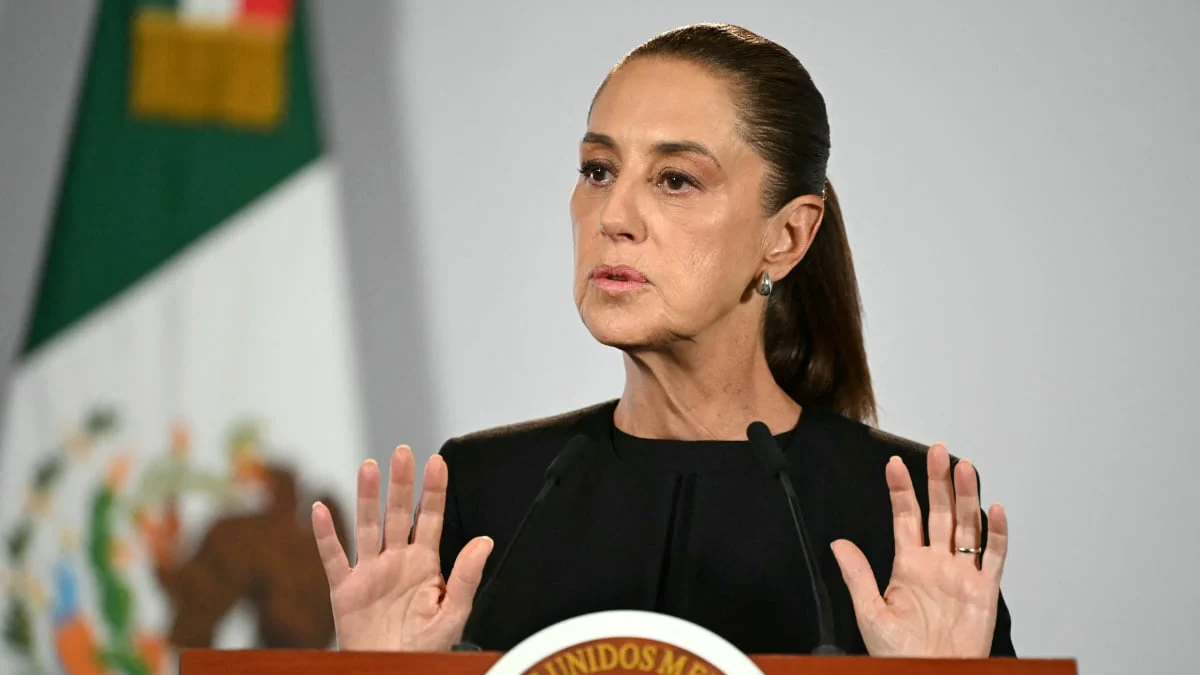
In a landmark move signaling a fundamental shift in the relationship between the state and global technology giants, Mexican President Claudia Sheinbaum signed a presidential decree on October 14, 2026, aimed at curbing the exposure of minors to violent and extremist content online. The decree, which mandates that social media and streaming platforms implement rigorous age verification and content filtering, follows a wave of school-based violence that has shocked the nation and reignited the debate over the influence of algorithmic radicalization.
The administration’s move is part of a broader, aggressive policy agenda aimed at reclaiming the digital environment for the nation’s youth. By forcing platforms to assume liability for the content delivered to younger demographics, Mexico has positioned itself at the vanguard of a global movement to impose "digital borders" around children, marking a departure from the largely unregulated internet landscape of the previous decade.
The Catalyst: A National Tragedy in Torreón
The urgency behind the decree stems from a harrowing incident earlier this month in Torreón, Coahuila. Two former students launched a targeted attack at a local secondary school, resulting in the murder of a vice principal and injuries to several students. Preliminary investigations by local authorities revealed that the assailants had been heavily influenced by violent and extremist content disseminated through digital channels.
The attack, which sent shockwaves through the Mexican educational system, acted as a grim catalyst for the government. For many observers, the incident was not an isolated breakdown of security but a symptom of a larger, systemic issue: the unchecked delivery of incendiary, hateful, and extremist ideologies directly into the hands of teenagers via social media algorithms. President Sheinbaum, addressing the press on the morning of the signing, framed the decree not as an infringement on free speech, but as a "necessary protection of the most vulnerable members of our society."
Chronology of Government Intervention
The road to the October 14 decree was paved with a series of incremental policy shifts that signaled the administration’s hardening stance on technology.
- September 23, 2026: President Sheinbaum announced a sweeping nationwide education reform, effectively banning cellphones from public school classrooms. This policy aimed to reduce distractions and mitigate the prevalence of cyberbullying during school hours.
- Early October 2026: Following the tragedy in Torreón, the Ministry of Education and the Interior began emergency consultations with major tech stakeholders, including Meta, TikTok, and Google.
- October 14, 2026: President Sheinbaum officially signed the presidential decree. The order dictates that platforms must eliminate content that promotes hate speech, self-harm, sexual exploitation, and illegal conduct within 30 days.
- The Future (November 2026 and beyond): The government has established a one-month compliance window. Should companies fail to adhere to these standards, the administration has pledged to fast-track secondary legislation that would introduce punitive financial and legal consequences for non-compliance.
The Mandate: What the Decree Requires
The decree is comprehensive, targeting the architecture of the modern internet. It mandates that digital platforms must:
- Implement Robust Age Verification: Platforms must utilize reliable tools to ensure that users under the age of 18 are not accessing, or being served, age-inappropriate material.
- Parental Controls: The decree requires the integration of granular, user-friendly parental control tools that allow guardians to monitor and restrict the digital consumption of their children.
- Algorithmic Filtering: Beyond simply removing content, the decree explicitly prohibits the recommendation or algorithmic promotion of content that touches upon extremism, eating disorders, suicide, and cyberbullying.
By targeting the "recommendation" engines—the very algorithms that keep users engaged by feeding them increasingly extreme content—Mexico is moving beyond basic content moderation into the realm of architectural oversight.
Global Context and the "Phone-Free" Movement
Mexico’s decision mirrors a growing international trend. In the United States, several states and districts have implemented localized cellphone bans, though a federal legislative framework remains elusive. The debate in Mexico, however, is significantly more centralized. By invoking a presidential decree, Sheinbaum has bypassed the often-protracted legislative process, opting for an executive-led strategy that mirrors recent actions in Australia.
Australia recently made international headlines by becoming the first nation to pursue a complete social media ban for users under the age of 16. This "wholesale" approach, while favored by some child safety advocates, has sparked intense debate regarding the "digital rights" of minors and the feasibility of enforcement. Critics of these bans argue that they could push children toward less secure, "darker" corners of the internet, where platforms are even less likely to moderate content effectively.
Supporting Data and the Mental Health Crisis
The impetus for these regulations is backed by an increasing body of research suggesting a correlation between prolonged exposure to specific types of online content and the degradation of adolescent mental health. Studies in Mexico have indicated a rise in reported cases of cyberbullying and online-facilitated radicalization over the past three years.
Furthermore, child development experts point out that the teenage brain is uniquely susceptible to the dopamine loops created by social media algorithms. When these loops are intersected with extremist or harmful content, the psychological impact can be catastrophic. The Sheinbaum administration appears to be acting on the premise that digital platforms have effectively weaponized these developmental vulnerabilities, necessitating a state-mandated intervention.
Official Responses and Corporate Silence
The response from the tech giants—the primary targets of the decree—has been notably subdued. While government officials confirmed that meetings were held with leadership from Meta, TikTok, and Google prior to the announcement, none of these companies have issued a formal public response to the specific requirements of the decree.
The silence from Silicon Valley suggests a period of intense internal legal review. Compliance with these mandates would require a massive overhaul of how these platforms operate within Mexican borders. For companies that rely on a unified, global algorithmic approach, carving out a "Mexico-specific" compliance model is both a logistical nightmare and a potential financial burden. However, given the threat of the secondary "punishment law" mentioned by the President, the platforms are operating on a razor-thin timeline.
Implications: The Legal and Technical Frontier
The implications of this decree are far-reaching.
Legal Precedent
If successful, Mexico’s decree could serve as a blueprint for other developing nations seeking to regulate the influence of global tech companies without waiting for international consensus. It challenges the long-held defense of "platform neutrality," effectively reclassifying social media companies as entities with a "duty of care" toward their users.
The Technical Challenge
The efficacy of age verification remains the primary point of contention. Critics of such legislation argue that current tools are easily bypassed by tech-savvy teenagers using VPNs or falsified credentials. Furthermore, "parental control" tools often place an undue burden on parents who may not have the digital literacy to manage complex settings across multiple platforms.
Societal Impact
Beyond the technology itself, the decree marks a significant shift in Mexican cultural attitudes toward child-rearing and digital autonomy. By restricting device use in schools and now limiting algorithmic influence at home, the state is reasserting its role as a moral guardian. While this is welcomed by parents concerned about online safety, it raises questions about the long-term impact on digital literacy. If children are "shielded" from the internet, are they being prepared to navigate the inevitable digital challenges they will face as adults?
Conclusion
President Claudia Sheinbaum’s decree represents a watershed moment in the global digital landscape. By taking decisive, executive action in the wake of a national tragedy, the Mexican government has signaled that it will no longer allow the profit-driven algorithms of social media giants to dictate the safety of its citizens.
The next 30 days will be critical. As tech giants weigh the cost of compliance against the risk of exclusion from the Mexican market, the world will be watching. Whether this decree successfully mitigates the influence of extremism on the nation’s youth remains to be seen, but one thing is certain: the era of the "unregulated digital playground" is rapidly coming to an end in Mexico. The conflict between the state’s obligation to protect its youth and the global reach of digital platforms has officially entered a new, more confrontational phase.


 Reynand Wu
 Iffa Jayyana

 Raul Delapena Setiawan


 Sagoh


 Azzam Bilal Chamdy

 Ali Ikhwan
