
 Dwi Wanna
The digital landscape of the healthcare industry is undergoing a seismic shift. As patients increasingly turn to social media platforms like YouTube to research symptoms, evaluate treatments, and vet providers, video content has transitioned from an optional marketing tactic to a fundamental pillar of patient communication. In 2025, healthcare providers, hospitals, and medical technology firms are tasked with a dual mandate: they must deliver complex, scientifically accurate information while simultaneously fostering a sense of empathy and human connection.
Video marketing bridges this gap, making medical jargon accessible and humanizing the sterile environments of clinical practice. However, the stakes in healthcare are higher than in any other industry. Marketers must navigate the rigorous demands of HIPAA compliance, the necessity of maintaining absolute medical accuracy, and the challenge of building institutional trust. Achieving this balance requires more than just a camera and a vision; it requires the right post-production infrastructure.
The Evolution of Healthcare Communication
Historically, healthcare marketing relied on brochures, website copy, and static advertisements. The last decade, however, has seen a transition toward "Edutainment"—the intersection of education and entertainment. This shift was accelerated by the global pandemic, which necessitated remote patient education and virtual health outreach.
Today, YouTube serves as a massive, searchable repository for medical information. When a patient searches for "post-operative recovery tips" or "understanding diabetes management," the quality of the video content they encounter often dictates their level of trust in a provider. Consequently, the production quality of these videos has become a proxy for the quality of care provided by the institution.

Navigating the Challenges of Medical Content Creation
Healthcare marketers face three primary hurdles when producing content for digital platforms:
- Regulatory Constraints: Every frame must align with privacy standards. Ensuring that no Protected Health Information (PHI) is accidentally captured or edited into a video is a paramount concern.
- Complexity vs. Accessibility: The "Curse of Knowledge" is a persistent issue in medical marketing. Simplifying complex physiology or pharmacology for a lay audience without losing nuance is a difficult editorial feat.
- Credibility and Tone: A healthcare video must feel authoritative yet accessible. Over-editing can make a video feel artificial, while under-editing can make a professional organization seem unpolished.
To overcome these, organizations are increasingly investing in specialized video editing software that balances advanced capabilities with intuitive workflows.
The Top 5 Video Editors for Healthcare Marketing in 2025
Selecting the right software is a strategic decision that depends on your team’s technical proficiency, budget, and the scale of your content library. Here is an in-depth analysis of the top five tools currently shaping the industry.
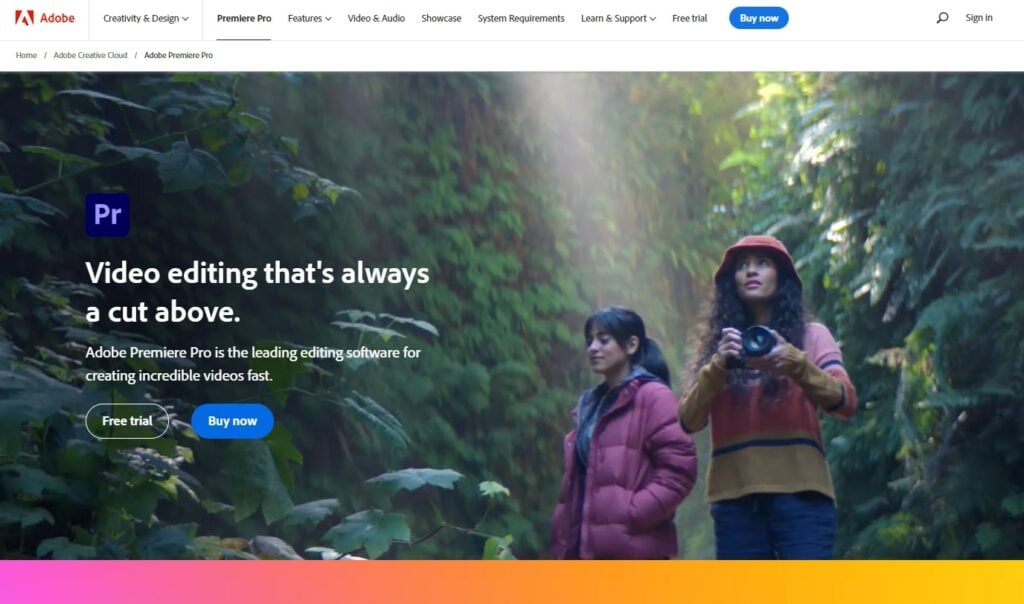
1. Adobe Premiere Pro: The Industry Standard for Professionalism
Adobe Premiere Pro remains the gold standard for high-end healthcare content. Its non-linear editing environment is designed for complex projects where precision is non-negotiable.
Key Features and Utility:
Premiere Pro excels in multi-cam editing, which is essential for physician interviews where multiple angles are used to maintain visual interest. Its deep integration with Adobe After Effects allows for the creation of sophisticated motion graphics—perfect for animating biological processes or clinical flowcharts.
- Pros: Industry-standard tools; vast library of professional plugins; superior audio mixing capabilities for clear voice-overs.
- Cons: Steep learning curve; requires a subscription model; hardware-intensive.
- Best For: Large hospital systems and medical marketing agencies producing high-fidelity documentaries, patient stories, and educational series.
2. Animaker: Simplifying the Complex Through Animation
When the subject matter is too abstract or sensitive for live-action filming, Animaker becomes the go-to solution. It specializes in AI-powered, drag-and-drop animation that requires zero traditional illustration skills.
Key Features and Utility:
Animaker’s "Medical Library" includes pre-built characters and anatomical assets. This is particularly useful for public health campaigns where explaining a procedure or a virus’s mechanism of action is easier through a 2D animation than through live surgery footage.
- Pros: Extremely user-friendly; fast rendering; cloud-based accessibility.
- Cons: Can feel limited for advanced users; less control over fine-tuned aesthetic customization compared to Adobe.
- Best For: Creating patient explainers, clinic procedural guides, and public health awareness campaigns.
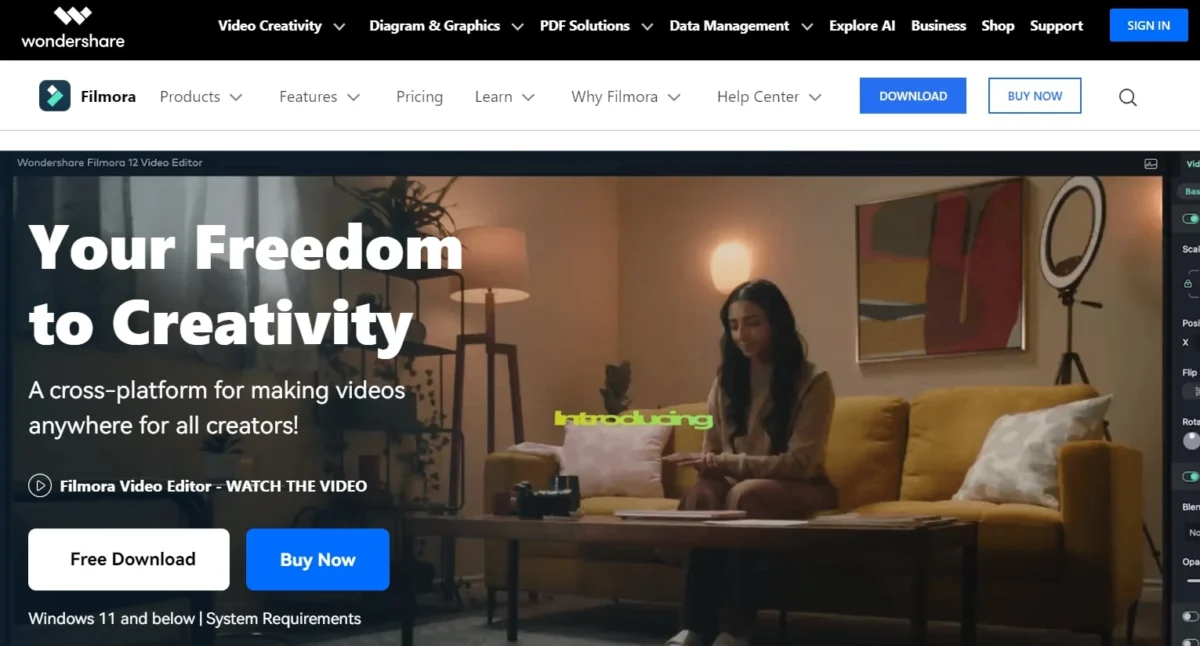
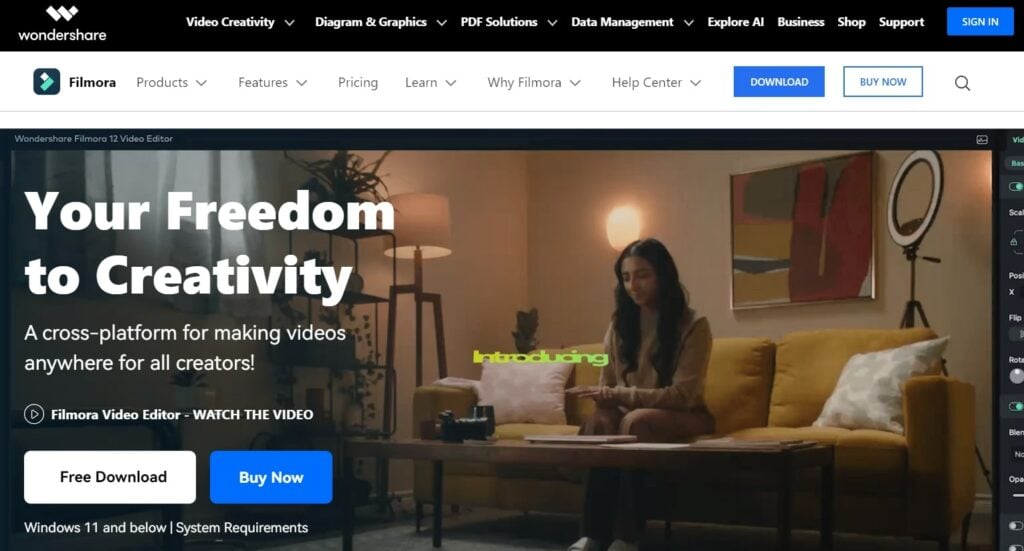
3. Filmora: The Efficiency Expert for Storytelling
For healthcare organizations that lack a full-scale video production department, Wondershare Filmora offers the perfect middle ground. It provides a "prosumer" experience that is far more powerful than basic editors but lacks the complexity of enterprise-level software.

Key Features and Utility:
Filmora features an intuitive interface with "Instant Mode" and AI-assisted editing tools. This allows marketing teams to cut together patient testimonials in a matter of minutes, ensuring that social media content remains timely and relevant.
- Pros: Drag-and-drop simplicity; excellent library of filters and transitions; affordable annual pricing.
- Cons: Limited in advanced color correction; fewer export options for broadcast-quality television.
- Best For: Mid-sized clinics and departments looking to maintain a consistent cadence of facility tours and health tips.
4. iMovie: The Accessible Choice for Mac Ecosystems
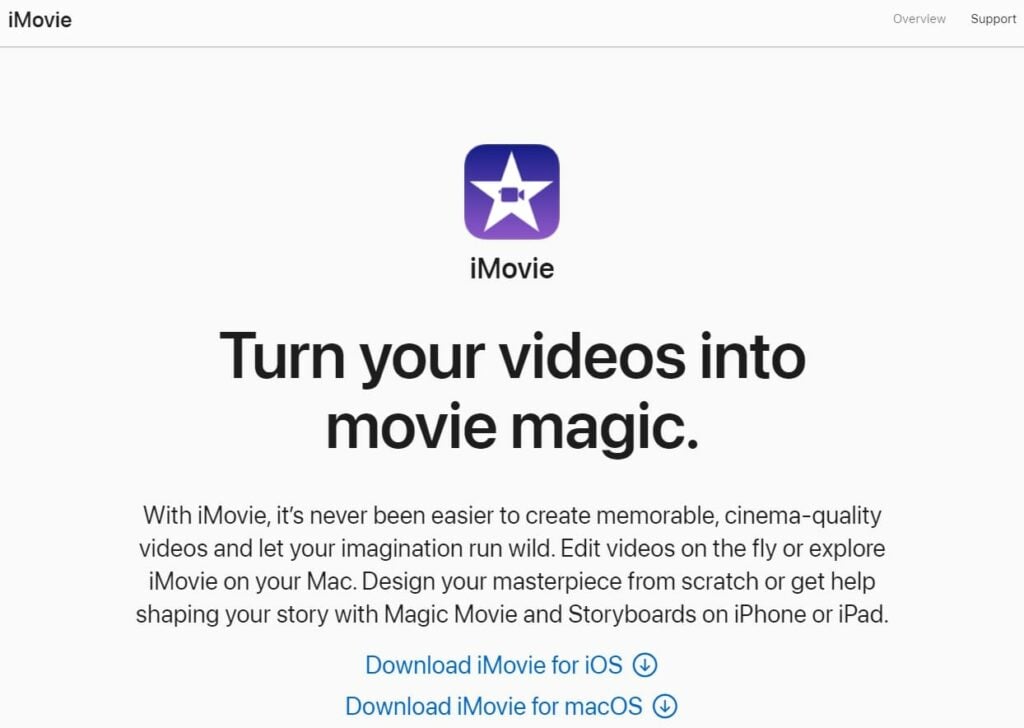
iMovie is often underestimated, but for Mac-based healthcare practices, it is a formidable tool for basic content needs. It is essentially the "digital notepad" of video editing.
Key Features and Utility:
iMovie excels in its simplicity. It is ideal for "behind-the-scenes" footage or simple physician Q&As. Because it is free and optimized for Apple hardware, it removes the barrier to entry for small practices starting their YouTube journey.
- Pros: Zero cost; extremely stable; fast interface; perfect for quick edits.
- Cons: Limited track count; no support for advanced motion graphics; lacks professional-grade color grading.
- Best For: Independent practitioners and small clinics performing quick, high-impact social media updates.
5. DaVinci Resolve: The Powerhouse for Cinematic Quality
DaVinci Resolve has migrated from a high-end color grading tool used by Hollywood studios to a comprehensive NLE (Non-Linear Editor). For health systems looking to produce cinematic content that stands out, it is the premier choice.
Key Features and Utility:
The "Fusion" and "Fairlight" tabs within Resolve allow for Hollywood-level visual effects and audio post-production. If a hospital is producing a flagship brand film, Resolve provides the granular control necessary to ensure the visual tone perfectly matches the institution’s brand identity.
- Pros: Best-in-class color grading; powerful free version; unified workflow.
- Cons: Extremely hardware-hungry; high technical skill requirement.
- Best For: Marketing teams producing high-production-value documentaries, medical research films, and premium brand content.
Implications for Healthcare Marketing in 2025
The adoption of these tools signals a broader change in how medical institutions interact with their communities. The implication of this technological shift is clear: Quality is a component of clinical trust.
When a patient views a video that is blurry, poorly edited, or contains jarring audio, they subconsciously associate that lack of polish with the institution’s care standards. Conversely, a clean, well-edited, and professionally color-graded video conveys competence and attention to detail.
Strategic Considerations
- Workflow Integration: Healthcare marketing departments must establish a pipeline where content—from raw footage to final export—is audited for HIPAA compliance.
- Scalability: As AI-driven tools continue to evolve, editors like Animaker and Premiere Pro will likely integrate more automated editing capabilities, reducing the cost-per-video for healthcare organizations.
- Audience Retention: With the average attention span on YouTube shortening, the ability of these editors to facilitate fast-paced, engaging edits is the key to maintaining viewer retention rates.
Conclusion: Crafting the Future of Health
The digital age has democratized the ability to produce high-quality medical content. Whether you are a solo practitioner using iMovie to explain a dental procedure or a large hospital system using DaVinci Resolve to document a breakthrough in oncology research, the technology now exists to amplify your message.
The ultimate goal of these tools is to remove the technical friction that stands between a healthcare professional and their audience. By choosing the editor that aligns with your team’s expertise and your organization’s goals, you aren’t just making a video—you are building a bridge of trust that leads to better patient outcomes and a stronger, more humanized brand. The tools for 2025 are ready; the question is, how will you use them to share your story?


 Ammar Sabilarrohman
 Sagoh

 Raul Delapena Setiawan

 Reynand Wu



 Azzam Bilal Chamdy

 Ali Ikhwan
