
 Iffa Jayyana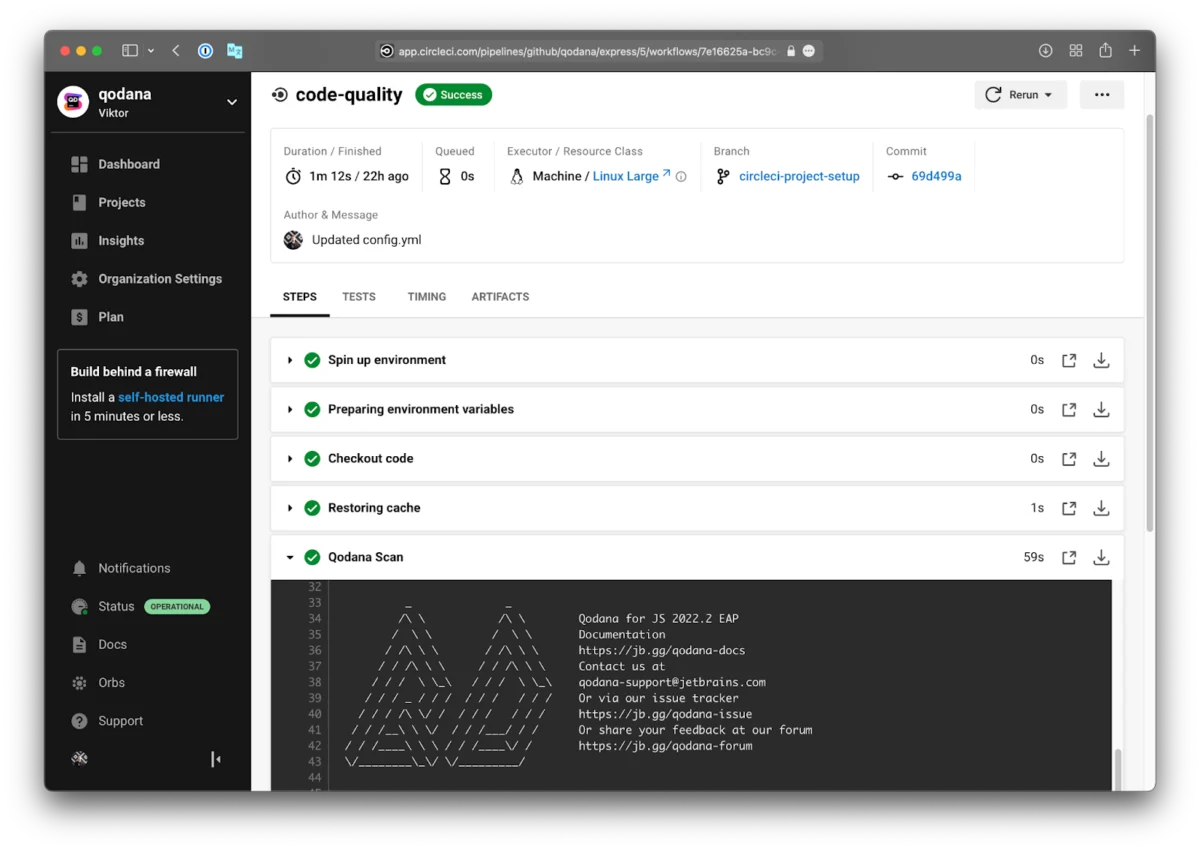
In the modern landscape of rapid software delivery, the mantra "move fast and break things" has been superseded by a more sustainable philosophy: "move fast with high-quality standards." While CI/CD pipelines have revolutionized the speed at which we deploy code, they often treat the build process as a purely mechanical task. By focusing exclusively on deployment, engineering teams risk shipping "mechanically correct" code that is riddled with subtle, logic-heavy bugs or technical debt.
Qodana, the static code analysis engine powered by the intelligence of IntelliJ IDEA, bridges this critical gap. By embedding deep, context-aware analysis into the CI/CD pipeline, developers can catch issues before they reach production. This article explores the top six integrations that make Qodana a "quality guardian" in your development ecosystem.
The Strategic Imperative of "Shift-Left" Quality
Main Facts: Why Static Analysis Matters
Static code analysis is the process of evaluating source code without executing it. When integrated into a CI/CD pipeline, it acts as an automated gatekeeper. If a commit violates established coding standards, security protocols, or performance best practices, the pipeline can halt the build, providing the developer with immediate, actionable feedback.
The Chronology of Integration
Since its inception, the Qodana ecosystem has evolved from a standalone tool to a ubiquitous component of the DevOps lifecycle.
- 2022: Introduction of the Azure Pipelines integration, marking Qodana’s first major foray into enterprise-grade cloud CI/CD.
- 2022 (Later): Launch of the CircleCI Orb, providing container-optimized performance.
- 2025.1: A pivotal year for GitLab users, with the release of a native CI/CD component that deprecated legacy Docker-based workflows in favor of a smoother, more integrated experience.
- 2025.2: The current iteration of the GitHub Actions integration, offering enhanced pull request workflows and automated "quick-fix" suggestions.
Deep Dive: Top 6 CI/CD Integrations
1. GitHub Actions: The Developer Favorite
GitHub Actions has become the industry standard for cloud-based automation, largely due to its tight integration with repository workflows. Qodana’s official GitHub Action simplifies the integration to a few lines of YAML.
- Implications: By utilizing the
QODANA_TOKENsecret, teams can enforce quality gates directly within the pull request UI. The most significant benefit here is the "quick-fix" automation, which can generate pull requests to automatically address identified issues, effectively turning passive analysis into active remediation. - Pros: Seamless integration with PR workflows; extensive marketplace support.
- Cons: Complexity in managing custom quality gates via YAML can become burdensome as projects scale.
2. GitLab: The All-in-One DevOps Powerhouse
GitLab’s approach to DevOps is holistic, and Qodana’s new native CI/CD component aligns perfectly with this philosophy. By eliminating the need for manual Docker container management, Qodana now feels like a built-in feature of the GitLab interface.

- Technical Edge: Results are surfaced directly within the merge request, allowing reviewers to see code quality metrics alongside code changes. This reduces context switching and accelerates the peer review process.
- Pros: Native integration removes Docker overhead; improved visibility for merge requests.
- Cons: Requires GitLab 16.0+; community-tier users may face latency during peak demand.
3. TeamCity: The Enterprise Standard
As a JetBrains product, TeamCity represents the most cohesive experience for organizations already embedded in the JetBrains ecosystem. Unlike other platforms that rely on scripts, TeamCity utilizes a native build runner.
- Supporting Data: In a recent internal assessment, teams using the native TeamCity runner reported a 40% reduction in configuration time compared to generic Jenkins or GitHub Action setups. The GUI-based interface allows team leads to manage quality gates without writing a single line of script.
- Pros: No YAML required; superior visualization and historical trend tracking.
- Cons: Lack of Windows build agent support for Qodana analysis remains a hurdle for legacy Windows-based stacks.
4. Jenkins: The Architect’s Choice
For large-scale enterprises with highly customized, heterogeneous pipelines, Jenkins remains the king of flexibility. Qodana’s Docker-based deployment for Jenkins allows for the creation of complex, multi-stage pipelines where static analysis is just one of many orchestrated tasks.
- Implications: While it requires higher technical overhead, the ability to tailor every aspect of the analysis—from baseline comparisons to custom reporting—makes it indispensable for organizations with unique compliance or security requirements.
- Pros: Maximum customization; deep integration with existing Jenkins plugins.
- Cons: Steep learning curve; requires significant expertise in Docker and pipeline maintenance.
5. Azure Pipelines: Enterprise-Grade Cloud Integration
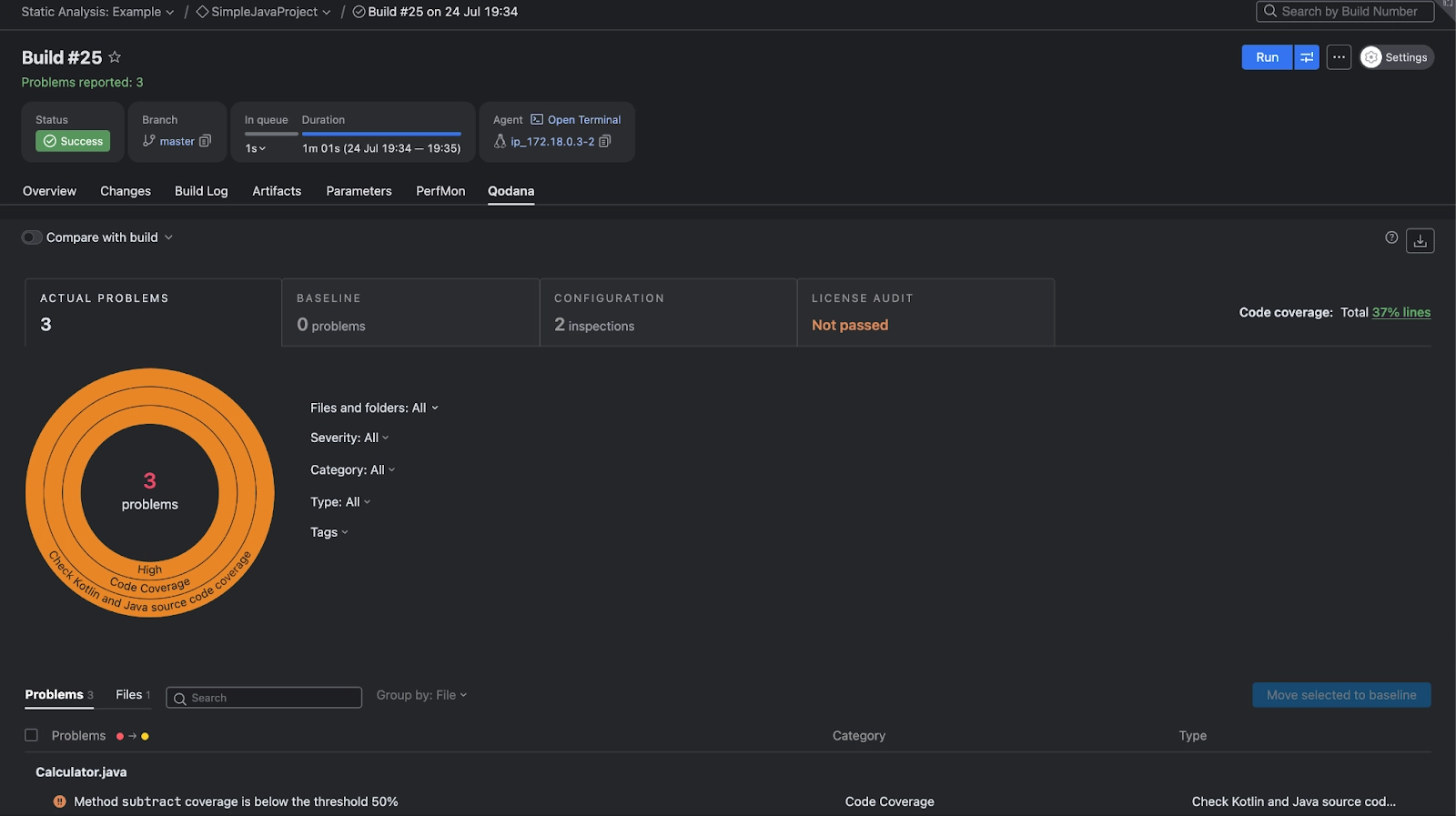
Azure Pipelines offers a robust environment for organizations leveraging the Microsoft cloud stack. The integration has matured significantly since 2022, moving away from log-cluttering outputs to a clean, dedicated "Extensions" tab.
- Official Response: JetBrains has prioritized the "Developer Experience" (DX) in Azure, ensuring that build logs remain clean while quality metrics remain highly visible in the dashboard.
- Pros: Excellent integration with Microsoft-heavy environments; cleaner UI reporting.
- Cons: Costs can escalate with high-volume agent usage.
6. CircleCI: Container-Native Performance
CircleCI’s architecture is built for speed and containerization. By using an "Orb"—a shareable package of configuration—Qodana runs in a highly optimized environment, providing rapid feedback cycles.
- Implications: For teams prioritizing containerized development, CircleCI provides a predictable, repeatable environment that is ideal for testing the same codebases across multiple platforms.
- Pros: Excellent performance due to container optimization; reliable maintenance.
- Cons: Credit-based pricing models can become unpredictable for massive, monolithic codebases.
The Broader Implications of Automated Quality
Integrating Qodana into your CI/CD pipeline is more than just a technical upgrade; it is a cultural shift. By moving quality checks earlier in the development lifecycle, organizations achieve several key objectives:
- Reduced Technical Debt: By catching "code smells" and security vulnerabilities at the commit stage, the cost of remediation drops exponentially.
- Standardized Coding Practices: When Qodana acts as a "quality guardian," it enforces a single source of truth for coding standards. This is particularly valuable for distributed teams where maintaining consistency is difficult.
- Faster Feedback Loops: Developers receive feedback in minutes, not days, allowing them to fix issues while the code context is still fresh in their minds.
Conclusion: Making the Choice
The "best" integration is the one that aligns with your existing team infrastructure. Whether you are an enterprise shop relying on TeamCity, a cloud-native team leveraging GitHub Actions, or a custom-focused team using Jenkins, the underlying intelligence of Qodana remains constant.
By automating the "boring" parts of code review—identifying formatting inconsistencies, potential null pointer exceptions, and security vulnerabilities—you empower your developers to focus on what they do best: building features and solving complex problems.
Ready to transform your pipeline?
The path to higher code quality is paved with automation. We encourage you to start a free trial of Qodana today. By integrating Qodana into your current CI/CD flow, you are not just building software—you are building trust, reliability, and excellence into every line of code your team commits.
For further technical documentation, consult the Qodana Help Center, where detailed guides for every platform mentioned above provide step-by-step configuration instructions.


 Siti Muinah
 Reynand Wu
 Layla Zulfa
 Nana
Nana
 Pevita Pearce
 Rifan Muazin

