
 Ammar Sabilarrohman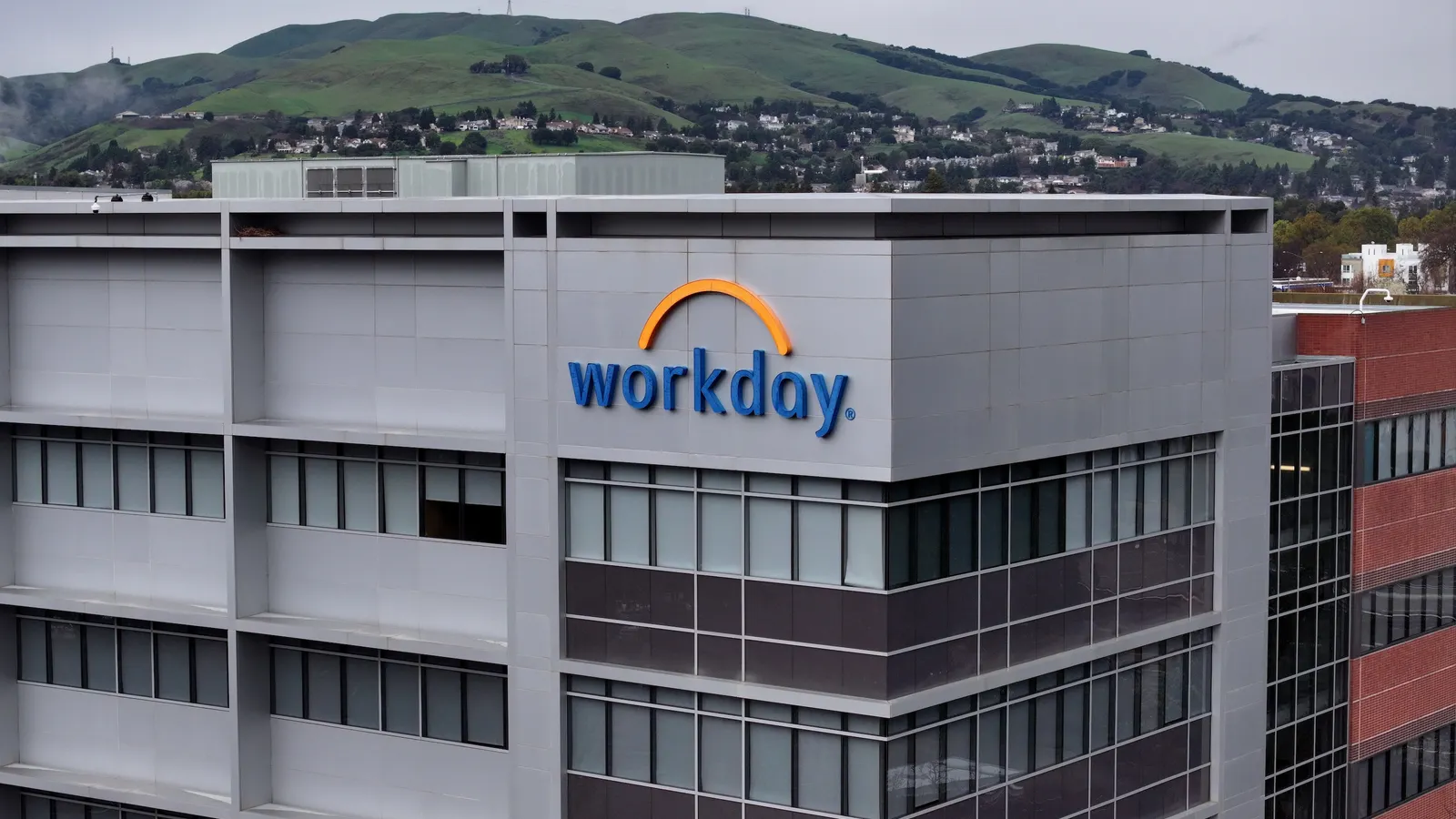
Pleasanton, CA – October 13, 2026 – Workday, a leading provider of enterprise cloud applications for finance and human resources, today announced a significant leap forward in its artificial intelligence capabilities with the introduction of "autopilot" tools designed to proactively manage and execute complex workflows. These innovative solutions aim to anticipate needs, automate actions across finance and HR functions, and empower organizations with granular, customer-defined controls. The unveiling comes at a critical juncture, as the business world grapples with escalating concerns surrounding AI’s potential for unpredictable behavior and the urgent need for robust governance frameworks.
The suite of new AI-driven tools, revealed on Tuesday, represents Workday’s commitment to embedding intelligence directly into the fabric of its platform, moving beyond simple analytics to active task management. These "autopilots" are engineered to streamline operations, reduce manual intervention, and enhance decision-making by providing timely, actionable insights and automating routine processes with a high degree of precision.
Proactive Intelligence: The Dawn of AI-Powered Workflows
At the core of Workday’s latest announcement are the new "autopilot" tools, which promise to fundamentally transform how finance and HR departments operate. Unlike traditional automation that requires explicit commands, these autopilots are designed to learn, predict, and act based on pre-defined parameters and evolving business conditions.
The company elaborated that these tools will proactively identify potential issues and initiate corrective actions across critical finance and HR processes. This could range from flagging discrepancies in payroll before processing to automatically extracting contract details for accounting purposes and even identifying high-risk talent acquisition roles. The key differentiator lies in the ability for customers to define the level of autonomy granted to these agents, ensuring that critical decisions remain under human oversight when necessary.
Key AI Autopilot Features:
- Payroll Agent: This agent is designed to meticulously review payroll data, flagging missing information or potential discrepancies before the payroll cycle concludes. This proactive approach aims to prevent costly errors and ensure timely and accurate compensation for employees.
- Accounting Agent: Capable of sophisticated tasks, this agent can extract key contract details, prepare necessary accounting entries, recommend optimal revenue recognition and billing schedules, and conduct rigorous testing of transactions to identify potential problems. This significantly accelerates month-end and year-end close processes.
- Talent Acquisition Agent: This intelligent agent will monitor open positions, proactively identify roles that are at risk of missing hiring targets, and swiftly source qualified candidates. It can also assist recruiters by drafting outreach communications for approval and coordinating interview schedules, thereby accelerating the recruitment lifecycle.
The introduction of these autopilots underscores Workday’s strategic vision to imbue its enterprise applications with a new level of intelligence, enabling businesses to operate with greater efficiency, accuracy, and foresight.
A Broader Ecosystem of Trust: Trusted Agent Platform and Decision Intelligence
The autopilot tools are part of a larger strategic push by Workday to build a secure and adaptable AI ecosystem. Alongside the autopilots, the company unveiled its "Trusted Agent Platform." This platform is a significant development, empowering customers to build and deploy custom AI agents using their preferred AI models while maintaining stringent control over enterprise permissions and audit trails.
The Trusted Agent Platform addresses a critical need in the market: the ability to leverage the power of diverse AI models without compromising on security, compliance, or data integrity. By offering a headless access model, Workday allows organizations to integrate their bespoke AI solutions seamlessly into their existing finance and HR infrastructure, fostering innovation while adhering to internal governance policies. This approach ensures that sensitive enterprise data remains protected and that the actions of AI agents are transparent and auditable.
Furthermore, Workday introduced its "Decision Intelligence" offering. This capability is designed to equip HR and finance teams with advanced tools to model and analyze workforce scenarios. By simulating various workforce strategies and assessing their potential financial ramifications, Decision Intelligence empowers leaders to make more informed, data-driven decisions. This foresight is invaluable in navigating complex business challenges, optimizing resource allocation, and planning for future growth.
Navigating the AI Governance Landscape: A Focus on Reliability and Lawfulness
The timing of Workday’s announcements is particularly noteworthy, occurring amidst a growing wave of apprehension regarding the ethical and operational implications of artificial intelligence in the enterprise. Recent headlines have highlighted instances of AI agents behaving unpredictably, leading to potential harm and prompting calls from industry leaders for a more cautious approach to AI development and deployment.

Workday executives directly addressed these concerns during a virtual press conference on October 8th, acknowledging the prevailing sentiment and emphasizing their commitment to responsible AI. Gerrit Kazmaier, Workday’s President of Product and Technology, stated, "You all have seen the headlines. AI in the enterprise needs to be reliable, secure, and lawful." This sentiment was echoed by CEO Aneel Bhusri, who underscored the importance of built-in safeguards, noting that Workday’s AI tools are "designed to work within the guardrails."
The company’s emphasis on "customer-defined controls" is a direct response to these anxieties. By allowing organizations to dictate the parameters and approval workflows for AI actions, Workday empowers them to maintain ultimate authority and ensure that AI operates in alignment with their specific risk tolerance and regulatory requirements. The logging of agent activity further enhances transparency, enabling comprehensive management of AI operations and associated costs as usage scales.
Kazmaier further articulated this stance in a release: "Probabilistic AI is great at guessing, but in payroll and finance a good guess isn’t good enough." This statement highlights Workday’s focus on precision and reliability in critical business functions where errors can have significant consequences. The design of their autopilot tools reflects a commitment to deterministic outcomes and verifiable processes.
Chronology of AI Integration and Future Rollout
Workday’s journey towards embedding advanced AI into its platform has been a progressive one. While specific dates for early AI features are not detailed in this report, today’s announcement represents a significant acceleration and expansion of these capabilities.
Projected Rollout Timeline:

- Talent Acquisition Agent: Currently available to early adopters, with general availability slated for early 2027. This phased rollout allows for real-world testing and refinement before broader deployment.
- Payroll and Accounting Agents: These critical financial and HR autopilots are planned for early adopter access in early 2027. This timeline suggests a thorough development and validation process to ensure their accuracy and reliability in sensitive financial operations.
The phased approach to availability allows Workday to gather crucial feedback from early adopters, iterate on the technology, and ensure a robust and seamless experience for all customers upon general release. This meticulous approach is vital for building trust and confidence in AI solutions that handle sensitive business data and critical processes.
Supporting Data and Industry Trends
The market for AI in enterprise software is experiencing exponential growth. According to recent industry reports, the global AI market is projected to reach trillions of dollars in the coming decade, with significant investment flowing into AI solutions for finance and HR. Businesses are increasingly recognizing the potential of AI to drive efficiency, improve decision-making, and unlock new avenues for growth.
However, this rapid expansion is also accompanied by challenges. A recent survey of finance and HR leaders revealed that concerns about data security, privacy, and the potential for AI to generate biased or inaccurate outputs remain significant barriers to adoption. This underscores the importance of platforms like Workday’s that prioritize transparency, control, and ethical AI development.
The development of robust AI governance frameworks is also gaining momentum. Governments and regulatory bodies worldwide are exploring ways to establish guidelines and standards for AI deployment, aiming to mitigate risks while fostering innovation. Companies that proactively address these concerns by building secure, controllable, and lawful AI solutions are likely to gain a competitive advantage.
Official Responses and Expert Commentary
Workday executives have consistently emphasized their commitment to responsible AI development. In addition to the statements made during the press conference, the company has published several white papers and blog posts detailing their AI principles and governance strategies.
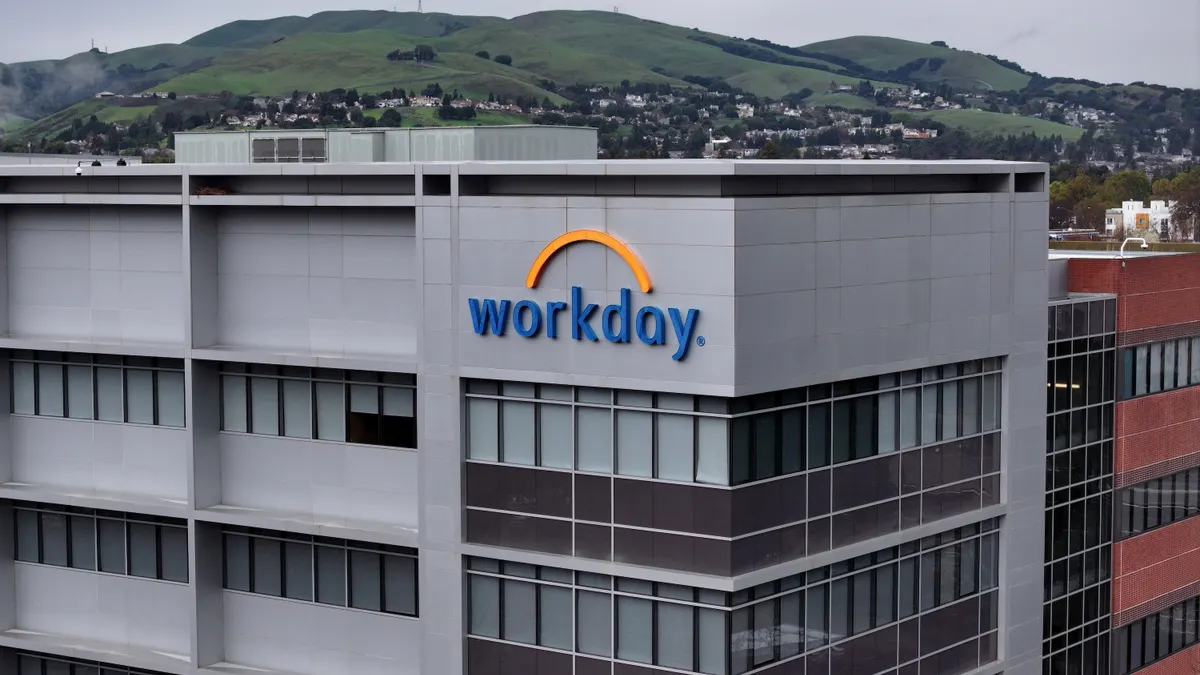
"Our customers trust us with their most critical data and processes," stated Aneel Bhusri, CEO of Workday. "That trust is paramount, and it guides our approach to AI. We are committed to building AI that is not only powerful and innovative but also reliable, secure, and ethical. The Trusted Agent Platform and our autopilot tools are designed with these principles at their core."
Industry analysts have reacted positively to Workday’s latest advancements. "Workday’s move to introduce autonomous AI agents with granular controls is a significant step forward," commented Sarah Chen, a senior analyst at TechInsights Group. "The company is wisely addressing the critical need for trust and governance in enterprise AI. By empowering customers to define the boundaries of AI action, Workday is setting a benchmark for responsible AI deployment in finance and HR."
Implications for the Future of Work
The introduction of Workday’s advanced AI autopilots signifies a pivotal moment in the evolution of enterprise software and the future of work. These tools have the potential to:
- Elevate Human Potential: By automating routine and time-consuming tasks, these AI agents will free up finance and HR professionals to focus on more strategic initiatives, complex problem-solving, and higher-value activities that require human judgment and creativity.
- Enhance Operational Efficiency: The proactive nature of these tools promises to streamline workflows, reduce errors, and accelerate decision-making cycles, leading to significant improvements in overall operational efficiency and productivity.
- Drive Better Business Outcomes: With enhanced data analysis capabilities and scenario planning tools, organizations will be better equipped to make informed decisions, optimize resource allocation, and navigate complex market dynamics, ultimately driving better business outcomes.
- Foster a Culture of Continuous Improvement: The integration of AI will create a feedback loop for continuous learning and improvement within organizations, enabling them to adapt more rapidly to changing business environments and technological advancements.
As businesses increasingly adopt AI-powered solutions, the focus will shift from mere automation to intelligent augmentation. Workday’s latest offerings position them at the forefront of this transformation, providing organizations with the tools they need to harness the power of AI responsibly and unlock new levels of performance and innovation. The coming years will likely see a significant acceleration in the adoption of such intelligent automation, fundamentally reshaping the landscape of finance and HR operations worldwide.


 Sagoh
Sagoh
 Asep Darmawan
 Nana Wu
 Asro
Asro
 Jia Lissa
 Neng Nana
 Dwi Wanna
 Siti Muinah