
 Azzam Bilal Chamdy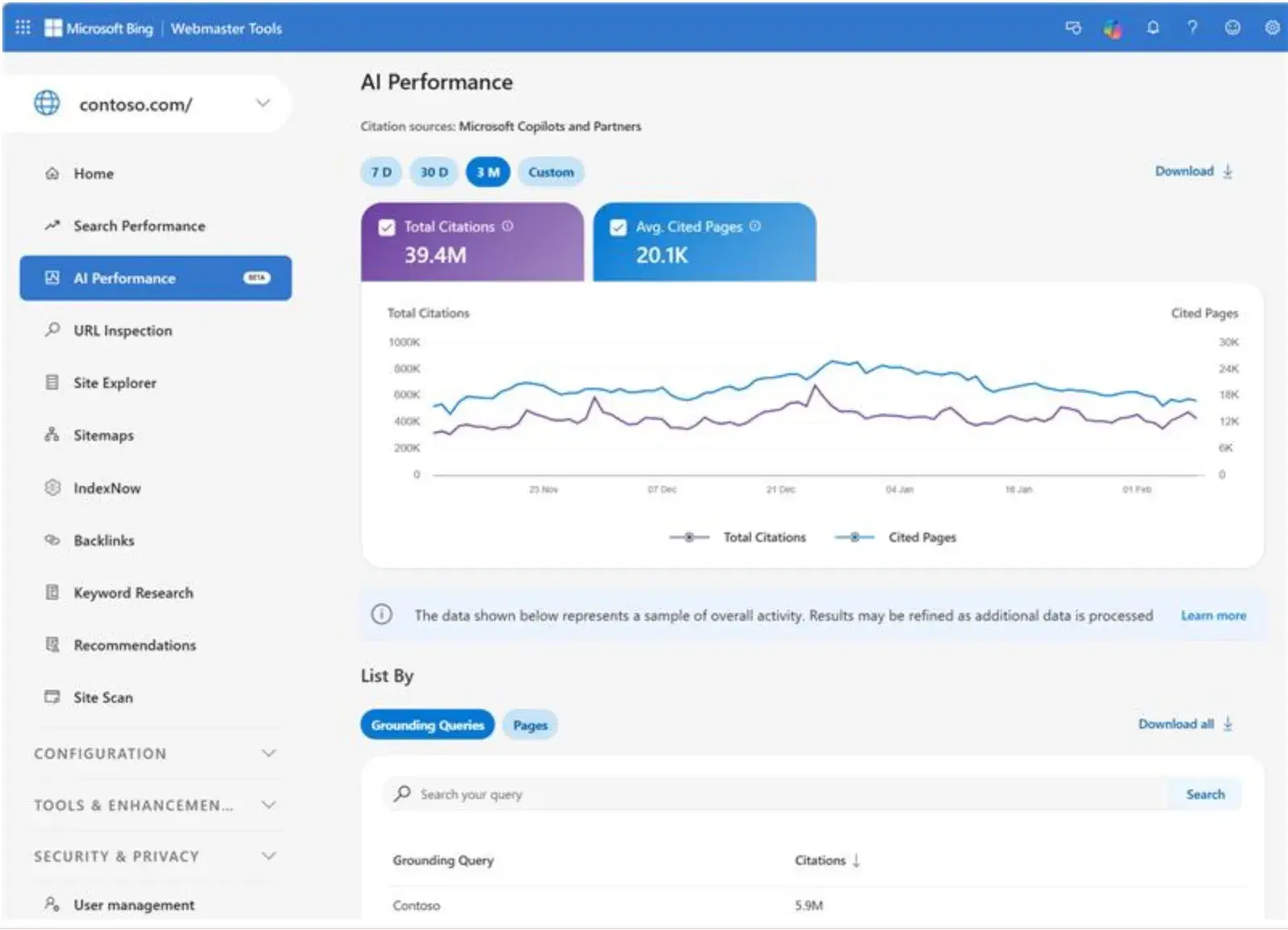
In the digital marketing landscape, the ground is shifting beneath our feet. For two decades, the primary objective of search engine optimization (SEO) was clear: rank in the top ten blue links on Google. Today, that objective is being eclipsed by a more complex, conversational paradigm. As users increasingly turn to ChatGPT, Gemini, Perplexity, and Google’s AI Overviews to conduct research, marketers are forced to confront a new reality: being "found" no longer necessarily means being "clicked."
AI search optimization tools have emerged as the compass for this uncharted territory. These platforms help marketers understand where a brand appears in AI-generated answers, which sources earn those coveted citations, and—crucially—what to improve next to secure a seat at the table.
The Evolution of Search: Why AEO Matters
AI search optimization—often referred to as Answer Engine Optimization (AEO) or Generative Engine Optimization (GEO)—is the practice of ensuring a brand is accurately represented, mentioned, and cited in AI-generated responses. Unlike traditional SEO, which focuses on keyword density and backlinks to drive traffic, AEO focuses on authority, answer accuracy, and semantic relevance.
The stakes are high. According to HubSpot’s State of AEO 2026 report, 44% of marketers have reported a business purchase made by a lead who discovered the brand through an answer engine. Furthermore, the conversion potential is striking; an analysis from Similarweb in 2025 indicated that ChatGPT-referred visits converted at an impressive 11.4%, significantly outpacing the 5.3% conversion rate typically seen in traditional organic search.

AI Search Optimization vs. Traditional SEO: A Symbiotic Relationship
It is a common misconception that AEO replaces SEO. In reality, they are two sides of the same coin. Traditional SEO remains the bedrock of digital visibility; it ensures your site is crawlable, indexable, and technically sound. Without a robust SEO foundation, an AI has nothing to "read" to formulate an answer.
The divergence lies in measurement. Traditional SEO asks: "Did the user click the link?" AI search optimization asks: "When the engine synthesized an answer, did it cite our brand, and was the description accurate?" This shift requires a new tool stack that accounts for visibility signals like sentiment, citation frequency, and factual precision.
The Five "Jobs to Be Done" in the AEO Landscape
When evaluating tools, marketers should categorize them by the specific "job" they perform. The market is saturated with solutions, but the best fit depends on your organizational maturity.
1. The Baseline Diagnostic
Before investing in expensive, recurring monitoring software, brands must first establish a baseline. This is a one-time audit that reveals how AI engines currently perceive your brand. It answers the fundamental question: "What is being said about us right now?" This step is essential for building a business case for further investment.

2. Ongoing Visibility Tracking
Once a baseline is set, brands need consistent monitoring. This involves tracking a stable set of prompts across multiple engines to see how your brand’s "share of voice" fluctuates over time. Tools like Otterly.AI, HubSpot AEO, and AthenaHQ offer varying levels of engine coverage and reporting depth. The goal here is trend analysis—identifying whether your optimization efforts are moving the needle.
3. Crawler Diagnostics
Not all AI crawlers are created equal. Teams must determine if their site is actually accessible to the likes of GPTBot, ClaudeBot, and PerplexityBot. If your site relies heavily on JavaScript, you may find that these crawlers are missing your content entirely. Tools like Cloudflare AI Crawl Control allow teams to isolate access issues, ensuring that search engines can actually reach the content you want them to consume.
4. First-Party Platform Reporting
Major players like Google and Microsoft have begun offering their own performance data. Bing Webmaster Tools now provides "AI Performance" data, including citation trends and "grounding queries"—the specific phrases that led the AI to reference your site. This is high-fidelity data that provides the most accurate view of how a platform’s engine is interacting with your domain.
5. Content Execution
The final, and perhaps most difficult, job is execution. Data is useless without action. Content operations platforms that bridge the gap between visibility data and CMS workflows are increasingly valuable. They ensure that when a deficiency is identified (e.g., an inaccurate description), it can be corrected at the source without a disjointed handoff between departments.

Technical Foundations: Making Your Site "AI-Ready"
Beyond choosing the right tool, technical accessibility is paramount. A 2026 analysis by Vercel and MERJ revealed that major AI crawlers do not always execute JavaScript. If your critical content is rendered client-side, it may be invisible to the very bots you are trying to impress.
The Role of Schema and Structured Data
There is significant debate surrounding the use of schema (JSON-LD) for AI visibility. An Ahrefs study published in May 2026 examined nearly 6 million URLs to determine if schema drives citations. The results were nuanced: while cited pages were three times more likely to contain JSON-LD, adding it to a page did not guarantee an immediate lift in citations.
The industry consensus is clear: use schema because it accurately describes your content, not because it is a "magic button" for AI rankings. It helps engines understand the context of your data, which is a foundational requirement for any sophisticated retrieval system.
The Myth of llms.txt
Recent buzz has focused on llms.txt files—a simplified text version of a site designed for LLM consumption. However, as of late 2026, evidence does not suggest this is a ranking lever. Google has clarified that these files are not required for its AI features. Unless your site specifically serves coding agents or specialized AI systems, focus your energy elsewhere.

A Chronology of Success: The One-Week Pilot
For teams eager to prove the value of AEO, a one-week pilot is more effective than a long, drawn-out procurement cycle.
- Day 1 (Baseline): Use a free grader or manual spot-checks to establish where you stand across the top five AI search platforms.
- Day 2 (Technical Check): Use server logs or Cloudflare AI Crawl Control to ensure the bots are actually visiting your site.
- Day 3 (Manual Cross-Check): Perform manual searches for your brand’s core topics. This provides a "ground truth" to compare against future automated reports.
- Day 4 (Trial): Test a specialized AEO tool using a set of 10 proprietary prompts relevant to your industry.
- Day 5 (Decision): Select the tool that provided the most actionable insights and commit to one specific content update. Re-measure the impact of that update after 30 days.
Addressing Common Pitfalls
As an AI search visibility consultant, I frequently see teams fall into the same traps:
- Over-relying on vanity metrics: Don’t chase a "visibility score" that isn’t tied to business outcomes.
- Treating AI data as a single source of truth: Remember that Bing’s grounding queries and Google’s generative impressions are different datasets. Do not try to force them to reconcile.
- Neglecting the "Human" Element: AI search is a reflection of human language. If a paragraph is difficult for a human to read or lacks clear, concise information, no amount of technical optimization will make it a good candidate for a citation.
Implications for the Future
The rise of AI search is not a temporary trend; it is a fundamental shift in how information is synthesized. For brands, the implication is that "content quality" has been redefined. To be cited, your content must be structured to answer specific questions, it must be technically accessible to non-rendering bots, and it must be accurate enough to be trusted by an LLM.
As we look toward 2027, the gap between brands that treat AI search as a passive observer and those that treat it as a proactive channel will only widen. Start by measuring what you can see, fix the technical barriers to access, and iterate based on the data. The AI search era rewards those who move from "being found" to "being useful."


 Layla Zulfa
 Nila Kartika Wati
 Ali Ikhwan
 Raul Delapena Setiawan
 Nana
Nana
 Muslim
 Asep Darmawan
 Neng Nana