
 Nana
Nana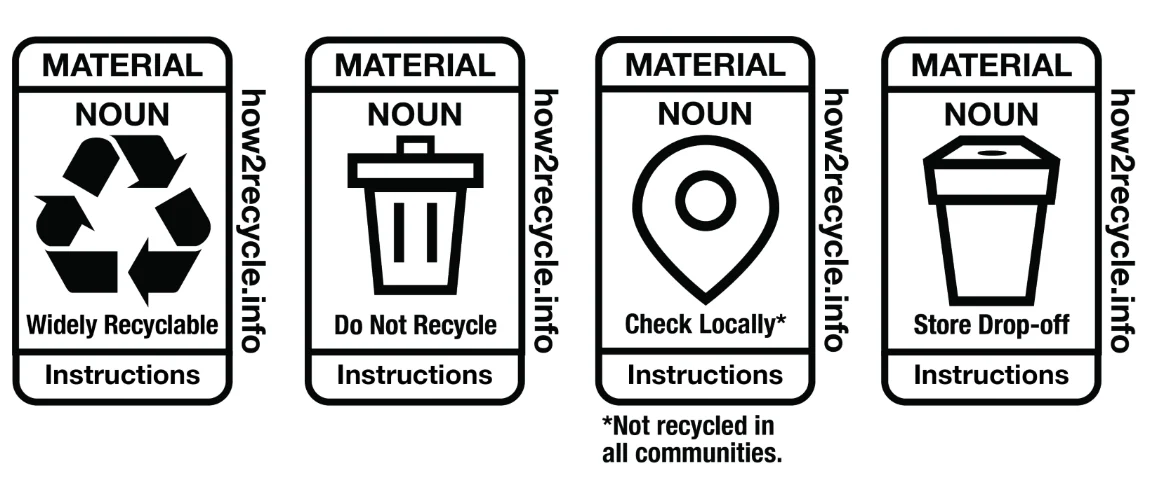
The opinions expressed by expert contributors are their own and do not necessarily reflect the official position of the publishing platform.
For nearly fifteen years, the regulatory landscape governing recyclability labeling in the United States has remained largely static, characterized by a patchwork of voluntary guidelines and ambiguous industry standards. However, that era of ambiguity is rapidly drawing to a close. On October 4, California’s landmark “Truth in Labeling” legislation—formally codified as Senate Bill 343 (SB 343)—is set to take effect, marking the most significant shift in packaging compliance in over a decade.
As the deadline approaches, the packaging industry finds itself at a critical crossroads. The new law mandates that for a product to be labeled “recyclable” in California, it must be proven to be collected in at least 60 percent of communities and successfully sorted in at least 60 percent of recycling facilities statewide. This high bar for evidence-based labeling is designed to curb the prevalence of "wish-cycling" and misleading environmental claims. Yet, as the enforcement date looms, a cloud of legal and operational uncertainty persists, leaving brands to navigate a complex path toward compliance.
The Chronology of Change: From Voluntary Guidance to Legislative Mandate
The journey toward SB 343 was not sudden; it was the culmination of growing frustration among environmental regulators and consumer advocates regarding the proliferation of the “chasing arrows” symbol. For years, the symbol appeared on packaging regardless of whether a local recycling facility actually possessed the infrastructure to process that specific material.
- Pre-2023: The market was dominated by voluntary, industry-led guidance. While programs like How2Recycle attempted to standardize information, many brands continued to use symbols inconsistently, leading to consumer confusion.
- October 2021: California Governor Gavin Newsom signed SB 343 into law, setting the stage for strict new definitions of "recyclable." The law specifically targeted the use of the chasing arrows symbol on non-recyclable materials.
- The Transition Period: Following the passage, the industry entered a multi-year preparation phase. However, this period was marked by friction, as packaging trade groups argued that the law’s requirements were overly burdensome and potentially infringed upon commercial free speech protections.
- October 4, 2024: The legislation officially becomes enforceable, forcing brands to either substantiate their claims with hard data or remove the recycling claims from their packaging entirely.
The Data Gap: Why Consumers are Confused
The impetus for SB 343 was not merely bureaucratic; it was rooted in the persistent reality that consumers want to recycle but are frequently hindered by a lack of clear information. Recent research conducted by the Sustainable Packaging Coalition (SPC) highlights a paradox: while nearly two-thirds of American consumers claim to recycle "often" or "always," a significant portion of the population remains hampered by two fundamental barriers: systemic access and informational ignorance.
Data indicates that even when recycling infrastructure is available, the "what" remains the primary obstacle. Consumers often resort to "best judgment" when standing at the bin, a practice that frequently leads to the contamination of recycling streams. According to the SPC survey, when consumers are unsure about a material, they are more likely to guess than to research the specific guidelines of their local municipality.
Furthermore, the research found that the ubiquity of on-pack symbols has reached a point of diminishing returns. Because these symbols are often used inconsistently, consumers have learned to tune them out. The challenge for brands, therefore, is not just to comply with California’s legal thresholds, but to design labeling that effectively interrupts these habitual, misinformed disposal patterns.
Official Responses and the Industry Tug-of-War
The rollout of SB 343 has been anything but harmonious. The debate has largely pitted environmental advocacy groups—who view the law as a necessary tool to force infrastructure investment—against packaging trade organizations.
Trade groups have been vocal in their opposition, filing lawsuits to pause the implementation of the law. Their primary legal argument hinges on the First Amendment, suggesting that by mandating what companies can and cannot print on their own packaging, the state of California is engaging in compelled speech. They argue that the 60 percent threshold is an arbitrary target that fails to account for the complexities of regional recycling markets, where facilities may vary significantly in their technological capabilities.
Conversely, supporters of the bill argue that the packaging industry has historically prioritized marketing over environmental reality. By tying the label to actual recovery rates, proponents believe the law will create a market incentive for brands to design packaging that is truly circular, rather than merely "recyclable" in theory.

Addressing the Persistent Barriers: A Three-Pronged Strategy
For brands looking to maintain consumer trust while adhering to the new regulatory reality, the solution is not to remove all labeling, but to refine it. According to experts at the Sustainable Packaging Coalition, companies can implement a three-part strategy to navigate the legislative landscape while keeping the consumer experience at the forefront.
1. Transparency as a Competitive Advantage
Brands must shift away from broad, unqualified claims. Instead of relying on the standard chasing arrows, companies should adopt clear, text-based instructions that explicitly state the recyclability of the item. Research shows that consumers respond better to instructions that explain how to recycle—for example, "Empty and rinse before recycling"—than to generic symbols.
2. Utilizing Established Labeling Systems
The "How2Recycle" program, managed by the nonprofit GreenBlue, has emerged as a gold standard for compliance. Because the program requires rigorous data validation for every material it labels, it inherently aligns with the requirements of SB 343. By utilizing such systems, brands can leverage existing consumer familiarity; 84 percent of consumers surveyed by the SPC already recognize at least one label within the program’s suite.
3. Closing the Gap on "Nuanced" Materials
The most difficult aspect of compliance involves items that are not "widely recyclable" but are "recyclable in specific locations," such as flexible plastic films or drop-off-only items. Brands must invest in digital-first educational resources. Using QR codes or localized landing pages can bridge the gap between a confusing package label and a clear, actionable guide for the consumer, directing them to the nearest film collection site or drop-off point.
Implications for the Future of Packaging
The implications of California’s SB 343 extend far beyond the state’s borders. Given California’s massive consumer market and its history as a bellwether for national environmental policy, it is highly likely that other states will adopt similar "Truth in Labeling" standards in the coming years.
For global brands, this creates an urgent need to standardize packaging specifications across their entire supply chain. Managing a "California-compliant" SKU alongside a standard SKU is logistically inefficient and costly. Consequently, many large corporations are choosing to reformulate their packaging to meet the stricter Californian standards globally, effectively raising the floor for packaging sustainability worldwide.
Furthermore, the law is expected to drive significant innovation in material science. As brands seek to ensure their packaging hits that 60 percent recovery threshold, there will be increased pressure to abandon multi-layer plastics and non-recyclable adhesives in favor of mono-materials that are easier for sorting facilities to process.
Conclusion: Bridging the Gap Between Compliance and Action
The transition toward the October 4 deadline is undoubtedly fraught with operational challenges, but it also represents a significant opportunity for brands to rebuild consumer trust. Consumers are currently in a state of "recycling fatigue," often feeling that their efforts at the bin are futile due to the complexity of local rules.
By prioritizing clarity, substantiating environmental claims, and utilizing trusted labeling programs, brands can transform their packaging from a source of confusion into a tool for engagement. The brands that emerge successful from this transition will be those that view SB 343 not as a regulatory burden to be circumvented, but as a framework for meaningful, transparent communication.
Ultimately, the goal of these regulations is to ensure that when a consumer holds a piece of packaging, they know exactly what to do with it. If the industry can master the art of compliant, consumer-friendly labeling, the result will be higher-quality recycling streams, less landfill waste, and a more sustainable path forward for the circular economy. The debate between industry and advocacy may have been intense, but the final verdict rests with the consumer—and they are demanding a system that works.


 Ali Ikhwan
 Suro Senen
 Raul Delapena Setiawan

 Muslim
 Asep Darmawan
 Neng Nana