
 Lina Irawan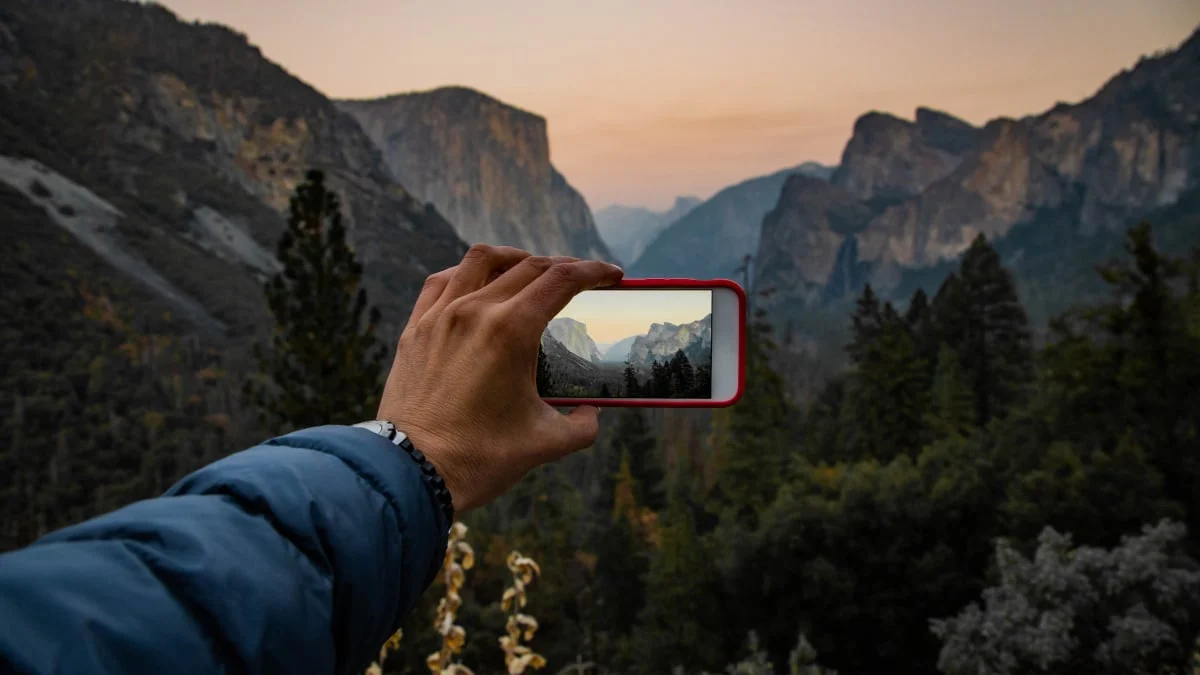
In the modern digital age, the act of opening a smartphone has become a reflexive, often involuntary, ritual. We unlock our screens during a brief lull in our day—waiting for a bus, standing in a coffee line, or taking a quick break from professional responsibilities—with the intention of a momentary distraction. Yet, all too often, that five-minute break mutates into a twenty-minute odyssey of agitation. We find ourselves deep in the trenches of comment-section warfare, feeling a creeping sense of existential dread over headlines we didn’t ask to see, and ultimately, left wondering why we picked up the device in the first place.
This phenomenon, widely recognized as "doomscrolling," has become a hallmark of the 21st-century user experience. But in recent months, a deliberate, restorative counter-movement has emerged among internet users: "bloomscrolling."
Bloomscrolling is not merely a passive consumption of "feel-good" content. It is an intentional, active curation of one’s digital environment. Instead of surrendering the steering wheel of the algorithm to the forces of outrage and anxiety, the bloomscroller actively seeks out content that fosters calm, inspiration, and joy—whether that is high-definition footage of an Australian coral reef, the meditative process of a master artisan, or updates from a niche community of animal rescuers. By choosing our digital destination, we are reclaiming our attention from the "attention economy" that thrives on our stress.
The Chronology of a Digital Shift
The trajectory of social media consumption has undergone a dramatic evolution over the last decade. During the early days of platforms like Instagram and Facebook, feeds were largely chronological, populated by friends and family. As platforms transitioned to machine-learning-driven algorithms, the priority shifted from "connection" to "engagement."
Data scientists discovered that content which triggered intense emotional responses—specifically fear, anger, and indignation—resulted in higher "time-on-site" metrics. This realization ushered in the era of doomscrolling. By 2020, as the global population faced a series of compounding crises, the term "doomscrolling" entered the mainstream lexicon, describing the compulsive habit of consuming negative news despite its detrimental effect on mental health.
However, a cultural fatigue has set in. Over the past two years, users have begun to report a "burnout" from constant outrage. The rise of bloomscrolling represents a pivot. It is the digital equivalent of turning off the 24-hour news cycle to tend to a garden. It marks a transition from being a passive victim of an engagement-based algorithm to being an active editor of one’s own mental intake.
The Science of the "Cute" and the "Calm"
Critics might dismiss the act of watching puppy videos or nature documentaries as a superficial distraction. However, psychological research suggests that these "small" moments of digital joy have measurable impacts on our cognitive and emotional states.
The Impact of Nature Exposure
A pivotal 2021 study, published in the Journal of Environmental Psychology, investigated the impact of viewing natural environments versus urban, built environments. Researchers recruited 30 young adults and asked them to view images of these environments for just three minutes. The results were telling: participants consistently reported feeling more comfortable, relaxed, and less anxious after viewing nature-based imagery. While the study noted that "vigor"—or physical energy—did not significantly spike, the calming effect was consistent, providing a low-cost, accessible intervention for acute stress.
The "Baby Schema" and Cognitive Performance
Perhaps more surprising is the research on "cuteness." A 2012 study published in PLOS One by Japanese researchers explored the "power of cute." In a series of experiments, participants who viewed images of puppies and kittens demonstrated a statistically significant improvement in performance on tasks requiring high levels of focus, dexterity, and visual searching. The researchers theorized that the "baby schema"—the physical traits that humans find inherently cute—triggers a shift in attention and caretaking behaviors, which in turn leads to a more focused, gentle approach to subsequent tasks.
While scrolling through a feed of kittens will not replace professional deep work, these findings offer a scientific basis for the "brain break." These images are not just fluff; they are visual stimuli that can help reset our nervous systems.
Professional Perspectives on Digital Balance
The move toward bloomscrolling is supported by mental health professionals who argue that total disconnection is often impractical for the modern worker. Instead, they advocate for a "managed engagement" strategy.
Sanam Hafeez, a noted neuropsychologist, has emphasized that bloomscrolling is not about willful ignorance. "It does not mean pretending that bad things are not happening or completely avoiding the news," Hafeez explained in an interview with Real Simple. "It is more about creating a healthier balance so that everything you see online is not making you feel anxious, angry, or overwhelmed."
The objective, according to clinicians, is to build "emotional resilience" through content curation. If the brain is constantly flooded with cortisol-inducing headlines, it enters a state of hyper-arousal. By punctuating these periods with positive, awe-inspiring, or humorous content, users can regulate their emotional response to the digital world.
Practical Strategies for Intentional Scrolling
How does one transition from a doomscroller to a bloomscroller without sacrificing the utility of the internet? The strategy is twofold: aggressive curation and strict time-boxing.
1. Curating the Feed
Your algorithm is a reflection of your past interactions. To change it, you must "train" it.
- The Unfollow/Mute Purge: If an account consistently leaves you feeling drained, angry, or inadequate, unfollow or mute them. There is no moral obligation to witness every tragedy or every toxic argument.
- The "Not Interested" Button: On platforms like TikTok and Instagram, actively using the "Not Interested" feature on negative content is vital. It signals to the algorithm that you are opting out of that specific vein of content.
- Follow for Inspiration: Actively seek out accounts that provide value. Creators like Cecilia Blomdahl, who shares the serene, rugged beauty of Svalbard, or Alexis Nikole Nelson, who brings a joyful, educational perspective to foraging, act as anchors of calm in a chaotic feed.
2. Implementing Digital Guardrails
Even "good" content can become a tool for procrastination if it is consumed for hours on end.
- Time-Boxing: Limit your social media sessions to a set amount of time. Once the timer goes off, the session ends, regardless of how "wholesome" the content is.
- External Hardware: Many users find that software-based limits are easily bypassed. Physical tools like the "Brick"—a small device that physically disconnects apps when tapped—provide a tangible barrier between the user and the digital feed, helping to reinforce the habit of mindful usage.
The Broader Implications for Society
The emergence of bloomscrolling suggests a shift in the collective consciousness regarding technology. We are moving away from the "infinite scroll" mentality that characterized the last decade. As users become more aware of the algorithmic mechanisms that manipulate their emotions, they are exerting more agency over their digital lives.
This shift has profound implications for content creators and platform developers. If audiences begin to favor creators who offer substance, education, and genuine joy over those who rely on outrage-bait, the incentive structure of social media may slowly evolve.
Ultimately, the goal of bloomscrolling is not to live in an echo chamber of positivity, but to cultivate a healthier relationship with our devices. It is about recognizing that we are the architects of our own digital experience. By choosing to seek out beauty, humor, and knowledge, we reclaim the power to direct our attention—and in doing so, we might just find a reason to put the phone down, look up, and engage with the world in front of us.
As we look toward the future of digital health, bloomscrolling serves as a reminder: the internet is a vast, complicated landscape. We have the right to choose which parts of it we walk through, and which parts we leave behind.


 Layla Zulfa
 Nana Muazin
 Basiran
 Neng Nana

 Jia Lissa
 Laily UPN
 Asep Darmawan