
 Jia Lissa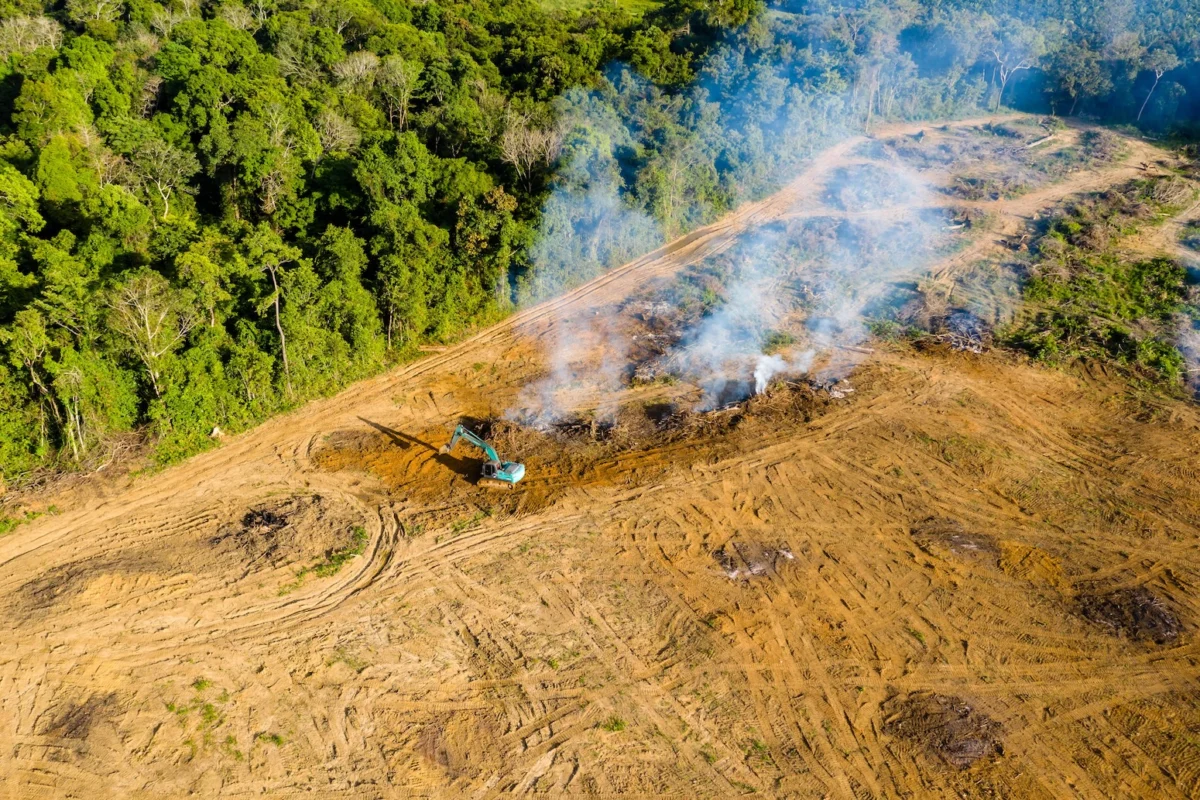
Next week, the eyes of the environmental world will turn toward Yerevan, Armenia, as diplomats and policymakers from 196 nations gather for a critical summit under the United Nations Convention on Biological Diversity (CBD). Scheduled from October 19 to 30, this high-stakes assembly aims to reconcile deep-seated divisions and accelerate progress toward the ambitious targets set by the Kunming-Montreal Global Biodiversity Framework (GBF).
With the world currently off-track on 22 out of 23 critical nature targets for 2030, the Yerevan summit represents a "make-or-break" moment for the planet’s ecosystems. As negotiators prepare to hammer out the final wording of dozens of legal texts, the atmospheric tension reflects the urgency of the biodiversity crisis.
The State of Play: A Halfway Reality Check
The Yerevan summit is defined by its position as the midpoint between the landmark adoption of the Kunming-Montreal Global Biodiversity Framework and the 2030 deadline for its implementation. When the framework was initially agreed upon, it was hailed as a "Paris Agreement for nature," promising to halt and reverse biodiversity loss through a series of specific, measurable goals.
However, a recent draft report from the CBD has injected a dose of sobering reality into the proceedings: the international community is failing to meet the vast majority of its commitments. From the protection of 30% of global lands and seas by 2030 to the restoration of degraded ecosystems, the current trajectory is insufficient. The Yerevan meeting will serve as a venue for "global review"—a rigorous assessment of why these targets are being missed and what specific, accelerated actions are required to bridge the gap.
The Negotiating Landscape
The breadth of the discussions in Yerevan is extensive. Beyond the core GBF agenda, delegates will oversee the meetings of the parties (MOPs) for the two supplemental protocols to the CBD:
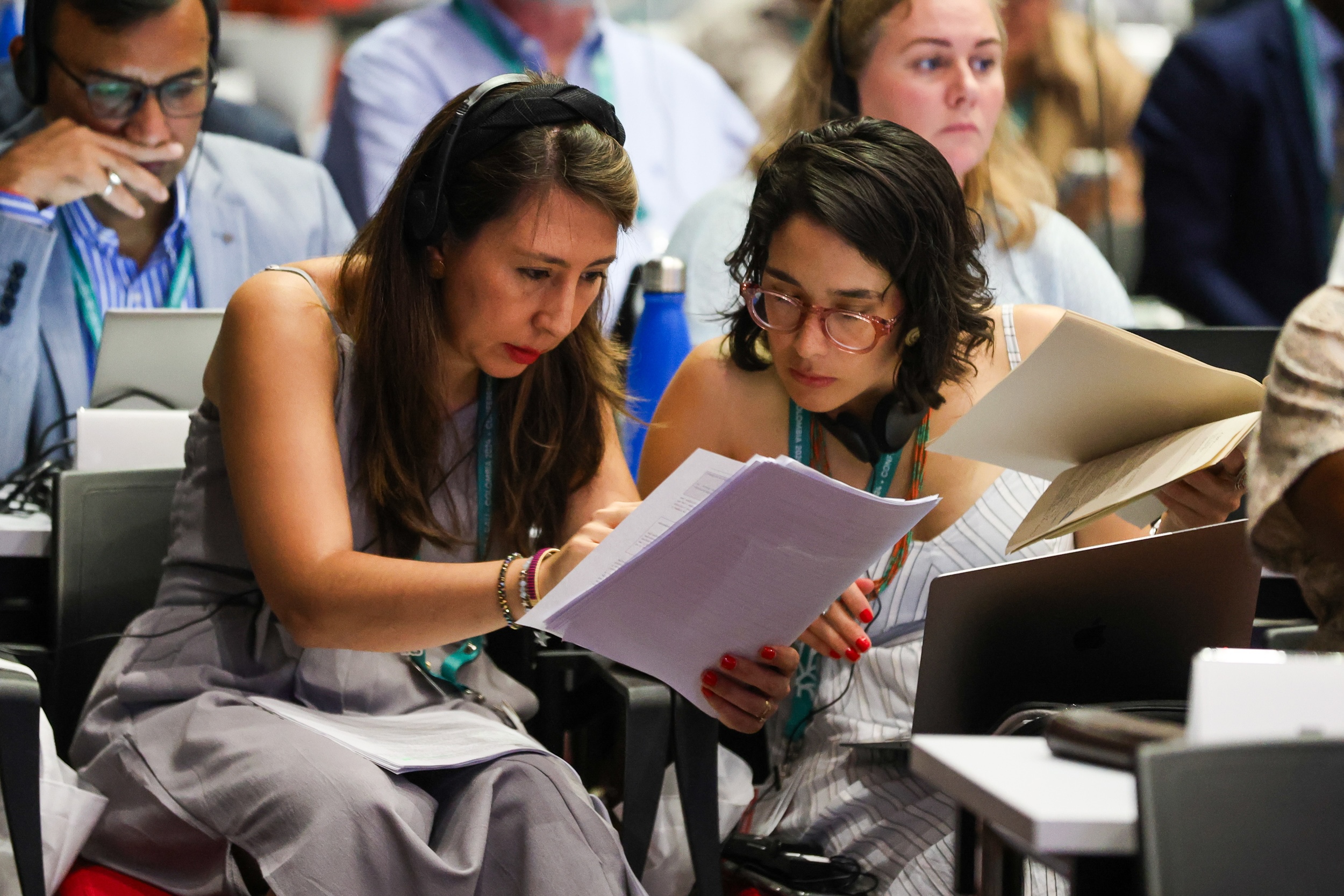
- The Cartagena Protocol on Biosafety: Focused on ensuring the safe handling, transport, and use of living modified organisms (LMOs) resulting from modern biotechnology.
- The Nagoya Protocol: Addressing the complex issues of access to genetic resources and the fair and equitable sharing of benefits arising from their utilization.
These protocols, governed by their own specific memberships (173 parties for Cartagena and 141 for Nagoya), add layers of technical complexity to the already arduous task of reaching consensus on biodiversity protection.
Chronology of Crisis and Commitment
The path to Yerevan has been marked by both historic breakthroughs and frustrating stagnation. To understand the current climate, one must look back at the recent history of the CBD.
- December 2022: The Kunming-Montreal Global Biodiversity Framework is adopted, setting the world on a path to protect 30% of the Earth’s surface by 2030.
- October 2024: COP16 in Cali, Colombia, serves as a flashpoint. While progress is made on institutional structures—including the establishment of the subsidiary body on Article 8(j), which protects the rights of Indigenous peoples and local communities—the summit is marred by a failure to secure a consensus on long-term finance.
- Late 2024 (The Suspension): The inability to finalize financial mechanisms leads to the temporary suspension of COP16 proceedings.
- Early 2025 (Rome): At a resumed session in Rome, nations finally establish a roadmap for a permanent financial mechanism, setting the stage for the intense budgetary debates expected in Yerevan.
Supporting Data: The Language of Brackets
In the opaque world of UN diplomacy, the status of an agreement is often measured by the prevalence of "square brackets." In draft texts, square brackets denote language that has yet to be agreed upon by all parties. They are the physical representation of diplomatic gridlock.
To assist in monitoring these negotiations, organizations like Carbon Brief provide interactive trackers that catalog every agenda item, the relevant subsidiary body—such as the Subsidiary Body on Scientific, Technical and Technological Advice (SBSTTA) or the Subsidiary Body on Implementation (SBI)—and the volume of bracketed text. A "red-coded" item in the tracker signals a significant hurdle, while "dark green" suggests that consensus is near.
Furthermore, the prevalence of "options" and "alternative" language (often labeled as "alt") serves as a reminder that nations remain deeply divided on the methodology of nature conservation, not just the ambition.
The Financial Fault Line: North vs. South
If biodiversity is the subject of the summit, finance is its heartbeat—and its primary source of contention. The debate over resource mobilization has effectively bifurcated the negotiating parties into two camps:
- The Global South (Biodiverse-Rich Nations): These nations, often hosting the world’s most critical biodiversity hotspots, argue that the cost of conservation should not be borne solely by their domestic budgets. They are pushing for a dedicated, independent financial mechanism under the direct control of the CBD.
- The Global North: Generally representing the major donor countries, this bloc has historically preferred utilizing the existing Global Environment Facility (GEF). They argue for institutional efficiency and the leveraging of existing structures rather than the creation of new, potentially redundant, bureaucracies.
The failure to resolve this in Cali was a wake-up call. The compromise reached in Rome—a roadmap for a permanent mechanism—is now being put to the test. Will donor nations commit the necessary capital to meet the needs of the Global South, or will the "finance gap" remain the primary reason for the failure of the 2030 targets?
Implications for the Global Ecosystem
The outcomes in Yerevan will resonate far beyond the conference halls. The global community is currently grappling with a variety of systemic failures that threaten to undermine the framework’s success.
Subsidies and Land Use
Recent analyses highlight that 84% of nations have missed the deadline to identify and reform "nature-harming" subsidies. These financial incentives, which often support environmentally destructive agricultural or industrial practices, directly contradict the goals of the GBF. Addressing these subsidies is a primary focus for many NGOs and activists attending the summit.
The Role of Indigenous Communities
The establishment of the subsidiary body on Article 8(j) at COP16 was a victory for Indigenous and local communities. In Yerevan, the focus will shift from the establishment of this body to its operationalization. How will the traditional knowledge of indigenous peoples be integrated into the scientific decision-making of the SBSTTA? This remains a vital question for the legitimacy of global biodiversity policy.
Regional Case Studies
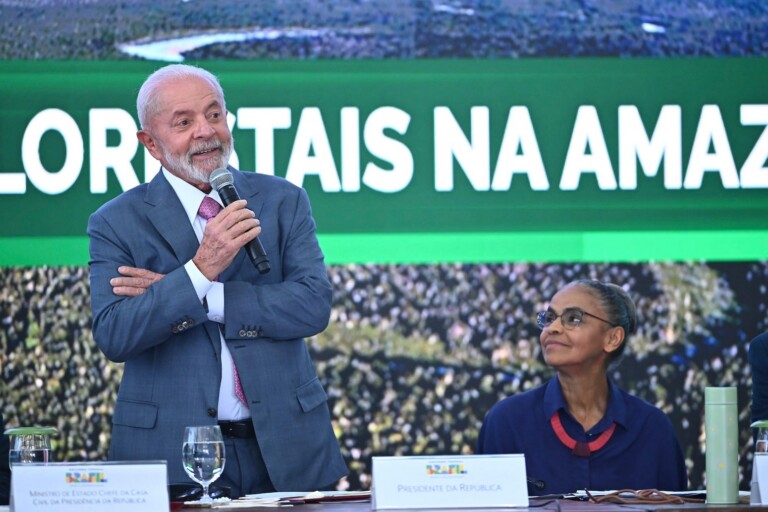
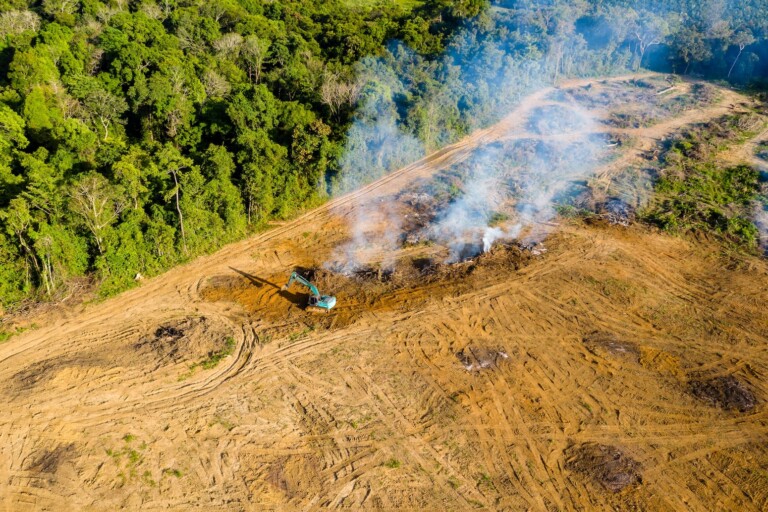
The urgency of the situation is reflected in the regional contexts that will likely shadow the negotiations. For instance, the recent shifts in policy in the Brazilian Amazon, which saw significant reductions in deforestation under the current administration, provide a proof-of-concept that political will can indeed yield environmental dividends. Conversely, the withdrawal of funding for the Congo Basin—the world’s second-largest rainforest—serves as a cautionary tale of how quickly progress can be reversed by changing geopolitical priorities.
Official Responses and Future Outlook
As delegations prepare to arrive in Yerevan, the official line from the CBD Secretariat is one of "cautious optimism." There is an acknowledgment that the geopolitical environment is fraught, but there is also a recognition that the cost of failure is simply too high.
The Secretary-General of the CBD has repeatedly emphasized that the Kunming-Montreal framework is not a menu of options, but a blueprint for survival. The Yerevan summit will require a level of compromise that has been absent in previous years.
For the delegates, the challenge is clear:
- Accelerate: Move beyond the rhetorical commitment to the GBF and into the granular, difficult work of national implementation.
- Fund: Solve the resource mobilization crisis by providing transparent and reliable financial flows.
- Integrate: Ensure that the rights of Indigenous peoples and the needs of local communities are not merely footnotes, but central pillars of the conservation strategy.
As the sun sets on the final day of the summit in late October, the world will have its answer. If the brackets have been cleared, the path to 2030 will remain open. If they persist, the global community will have to confront the uncomfortable reality that despite all the talk, the biodiversity crisis remains, in many ways, an unmanaged catastrophe.

Yerevan is not just a meeting; it is a trial. The subjects are the diplomats, the judge is history, and the witness is the natural world itself, currently fading in the face of human inaction.


 Lina Irawan
 Rifan Muazin
 Nana
Nana
 Ali Ikhwan
 Evan Lee Salim
