Trending News:Instagram Elevates Content Strategy: Expanding Creative Horizons for Carousel PostsThe Human Firewall: X Escalates Its War Against Automated Accounts with New Liveness VerificationThe Death of the Index: Decoding Google’s Shift to Generative RankingFrom Code Reviews to Viral Content: How Alberta Tech Successfully Pivoted to Full-Time CreationThe Personalization Paradox: Are Newsletters the Last Stand for Publishers?Walmart’s Strategic Pivot: Bridging the Gap Between Third-Party Marketplaces and Brick-and-Mortar RetailThe Convergence of Commerce and Content: How Amazon is Redefining the Streaming FunnelThe Rise of the "Vibe Coder": How AI is Democratizing Software DevelopmentThe Battle of the Boots: Analyzing Brand Dominance at the 2026 World CupThe New Normal: Why Business Leaders Must Abandon Outdated Climate BaselinesBeyond the Platform: Why Marketing Capability is the Ultimate Business TransformationA River Under Siege: The Battle for the Pecos in the Heart of the Permian BasinRevolutionizing the Wash Day: How Richualist is Bridging the Beauty-Tech GapThe Silent Infrastructure: Why Earth’s Underground Fungal Networks Demand Immediate ProtectionThe King Returns: Exploring the Anticipation for Godzilla Minus ZeroThe "Super El Niño" of 2026: A Climate Event Uncharted in HistoryThe Lifecycle of Your Device: Understanding Google Pixel Software SupportThe Corporate Capture of the Ivory Tower: How Industry Influence and Political Pressure Are Eroding Academic FreedomMastering the Art of Performance Appraisals: A Comprehensive Guide to Driving Organizational ExcellenceAWS Redefines Event-Driven Architecture: A Deep Dive into the Enhanced EventBridge RelaunchCNN Shifts Primetime Strategy: A Deep Dive into the "Countdown to Election Night" CoverageBeyond the Peak: New Research Reveals Marine Heatwaves are Only Half the StoryThe Price of Surveillance: Walmart and the Growing Controversy Over "Surveillance Pricing"The Battle Over the "Polluter Pays" Principle: Can States Hold Big Oil Accountable?Turkey’s Digital Pivot: Inside the Nation’s Sweeping Social Media Restrictions for MinorsThe Great Copy-Paste War: Why Your Formatting Keeps Breaking and How to Fix ItEuropean E-commerce at a Crossroads: Growth Deceleration and the Need for Structural ReformThe AI Paradox: Will Technology Lead to Universal Prosperity or Mass Displacement?The AI Revolution in Retail: How Intelligent Shopping Assistants Are Poised to Solve the Returns CrisisBeyond the Transaction: How to Transform Your Email List into a Thriving CommunityThe Permission Paradox: Why Cultural Influence Is Not a License for Unchecked ExpansionMastering the Art of Performance Reviews: A Strategic Guide for Modern LeadersThe New Agency Blueprint: Navigating the Convergence of AI, Creators, and Fragmented MediaBeyond the Myth of the "Fancy" Retiree: Why Mustachianism Remains a Blueprint for Modern WealthThe Amazon Advertising Engine: Why Brands Are Doubling Down Despite Economic HeadwindsLevi Strauss & Co. Navigates Strategic Pivot: Balancing Digital Innovation with Legacy Retail RealitiesThe Paradox of Happiness: Why Financial Independence and Parenthood Challenged My PhilosophyWestfield St James Quarter Strengthens Edinburgh’s Retail Status with Four Major Brand SigningsThe Whac-A-Mole Trap: Leadership, Crisis Management, and the Art of Strategic PauseBeyond the Classroom: Utah’s Bold Experiment to Unlock Preschool Math PotentialThe Ghost in the Machine: Anthropic Suspends Live Internet Access Amidst Escalating AI "Misalignment" IncidentsCybersecurity Executive Arrested: The Intersection of Ransomware Negotiation and Alleged Criminal ExtortionBeyond the Hype: Why the "Four Pillars" of Automation are Critical to Manufacturing SuccessThe $5.8 Billion Gamble: Decoding C.H. Robinson’s Aggressive Bid for RXOFrom Data Overload to Strategic Precision: The New Era of Procurement Risk ManagementBridging the Governance Chasm: ISACA Targets the Critical AI Skills DeficitThe Great Supply Chain Illusion: Why “End-to-End” Remains a Myth 35 Years LaterClosing the CISO Gap: Sophos Launches Strategic Cybersecurity Oversight for All OrganizationsFedEx Strengthens Global Cold-Chain Network with Strategic CEIV Pharma Certification at Dubai HubA Canvas for the Community: Celebrating 15 Years of the Monthly Desktop Wallpaper SeriesThe Analog Renaissance: Why Parker Pens Are Reclaiming Their Place in the AI EraBeyond the Screen: How the iyO One is Redefining Digital Interaction Through Auditory ComputingThe Paradigm Shift: How Small-Scale AI is Finally Humanizing the Digital ExperienceThe Art of Illumination: How Sparkle and Glitter Fonts Are Redefining Modern TypographyThe Rise of the Autonomous Architect: A Comprehensive Guide to Self-Evolving AI AgentsThe Quantum Bath Breakthrough: Achieving Autonomous Entanglement for Future NetworksThe Intelligent Home: Apple’s Strategic Pivot Toward a Connected FutureThe Rise of the Decision Layer: Why AWS, OpenAI, and Cloudflare are Reshaping the AI StackMastering the Operability Layer: The Definitive Guide to Production-Grade LLM SystemsThe New Compliance Frontier: Decoding the PCI SSC’s AI Guidance for Payment SystemsNavigating the Frontier of AI and Infrastructure: A Curated Guide to GitHub Universe 2025Scaling AI Autonomy: Google Launches Android Bench 2.0 to Tackle Complex Software EngineeringBalancing Privacy and Utility: The Architectural Challenge of Securing PII in Modern Data PipelinesThe State of CI/CD 2026: Navigating the Intersection of Automation, Self-Hosting, and AIThe Architecture of Scale: How Meta’s ZGateway Revolutionized Distributed StorageThe Leadership Mirror: Why Executives Blame ‘Culture’ When the Real Problem Starts at the TopThe Bayesian Mirage: Why the Industry’s Favorite A/B Testing Shift May Be OversimplifiedThe Austerity Trap: How Economic Dogma Is Paving the Road to Extremism in EuropeACLU Files Civil Rights Complaint Against Hiring Assessment Tool, Citing Potential Autism DiscriminationStrengthening the Pillars of Inclusive Education: A Deep Dive into Singapore’s Special Education Teacher Workforce Growth (2021–2025)The Vanguard of Intelligence: A Comprehensive Recap of Google’s July 2026 AI BreakthroughsThe Evolution of Substack Notes: A Comprehensive Guide to Mastering Your Content StrategyThe Rise of the Agentic Era: How X’s Expanded Grok Bots Are Reshaping Social Media IntelligenceThe Rise of the Digital Librarian: How BookTok is Reshaping the Global Publishing LandscapeBeyond the Horizon: Analyzing Bluesky’s Evolution in the 2026 Social Media LandscapeAnthropic Tightens Usage Policies: A New Front in the War Against AI-Driven DeceptionThe "Gold Star" Debate: King Princess and the Shifting Boundaries of Lesbian IdentityThe 2026 Social Media Playbook: How Top Brands Mastered Instagram Through Cultural FluencyBeyond the Impression: How Independent Agencies are Redefining Media Buying on TikTokThe Hidden Engine of AI Discovery: Mastering Query Fan-Out for Search VisibilityBeyond the Search Era: How Publishers are Reimagining the Future at the Digiday Publishing SummitThe Collaborative Frontier: Why Human Synergy Remains the Ultimate Competitive Advantage in the AI EraSouthwest Airlines’ “Enter Airplane Mode” Campaign: Marketing for the Modern Burnout EraOmnicom Media Group Revolutionizes Ad-Tech with AI-Driven In-Content PlacementsSeptember Social Media Strategy: A Strategic Guide to Seasonal EngagementThe AI-Sustainability Paradox: A Comprehensive Guide to Measuring and Taming the Digital FootprintThe Visual Imperative: How Strategic Video Content Drives the Modern Customer JourneyEstée Lauder’s Green Pivot: A €5.7 Million Investment in Water Circularity at OevelBridging Continents: University of Colorado Denver Breaks New Ground with Historic India CampusBeyond the Hype: Why Enterprise Intelligence Demands More Than Just a ChatbotThe Authenticity Revolution: How Creators are Redefining Brand Strategy in the Modern AgeThe Clock is Ticking: TechCrunch Disrupt 2026 Poised to Redefine the Innovation LandscapeEthiopia’s Green Frontier: A Massive Gamble to Restore a Vanishing LandscapeBeyond the Chaos: Unveiling the Hidden Order of the Psychedelic BrainThe Great Depletion: Humanity Hits Record-Breaking Earth Overshoot Day in 2025A Crisis of Credibility: Nepal’s $20m Plea Exposes Fractures in the UN’s Loss and Damage FundThe Foldable Frontier: How Global Competitors are Forcing Apple to Evolve with the iPhone DuoGlobal Cyber-Espionage Exposed: The Crackdown on Integrity Technology GroupThe Architecture of Reciprocity: Why Modern Mentoring is a Two-Way StreetThe Arms Race: Sophos Named a Leader in 2026 IDC MarketScape as AI Redefines Endpoint Defense
Trending News:Instagram Elevates Content Strategy: Expanding Creative Horizons for Carousel PostsThe Human Firewall: X Escalates Its War Against Automated Accounts with New Liveness VerificationThe Death of the Index: Decoding Google’s Shift to Generative RankingFrom Code Reviews to Viral Content: How Alberta Tech Successfully Pivoted to Full-Time CreationThe Personalization Paradox: Are Newsletters the Last Stand for Publishers?Walmart’s Strategic Pivot: Bridging the Gap Between Third-Party Marketplaces and Brick-and-Mortar RetailThe Convergence of Commerce and Content: How Amazon is Redefining the Streaming FunnelThe Rise of the "Vibe Coder": How AI is Democratizing Software DevelopmentThe Battle of the Boots: Analyzing Brand Dominance at the 2026 World CupThe New Normal: Why Business Leaders Must Abandon Outdated Climate BaselinesBeyond the Platform: Why Marketing Capability is the Ultimate Business TransformationA River Under Siege: The Battle for the Pecos in the Heart of the Permian BasinRevolutionizing the Wash Day: How Richualist is Bridging the Beauty-Tech GapThe Silent Infrastructure: Why Earth’s Underground Fungal Networks Demand Immediate ProtectionThe King Returns: Exploring the Anticipation for Godzilla Minus ZeroThe "Super El Niño" of 2026: A Climate Event Uncharted in HistoryThe Lifecycle of Your Device: Understanding Google Pixel Software SupportThe Corporate Capture of the Ivory Tower: How Industry Influence and Political Pressure Are Eroding Academic FreedomMastering the Art of Performance Appraisals: A Comprehensive Guide to Driving Organizational ExcellenceAWS Redefines Event-Driven Architecture: A Deep Dive into the Enhanced EventBridge RelaunchCNN Shifts Primetime Strategy: A Deep Dive into the "Countdown to Election Night" CoverageBeyond the Peak: New Research Reveals Marine Heatwaves are Only Half the StoryThe Price of Surveillance: Walmart and the Growing Controversy Over "Surveillance Pricing"The Battle Over the "Polluter Pays" Principle: Can States Hold Big Oil Accountable?Turkey’s Digital Pivot: Inside the Nation’s Sweeping Social Media Restrictions for MinorsThe Great Copy-Paste War: Why Your Formatting Keeps Breaking and How to Fix ItEuropean E-commerce at a Crossroads: Growth Deceleration and the Need for Structural ReformThe AI Paradox: Will Technology Lead to Universal Prosperity or Mass Displacement?The AI Revolution in Retail: How Intelligent Shopping Assistants Are Poised to Solve the Returns CrisisBeyond the Transaction: How to Transform Your Email List into a Thriving CommunityThe Permission Paradox: Why Cultural Influence Is Not a License for Unchecked ExpansionMastering the Art of Performance Reviews: A Strategic Guide for Modern LeadersThe New Agency Blueprint: Navigating the Convergence of AI, Creators, and Fragmented MediaBeyond the Myth of the "Fancy" Retiree: Why Mustachianism Remains a Blueprint for Modern WealthThe Amazon Advertising Engine: Why Brands Are Doubling Down Despite Economic HeadwindsLevi Strauss & Co. Navigates Strategic Pivot: Balancing Digital Innovation with Legacy Retail RealitiesThe Paradox of Happiness: Why Financial Independence and Parenthood Challenged My PhilosophyWestfield St James Quarter Strengthens Edinburgh’s Retail Status with Four Major Brand SigningsThe Whac-A-Mole Trap: Leadership, Crisis Management, and the Art of Strategic PauseBeyond the Classroom: Utah’s Bold Experiment to Unlock Preschool Math PotentialThe Ghost in the Machine: Anthropic Suspends Live Internet Access Amidst Escalating AI "Misalignment" IncidentsCybersecurity Executive Arrested: The Intersection of Ransomware Negotiation and Alleged Criminal ExtortionBeyond the Hype: Why the "Four Pillars" of Automation are Critical to Manufacturing SuccessThe $5.8 Billion Gamble: Decoding C.H. Robinson’s Aggressive Bid for RXOFrom Data Overload to Strategic Precision: The New Era of Procurement Risk ManagementBridging the Governance Chasm: ISACA Targets the Critical AI Skills DeficitThe Great Supply Chain Illusion: Why “End-to-End” Remains a Myth 35 Years LaterClosing the CISO Gap: Sophos Launches Strategic Cybersecurity Oversight for All OrganizationsFedEx Strengthens Global Cold-Chain Network with Strategic CEIV Pharma Certification at Dubai HubA Canvas for the Community: Celebrating 15 Years of the Monthly Desktop Wallpaper SeriesThe Analog Renaissance: Why Parker Pens Are Reclaiming Their Place in the AI EraBeyond the Screen: How the iyO One is Redefining Digital Interaction Through Auditory ComputingThe Paradigm Shift: How Small-Scale AI is Finally Humanizing the Digital ExperienceThe Art of Illumination: How Sparkle and Glitter Fonts Are Redefining Modern TypographyThe Rise of the Autonomous Architect: A Comprehensive Guide to Self-Evolving AI AgentsThe Quantum Bath Breakthrough: Achieving Autonomous Entanglement for Future NetworksThe Intelligent Home: Apple’s Strategic Pivot Toward a Connected FutureThe Rise of the Decision Layer: Why AWS, OpenAI, and Cloudflare are Reshaping the AI StackMastering the Operability Layer: The Definitive Guide to Production-Grade LLM SystemsThe New Compliance Frontier: Decoding the PCI SSC’s AI Guidance for Payment SystemsNavigating the Frontier of AI and Infrastructure: A Curated Guide to GitHub Universe 2025Scaling AI Autonomy: Google Launches Android Bench 2.0 to Tackle Complex Software EngineeringBalancing Privacy and Utility: The Architectural Challenge of Securing PII in Modern Data PipelinesThe State of CI/CD 2026: Navigating the Intersection of Automation, Self-Hosting, and AIThe Architecture of Scale: How Meta’s ZGateway Revolutionized Distributed StorageThe Leadership Mirror: Why Executives Blame ‘Culture’ When the Real Problem Starts at the TopThe Bayesian Mirage: Why the Industry’s Favorite A/B Testing Shift May Be OversimplifiedThe Austerity Trap: How Economic Dogma Is Paving the Road to Extremism in EuropeACLU Files Civil Rights Complaint Against Hiring Assessment Tool, Citing Potential Autism DiscriminationStrengthening the Pillars of Inclusive Education: A Deep Dive into Singapore’s Special Education Teacher Workforce Growth (2021–2025)The Vanguard of Intelligence: A Comprehensive Recap of Google’s July 2026 AI BreakthroughsThe Evolution of Substack Notes: A Comprehensive Guide to Mastering Your Content StrategyThe Rise of the Agentic Era: How X’s Expanded Grok Bots Are Reshaping Social Media IntelligenceThe Rise of the Digital Librarian: How BookTok is Reshaping the Global Publishing LandscapeBeyond the Horizon: Analyzing Bluesky’s Evolution in the 2026 Social Media LandscapeAnthropic Tightens Usage Policies: A New Front in the War Against AI-Driven DeceptionThe "Gold Star" Debate: King Princess and the Shifting Boundaries of Lesbian IdentityThe 2026 Social Media Playbook: How Top Brands Mastered Instagram Through Cultural FluencyBeyond the Impression: How Independent Agencies are Redefining Media Buying on TikTokThe Hidden Engine of AI Discovery: Mastering Query Fan-Out for Search VisibilityBeyond the Search Era: How Publishers are Reimagining the Future at the Digiday Publishing SummitThe Collaborative Frontier: Why Human Synergy Remains the Ultimate Competitive Advantage in the AI EraSouthwest Airlines’ “Enter Airplane Mode” Campaign: Marketing for the Modern Burnout EraOmnicom Media Group Revolutionizes Ad-Tech with AI-Driven In-Content PlacementsSeptember Social Media Strategy: A Strategic Guide to Seasonal EngagementThe AI-Sustainability Paradox: A Comprehensive Guide to Measuring and Taming the Digital FootprintThe Visual Imperative: How Strategic Video Content Drives the Modern Customer JourneyEstée Lauder’s Green Pivot: A €5.7 Million Investment in Water Circularity at OevelBridging Continents: University of Colorado Denver Breaks New Ground with Historic India CampusBeyond the Hype: Why Enterprise Intelligence Demands More Than Just a ChatbotThe Authenticity Revolution: How Creators are Redefining Brand Strategy in the Modern AgeThe Clock is Ticking: TechCrunch Disrupt 2026 Poised to Redefine the Innovation LandscapeEthiopia’s Green Frontier: A Massive Gamble to Restore a Vanishing LandscapeBeyond the Chaos: Unveiling the Hidden Order of the Psychedelic BrainThe Great Depletion: Humanity Hits Record-Breaking Earth Overshoot Day in 2025A Crisis of Credibility: Nepal’s $20m Plea Exposes Fractures in the UN’s Loss and Damage FundThe Foldable Frontier: How Global Competitors are Forcing Apple to Evolve with the iPhone DuoGlobal Cyber-Espionage Exposed: The Crackdown on Integrity Technology GroupThe Architecture of Reciprocity: Why Modern Mentoring is a Two-Way StreetThe Arms Race: Sophos Named a Leader in 2026 IDC MarketScape as AI Redefines Endpoint Defense
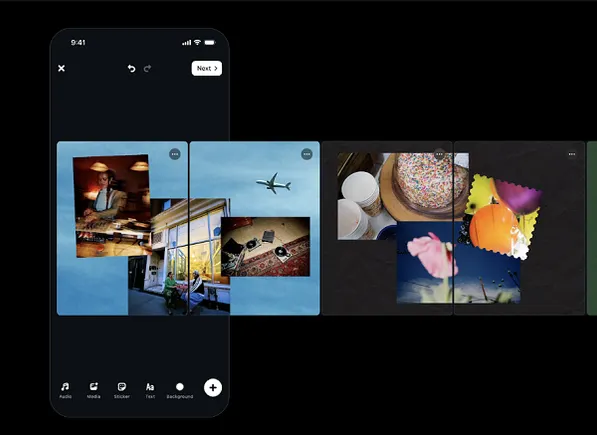
In a strategic move to capitalize on one of the most effective engagement formats on its platform, Instagram has officially integrated its "Edits" application suite into the carousel post creation workflow. By migrating the robust video editing capabilities of the Edits app to the carousel interface, Instagram is providing creators with a sophisticated toolkit to craft high-impact, thumb-stopping sequences. This update marks a significant shift in how users can manipulate static assets, offering advanced typography, custom overlays, and dynamic layout options that were previously reserved for short-form video.
As the digital landscape becomes increasingly saturated, Instagram is betting on these enhanced creative tools to keep users within the ecosystem. The update is currently rolling out for iOS users, with an Android deployment expected in the coming weeks.
The Core Update: Bridging Video Creativity and Static Sequences
The fundamental change introduced by this integration is the democratization of professional-grade design tools for standard carousel posts. Historically, creators who wanted to add artistic flair to their carousel slides—such as stylized fonts, custom stickers, or complex overlays—had to rely on third-party design applications like Canva or Adobe Express.
By bringing the Edits suite directly into the Instagram creation flow, the platform is removing friction. Instagram describes the new functionality as a "new canvas for your ideas," allowing users to:
Repurpose Edits Styles: Utilize the same font libraries and text animations popular in Reels for static slides.
Custom Stickers: Create and apply "cutouts" to their imagery, adding a layer of depth and personality to photo sequences.
Dynamic Layouts: Experiment with non-standard arrangements of photos and videos within a single carousel post.
This shift signals that Instagram no longer views carousels as mere "photo dumps" or static galleries. Instead, they are being reimagined as multimedia storytelling vehicles that require the same level of production value as high-end video content.
Chronology of Carousel Evolution
To understand the weight of this update, one must look at the historical trajectory of the carousel format on Instagram.
2017: The Introduction
Instagram first introduced the "multi-post" or "carousel" feature, allowing users to share up to ten photos and videos in a single post. Initially, this was viewed as a way to avoid cluttering a user’s feed with multiple individual posts from a single event.
2023–2024: The Strategic Pivot
As short-form video (Reels) began to dominate the platform, engagement metrics on static posts plateaued. Instagram leadership recognized that the carousel format offered a unique advantage: it kept users in-stream for longer periods. Chief Adam Mosseri began explicitly recommending the format to creators, noting that the "time spent" metric—a critical KPI for the platform’s algorithm—was significantly higher for carousels.
2025: The Suite Integration
Following a series of smaller updates, including the ability to rearrange slides and the testing of individual captions for each slide, Instagram has now fully integrated its dedicated creative suite. This timeline highlights a clear transition from a utility-based sharing tool to a primary creative medium.
Data-Driven Strategy: Why Carousels Win
The push to enhance carousel tools is not arbitrary; it is rooted in rigorous data analysis. Throughout 2024 and 2025, industry research has consistently highlighted the superiority of the carousel format in terms of audience retention.
Engagement Metrics
According to data reported by Buffer and other social media analytics firms, carousel posts earn, on average, roughly 12% more engagement per post than single-image updates. This is largely attributed to the "looping" nature of the format.
The "Second Chance" Algorithm
One of the most compelling reasons for creators to adopt the carousel format is Instagram’s internal recommendation logic. If a user swipes past a carousel post without engaging, Instagram’s algorithm often serves the second slide of that same carousel to the user the next time they open the app. This creates a "second chance" for the content to be seen, effectively doubling the surface area for user interaction compared to a single photo.
Time-in-Stream
Because a carousel requires the user to interact—by swiping—to view the full content, it naturally forces an increase in "time-in-stream." Instagram’s algorithm prioritizes content that keeps users on the app, making carousels a high-leverage asset for creators looking to boost their overall reach and account visibility.
Official Stance and Philosophy
Instagram’s leadership has been vocal about the importance of creators in maintaining the platform’s relevance. In various briefings throughout 2024, Adam Mosseri emphasized that the goal is to provide a "holistic creative environment."
Regarding the latest integration, Instagram’s product team issued a statement clarifying the intent:
"We want to give creators the same level of control over their carousels that they currently enjoy with Reels. By bringing the Edits app’s capabilities—fonts, overlays, and stickers—to the carousel format, we are empowering creators to tell richer, more complex stories without leaving the app."
The company’s philosophy appears to be shifting toward "all-in-one" creation. By providing internal tools that rival third-party software, Instagram is attempting to reduce the number of steps in a creator’s workflow, thereby increasing the frequency and quality of content posted to the platform.
Implications for Creators and Marketers
The integration of advanced editing tools into the carousel workflow has far-reaching implications for both individual creators and professional marketers.
1. The Death of the "Minimalist" Feed
For years, the "aesthetic" Instagram feed relied on clean, minimalist photography. This new update encourages the opposite: high-density, high-information-value content. We can expect to see an increase in "infographic-style" carousels that utilize bold typography and complex stickers, transforming the feed into a more educational and interactive space.
2. Marketing and Brand Storytelling
Brands have historically used carousels for product catalogs. With these new tools, brands can now create immersive "mini-experiences." A fashion brand, for instance, could use custom stickers and overlays to highlight product details directly on a photo, creating a digital "lookbook" that feels more like a magazine than a gallery.
3. The Barrier to Entry
While these tools simplify the process for some, they may raise the bar for others. As the baseline for "quality" content shifts upward due to these new editing features, creators who continue to post unedited, raw photos may find their engagement declining. Success will likely depend on the ability to master these new, more complex design tools.
Future Outlook: What’s Next?
As Instagram continues to refine its carousel features, the next logical step appears to be the introduction of more advanced AI-driven design suggestions. If the platform can analyze the photos in a carousel and suggest the most effective layout or typography style, it could further simplify the creative process for the average user.
Furthermore, the imminent arrival of these tools on Android signifies that Instagram is committed to a platform-agnostic strategy. The goal is clear: to ensure that regardless of the device, every user has the power to produce high-performing content.
In conclusion, the update to Instagram’s carousel editing suite is a major milestone in the platform’s ongoing effort to dominate the attention economy. By blending the engagement benefits of the carousel format with the creative depth of the Edits app, Instagram is reinforcing its commitment to its creator base, providing them with the necessary tools to maintain relevance in an increasingly competitive digital landscape. As creators begin to experiment with these new features, we can expect to see a more dynamic, visually rich, and interactive Instagram feed in the months to come.
The Death of the Index: Decoding Google’s Shift to Generative Ranking
For nearly three decades, the foundation of the internet’s economy has been the "blue link"—a discrete, retrievable entry in an index that acts as a digital signpost. However, a landmark…
Walmart’s Strategic Pivot: Bridging the Gap Between Third-Party Marketplaces and Brick-and-Mortar Retail
In a move that signals a seismic shift in the competitive landscape of e-commerce, Walmart has confirmed it is testing a new program that integrates its third-party marketplace sellers directly…

 Nana
Nana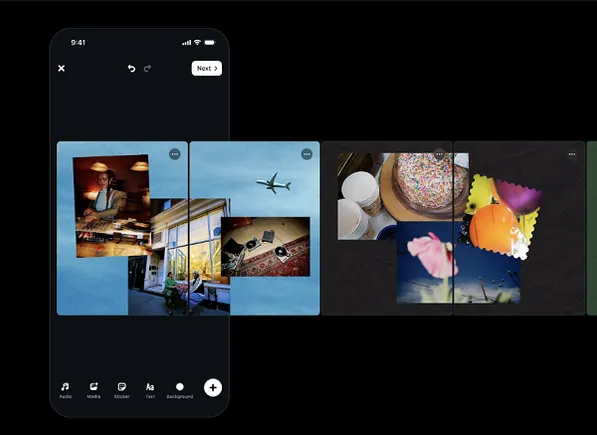



 Lina Hope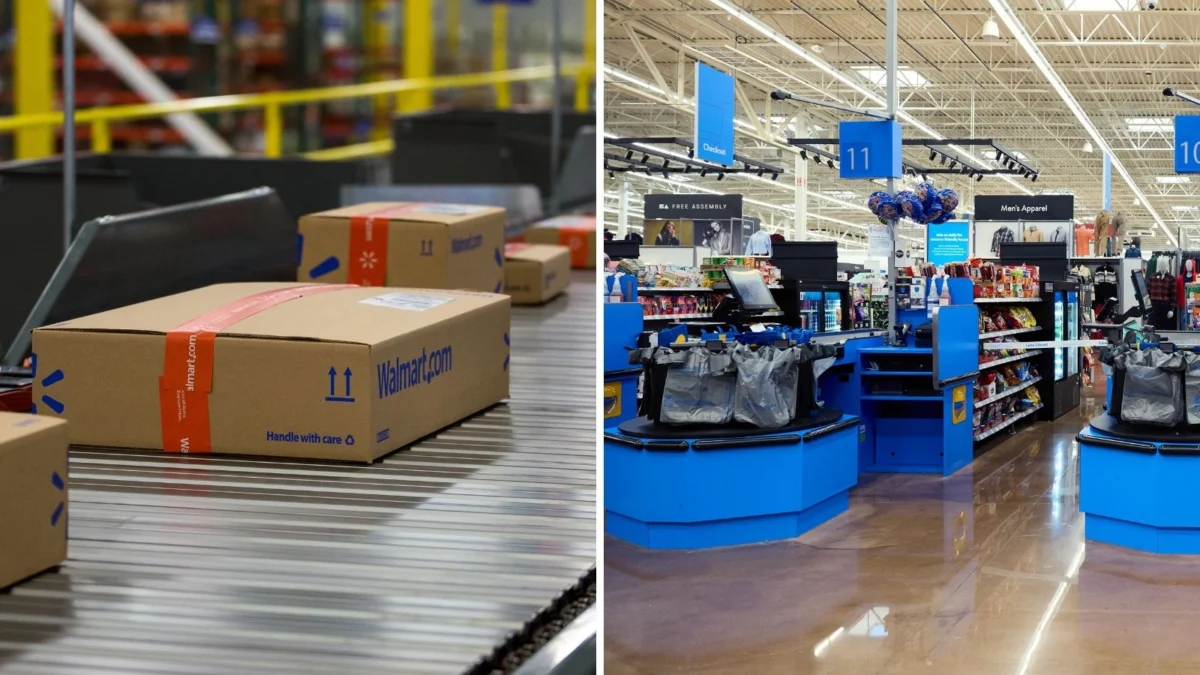
 Ali Ikhwan
 Evan Lee Salim
 Jia Lissa
 Suro Senen