
 Dwi Wanna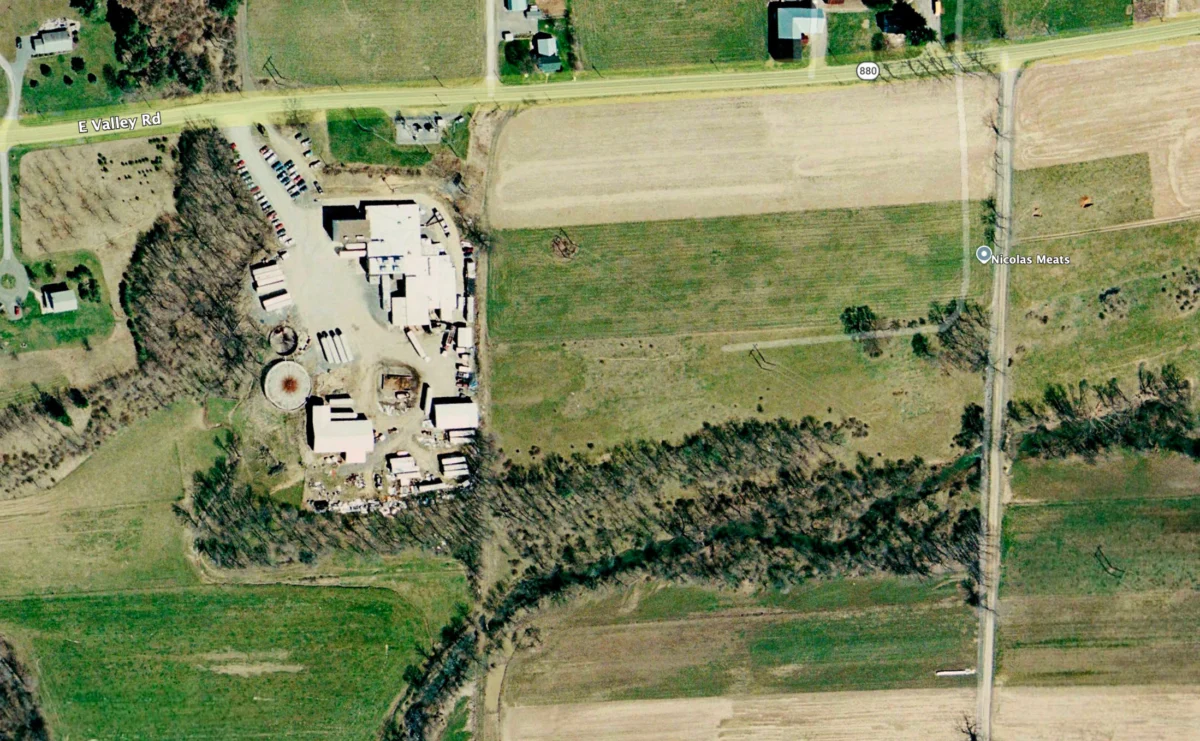
In the rural expanse of Loganton, Pennsylvania, the water that once flowed clear from mountain-fed wells now carries a haunting legacy. For Trish Leigey, a single mother of three and a local resident, the realization that her family’s drinking water had been compromised arrived in late 2019 as a foul-smelling, discolored trickle from her kitchen tap. What began as a domestic inconvenience soon spiraled into a landmark legal battle, exposing the dark underbelly of a $161 billion industry that relies on the land to dispose of millions of gallons of slaughterhouse waste.
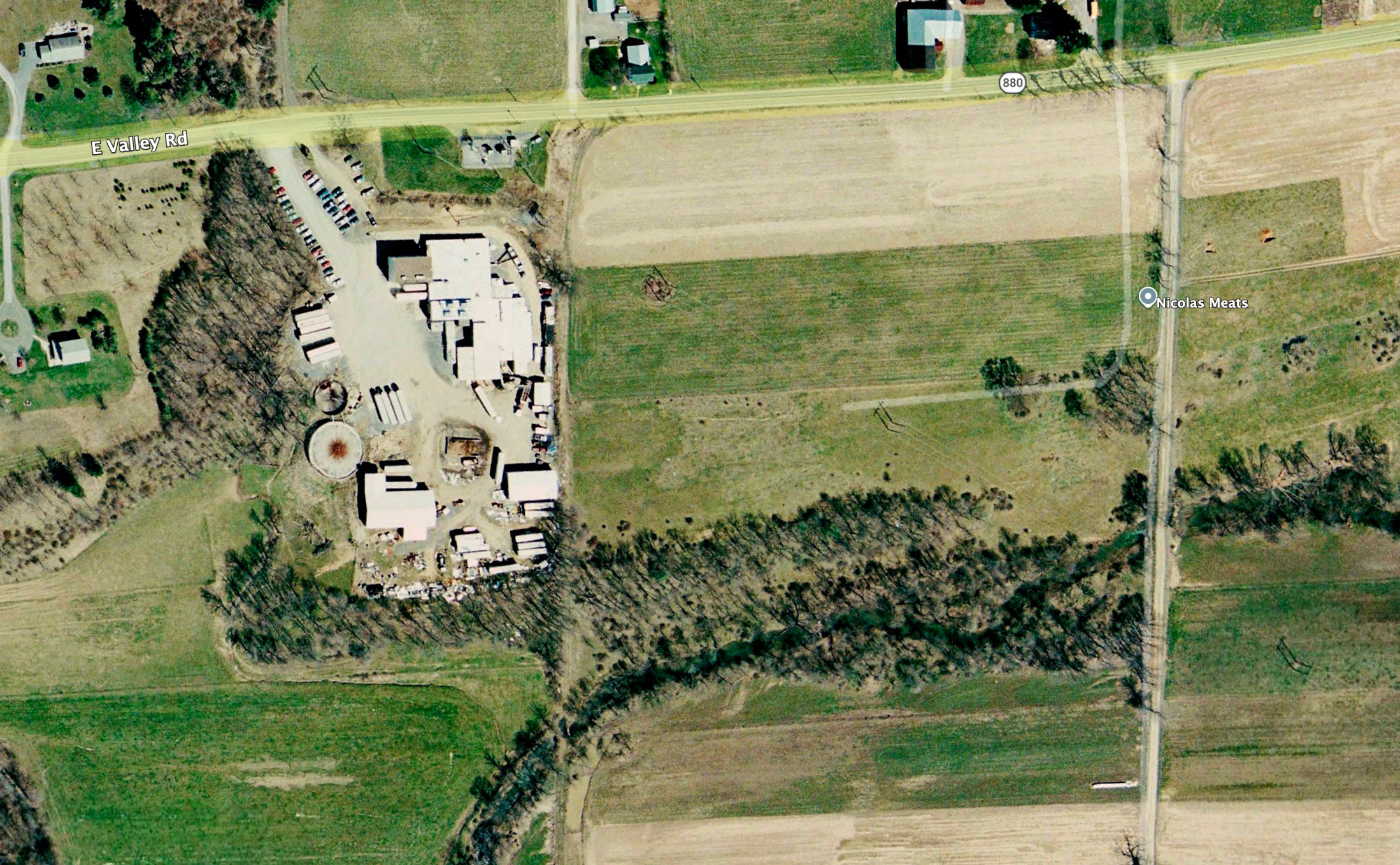
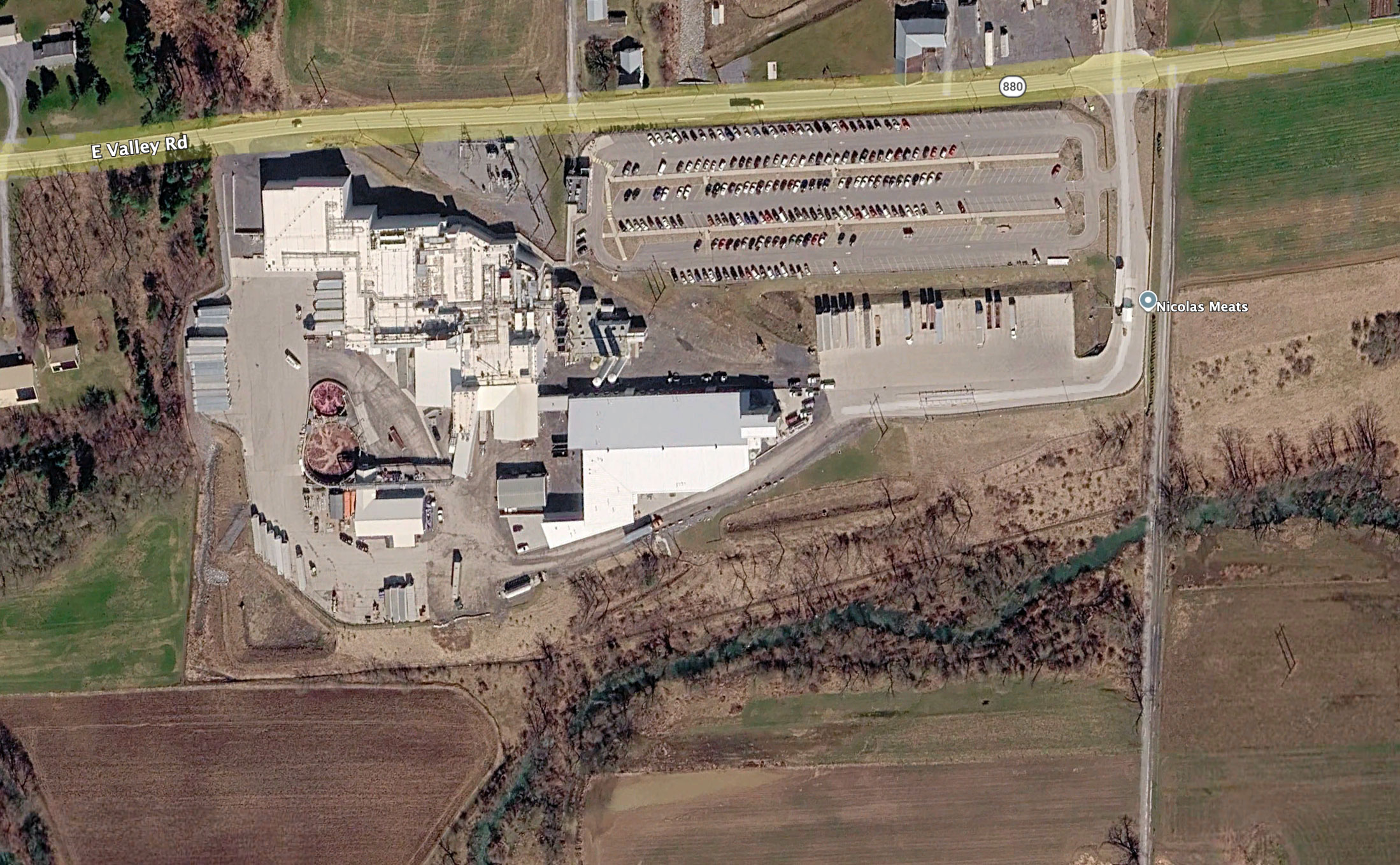
The culprit, according to a recent jury verdict, was Nicholas Meat, a prominent beef processor in Clinton County. The company’s practice of spreading "food processing residuals"—a slurry of blood, urine, water, and animal offal—across local fields had, as lawyers argued, infiltrated the groundwater, bringing with it bovine DNA and the persistent, nauseating odor of decay.
A Chronology of Contamination
The conflict in Sugar Valley was not an overnight occurrence but the culmination of years of escalating industrial expansion.
- 1987: The Nicholas Meat operation begins as a modest family-run enterprise, processing only a few dozen cattle per day.
- 2010: Following a major fire, the facility undergoes a massive expansion, resuming operations with a significantly increased capacity. It is during this post-reconstruction period that residents report the commencement of large-scale waste spraying on surrounding acreage.
- 2013–2019: Local complaints to the Pennsylvania Department of Environmental Protection (DEP) regarding noxious odors and water quality spike. Records indicate that residents were frequently left waiting days or weeks for responses from state regulators.
- 2019: Trish Leigey notices her tap water turning brown and emitting a foul odor. Independent testing later confirms the presence of bovine DNA, linking the contamination to the nearby industrial application of slaughterhouse waste.
- December 2023: After a grueling two-week trial in a county with limited judicial resources, a jury finds Nicholas Meat liable for nuisance and trespassing. The plaintiffs are awarded $145,000, a verdict that serves as a rare rebuke to the state’s powerful agricultural lobby.
- May 2026: Nicholas Meat formally appeals the verdict, as the company continues its operations, maintaining that its disposal methods fall under the umbrella of standard agricultural practices.
The Mechanics of an Industrial Nuisance
Nicholas Meat is a major economic engine in Clinton County, employing roughly 425 people—a figure nearly equal to the entire population of Loganton. However, the scale of its operation is staggering. The company processes approximately 1,000 cattle every single day. The lawsuit alleged that the facility produces at least 200,000 gallons of waste daily, with on-site storage capacity reaching one million gallons and an additional 4.3 million gallons held elsewhere.
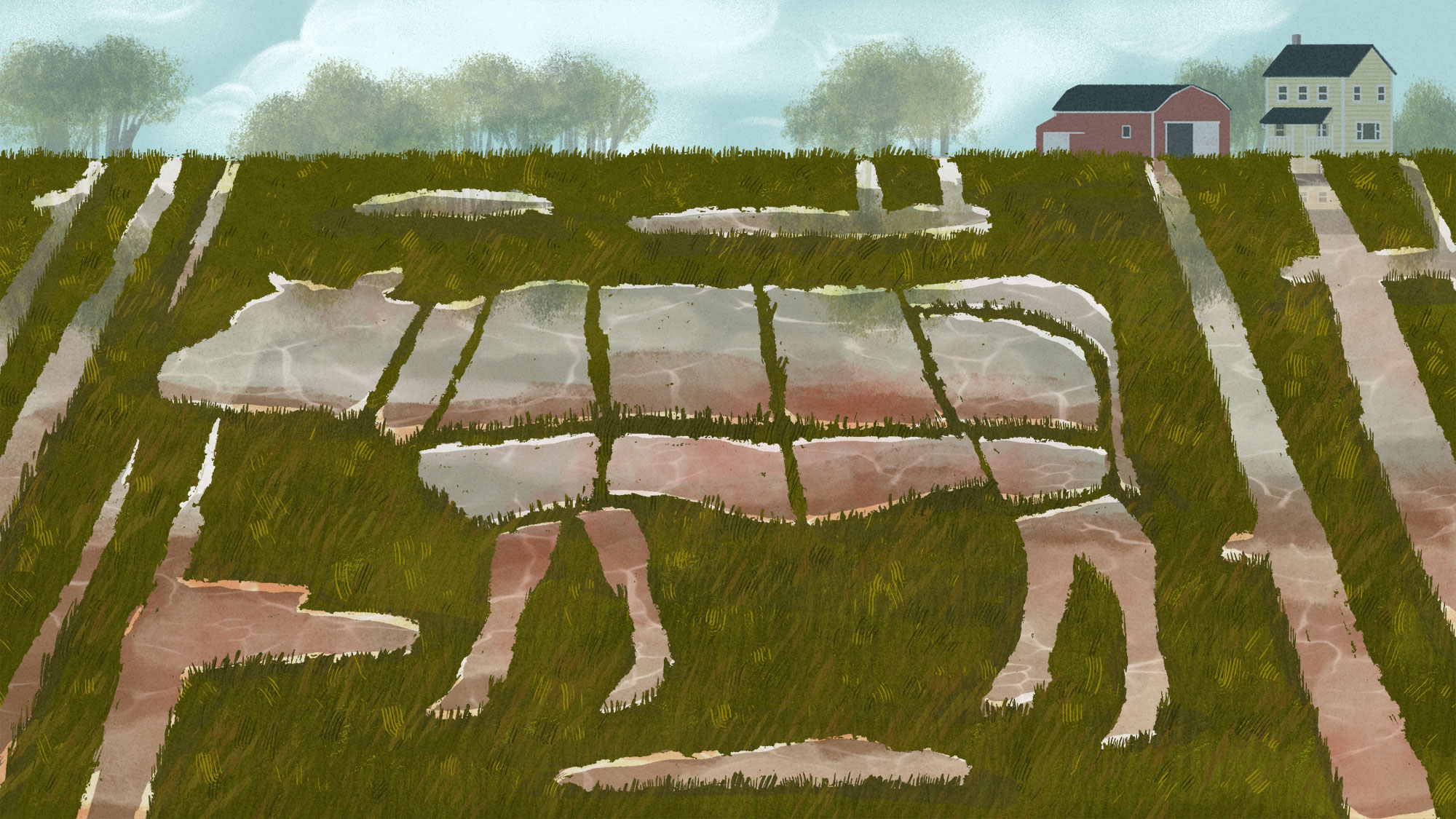
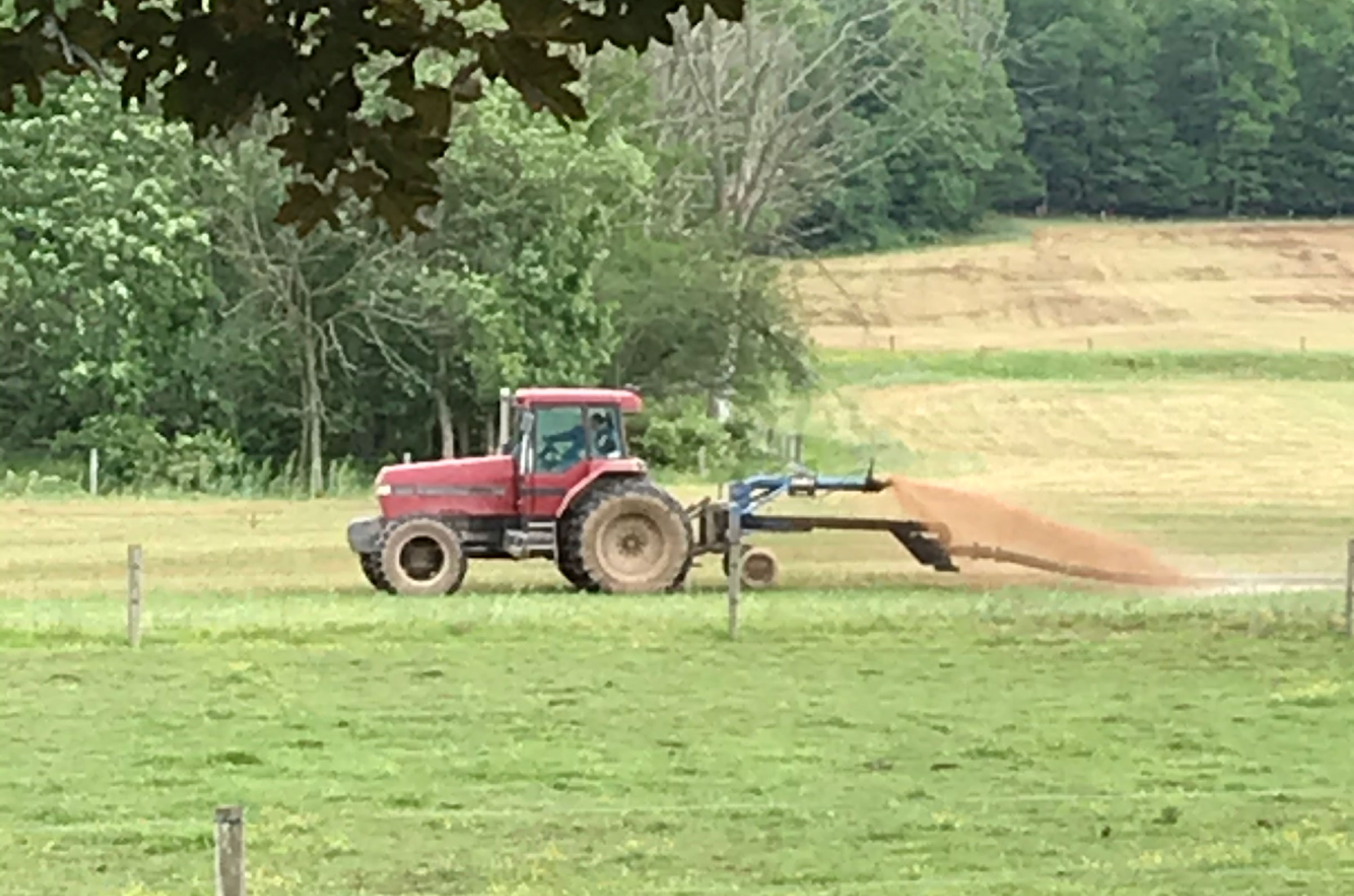
The process of spreading this "cocktail" of slaughterhouse refuse is legally classified under Pennsylvania’s "right-to-farm" statutes as a fertilizer application. Under these lenient regulations, there is little oversight regarding the volume or location of the application. Critics point out that while small-scale farmers using limited amounts of waste for soil enrichment is one thing, the industrial-scale application practiced by Nicholas Meat creates a significant environmental hazard.
Evidence presented during the trial revealed that the company was spraying 10 million to 13 million gallons of waste annually over "hundreds" of acres. Testimony from a Clinton County Conservation District employee noted that the company was "way over-applying blood" and that the spraying was often continuous for 8 to 10 hours a day. In some instances, waste was applied to barren, saturated, or even snow-covered fields, creating a high probability of runoff into local waterways.
Supporting Data: The Geological Time Bomb
The environmental risk is compounded by the unique geography of central Pennsylvania. The region is characterized by limestone karst topography, which features natural sinkholes and underground fissures. These geological formations act as "highways" for contaminants, allowing surface runoff to bypass natural soil filtration and enter deep-aquifer wells with alarming speed.
A 2017 U.S. Geological Survey (USGS) study of Clinton County groundwater—conducted initially to establish a baseline for the natural gas fracking industry—found that more than 50 percent of the 54 private wells tested contained fecal bacteria, including E. coli. While the study did not specifically name Nicholas Meat as the source, the legal discovery process revealed that the company was aware of sinkholes on the fields it used for disposal. Expert testimony suggested that the "bloody mixture" sprayed on these fields would inevitably travel through the cracks in the bedrock, directly into the water table that serves the local population.
The Human Toll: More Than Just a Smell
For residents like Leanna Rockey, a retired nurse who joined Leigey in the lawsuit, the impact has been profound. Beyond the physical health risks—which include potential exposure to parasites, bacteria, and residual antimicrobial drugs—the psychological toll of living in a "dumping ground" has been severe.
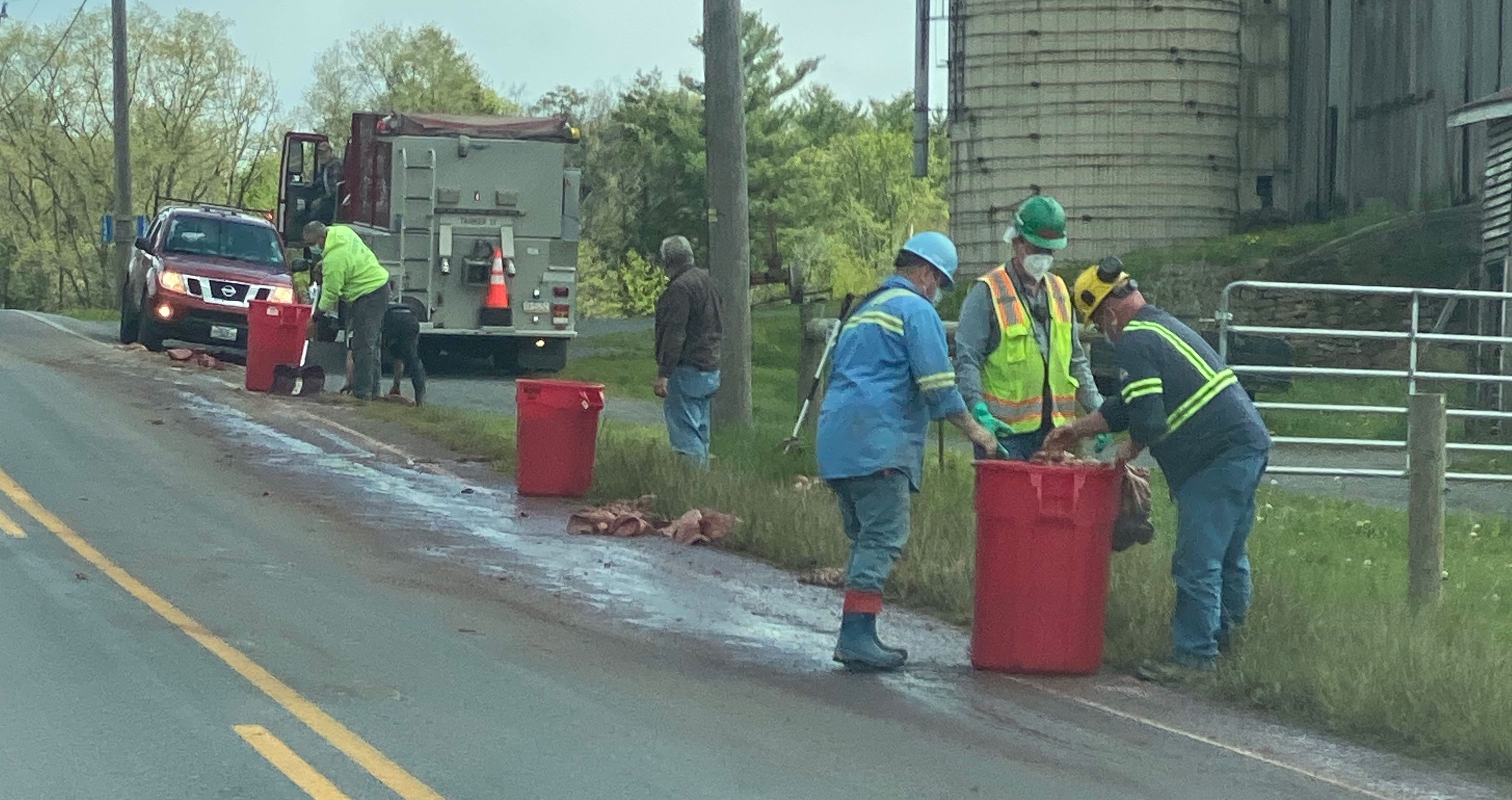
"I never dreamt in a million years my little piece of heaven would be turned into a dumping ground," Rockey said. For years, residents lived in a state of siege, sealing windows against the smell of "rotting flesh and blood," abandoning outdoor activities, and relying on bottled water for bathing and consumption.
Dr. Christopher Heaney, an associate professor at the Johns Hopkins Bloomberg School of Public Health, noted that the health risks of such proximity are not merely theoretical. Exposure to airborne particles from such sites can exacerbate respiratory conditions like asthma, while chronic exposure to the odors can lead to hypertension, heightened stress, and generalized anxiety.
Official Responses and Regulatory Gaps
The regulatory framework in Pennsylvania remains, by many accounts, toothless. The DEP relies on 1994 guidelines that provide only minimal structure, requiring farmers to document their intended crop usage without enforcing strict environmental safeguards.
State Representative Paul Friel has since introduced legislation aimed at closing these loopholes. "There has to be a distinction between normal farming practice and industrial waste disposal," Friel stated. "Some ‘bad actors’ are turning farm fields into unregulated landfills."
Eugene and Doug Nicholas, the figures behind the operation, have maintained that their actions are within the bounds of existing law. During the trial, Eugene Nicholas argued that there are no regulations governing the specific type of farming they conduct. The company’s legal team, representing the high-powered firm Fox Rothschild, has consistently pushed back against claims of negligence, emphasizing the economic importance of the facility to the state’s beef supply.
Broader Implications: A System Built on Concentration
The situation in Loganton is a microcosm of a national trend: the consolidation of the food system into fewer, larger, and more concentrated facilities. As Dani Replogle, an attorney with Food & Water Watch, observed, "The more animals you have in one location, the worse the environmental problems are going to be."
The economic incentive to avoid proper waste treatment is immense. By spraying waste locally, processors can save thousands of dollars per day compared to the cost of professional, off-site wastewater treatment. As attorney Chris Nidel, who represented the plaintiffs, noted, "There is no disincentive for them to do this. They can make up the cost of a fine in less than a week."
A Future in Doubt
While Trish Leigey’s legal victory provided a small measure of financial restitution—covering the $10,000 cost of a new, deeper well and years of bottled water expenses—it did not result in a court-mandated change in operations for Nicholas Meat. The company continues to operate, and for the residents of Sugar Valley, the fear remains.
"Innocent people should not have to suffer for the greed of other people," Leigey says. She remains vigilant, monitoring the fields and the water, fully aware that her victory was a battle won, not the war ended. The case has sparked a wider conversation about whether Pennsylvania’s right-to-farm laws should protect legitimate family farmers or serve as a shield for industrial-scale polluters. Until the state legislature steps in to update the regulatory code, the residents of small towns like Loganton remain on the front lines of an uneven struggle against a system that prioritizes cheap meat over clean water.


 Raul Delapena Setiawan
 Laily UPN
 Reynand Wu
 Sagoh
Sagoh

 Azzam Bilal Chamdy
 Ali Ikhwan