
 Lina Irawan
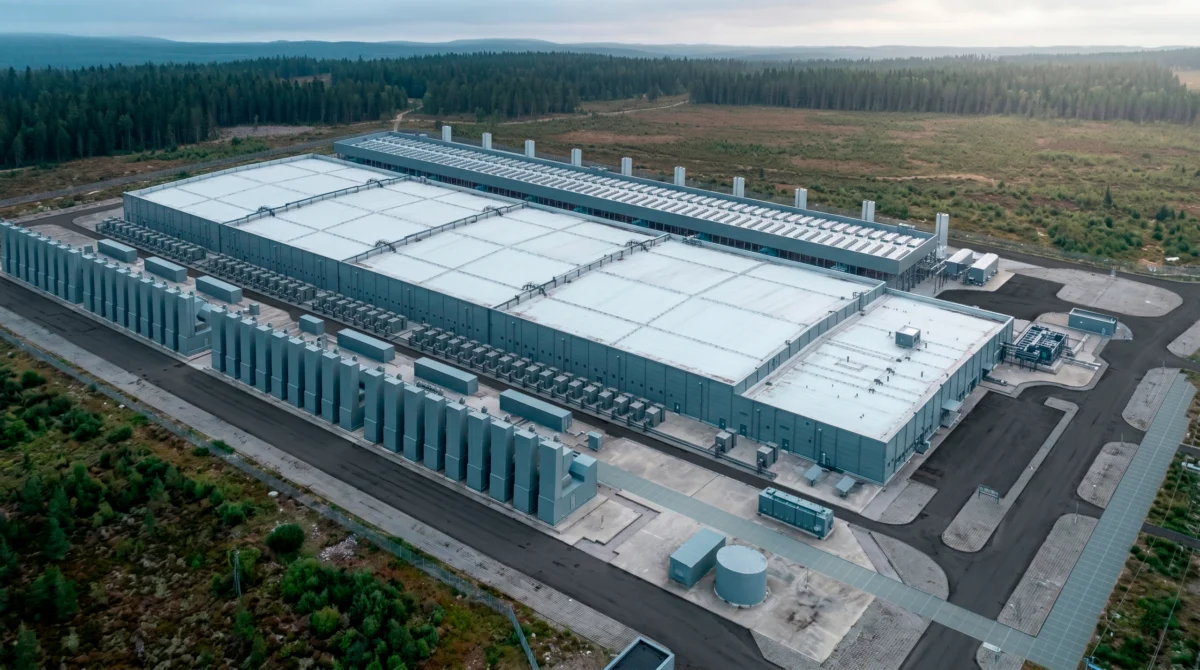
The era of "stealth" data center development is rapidly drawing to a close. For years, the world’s largest cloud providers—often referred to as hyperscalers—have operated behind a veil of non-disclosure agreements (NDAs) and opaque planning applications. However, a growing wave of public resistance, fueled by concerns over local energy grids, water scarcity, and the industrialization of rural landscapes, has forced a strategic retreat.
In a coordinated shift toward corporate transparency, Google and Meta have joined Microsoft and Amazon Web Services (AWS) in pledging to abandon the use of restrictive NDAs in their data center site selection processes. This pivot marks a fundamental change in how the architects of the digital economy engage with the communities that host their massive infrastructure.
The Evolution of the "Stealth" Model
For over a decade, the standard operating procedure for hyperscalers was to treat site selection as a matter of national security or trade secrecy. When Microsoft, Google, or Meta identified a potential location for a new server farm, they frequently required local government officials to sign NDAs before preliminary discussions even began.
This allowed the tech giants to secure tax breaks, land zoning adjustments, and utility agreements without the public being aware of the massive resource demands—often involving hundreds of megawatts of electricity and millions of gallons of water—until the deals were essentially signed and sealed.
However, as the AI boom has accelerated the need for high-density compute power, the scale of these facilities has ballooned. Where once a data center was a relatively quiet industrial neighbor, today’s "hyperscale" facilities are often massive, noisy, and power-hungry campuses that dominate local landscapes and strain aging infrastructure.
Chronology: From Secret Deals to Public Accountability
The shift toward transparency did not happen in a vacuum; it was the direct result of mounting community friction and high-profile public outcry.
- March 2024: Microsoft set the industry benchmark by officially announcing that it would cease the use of NDAs as a tool in its data center site selection and development. The move was widely viewed as a proactive attempt to repair relationships with local stakeholders who had grown wary of the company’s expansion tactics.
- July 2024: Meta faced a firestorm of criticism regarding "Project Hyperion," a proposed data center in Louisiana. The project’s secrecy triggered a backlash from local advocacy groups, forcing the company to reconsider its engagement strategy.
- August 2024: Amazon Web Services (AWS) released its "Data Center Commitment." This policy framework went beyond just dropping NDAs; it pledged to disclose more granular information about the energy and water consumption of their facilities and to push for more sustainable operational models.
- Late 2024 (Current): Following the lead of their peers, Google has formally committed to abandoning the practice of using NDAs in their development planning, effectively creating an industry-wide consensus on the need for increased transparency.
Supporting Data: The Rising Cost of Digital Growth
The pressure on hyperscalers is not merely political; it is tethered to the physical limitations of our power and water grids. According to recent industry analysis by Gartner, data center electricity consumption is projected to grow by 26% in 2026 alone. This massive surge is driven almost entirely by the computational demands of Large Language Models (LLMs) and the broader AI infrastructure race.
The water usage metrics are equally staggering. Data centers require significant volumes of water for cooling systems, particularly in regions where ambient air temperatures are not sufficient to regulate server heat. In areas already suffering from drought or stressed municipal water supplies, the presence of a hyperscale facility has become a lightning rod for environmental activism.
Furthermore, major infrastructure projects are increasingly being delayed or stalled due to these mounting protests. In several regions across the United States and Europe, local governments have imposed moratoriums on new data center construction until grid operators can prove that the existing energy infrastructure can handle the load without causing brownouts for local residents and businesses.
Official Responses and Corporate Strategy
The public statements from these corporations reflect a carefully managed attempt to frame these concessions as part of a "community-first" philosophy.
Microsoft, in its March announcement, stated: "We recognize that our growth must be sustainable and transparent. By removing the veil of the NDA, we are inviting our neighbors to participate in the conversation about the future of their communities."
Amazon’s "Data Center Commitment" is perhaps the most comprehensive response to date. By committing to greater disclosure regarding energy and water usage, Amazon is attempting to shift the narrative from "secrecy" to "stewardship." The company is also investing in advanced cooling technologies—claiming their facilities are now seven times more water-efficient than the industry average—in an effort to mitigate the environmental impact of their growth.
Google’s decision to follow suit is a pragmatic acknowledgement of the new political reality. By aligning with their peers, the hyperscalers are attempting to create a new "industry standard" for engagement, hoping that voluntary transparency will preclude the need for more draconian government regulations that could impede their speed to market.
Implications: A New Era of Site Selection
The implications of this shift are profound for both the tech industry and the municipalities that host them.
1. Increased Costs and Longer Lead Times
Transparency comes at a price. By engaging in open public discourse from the start, developers can no longer rely on the "fast-track" deals that NDAs provided. Public hearings, environmental impact assessments, and community negotiations will inevitably lengthen the time it takes to bring a facility online. Investors must now factor "community risk" and "regulatory delay" into their ROI projections.
2. The Rise of the "Sustainable" Data Center
Transparency forces accountability. If a company discloses that a facility will consume a certain amount of water or energy, they will be held to those figures by local environmental groups. This incentivizes hyperscalers to invest heavily in renewable energy procurement, on-site water recycling, and waste-heat recovery systems to ensure their projects remain palatable to the local population.
3. Shift in Power Dynamics
Local governments, previously outmatched by the legal and financial resources of hyperscalers, now hold more leverage. Without the "gag order" of an NDA, local officials can leverage the information provided by the tech giants to negotiate better infrastructure upgrades, improved tax revenue deals, and community benefit agreements that directly address local needs.
4. Can the Backlash be Stopped?
Despite these efforts, the fundamental conflict remains: the world demands more AI, more cloud storage, and more digital processing power, but the physical infrastructure required to support this demand is finite.
For many residents, the issue is not just "transparency"—it is the fundamental change in the character of their town or region. Whether a data center is built with total transparency or in total secrecy, the physical footprint, the noise from cooling fans, and the strain on the grid remain the same.
The hyperscalers are betting that by bringing the public into the planning process, they can build the necessary "social license to operate." However, it is an open question whether these concessions will be enough to appease a public that is increasingly skeptical of the necessity and the speed of the ongoing AI expansion.
Conclusion: The Path Forward
The pivot by Google, Meta, Microsoft, and Amazon represents a significant victory for local advocacy groups and proponents of municipal transparency. The era of secret backroom deals for massive data centers is nearing its end.
However, this is only the first step in a much longer and more difficult negotiation between the tech industry and the public. As the electricity and water footprints of these facilities continue to grow, the industry will need to demonstrate that their growth is not just transparent, but truly sustainable. The "Great Transparency Pivot" may have de-escalated the immediate conflict, but the long-term challenge of balancing the digital future with the physical realities of our local communities is only just beginning.


 Neng Nana

 Evan Lee Salim

 Raul Delapena Setiawan

 Reynand Wu

 Sagoh


 Azzam Bilal Chamdy

 Ali Ikhwan
