
 Pevita Pearce
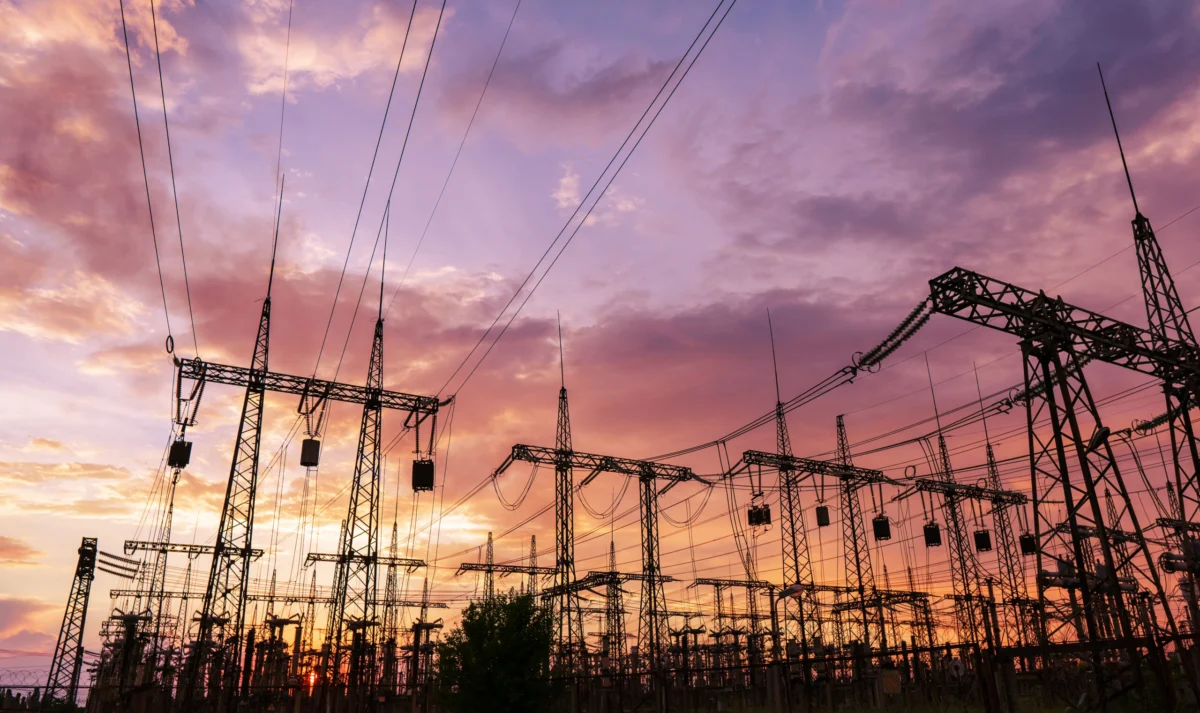
As the insatiable appetite of artificial intelligence continues to drive a massive expansion in global data center capacity, the technology sector is facing an unprecedented energy crisis. Google, one of the primary architects of this AI-driven expansion, has unveiled an ambitious strategy to mitigate the strain its facilities place on regional power grids. By partnering with energy management firm Voltus to create a 1-gigawatt (GW) "virtual power plant" (VPP), the tech giant is attempting to solve a modern infrastructure problem with a digital-first solution.
However, beneath the technical nomenclature of the VPP lies a complex reality: Google is not building power plants; it is building a sophisticated system of demand-side management. By incentivizing industrial and residential energy users to power down during peak demand, Google is effectively "creating" electricity by ensuring it isn’t consumed elsewhere.
Main Facts: The Anatomy of a Virtual Power Plant
At its core, a virtual power plant is an aggregation of distributed energy resources (DERs). Unlike a traditional power plant, which relies on burning coal, natural gas, or utilizing nuclear fission to generate electrons, a VPP is a software-defined coordination layer.
Google’s agreement with Voltus involves a massive-scale expansion of a pilot program launched earlier this year. The 1-gigawatt target is significant—1GW is roughly equivalent to the output of a large-scale nuclear or coal-fired power station. The project will serve the PJM Interconnection, the largest wholesale electricity market in the United States, which manages the grid across 13 states and the District of Columbia, serving approximately 67 million people.
The mechanics of the operation are twofold:
- Industrial Load-Shedding: Large-scale industrial partners are incentivized to pause energy-intensive processes during periods of grid stress.
- Residential Optimization: Through smart thermostats and other connected IoT devices, tens of thousands of homes are nudged to adjust their cooling or heating cycles, shifting energy consumption to off-peak hours.
In essence, Google is positioning itself as a "grid stabilizer," using the Voltus platform to bid these flexible capacities into the PJM market, thereby reducing the need for grid operators to spin up expensive, carbon-intensive "peaker plants" during times of high demand.
Chronology: From Pilot to Gigawatt Scale
The trajectory of this partnership reflects the accelerating urgency of the energy crisis facing hyperscalers.
- Early 2024: Google and Voltus initiate a pilot program targeting 100 megawatts (MW) of flexible capacity within the PJM region. This pilot served as a "proof of concept" to demonstrate that software-based aggregation could reliably respond to grid signals.
- Mid-2024: As data center construction projects in the PJM territory reach critical development phases, energy cost projections for these facilities begin to spike. Internal analysis at Google highlights the necessity of localized demand-side management.
- Late 2024: Following the successful operational integration of the 100MW pilot, Google announces the expansion of the Voltus partnership to reach the 1-gigawatt milestone.
- 2025 and Beyond: The integration is expected to scale, with PJM expected to leverage these resources as a core component of its operational reserves, allowing the grid to handle higher intermittent loads from hyperscalers without risking brownouts.
Supporting Data: The Grid Under Pressure
The necessity of this deal is underscored by the explosive growth of electricity consumption in the technology sector. According to recent industry reports, data center electricity consumption is projected to grow by 26% by 2026. This is not merely a quantitative increase in consumption; it is a structural change in how grids must operate.
The PJM Context
The PJM grid is currently the epicenter of the data center boom. Because of its proximity to major financial hubs and existing infrastructure, northern Virginia and surrounding areas have seen an unprecedented concentration of hyperscale facilities.
| Metric | Impact of AI/Data Centers |
|---|---|
| Projected Load Growth | ~15-25% in high-density areas |
| Peaker Plant Reliance | Increasing as base-load capacity lags |
| Grid Cost Escalation | Utilities passing capital costs to consumers |
| VPP Mitigation Potential | Up to 10% of regional peak demand |
The economic implications are stark. When a hyperscaler adds a new facility, the local utility must often upgrade transmission lines and substations. These capital expenditures are traditionally socialized among all ratepayers, leading to higher electricity bills for residential customers. By reducing the peak load, Google’s VPP seeks to delay or avoid the need for these expensive upgrades.
Official Responses and Strategic Rationale
In its official blog post, Google framed the initiative as a contribution to the "greening" of the grid. By reducing the reliance on fossil-fuel-burning peaker plants, the company argues that it is helping to decarbonize the energy mix.
"Our goal is to ensure that as we grow, we are not just consuming energy, but actively participating in the stabilization of the grid," a spokesperson for Google’s Infrastructure team stated. "The Voltus partnership allows us to tap into distributed resources that were previously dormant, turning passive consumption into an active, flexible asset."
Voltus CEO Gregg Dixon has echoed these sentiments, emphasizing that "the cheapest and cleanest energy is the energy that is never used." From the perspective of the energy aggregator, the deal is a triumph of market efficiency. By turning the consumer into a participant in the wholesale market, Voltus is effectively democratizing the energy sector, allowing households to be paid for their flexibility.
However, critics point out that this is also a convenient PR narrative. By framing the purchase of "demand reduction" as a virtual power plant, Google avoids the scrutiny that would typically accompany the construction of a new power station, while simultaneously insulating its data centers from the volatility of energy spot prices.
Implications: A New Era for Energy Markets
The Google-Voltus deal signals a paradigm shift in the relationship between Big Tech and energy infrastructure.
The Commoditization of Efficiency
We are witnessing the transformation of "demand" into a tradeable commodity. In the past, electricity markets were unidirectional: power plants generated, and users consumed. Today, through the Voltus model, "negawatts"—or saved energy—are being treated with the same financial rigor as generated megawatts.
Implications for the Consumer
For the average resident in the PJM region, the implications are mixed. On the one hand, if this program succeeds, it could prevent the rate hikes associated with grid over-building. On the other hand, it creates a tiered energy system where those with the most "flexible" smart-home technology can benefit from energy incentives, while those without are left to pay the full price for grid stability.
The "Virtual" vs. "Real" Debate
There is a fundamental question regarding the scalability of VPPs. While 1GW is a substantial amount of power, it is not a "base-load" solution. When the sun is not shining or the wind is not blowing, the grid still requires reliable, dispatchable power. A virtual power plant cannot replace a nuclear reactor or a hydroelectric dam; it can only optimize the existing consumption patterns surrounding them.
Critics argue that by focusing on VPPs, Google may be delaying the inevitable necessity of investing in hard, physical infrastructure—such as nuclear small modular reactors (SMRs) or expanded high-voltage transmission—which are essential for the long-term viability of an AI-powered economy.
Corporate Responsibility and Grid Ethics
As Google and other hyperscalers move toward becoming "prosumers" (both producers and consumers of energy), they are essentially becoming shadow utilities. This transition poses questions for regulators: Should a single corporation have the power to influence the energy usage of tens of thousands of households? And what happens to the grid if Google decides to pull its incentives during a market downturn?
Conclusion: A Stop-Gap or a Solution?
The 1-gigawatt virtual power plant initiative is a masterclass in corporate adaptability. It solves an immediate operational problem for Google, offers a compelling PR story about sustainability, and provides a necessary service to the PJM grid.
However, it remains to be seen whether this model is truly scalable. As AI demand continues to outpace energy supply, the limits of "demand-side management" will be tested. Shifting the time of use is a clever way to smooth out peaks, but it does not address the fundamental need for more energy.
For now, Google is betting that if it can coordinate the grid as efficiently as it coordinates the web, it can keep the lights on for its data centers without sparking a full-blown energy revolt. Whether this virtual solution will suffice in the face of a very real, very physical electricity crisis remains the defining question of the AI era.


 Azzam Bilal Chamdy
 Lina Irawan

 Ammar Sabilarrohman

 Asep Darmawan

 Asro

 Layla Zulfa

 Nila Kartika Wati

 Muslim
