
 Nila Kartika Wati
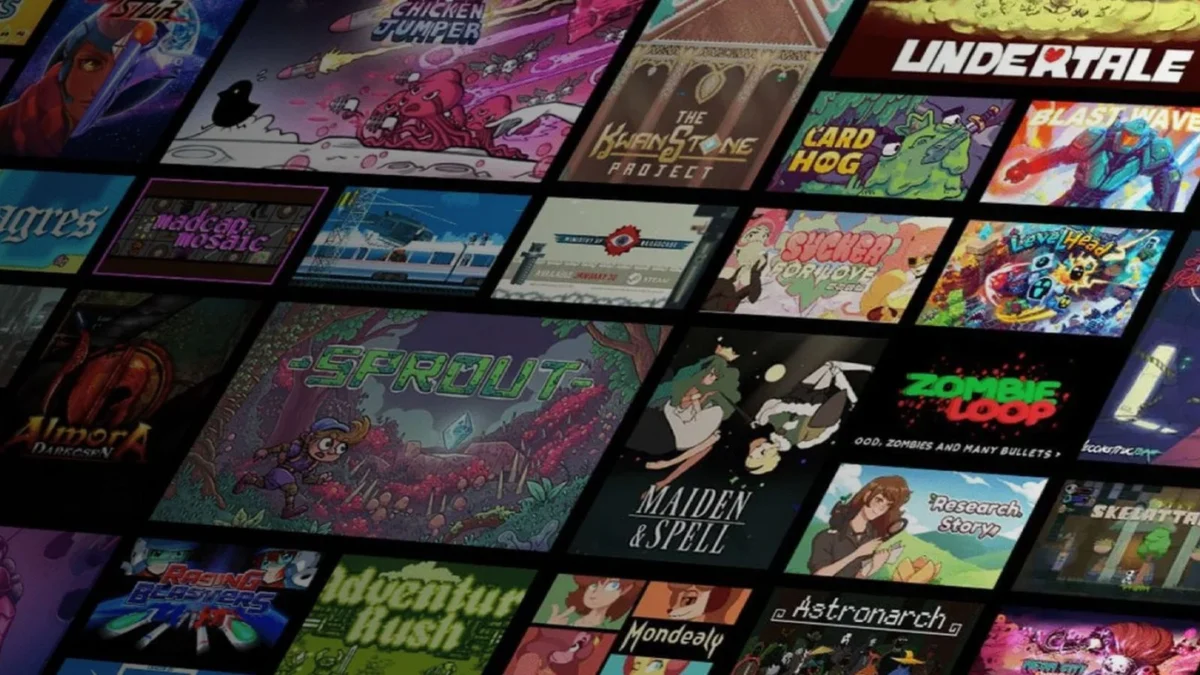
In a monumental shift for the independent game development landscape, GameMaker—the powerhouse engine behind critical darlings like Spelunky, Deltarune, and the recent indie sensation UFO 50—has announced that its next-generation runtime, the GameMaker Runtime (GMRT), will be available for free commercial use starting January 1, 2027.
This strategic pivot effectively removes the financial barrier for aspiring developers looking to monetize their creations. Currently, while the software remains free for non-commercial prototyping and hobbyist projects, developers seeking to publish and sell their games must purchase a "Professional" license—a one-time payment of $99.99. By eliminating this prerequisite, GameMaker is signaling a massive commitment to democratizing game creation, allowing creators to retain more of their revenue while leveraging industry-standard tools.
The Mechanics of the Shift: What is GMRT?
To understand the weight of this announcement, one must first grasp the role of a "runtime" in the game development pipeline. The runtime is essentially the engine’s core infrastructure—the foundational code that interprets a developer’s logic, scripts, and assets, translating them into a functional experience that can be executed on a user’s machine.
Think of it as the "cogs" of the development ecosystem. When a developer finishes a game, the runtime is what allows it to interact with the hardware’s CPU and GPU, manage memory, and handle input-output processes. By making the GMRT free for commercial distribution, GameMaker is essentially offering the "engine" of the business model for free. This allows developers to ship their titles on desktop, mobile, and web platforms, as well as the native GX.games distribution service, without the looming requirement of a paid commercial license.
A Chronology of GameMaker’s Evolution
GameMaker’s journey to this point has been marked by a consistent trajectory toward accessibility. Since its inception as a tool designed to teach students how to program, it has evolved into a formidable industry standard.
- The Early Years: Originally conceived as an educational tool, GameMaker’s visual scripting interface allowed users to bypass complex syntax, focusing instead on logic and game flow.
- The GMS2 Era: The release of GameMaker Studio 2 (GMS2) solidified the platform’s reputation for high-performance 2D development, attracting high-profile indie studios.
- Early 2024: GameMaker announced that it would provide source-code access to the GMRT, allowing developers to peel back the curtain on the engine’s inner workings. This was a significant move toward transparency, enabling developers to optimize their projects at a granular level.
- The Current Roadmap: With GMRT currently in its beta phase, the platform is undergoing a series of rigorous testing and optimization cycles. The period between now and the January 2027 rollout serves as a runway for developers to transition their workflows to this more efficient, open architecture.
Supporting Data: Why This Matters for Indies
The indie game market is notoriously volatile. For a solo developer or a small "micro-studio," a $99.99 entry fee might seem nominal, but it represents an unnecessary hurdle in an industry where margins are razor-thin.
According to industry surveys, the majority of indie projects fail to recoup their development costs. By removing the commercial license fee, GameMaker is lowering the "risk of entry." If a developer spends six months building a game and it only sells a few copies, they no longer have the added stress of having "invested" in a commercial license upfront.
Furthermore, the integration of source-code access across all tiers—including the free tier—is a massive boon for educational institutions and community-led game jams. It allows students to study the engine’s architecture, learn how professional runtimes are built, and contribute to the evolution of the software itself. This creates a cycle of improvement: the community identifies bugs or optimization opportunities, submits them via the open-access model, and the entire ecosystem becomes more robust.
The "Professional" Landscape and Console Exceptions
While the barrier for PC, mobile, and web is vanishing, it is crucial to note that the console market remains a different beast. Publishing on platforms like the Nintendo Switch, PlayStation 5, or Xbox Series X|S requires a different level of licensing and, more importantly, "approved developer" status from the console manufacturers themselves.
GameMaker has clarified that console exports will remain tied to the Enterprise license structure. This is standard industry practice, as console development involves strict NDA-protected SDKs (Software Development Kits) and proprietary hardware requirements that are governed by the console manufacturers rather than the game engine provider. Consequently, the pricing for Enterprise tiers will remain stable, ensuring that the company maintains its revenue stream from large-scale studios while opening the doors wide for the grassroots indie scene.
Implications for the Future of Game Design
This decision puts significant pressure on competing engines. As Unity and Unreal Engine grapple with their own complex licensing structures and "runtime fee" controversies that have dominated headlines in recent years, GameMaker’s move toward a simplified, "free-to-sell" model provides a compelling alternative for developers who prioritize stability and transparent pricing.
The Rise of Low-Code and Visual Programming
The accessibility of GameMaker, combined with its new cost-free commercial model, reinforces the trend of "low-code" development. As generative AI and visual scripting become more integrated into game design, the technical barrier to entry continues to fall. Developers can now focus on the "art" of game design—the "lenses" through which players experience worlds—rather than the "engineering" of the underlying runtime.
Community Contribution and Longevity
By allowing developers to adapt the GMRT to their specific project needs, GameMaker is effectively crowdsourcing the engine’s future. If a developer needs a specific, niche optimization for a unique type of platformer, they can now build it themselves. This creates a "community-driven" development environment where the engine evolves based on the actual needs of the creators in the trenches.
Conclusion: Is it Time to Pivot to GameMaker?
For those currently sitting on the fence, the roadmap provided by GameMaker offers a clear path forward. The next two years are essentially a "transition period." Developers currently using the existing GMS2 runtime can continue to do so and maintain their ability to sell games, but the future clearly lies with GMRT.
The integration of source-code access and the upcoming removal of commercial fees make GameMaker a highly attractive option for:
- Students and Educators: The ability to see under the hood of a professional-grade engine is invaluable for the next generation of coders.
- Solo Indie Developers: The reduction of financial friction allows creators to focus on shipping their vision rather than managing license overheads.
- Prototypers: The ability to move from a "fun idea" to a "shippable product" without changing software environments is a massive advantage for speed-to-market.
As we look toward 2027, the game development world is set to become a little more open, a little more collaborative, and, hopefully, home to an even greater variety of creative voices. GameMaker is not just selling a tool; they are investing in the ecosystem that keeps the indie scene vibrant. Whether you are a veteran developer or a newcomer looking to build your first game, the message is clear: the tools are ready, the costs are falling, and the only thing left to do is create.
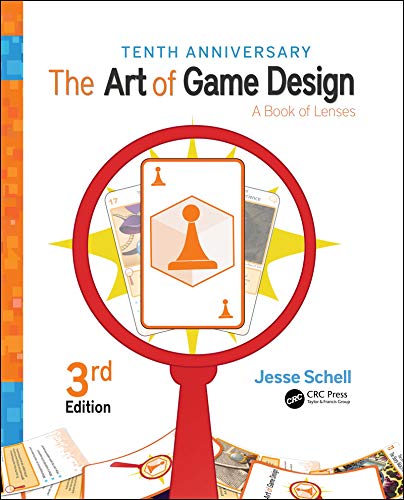
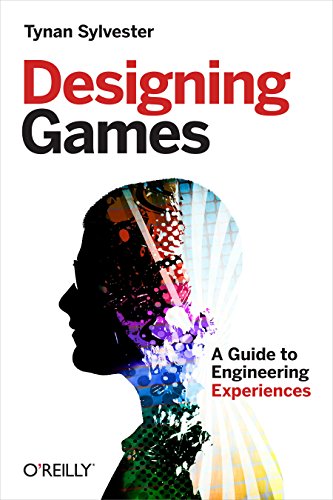
For those looking to deepen their knowledge, we recommend exploring essential literature on game design, such as Jesse Schell’s "The Art of Game Design: A Book of Lenses," which provides the theoretical framework needed to turn these powerful technical tools into compelling player experiences.

 Sagoh
 Asep Darmawan

 Raul Delapena Setiawan

 Reynand Wu



 Azzam Bilal Chamdy

 Ali Ikhwan
