
 Siti Muinah
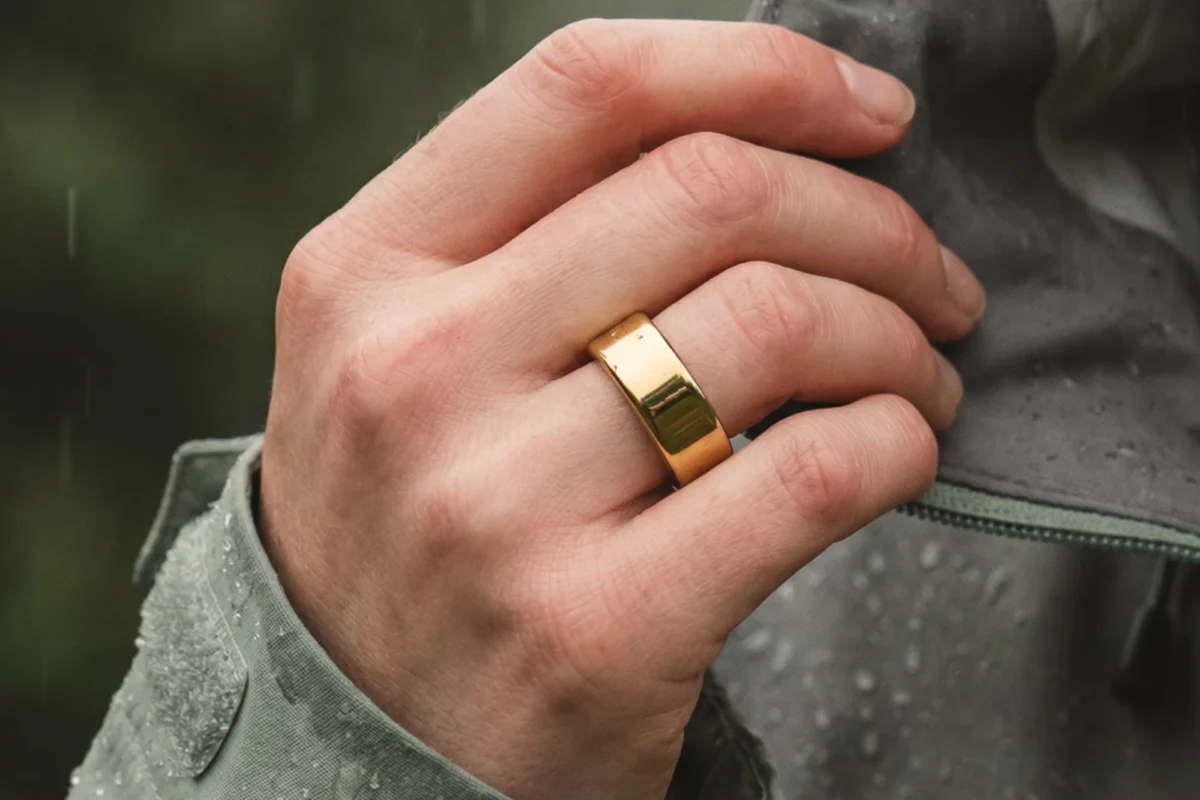
The burgeoning smart ring sector, once a niche corner of the wearable technology market, has transformed into a high-stakes legal battlefield. Oura Health, the Finnish pioneer that effectively defined the category, has launched a fresh legal offensive against its Indian rival, Ultrahuman. In a lawsuit filed in a Texas federal court this past Thursday, Oura is seeking to block the U.S. sales of the Ultrahuman Ring Pro, alleging that the device infringes upon two of its core patents related to hardware design and internal sensor architecture.
This latest development marks a significant escalation in a long-standing rivalry. It comes only months after the Bengaluru-based startup successfully navigated an import ban that had previously crippled its operations in the United States, positioning the Ring Pro as its primary vehicle for domestic growth.
The Core Allegations: Patent Protection or Market Monopoly?
At the heart of Oura’s complaint are two specific patents: D804,471 and 12,769,363. The latter, notably, was issued to Oura by the U.S. Patent and Trademark Office on October 20, just 48 hours before the lawsuit was filed. This timing has drawn scrutiny from industry observers, as the patent covers a specific arrangement of internal components—including a curved battery, circuit board, magnets, and sensors—that essentially describes the modern architecture of a slimline smart ring.
Oura’s legal team argues that while Ultrahuman’s redesign of the Ring Pro was intended to bypass previous regulatory hurdles, it failed to address the underlying intellectual property concerns. An Oura spokesperson stated, "Ultrahuman has a history of copying Oura’s innovations, as demonstrated by the 2025 ITC ruling against the company. Ultrahuman introduced a redesigned ring but failed to address continued infringement of Oura’s patents, seeking instead to capitalize on our innovation and the market leadership we have built."
In a tactical move to widen the scope of the litigation, Oura has also named SVTronics, a Texas-based electronics manufacturer, as a defendant. The lawsuit alleges that SVTronics manufactures the Ring Pro at a facility in Plano, Texas, under the direct control of Ultrahuman, making both entities complicit in the alleged infringement.
A Chronology of Conflict
The tension between Oura and Ultrahuman is not a new phenomenon; it is the latest chapter in a multi-year saga of intellectual property disputes.
- 2023: Oura initiates legal action against Ultrahuman regarding the Ring Air, claiming patent infringement that threatens its market dominance.
- August 2024: Following a formal complaint to the U.S. International Trade Commission (ITC), an import ban is imposed on the Ultrahuman Ring Air, effectively ejecting the startup from the U.S. market.
- February 2026: Ultrahuman unveils the redesigned Ring Pro, a product engineered to meet the technical standards required to circumvent existing patent claims.
- March 2026: U.S. Customs and Border Protection issues a favorable ruling, allowing the Ring Pro to enter the U.S. market and signaling a triumphant return for the Bengaluru firm.
- October 2026: Oura files a new federal lawsuit in Texas, targeting the Ring Pro and naming domestic manufacturer SVTronics as a co-defendant, citing two new patents.
The Broader Landscape: Oura’s Aggressive Legal Strategy
Oura’s legal department has been exceptionally active, casting a wide net across the wearable tech industry. The company has pursued litigation or licensing agreements with a significant portion of its competitors, including Samsung, RingConn, Circular, and Zepp Health.
This "litigation-first" approach has yielded mixed but largely successful results for Oura. For instance, both RingConn and Circular opted to avoid protracted court battles by entering into multi-year licensing agreements. Under these deals, the rivals pay undisclosed royalties to Oura, essentially compensating the incumbent for the right to continue operating in the U.S. market.
However, the case against Samsung—a tech giant with a formidable legal arsenal—remains a different beast. Analysts suggest that Oura’s willingness to challenge global conglomerates, while simultaneously targeting agile startups like Ultrahuman, reflects a desperate need to defend its "moat" as the smart ring market approaches a period of hyper-growth.
Official Responses and Corporate Strategy
Ultrahuman CEO Mohit Kumar has remained defiant in the face of the new lawsuit. "Oura has now chosen to assert different patents, including one that issued just two days before this lawsuit was filed," Kumar told TechCrunch. "We will address these claims through the appropriate legal process and will defend our position vigorously. There is no court order affecting Ring Pro, and it remains available to customers in the U.S."
For Ultrahuman, the stakes could not be higher. In September, the company successfully raised $70 million in a funding round led by Qualcomm Ventures and Labcorp, valuing the business at approximately $365 million. This capital is earmarked for ambitious R&D projects, including a partnership with Qualcomm to transform smart rings into miniature computers capable of AI-driven interactions and complex gaming. A successful injunction by Oura would not only hit revenue but could potentially spook investors who are betting on Ultrahuman’s ability to scale in the West.
Conversely, Oura is also navigating a difficult period. The company recently made headlines for shelving its highly anticipated $2.2 billion IPO, citing "uncertainty in the market." This retreat from the public markets, coupled with the aggressive pursuit of patent royalties, suggests that Oura is looking to secure its revenue streams through legal channels while it continues to iterate on its own hardware and software features, such as its recently introduced cardiovascular health tracking metrics.
Industry Implications: Innovation vs. Litigation
The growth trajectory of the smart ring industry is undeniable. According to data from the International Data Corporation (IDC), global shipments of smart rings are expected to rise by 12.8% this year, reaching 4.9 million units. By 2030, this figure is projected to hit 6.3 million.
As the market expands, the definition of "original innovation" is being tested. Startups argue that Oura is weaponizing the patent system to create an artificial monopoly, preventing competition and limiting consumer choice. Oura, meanwhile, maintains that it is merely protecting the heavy R&D investments that created the category in the first place.
The outcome of this Texas lawsuit will likely set a precedent for how future smart ring disputes are handled. If Oura successfully wins an injunction against the Ring Pro, it will confirm that even "redesigned" hardware may be subject to the broad reach of Oura’s patent portfolio. If Ultrahuman manages to prevail, it could embolden other competitors to push back against the Finnish giant, potentially leading to a more fractured, albeit more competitive, marketplace.
For the consumer, the battle is largely invisible—a background noise of legal filings and corporate maneuvering. However, should these companies become locked in a cycle of injunctions and counter-suits, the pace of innovation could slow. The ability of companies like Ultrahuman to integrate AI and advanced sensor arrays into the form factor of a ring depends entirely on their ability to operate freely in the U.S. market.
As the legal teams prepare for their day in court, the rest of the wearable industry is watching closely. Whether this serves as a final consolidation of Oura’s dominance or the beginning of a more open, litigious era for the smart ring remains to be seen. One thing is certain: in the world of high-tech wearables, the most important hardware isn’t the ring on your finger—it’s the patent on the wall.


 Reynand Wu

 Sagoh

 Raul Delapena Setiawan


 Azzam Bilal Chamdy

 Ali Ikhwan
