
 Muslim
In a move that signals a significant shift in the digital distribution of video games, Microsoft has officially initiated the testing phase for "Cloud Playtime"—a new a la carte purchasing model for Xbox Cloud Gaming. Following the company’s decision in September to impose stricter limitations on the "all-you-can-stream" buffet previously enjoyed by Game Pass Ultimate subscribers, this new initiative targets non-subscribers, offering them the ability to purchase specific blocks of streaming time to access games they already own.
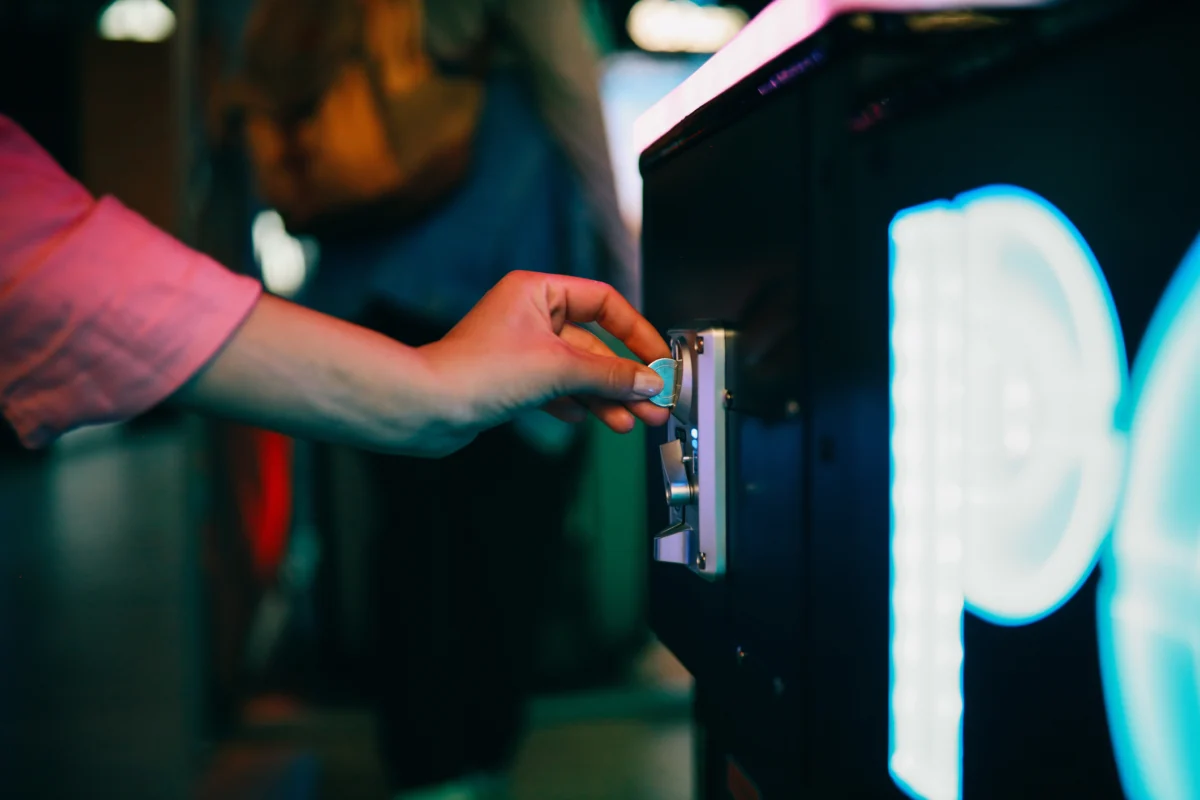
The program, which is currently rolling out to Xbox Insiders, marks a departure from the industry’s recent push toward all-inclusive subscription models. By requiring users to purchase both the game and the streaming time, Microsoft is effectively reviving the metered-usage model—a concept that has been largely dormant since the decline of the 20th-century arcade era.
The Mechanics of the New Model
The premise of Cloud Playtime is straightforward but creates a layered cost structure that has already sparked debate among industry analysts and consumers alike. Under the current "introductory launch pricing" for Xbox Insiders, users can purchase time blocks that are stored on their accounts and consumed only while actively streaming.
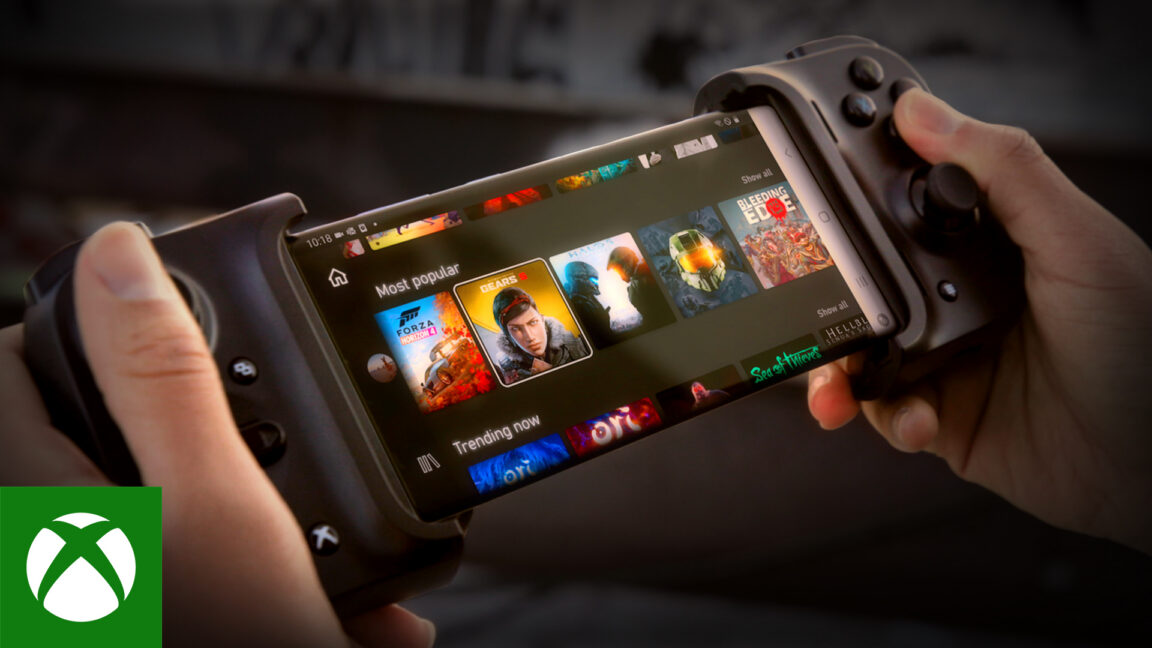
Crucially, Microsoft has emphasized that these purchases do not expire. Unlike a subscription, which resets every month regardless of usage, these "Cloud Playtime" packs remain available until the purchased hours are fully exhausted. This "perpetual inventory" model is designed to appeal to casual gamers or those who lack the high-end hardware necessary to play modern, resource-intensive titles locally, allowing them to access their own libraries via the cloud without committing to a recurring monthly fee.
However, the barrier to entry remains significant. To utilize the service, a user must possess a valid, cloud-playable license for a game—or access to a free-to-play title—and then pay an additional fee to stream it. This "double-dip" structure is the primary point of contention, as it forces users to pay twice: once for the software and again for the privilege of accessing that software via Microsoft’s server infrastructure.
A Chronology of the Shift
To understand how we arrived at this "pay-per-minute" era, one must look at the recent evolution of Microsoft’s cloud strategy.
- 2020-2023: The Subscription-First Era: Following the launch of Xbox Cloud Gaming (formerly Project xCloud), Microsoft integrated streaming as a "value-add" feature within the Game Pass Ultimate subscription. The goal was to build a robust user base and normalize the concept of streaming as a standard utility, much like Netflix or Spotify.
- September 2026: The Throttling Phase: Facing rising server costs and a need to optimize data center load, Microsoft implemented strict time limits on streaming access for Game Pass users. This move was the first indication that the "unlimited" dream was becoming fiscally unsustainable for the tech giant.
- October 2026: The Introduction of A La Carte Access: Microsoft officially announced the Cloud Playtime pilot for Xbox Insiders, framing it as an alternative for players who do not want to maintain a constant subscription but still desire the flexibility of cloud gaming.
- Present Day: The program is currently undergoing stress testing, with user feedback likely to dictate the pricing tiers and technical requirements before a wider public rollout.
The Economics of the "Arcade Tax"
The optics of this model are striking. For those who grew up in the 1980s and 90s, the "metered play" model is inextricably linked to the local arcade, where a player would insert quarters into a cabinet to gain minutes of gameplay. However, there is a fundamental economic difference between then and now: in the arcade, the "purchase" of the game was built into the machine. You paid for the experience at the point of interaction.
In Microsoft’s new model, the user has already paid full retail price—often $60 to $70—for the software. By requiring a secondary payment for the cloud infrastructure, Microsoft is essentially asking users to pay for the "delivery" of a product they already own.
Data and Value Analysis
When breaking down the costs, the pricing appears competitive on an hourly basis, often dipping as low as 24 cents per hour. For a user who only plays a few hours a month, this is objectively cheaper than a $17-per-month Game Pass Ultimate subscription. However, for a power user, the costs can quickly spiral.
If a player averages two hours of gaming per day, they would consume roughly 60 hours of cloud time per month. Depending on the size of the block purchased, the cost could quickly exceed the price of a monthly subscription. Microsoft’s model, therefore, creates a "tipping point" where the user is financially incentivized to switch to a subscription—or to move back to local hardware.
Official Responses and Strategic Intent
Microsoft has defended this move by highlighting the immense cost of maintaining high-performance cloud servers. "Our goal is to provide flexibility," a company representative stated during the announcement. "By decoupling streaming access from the broader subscription service, we are allowing our players to choose exactly how they want to engage with their games, whether that’s a one-time purchase or a recurring monthly plan."
The company is also careful to distinguish itself from the ghost of Google Stadia. When Google launched Stadia, it required users to purchase games on a platform that—if the service shut down—offered no way to play those games locally. Microsoft’s approach is fundamentally different because the games purchased are owned on the Xbox platform. If the Cloud Playtime service were to be discontinued, the player would still retain their license, which can be played on an Xbox console or a Windows PC.
The Broader Implications for Gaming
The introduction of Cloud Playtime has profound implications for the future of the industry:
1. The Decline of "All-You-Can-Eat"
The industry is reaching a saturation point with subscription services. As costs rise and the library of "must-play" titles becomes increasingly fragmented across different publishers, the "Netflix for games" model is under immense pressure. Metered cloud access might be the first step in a broader trend of "usage-based" digital goods, where consumers pay only for what they consume.
2. The Hardware-Agnostic Push
Microsoft is betting that a significant portion of their audience does not want to buy an expensive console. By lowering the barrier to entry—even if that entry is metered—Microsoft can reach a wider demographic. This is particularly relevant in markets with lower console penetration but high smartphone and tablet usage.
3. The Digital Ownership Debate
This initiative reignites the debate regarding what "owning" a digital game truly means. If a user buys a game but cannot access it without a recurring internet connection and an additional payment for streaming time, does the concept of ownership become obsolete? Critics argue that this creates a "pay-to-play" barrier that feels antithetical to the spirit of software ownership.
4. Competitive Dynamics
If Microsoft’s experiment succeeds, competitors like Sony (with their PlayStation Plus Premium streaming) and NVIDIA (with GeForce Now) may be forced to adjust their own models. If Microsoft proves that users are willing to pay for "streaming minutes," it could set a new industry standard that shifts the burden of cloud infrastructure costs directly onto the consumer.
Conclusion: A Double-Edged Sword
The rollout of Cloud Playtime represents a strategic pivot for Microsoft, one that prioritizes the sustainability of its cloud infrastructure over the convenience of a flat-rate subscription. While it offers a low-cost, low-commitment entry point for occasional gamers, it also introduces a new "tax" on digital ownership that will likely leave many long-term fans feeling uneasy.
As the industry watches this pilot program unfold, the central question remains: are gamers willing to accept the arcade-style "metered" future, or will they push back against the concept of paying twice for the same experience? For now, the meter is running, and the gaming world is watching closely to see if this represents a revolutionary shift in accessibility or the beginning of a costly new era for players everywhere.


 Reynand Wu

 Sagoh

 Raul Delapena Setiawan


 Azzam Bilal Chamdy

 Ali Ikhwan
