
 Sagoh
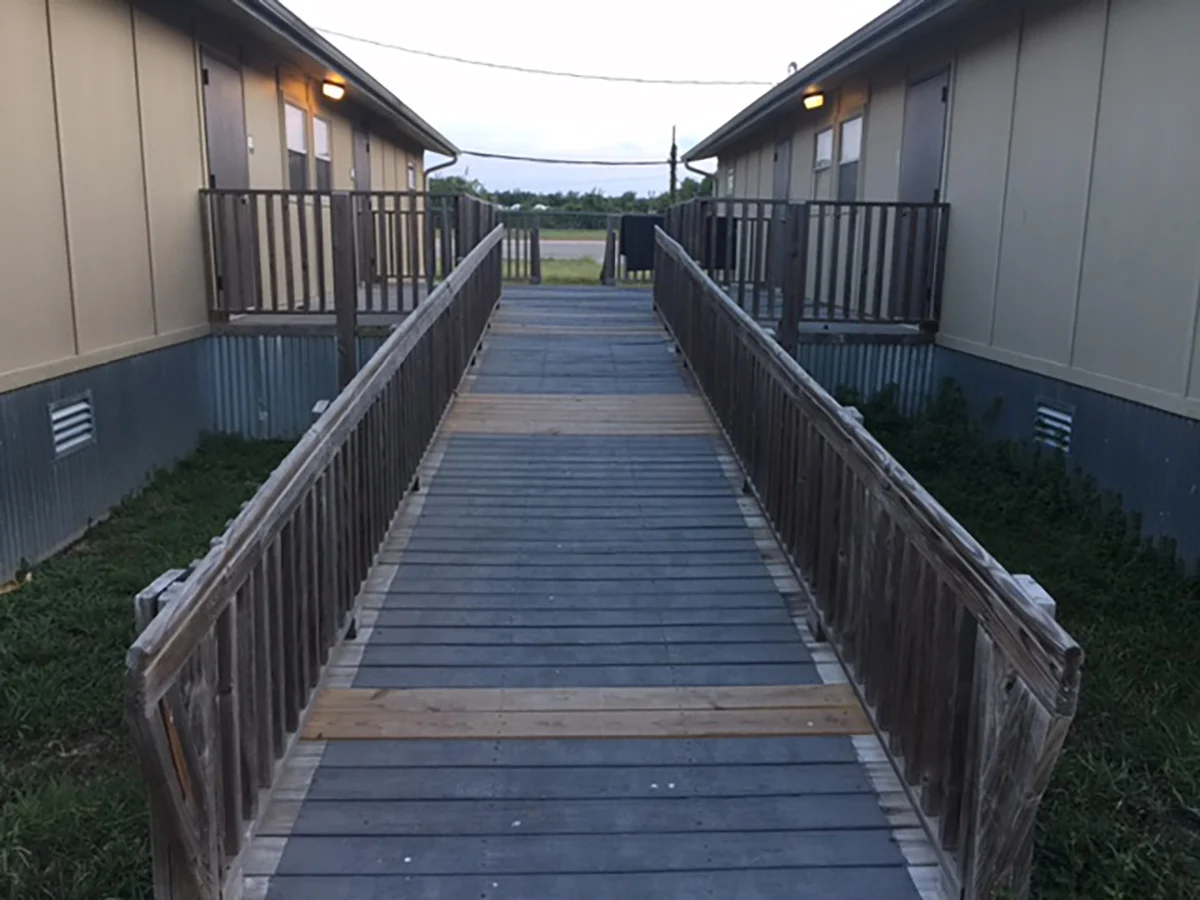
On July 22, 2015, Jorge Meave officially took the helm as the director of the Del Valle Independent School District’s Disciplinary Alternative Education Program (DAEP). But he didn’t wait for his contract to start. Weeks before his first official day, Meave walked onto the campus, driven by a singular, urgent realization: if he waited for the academic calendar to dictate his arrival, the mission would be lost before the first bell even rang.
In Texas, a DAEP is the final destination for students deemed unfit for the traditional classroom. Governed by Chapter 37 of the Texas Education Code, these facilities serve as the state’s answer to behavioral infractions, ranging from mandatory placements for serious offenses to discretionary ones for incidents as fleeting as a 90-second scuffle. For students, this placement is rarely just a temporary detour; it is often a catastrophic disruption to their education. A 45-day placement at the start of a semester means missing the vital first six weeks of school—the period where social bonds are forged, classroom routines are established, and the foundational pillars of learning are cemented.
When these students finally return to their home campuses, they are often treated as strangers or pariahs. Some never catch up, languishing in a cycle of displacement that can last an entire academic year or bleed into the next. As Meave noted, the system is fundamentally lopsided: “The offense determines the category. The administrator determines the length. The child absorbs the cost.”
The Anatomy of Failure: A Campus in Crisis
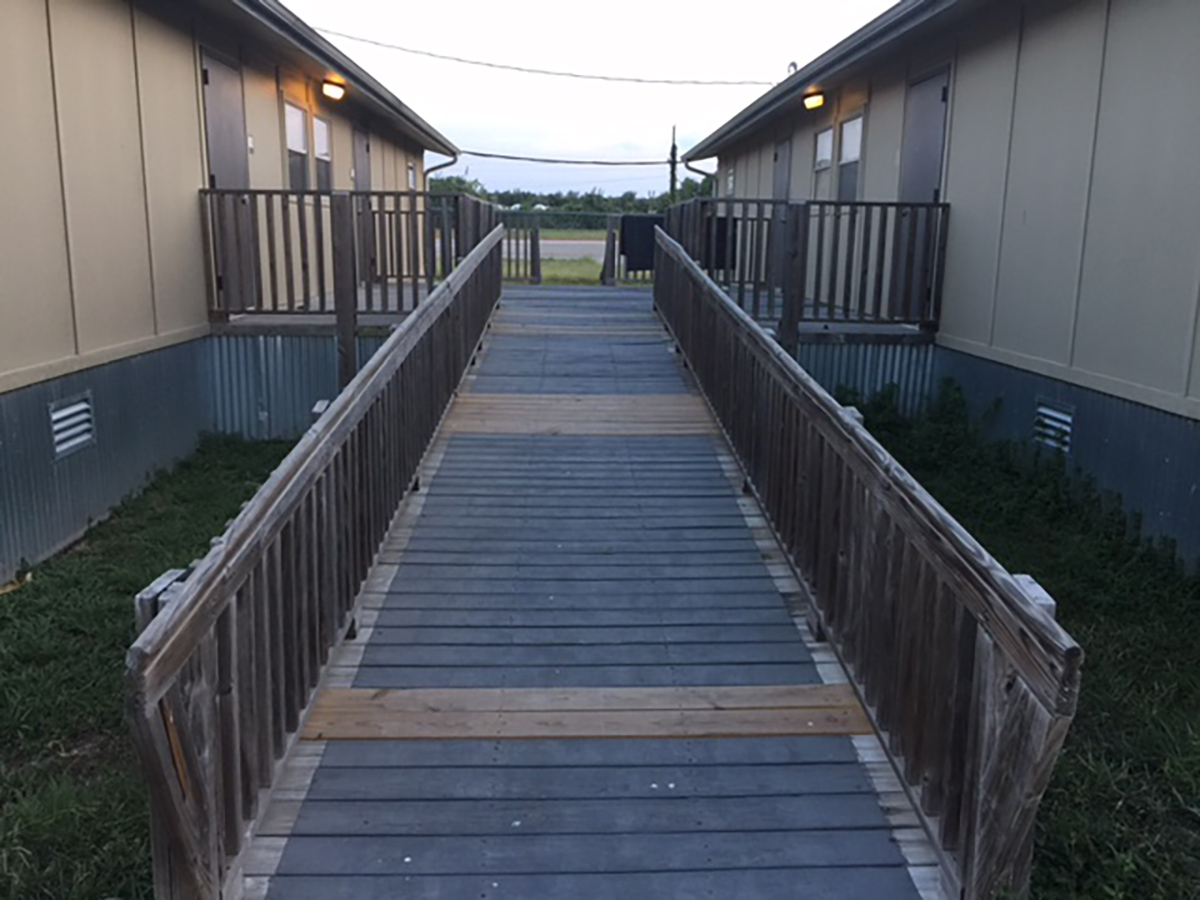
When Meave arrived at the Del Valle DAEP, he wasn’t greeted by a school; he was greeted by a warehouse. The physical and pedagogical state of the facility provided a grim indictment of the status quo.
Instead of robust lesson plans, students were handed packets of photocopied busywork—content that was neither engaging nor adapted for students in crisis. Special education students, who required the most nuanced and individualized support, were relegated to the care of first-year teachers lacking the necessary experience to handle complex learning needs. Administrative processes were archaic, relying on Word documents and manual data entry rather than modern, efficient systems.
The infrastructure was equally neglected. Textbooks were outdated, ceiling tiles hung in disrepair, and elective courses—subjects that thrive on hands-on engagement like auto mechanics or computer training—had been reduced to dry, theoretical packets. Perhaps most telling was the state of the campus’s clothing closet. It was nearly empty, reflecting a lack of basic dignity afforded to the students.
“I had to ask for a washer and a dryer,” Meave recalls, noting that he faced bureaucratic hurdles that had never been challenged before. “Because a child who comes to school in dirty clothes is not ready to learn. They are carrying shame. We were not going to let shame win.”
Chronology of Transformation: From Silence to Community
The environment Meave inherited was one of "psychological cruelty." The previous regime operated on a model of isolation: students arrived, underwent searches, grabbed breakfast, and were immediately sequestered into individual cubicles. They sat in silence, physically and socially cut off from their peers and instructors, often never having their names spoken by an adult for the duration of the day.
Meave’s strategy for change was not rooted in high-tech solutions or expensive curriculum packages, but in the radical concept of humanizing the school day.
Phase 1: The Cultural Shift (2015-2016)
Meave began by overhauling the morning ritual. While safety remained non-negotiable, the spirit of the security measures shifted. Teachers were stationed strategically to greet every student with a familiar face. Inside the classrooms, cubicles were dismantled. The rooms were opened before the first bell, offering students a space to eat, access technology, and engage in normal social interaction. The goal was to mimic the experience of a standard, healthy school environment.
Phase 2: Targeted Investment (2017-2018)
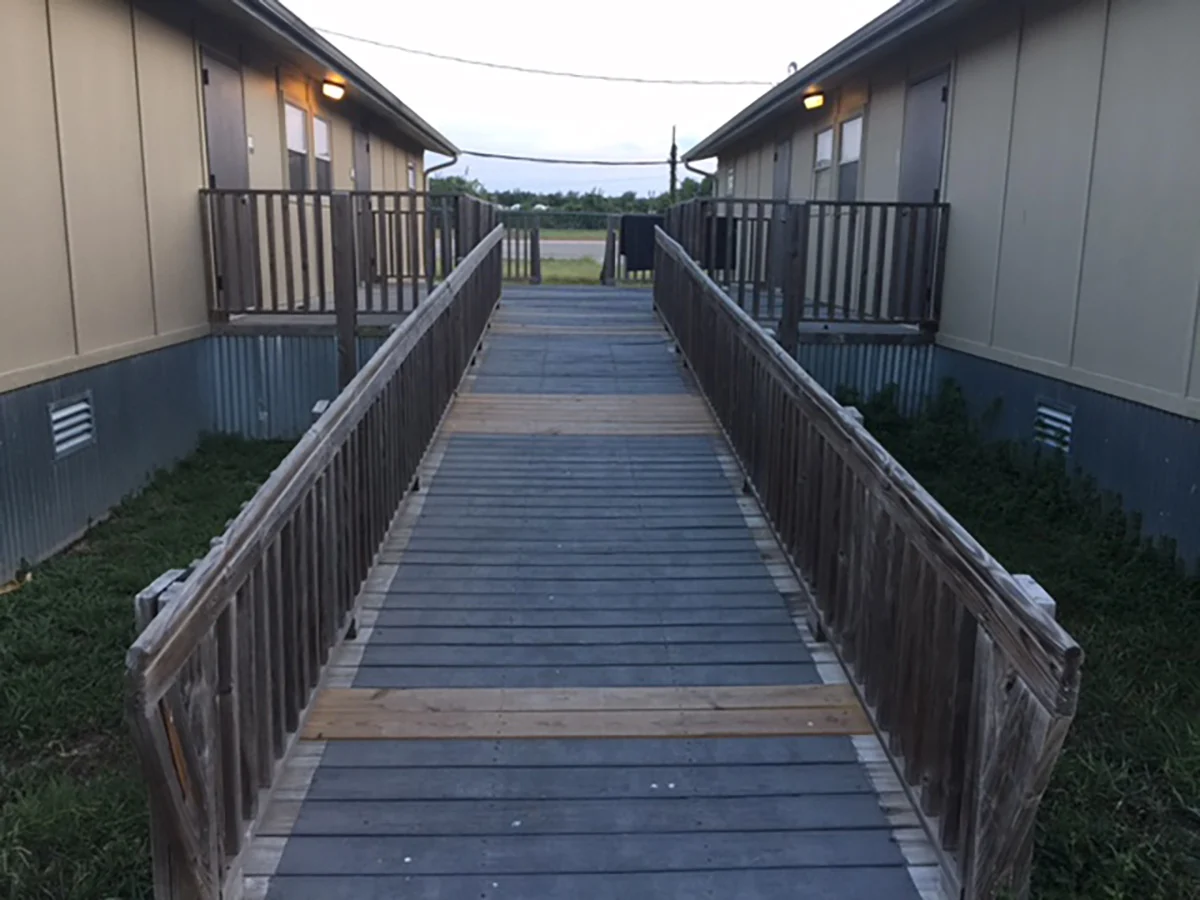
As the program matured, the district’s bilingual director secured funding for a leveled library, ensuring students had access to books that met them at their actual reading levels rather than the arbitrary standards set by the state. Crucially, Meave introduced "safe rooms"—portable structures where students in crisis could retreat, decompress, and work through their emotions with support rather than facing an automatic disciplinary referral.
Phase 3: The Human Element
Perhaps the most significant change was in hiring. Meave sought out educators who shared the lived experiences of his students—those who had grown up in similar neighborhoods and understood the systemic pressures of being told they did not belong. While this led to initial turnover as some teachers struggled with the culture shock, the resulting staff was one capable of providing a depth of patience and empathy that no certification could replicate.
Data and Disruption: The Results of Restorative Discipline
The impact of this pivot toward restorative discipline was tangible. In the years following Meave’s changes, the campus saw a 45 percent reduction in disciplinary incidents. The Travis County sheriff’s deputy, who once patrolled the halls almost daily, eventually noted that they hadn’t been called to the campus in months.
The data, however, only tells half the story. The true success was found in student engagement. Children who had previously been "written off" by the system began to express a desire to stay, finding for the first time that they were valued participants in a learning community rather than inmates in a holding cell.

One particular student, who had previously assaulted an assistant principal and was labeled as "seriously emotionally disturbed," serves as the ultimate case study. By refusing to warehouse him and instead providing the resources and human support he had been denied throughout his life, the school was able to foster a different outcome. This wasn’t "soft" discipline; it was the hardest, most demanding work the staff had ever undertaken.
Implications for the Texas Education System
The investigation conducted by the Hechinger Report and the Texas Tribune recently exposed the grim reality that many Texas DAEPs continue to function as "jail-like" campuses. These reports have sparked a necessary debate about the efficacy of disciplinary placement.
However, Meave’s tenure at Del Valle provides a necessary counter-narrative. It proves that the "warehouse" model is a choice, not an inevitability. The implications for policymakers are clear:
- Funding Matters: Resources should be shifted from policing and security toward mental health services, literacy support, and vocational training.
- Staffing Strategy: Schools must recruit and retain educators who can build authentic, empathetic relationships with students from marginalized backgrounds.
- Redefining Discipline: Policy must move away from exclusionary practices that treat students as liabilities and toward models that view them as human beings in need of intervention.
Conclusion: The Worth of the Fight
Reflecting on his 27-year career, Jorge Meave sees his own journey mirrored in his students. Having grown up on the road and earned his degrees as an adult, he understands the quiet, persistent message that society sends to children in vulnerable positions—that they do not belong.
The transformation of the Del Valle DAEP was not the result of a massive budget increase or a new piece of state legislation. It was a declaration that the adults in the room had decided, once and for all, that the children in front of them were worth the fight.
As the state of Texas continues to grapple with the ethics of its disciplinary practices, the Del Valle model stands as a challenge to every school administrator in the state. It poses a simple, uncomfortable question: Are we running schools, or are we running warehouses? The difference, as Meave proves, lies not in policy, but in the courage to treat every student as if their future depends on it—because it does.

 Nana Muazin
 Layla Zulfa

 Raul Delapena Setiawan

 Reynand Wu



 Azzam Bilal Chamdy

 Ali Ikhwan
