
 Dwi Wanna
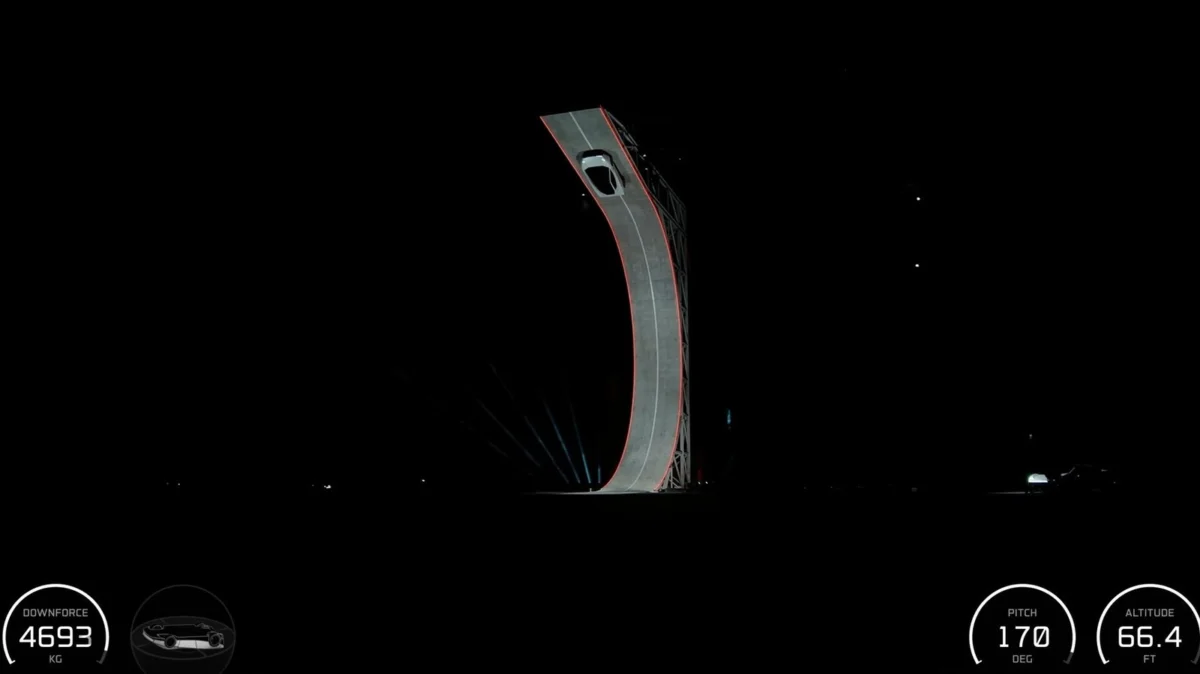
The automotive world has long been defined by the laws of physics, but Tesla’s recent unveiling of its next-generation Roadster suggests that Elon Musk is intent on rewriting the rulebook. In a presentation that felt more like a high-budget action film than a traditional vehicle launch, Tesla demonstrated the extreme capabilities of its upcoming supercar, featuring maneuvers that included vertical ramp climbs, mid-air barrel rolls, and gravity-defying hovering. By integrating SpaceX-derived cold-gas thruster technology, the new Roadster is positioning itself not just as a vehicle, but as a terrestrial craft capable of unprecedented performance.
The Main Facts: A New Paradigm for Performance
The headline feature of the next-gen Roadster is its optional "SpaceX Package," which integrates cold-gas thrusters—the same technology used to stabilize Falcon 9 rockets—directly into the chassis. These thrusters provide the vehicle with the ability to overcome standard friction and gravity limitations.
During the launch event, Tesla showcased three primary stunt categories that highlight the vehicle’s capabilities:
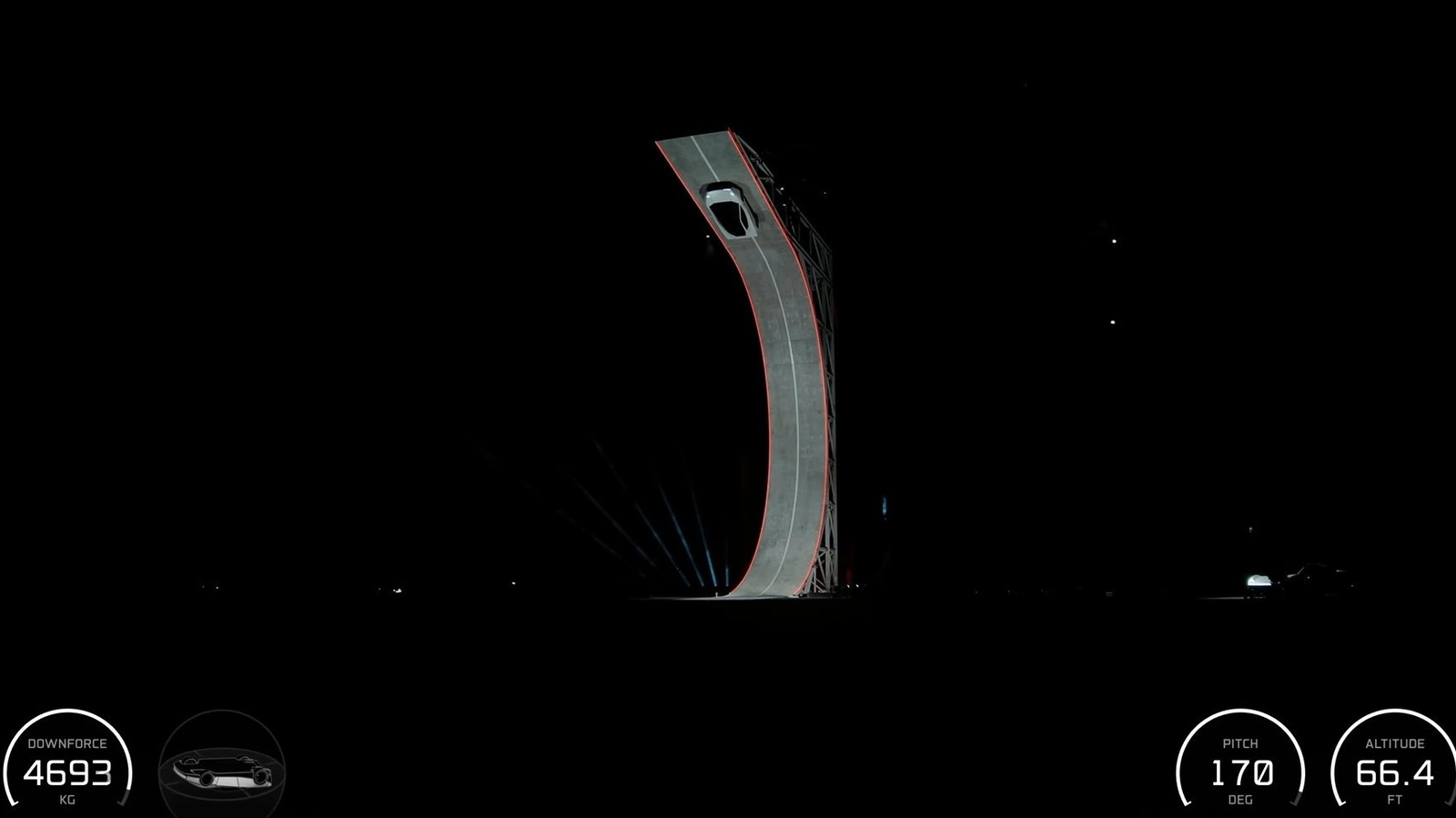
- Vertical Ramp Adhesion: Using proprietary suction technology, the Roadster successfully navigated a C-shaped ramp, coming to a complete stop while hanging perpendicular to the ground, effectively defying gravity.
- Aerial Maneuverability: The vehicle demonstrated the ability to jump from a stationary position, complete a mid-air rotation (flip), and stabilize itself before touchdown.
- Obstacle Clearance: In a display of raw power and precision, the Roadster performed a series of jumps over a lineup of parked Tesla vehicles, proving that the suspension and thruster combination is designed for dynamic, high-impact environments.
The barrier to entry for this technology is significant. While a standard base model reservation requires a $5,000 initial deposit followed by a $45,000 payment within 10 days, the "SpaceX Package" variant, which includes the thrusters and suction capabilities, commands a $250,000 reservation fee. Furthermore, the most advanced iteration—the "hover-capable" variant—is strictly limited to invite-only status, suggesting that Tesla views this not as a mass-market car, but as a bespoke aerospace-grade machine.
Chronology: From Concept to Gravity-Defying Reality
The journey to this moment has been characterized by years of anticipation and iterative design.
2017 – The Initial Tease: When the next-gen Roadster was first announced, Musk teased the inclusion of "rocket tech." At the time, industry analysts were skeptical, viewing it as a marketing hyperbole rather than a literal engineering goal.
2024 – Engineering Integration: Reports surfaced confirming that Tesla had been collaborating with SpaceX engineers to miniaturize cold-gas thrusters for automotive use. The primary challenge was integrating the high-pressure vessels into the car’s existing monocoque frame without compromising safety or interior space.
October 16, 2026 – The Reveal: The official launch event served as the definitive proof-of-concept. The choreography was precise:
- The Ascent: The car drove up a C-shaped ramp twice, demonstrating its "suction" grip.
- The Apex: The car halted, inverted, and held its position, confirming the effectiveness of the magnetic or pneumatic suction systems.
- The Jump: Following the ramp demonstration, the vehicle cleared a series of parked cars, showcasing its burst acceleration and aerial stability.
- The Finale: A final, dramatic stationary flip provided a glimpse into the future of electric vehicle propulsion, blending traditional automotive engineering with rocketry.
Supporting Data: The Physics of Thrusters
The integration of cold-gas thrusters into a road-legal vehicle is an unprecedented engineering feat. Traditional vehicles rely on tire-to-road friction for all movement—acceleration, braking, and cornering. The Roadster, however, adds a "vectoring" component.
Cold-gas thrusters operate by releasing compressed air (or nitrogen) through a nozzle, creating a high-velocity jet. While the thrust-to-weight ratio of a car is significantly different from a rocket, the Roadster utilizes these bursts to enhance grip during cornering, stabilize the vehicle during jumps, and provide additional downforce.
According to preliminary specifications leaked during the event:
- Thruster System: Compressed air stored in a carbon-fiber pressure vessel.
- Deployment: Integrated into the rear of the vehicle, with secondary nozzles possibly located in the wheel wells for lateral stabilization.
- Energy Efficiency: The system is electronically controlled by the vehicle’s central computer, which monitors chassis orientation 1,000 times per second to adjust thrust output, ensuring that the car lands safely after aerial maneuvers.
Official Responses and Industry Reception
The reaction from the automotive community has been polarized between awe and regulatory concern. Tesla’s official social media channels, including a pithy post stating, "Real life, baby," reflected the company’s "move fast and break things" ethos.
However, industry experts have raised questions regarding the safety certification of such a vehicle. The National Highway Traffic Safety Administration (NHTSA) and other global regulatory bodies have yet to weigh in on whether a car capable of jumping or hovering meets the standards for public road usage.
"The engineering is undeniably brilliant," says Dr. Aris Thorne, a senior researcher in aerospace dynamics. "But moving from a controlled, closed-course stunt show to a public road is a gargantuan leap. How does the vehicle account for pedestrians? How is the thrust managed to prevent the car from damaging the road surface? These are questions that Tesla has yet to answer."
Implications: The Future of Electric Mobility
The Roadster stunt show represents more than just a marketing gimmick; it signals a fundamental shift in how Tesla approaches performance. By merging SpaceX and Tesla, the company is effectively creating a new vehicle category: the "Aero-Car."
1. Market Segmentation
Tesla is clearly pivoting toward a tiered product strategy. By keeping the "hover" model as an invite-only exclusive, Tesla is fostering a culture of exclusivity similar to the hypercar market (e.g., Bugatti or Pagani). This protects the brand’s reputation while allowing them to refine the experimental technology with a smaller, curated group of drivers.
2. Technological Spillovers
The technology developed for the Roadster will likely trickle down to the rest of the Tesla fleet. If the company can master low-pressure thrust for stability, it could revolutionize the safety of future, more affordable Tesla models. Imagine an electric sedan that uses micro-thrusters to prevent a rollover during a high-speed emergency maneuver.
3. Regulatory and Legal Challenges
The most significant hurdle remains the legal environment. Roads are built for cars that roll; they are not designed for cars that jump. If Tesla intends to put this vehicle on the road, they will face years of lobbying to update vehicle safety codes. Critics argue that the Roadster could be the first of a new wave of "personal flight-adjacent" vehicles that will force governments to overhaul transport laws entirely.
Conclusion: A New Frontier
Tesla’s Roadster stunt show was a masterclass in branding and a bold declaration of intent. While it remains to be seen how many of these features will make it into the final production model for the average consumer, the message is clear: the era of the conventional car is coming to an end.
As the lines between aerospace engineering and automotive design continue to blur, Tesla is positioning itself at the vanguard of a high-speed, high-altitude future. For now, the Roadster stands as a testament to the fact that when you combine the ambition of space exploration with the agility of electric propulsion, the sky—quite literally—is no longer the limit.


 Reynand Wu

 Sagoh

 Raul Delapena Setiawan


 Azzam Bilal Chamdy

 Ali Ikhwan
